
The Florida Everglades is home to one of the world’s most famous wetlands, but it is also the center of one of America’s largest invasive species problems. Burmese pythons, originally brought into the United States through the pet trade, have established a breeding population that continues to spread across South Florida.
These giant snakes can grow more than 5 meters long, swallow surprisingly large prey, and reproduce rapidly. This article explains how Burmese pythons became established in the Everglades, why they are so difficult to control, and how they continue to affect native wildlife.
How the invasion began
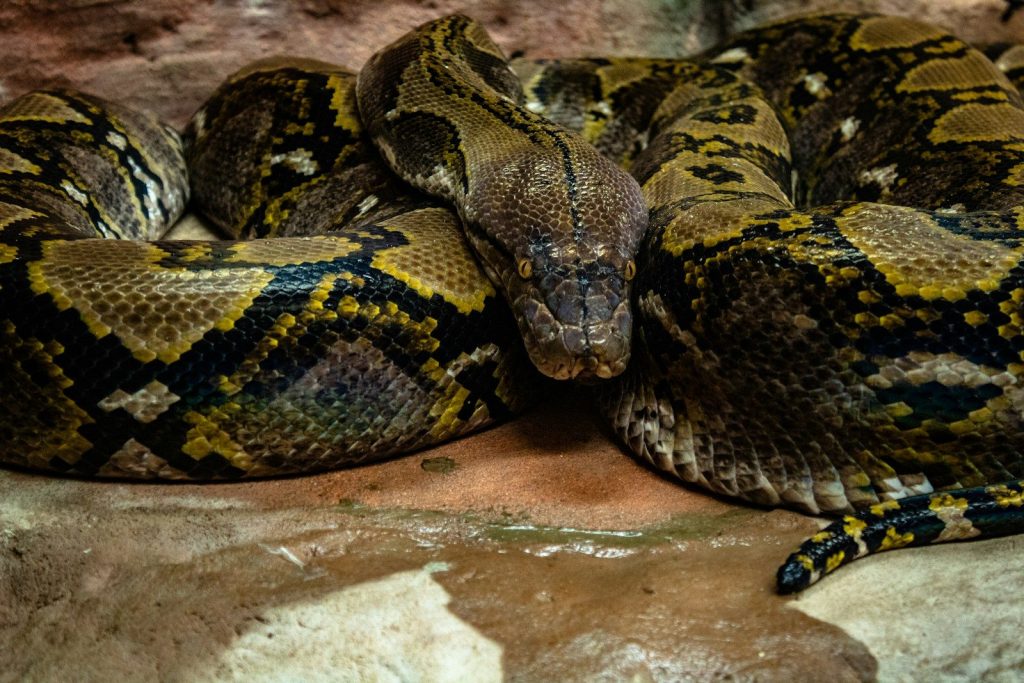
Burmese pythons are native to Southeast Asia but were imported into the United States as exotic pets. Over time, released or escaped snakes established breeding populations in the Florida Everglades, where the warm climate allowed them to thrive.
Once the population became established, the snakes spread through wetlands, forests, and marshes. Their secretive behavior and excellent camouflage made them extremely difficult to detect, allowing their numbers to grow largely unnoticed.
Built to become successful predators
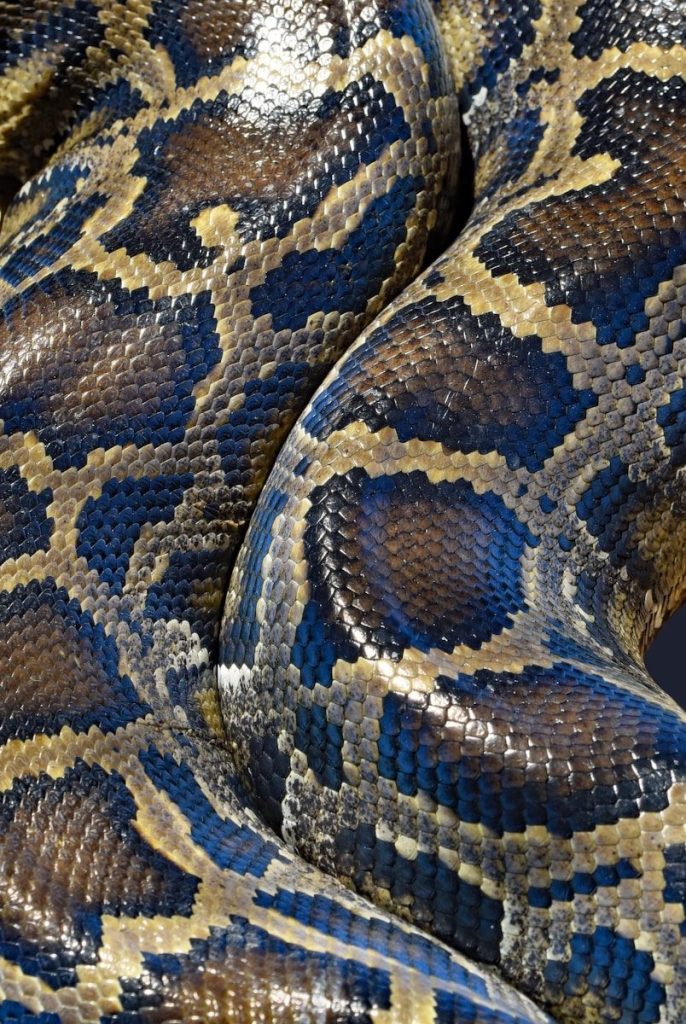
Burmese pythons are among the largest snakes in the world. Adults can exceed 5 meters in length, weigh up to 90 kilograms, and females may lay dozens of eggs in a single clutch, allowing populations to increase quickly.
These powerful constrictors feed on a wide variety of animals. Scientists have documented them consuming birds, mammals, reptiles, and even alligators, making them one of the Everglades’ most adaptable predators.
Native wildlife has suffered dramatic declines

Researchers have linked the spread of Burmese pythons with major declines in several native mammal populations. A landmark study found that raccoon sightings dropped by 99.3%, opossum sightings by 98.9%, and bobcat sightings by 87.5%, while rabbits became extremely rare or disappeared from some heavily invaded areas.
Although ecosystems are influenced by many factors, evidence strongly suggests Burmese pythons have become a major driver of these declines within Everglades National Park. Their broad diet allows them to prey on many different native species.
Why is removing them so difficult
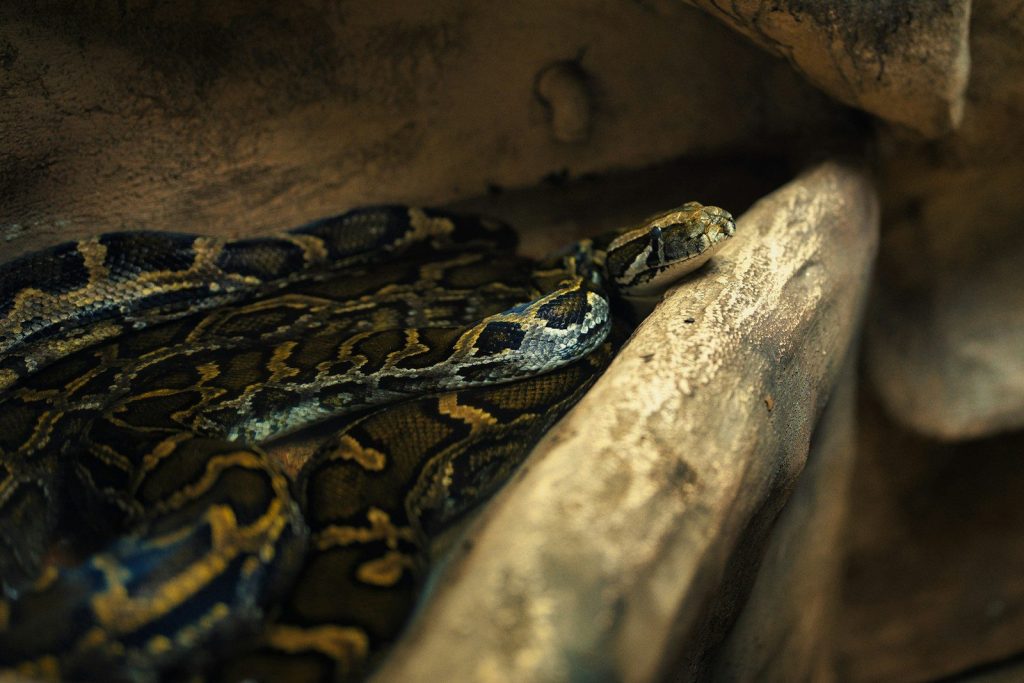
Unlike many invasive animals, Burmese pythons spend much of their time hidden beneath dense vegetation or in water. Their camouflage and secretive behavior make them extremely difficult to locate, even for experienced hunters.
Florida has organized removal programs, professional hunting teams, and annual python challenges that have removed thousands of snakes. However, wildlife experts agree that complete eradication is unlikely because many pythons remain undetected and continue reproducing.
Scientists continue searching for better solutions
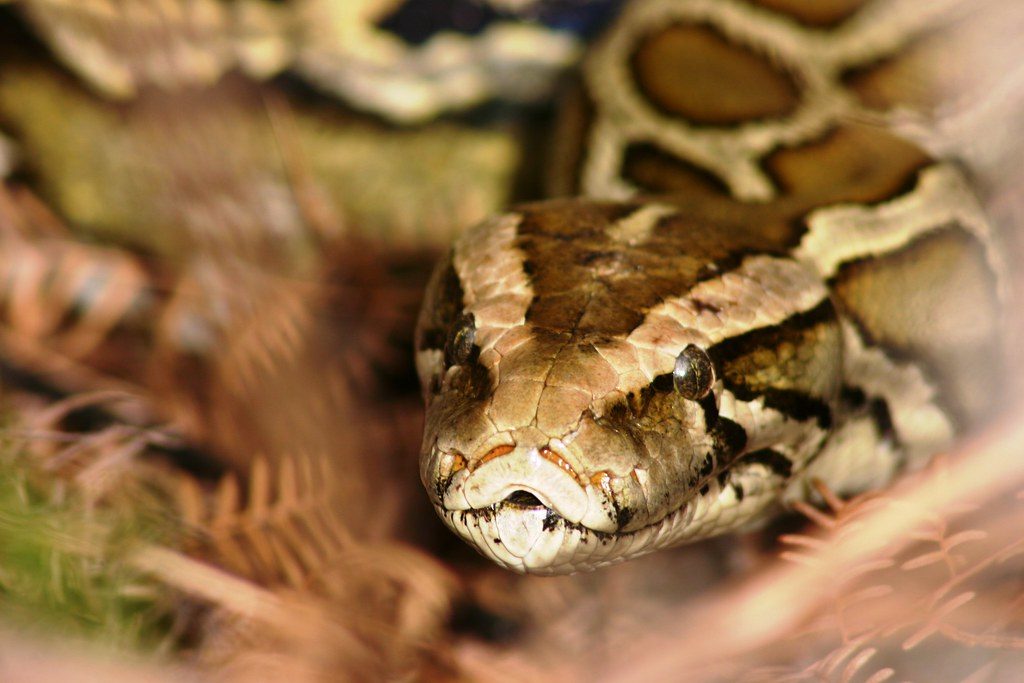
Researchers are developing new methods to locate invasive pythons, including radio telemetry, trained detection animals, and improved tracking techniques. These tools help wildlife managers remove more snakes and better understand how they spread.
Conservation agencies also continue to monitor native wildlife to assess the long-term effects of python predation. The information helps guide future management strategies throughout the Everglades.
The Everglades remains a conservation challenge

The Burmese python invasion shows how quickly an introduced species can reshape an ecosystem. A small number of released pets eventually became one of the most significant wildlife management challenges in North America.
Although thousands of snakes have been removed, protecting the Everglades will require continued monitoring, research, and public awareness. The story serves as a reminder that preventing invasive species is often far easier than eliminating them once they become established.
Leave a Reply