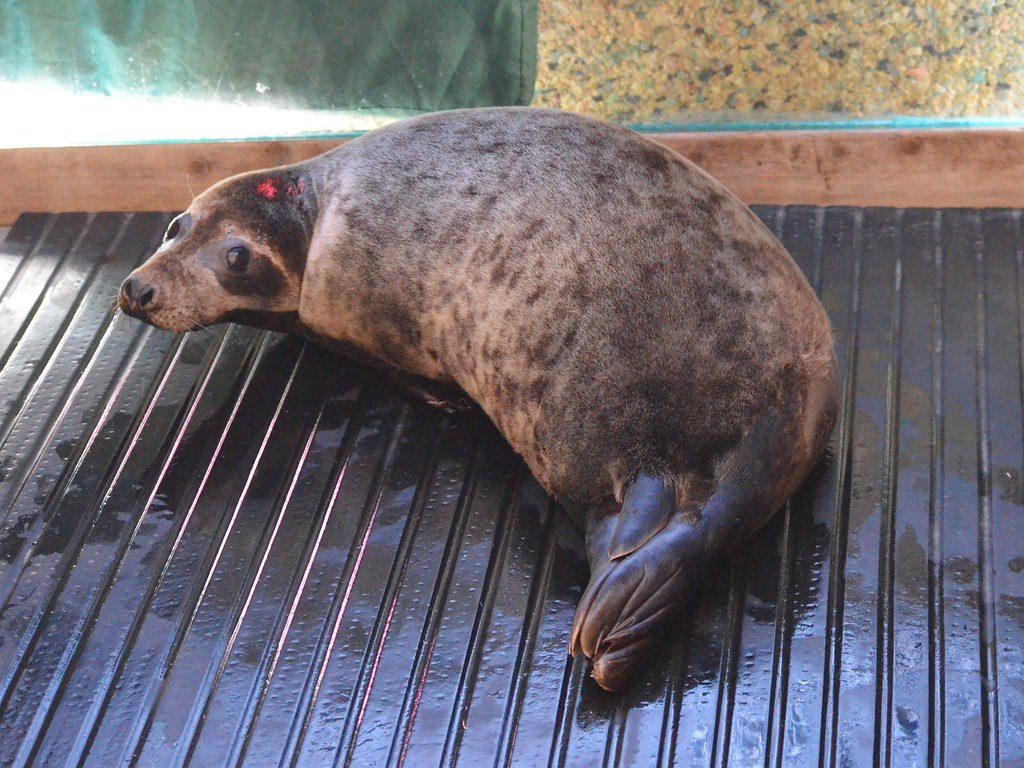
One seal escaped a painful trap, but his rescue uncovered a much larger problem. Around the world, seals and other marine animals become trapped in discarded fishing gear, plastic waste, and other human-made debris every year. While this seal was fortunate enough to be found in time, many others are never rescued.
Their injuries often become worse with time, making it difficult to swim, hunt, or avoid predators. This article explains how one rescue highlights a global conservation challenge and why reducing marine pollution is essential for protecting ocean wildlife.
One rescue changed everything
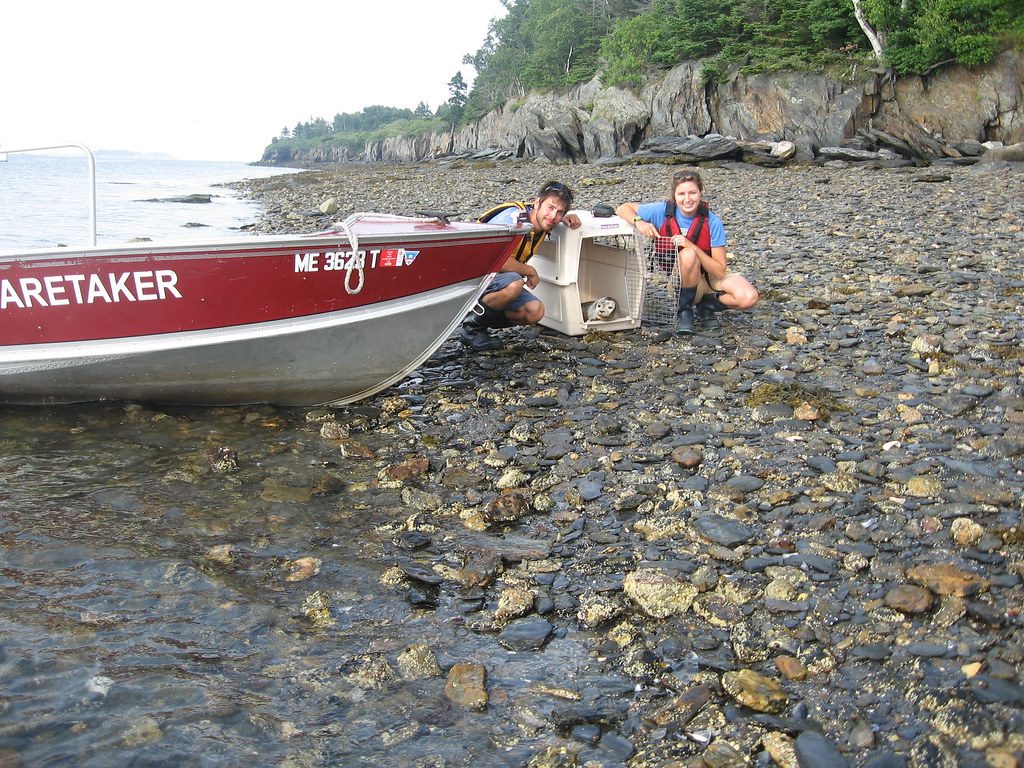
The rescue began with a single seal trapped in marine debris. Unable to free itself, the animal continued carrying the dangerous material while struggling to survive.
Rescuers safely removed the entanglement and gave the seal a second chance. The emotional moment showed how quickly a single piece of discarded waste can become life-threatening for a wild animal.
Thousands of seals face the same danger
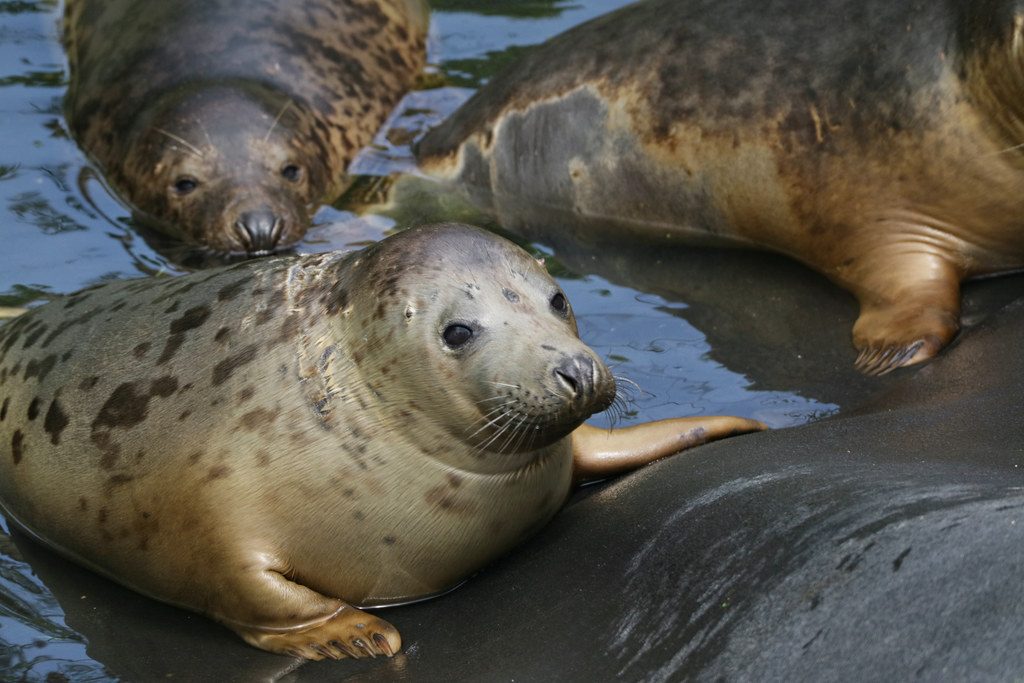
Although this seal survived, countless others remain entangled in fishing gear, rope, plastic loops, and other marine debris. Many are never discovered before their injuries become fatal. Entanglement is a global threat affecting seals, sea lions, whales, dolphins, and sea turtles.
Conservation organizations estimate that hundreds of thousands of marine animals die each year because of entanglement or plastic pollution. Many more survive while suffering from severe wounds, infections, or starvation.
Why marine debris is so dangerous
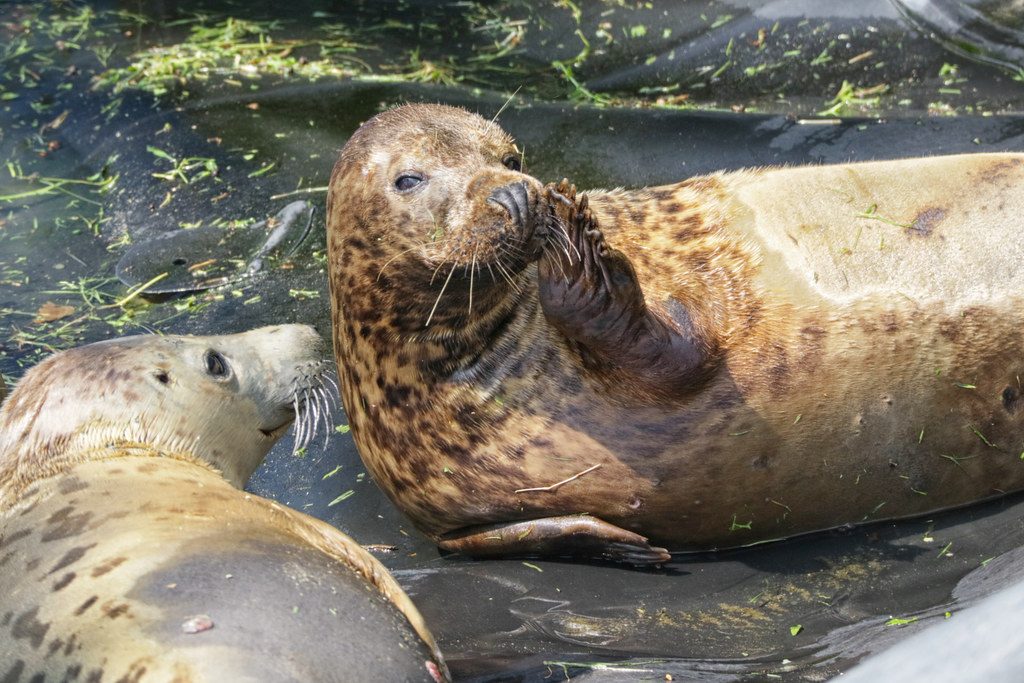
Fishing gear is designed to be strong and durable, making it especially dangerous when lost or discarded. Nets, ropes, and fishing lines can continue trapping wildlife long after they enter the ocean. This abandoned equipment is often called ghost gear.
As seals continue to grow, tight loops can cut deeper into their skin. Animals may lose the ability to swim normally, find food, or escape predators, turning a minor entanglement into a slow, painful struggle.
Rescue teams cannot reach every animal
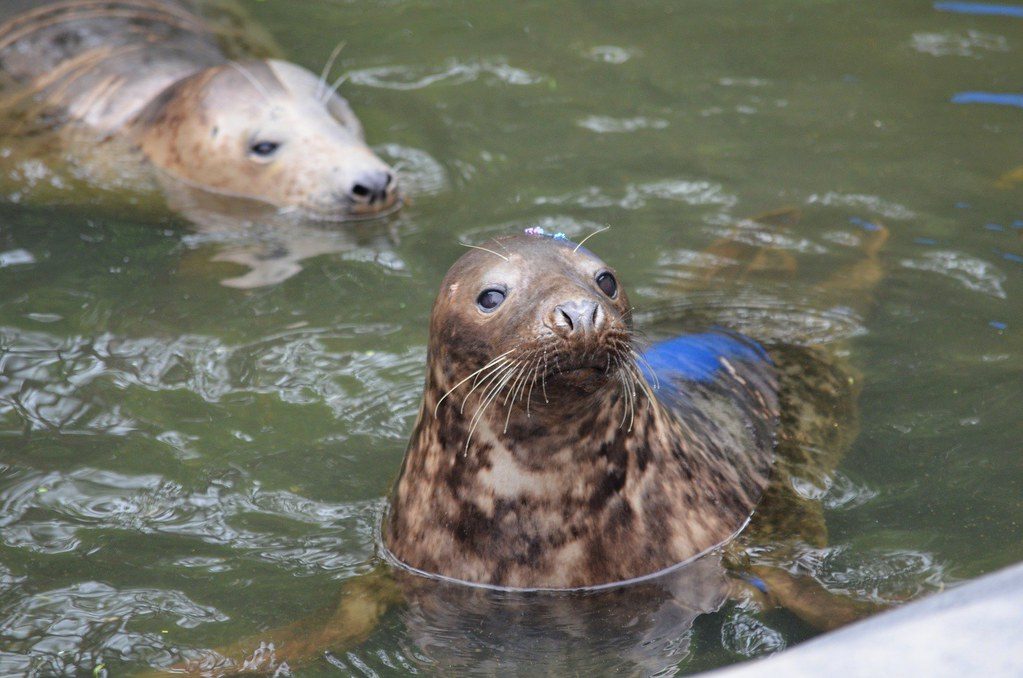
Wildlife rescue teams work tirelessly to free entangled seals whenever they are found. These rescues require experience, specialized equipment, and careful handling to protect both the animals and the rescuers.
However, many entangled animals live in remote coastlines or spend most of their time at sea. As a result, countless seals never encounter people who can help them before it is too late.
Preventing pollution saves wildlife
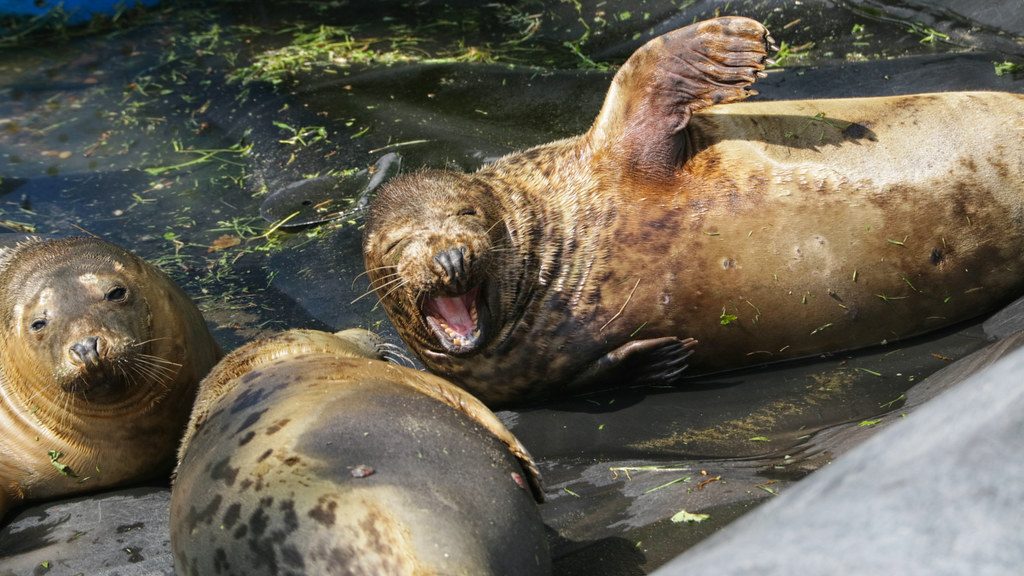
Removing marine debris before it reaches the ocean is one of the most effective ways to protect wildlife. Proper disposal of fishing gear, reducing plastic waste, and supporting cleanup efforts can prevent future entanglements.
Every piece of litter kept out of the water removes one potential hazard for seals, whales, sea turtles, dolphins, and many other marine species. Prevention is often far more effective than rescue after an animal has already become trapped.
One seal became a symbol of a larger problem
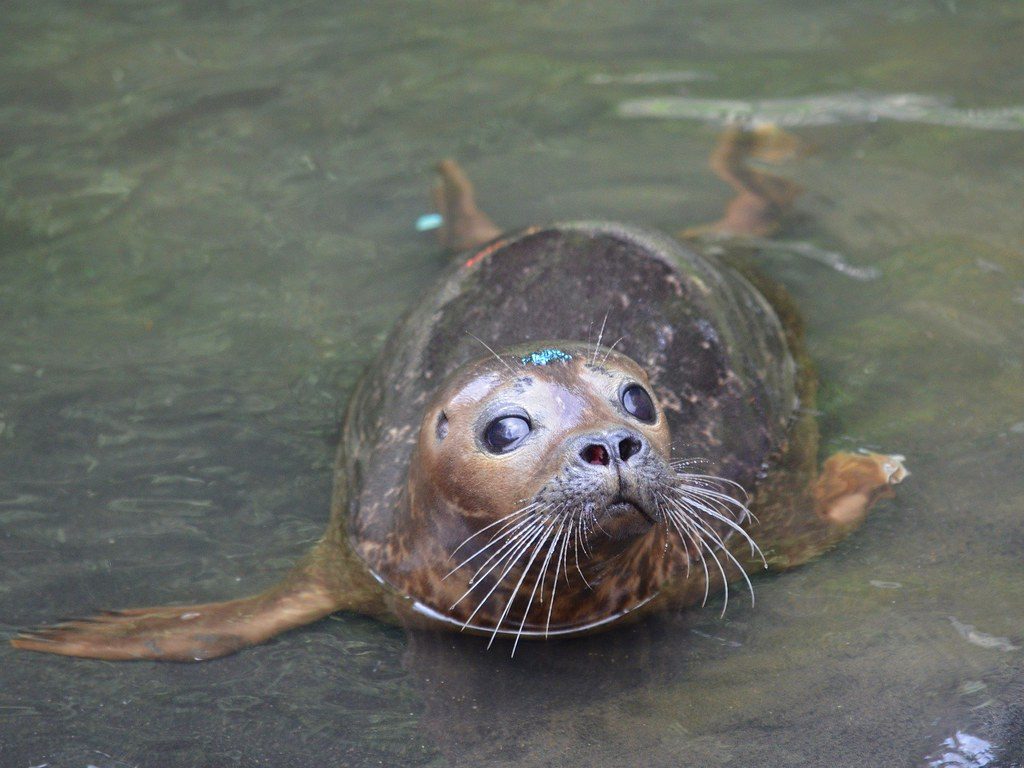
The rescued seal’s story is inspiring because it ends on a hopeful note. Yet it also reminds us that the same danger continues to threaten marine wildlife every day across the world’s oceans.
Saving one seal is a meaningful success, but lasting change depends on reducing the pollution that causes these tragedies. Protecting the ocean today helps ensure that fewer animals will need rescuing tomorrow.
Leave a Reply