In the final years of World War II, a Japanese submarine carrying a secret cargo disappeared beneath the Atlantic Ocean. On board were 2.2 tons of gold, valuable raw materials, and military supplies destined for Nazi-occupied Europe. For more than 50 years, the submarine’s resting place remained unknown, turning it into one of history’s greatest underwater mysteries.
Then a determined researcher finally located the wreck nearly three miles below the surface. This article explores the story of the Japanese submarine I-52, its secret mission, the search that uncovered it, and why its legendary treasure still remains lost.
A secret mission across the Atlantic
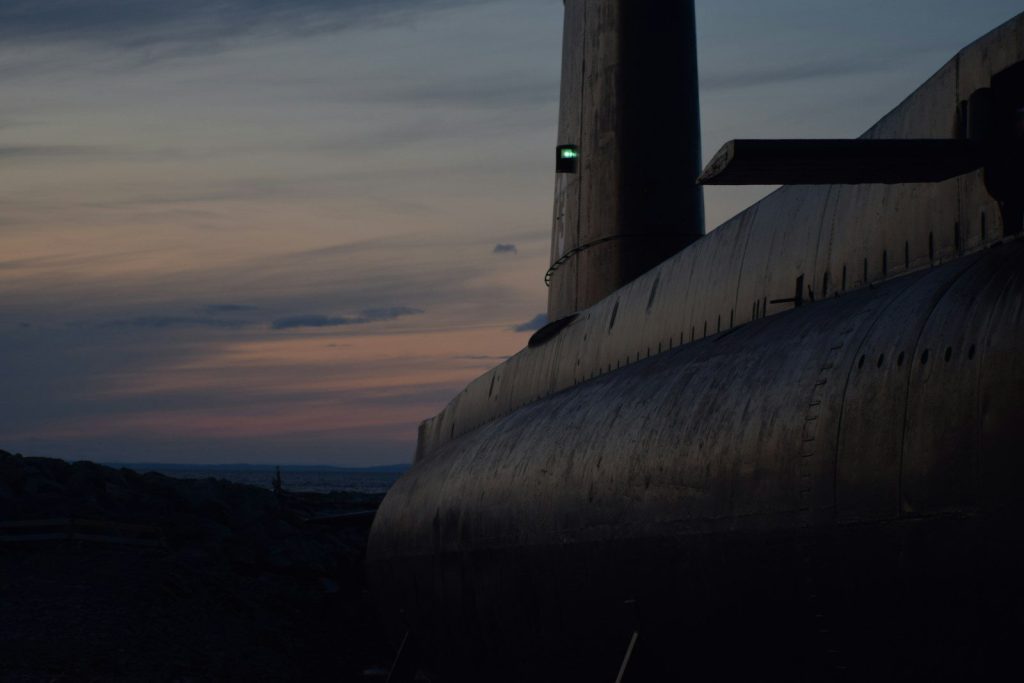
The Japanese submarine I-52 departed from Kure, Japan, in March 1944 on a highly secret mission. It was heading toward German-occupied France to exchange valuable cargo for military technology that Japan hoped would strengthen its war effort.
Among its cargo were 2.2 tons of gold packed into metal boxes, along with tungsten, molybdenum, opium, caffeine, and other strategic materials. After stopping in Singapore, the submarine also loaded rubber, tin, and quinine before continuing into the Atlantic.
Allied intelligence uncovered the plan
The mission was meant to remain completely secret, but Allied cryptologists had already broken important enemy communications. Intercepted messages revealed the submarine’s planned route and rendezvous with a German U-boat.
A United States Navy hunter-killer task force centered on the aircraft carrier USS Bogue was sent to intercept the submarine. During the night of June 23, 1944, aircraft located I-52 and attacked it with acoustic homing torpedoes. The submarine sank with everyone on board.
The mystery lasted for decades
Although debris was recovered after the sinking, including rubber, silk, and other cargo, the submarine’s exact location remained unknown. The gold disappeared with the wreck beneath thousands of meters of water.
Years later, Vietnam War veteran and maritime historian Paul Tidwell began searching government archives for clues. He examined thousands of military records, intelligence reports, and decoded wartime messages to reconstruct the submarine’s final journey.
Finding the lost submarine
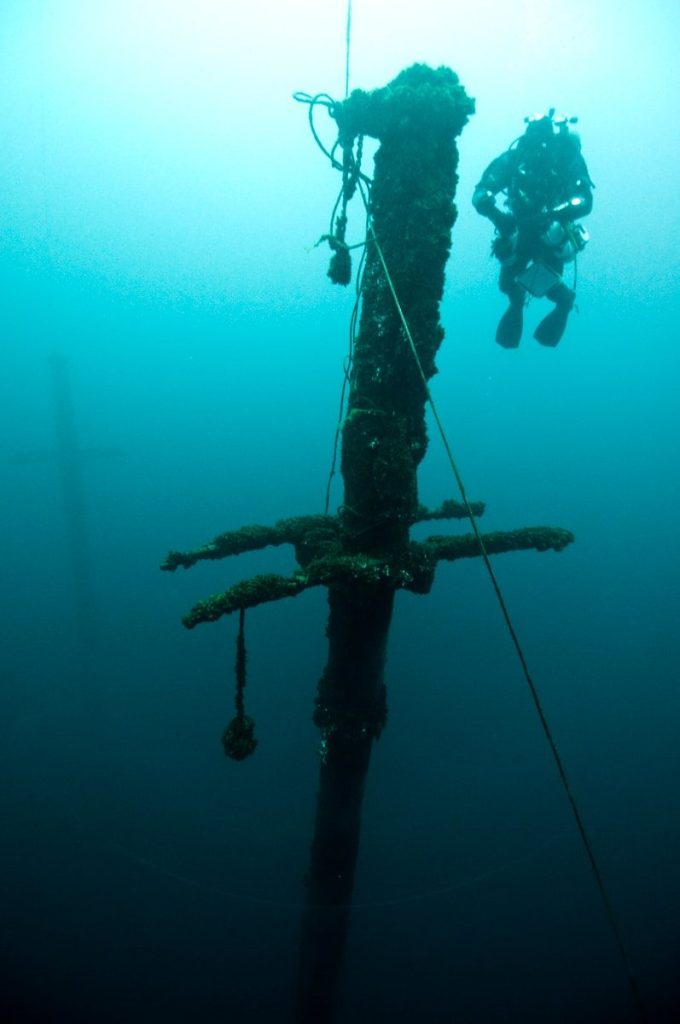
By 1995, Tidwell had secured funding for a deep ocean expedition. Working with ocean exploration specialists, the search team corrected navigation records from the original attack and expanded the search area.
On May 2, 1995, sonar finally located the wreck nearly 17,000 feet below the surface of the Atlantic Ocean between Barbados and the Cape Verde Islands. After more than five decades, the missing submarine had finally been found.
The treasure remained out of reach
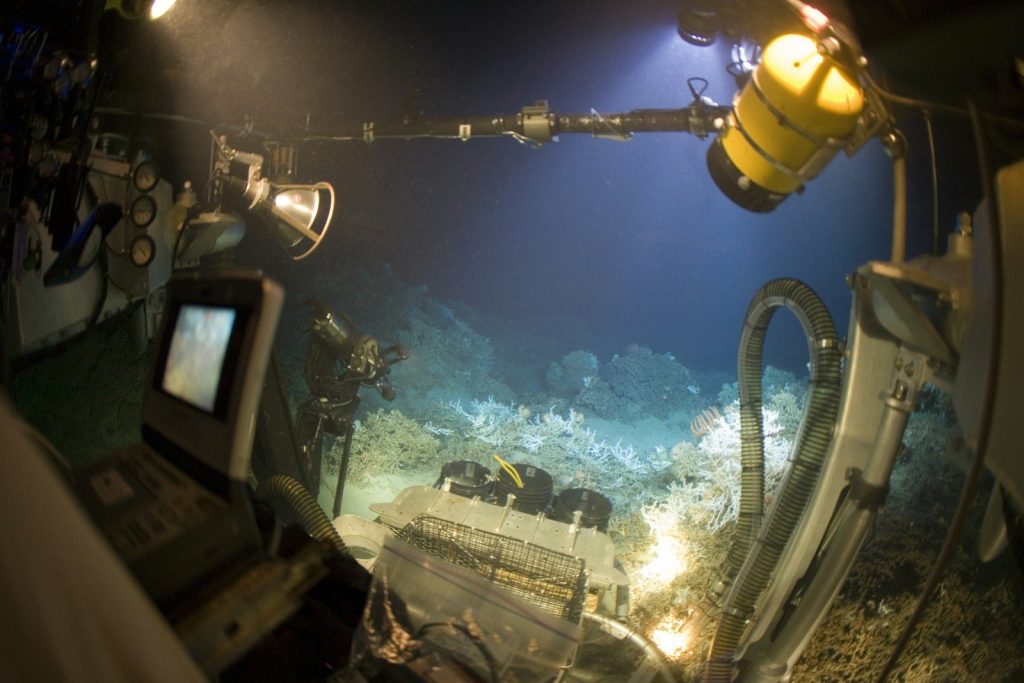
Several years later, another expedition returned with Russian Mir submersibles capable of reaching the wreck. Explorers documented the damaged submarine and recovered several artifacts from the surrounding debris field.
The team found tin ingots, a metal box containing opium, and traces of gold in nearby sediment. However, the famous gold bars were never recovered. Some sections of the submarine remain inaccessible, leaving open the possibility that the treasure still rests inside. The wreck is also recognized as a war grave, requiring respectful treatment during any future exploration.
Why the mystery continues
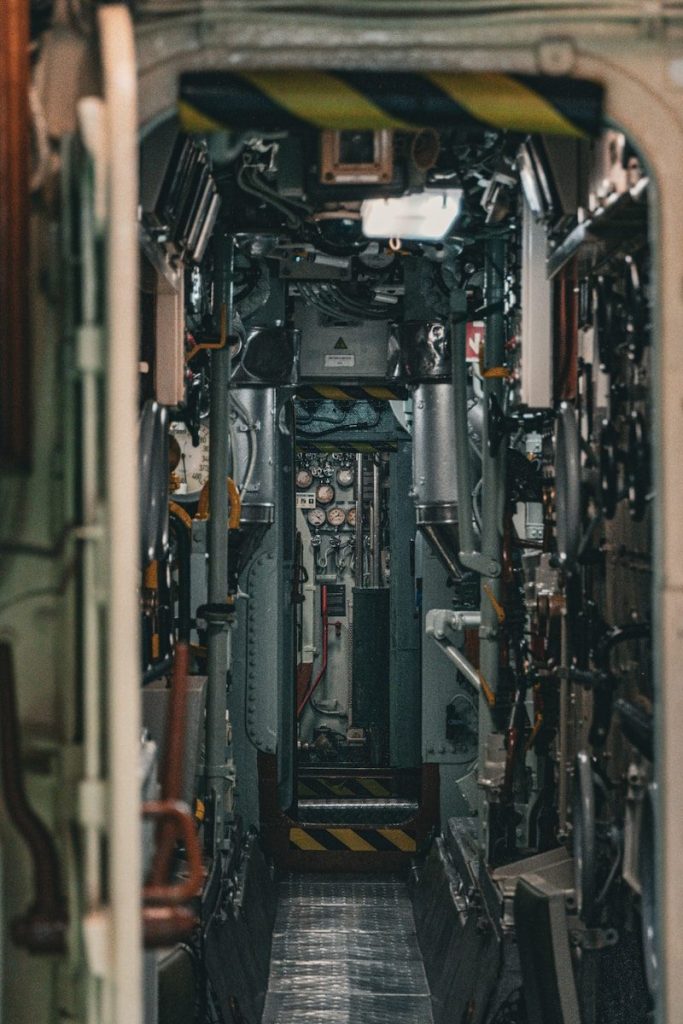
The story of I-52 combines history, archaeology, technology, and one of the world’s most famous lost treasures. Modern deep-sea exploration has revealed much about the submarine, but many questions remain unanswered.
Researchers continue to hope that future technology may allow scientists to document areas of the wreck that have never been explored. Whether the missing gold is eventually found or not, the submarine remains an important reminder of the hidden history that still lies beneath the world’s oceans.
Leave a Reply