
Losing a leg to a tiger shark would leave most people afraid of the ocean forever. Instead, one survivor chose a very different path. After recovering from a life-changing shark attack, he returned to the water to photograph, study, and protect the same animals that had injured him.
His experience challenged many common beliefs about sharks and showed that fear does not always reflect reality. This article explores his remarkable journey, what scientists know about tiger sharks, and why conservation has become just as important as public safety.
A life changed in seconds
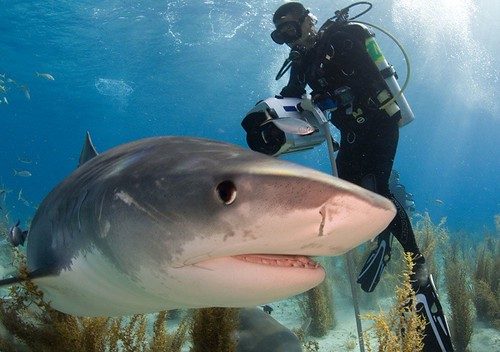
As a teenager surfing in Hawaii, Mike Coots was attacked by a tiger shark and lost his right leg below the knee. The injuries were severe, but he survived and eventually began rebuilding his life.
Only a short time after the attack, he returned to the ocean instead of avoiding it. Rather than allowing fear to define his future, he chose to continue surfing and later became a photographer and shark conservation advocate.
Returning to the water
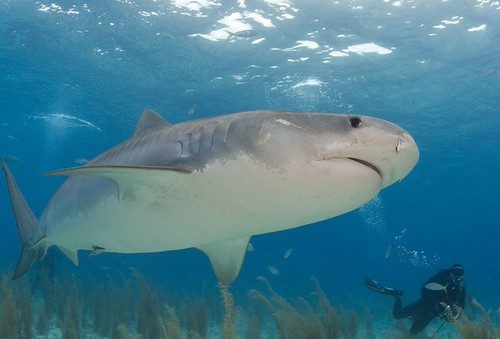
Many people expected Coots to stay away from sharks forever. Instead, he began diving and photographing them to better understand their behavior and help change public attitudes toward these often misunderstood animals.
His experience taught him that sharks are wild predators, not mindless killers. He has repeatedly explained that the attack was a rare event rather than evidence that sharks deliberately hunt humans.
Tiger sharks deserve respect
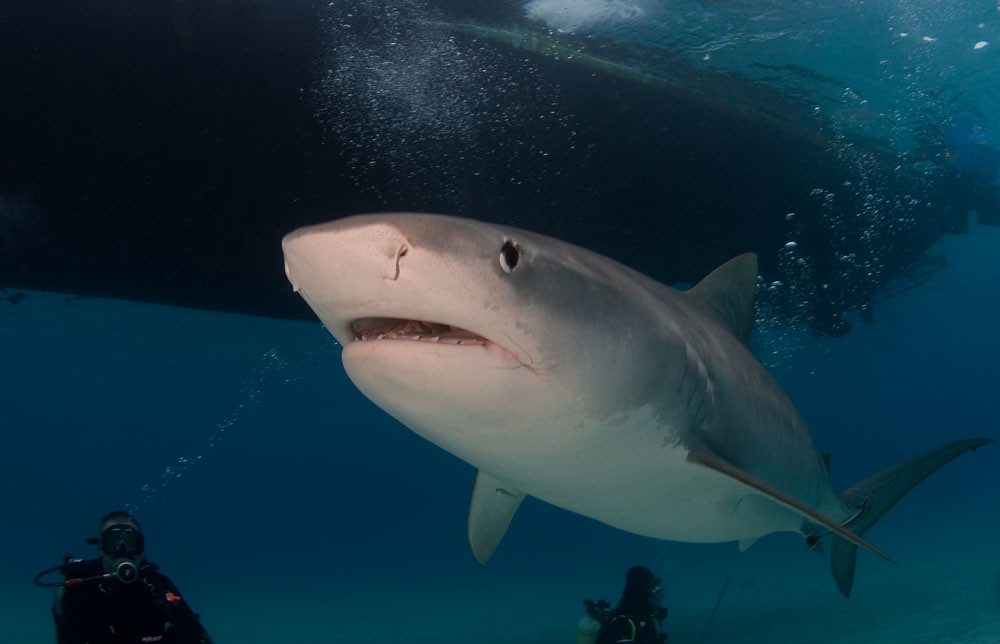
Tiger sharks are among the largest predatory sharks and are found in warm oceans around the world. They eat a wide variety of prey and are naturally curious animals that investigate unfamiliar objects in their environment.
Although tiger sharks are involved in more confirmed attacks on humans than many other shark species, serious incidents remain uncommon compared with the millions of people who enter the ocean each year. Scientists emphasize that humans are not their preferred prey.
Fear and reality are often different

Shark attacks receive worldwide attention because they are dramatic and unusual. As a result, many people believe sharks are a much greater danger than they actually are.
Conservationists point out that sharks face far greater threats from people than people face from sharks. Commercial fishing, bycatch, and the shark fin trade have caused major declines in many shark populations around the world.
Conservation became his mission
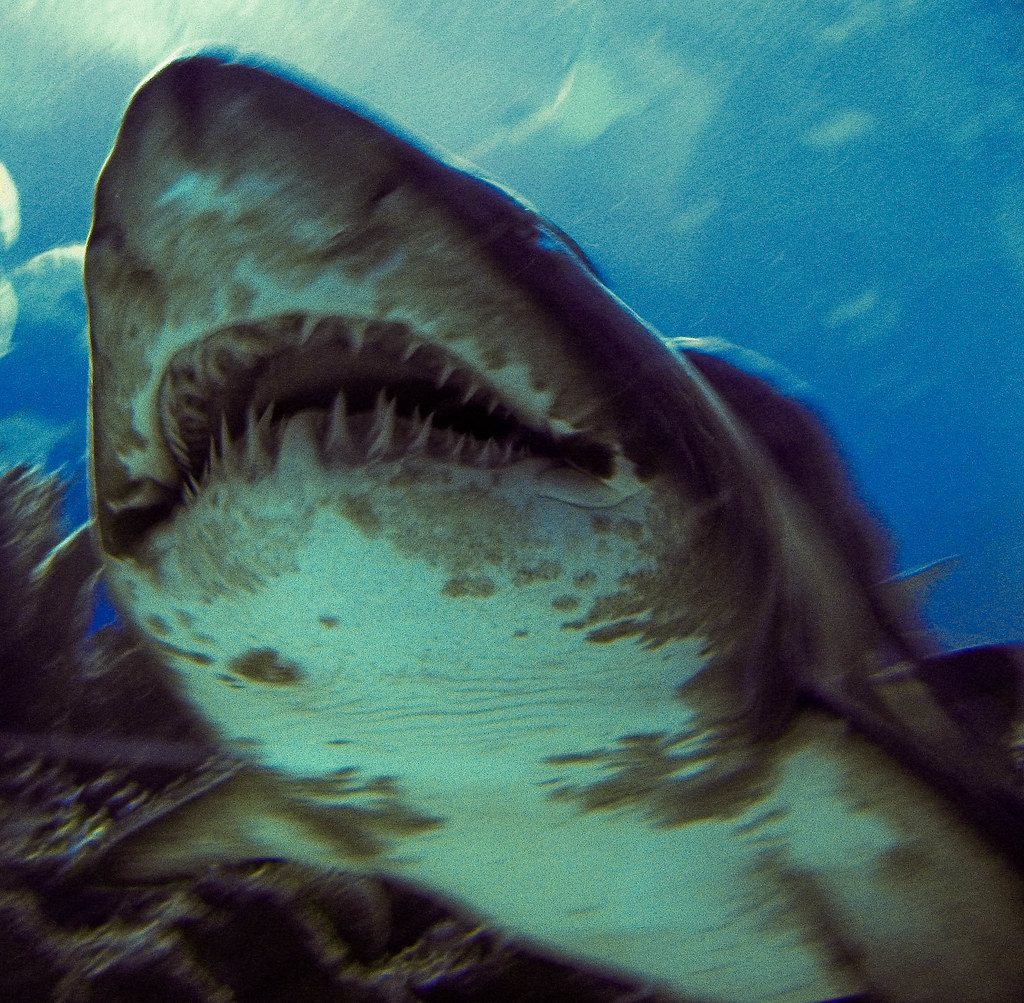
Following his recovery, Coots began speaking publicly about shark conservation and educating people about their importance in marine ecosystems. His personal story gives him a unique perspective that few conservation advocates possess.
By sharing photographs and educational programs, he encourages people to replace fear with knowledge. He believes healthy shark populations are essential for balanced ocean ecosystems.
Understanding leads to respect

The story of Mike Coots shows that one frightening experience does not always define an entire species. His decision to return to the ocean demonstrates how understanding wildlife can change even deeply personal perspectives.
Tiger sharks remain powerful wild animals that deserve caution and respect. At the same time, scientific research and conservation remind us that protecting these apex predators is an important part of protecting the oceans themselves.
Leave a Reply