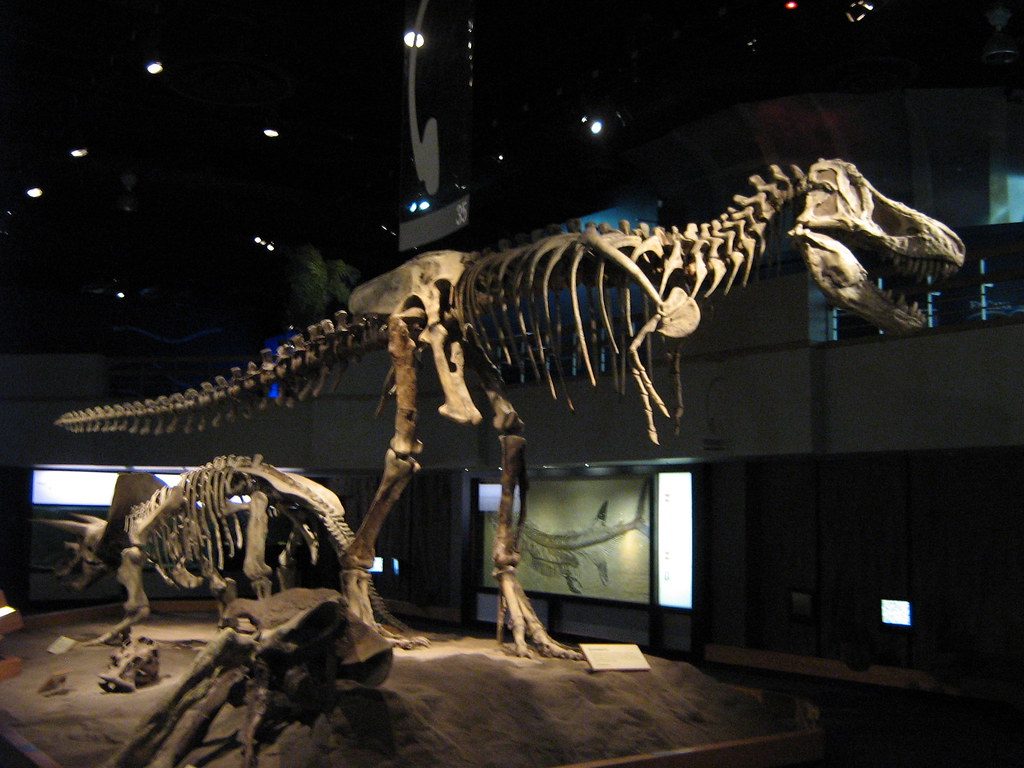
Tyrannosaurs are famous as some of the most powerful predators ever to walk the Earth. For years, they have been pictured as fearless hunters chasing down large prey. However, a new fossil study reveals another side of these giant dinosaurs. Researchers found evidence that smaller tyrannosaurs also scavenged the remains of much larger relatives when the opportunity arose.
By studying tiny bite marks preserved for 75 million years, scientists uncovered new clues about how these prehistoric predators survived. This article explains what researchers found, how they reached their conclusions, and why the discovery changes our understanding of tyrannosaur behavior.
A fossil preserved an ancient meal
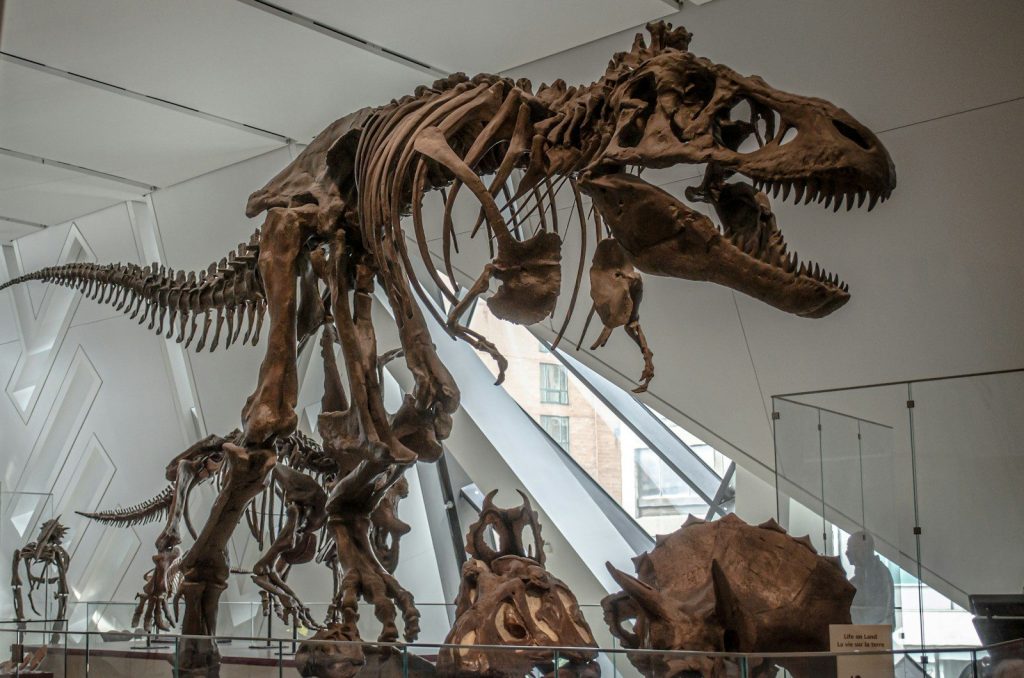
The discovery began with a fossilized foot bone found in Montana’s Judith River Formation. The bone came from a giant tyrannosaurid that lived about 75 million years ago, long before Tyrannosaurus rex appeared.
Researchers identified 16 distinct bite marks across the bone. Their location and pattern suggested that another smaller tyrannosaurid had fed on the carcass after the animal had already died.
Tiny marks revealed a big story
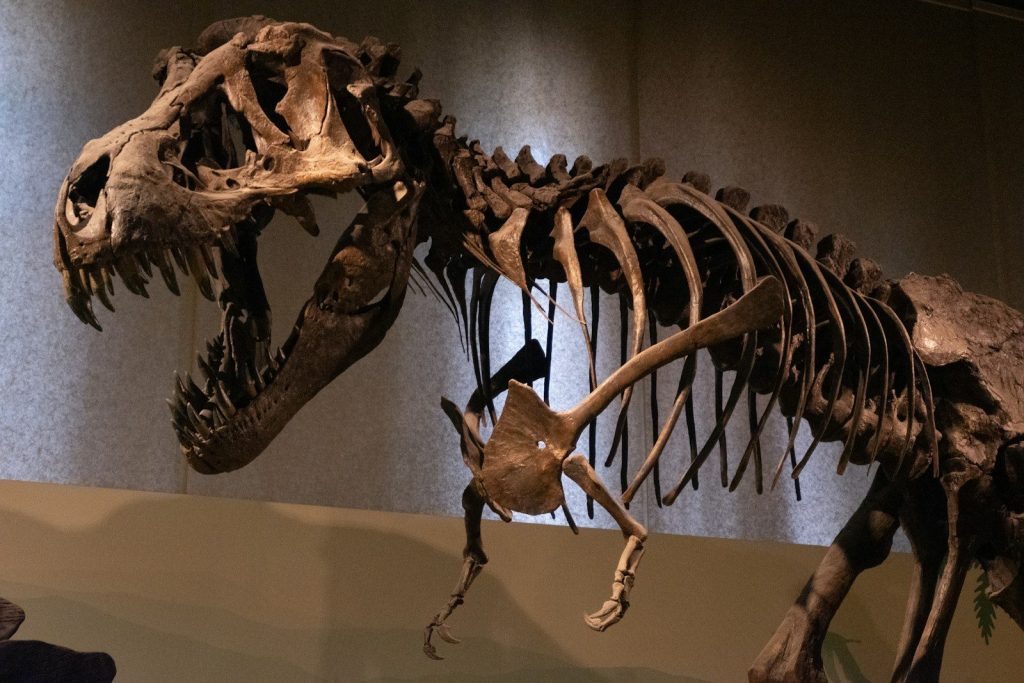
Master’s student Josephine Nielsen used advanced 3D scanning to examine the fossil in great detail. Digital models allowed her to measure the depth, angle, and placement of every bite mark with remarkable precision.
The analysis showed the marks were not random damage. Instead, they matched tooth impressions left by a smaller tyrannosaurid feeding on the larger dinosaur’s remains.
The scavenger cleaned up the last remains
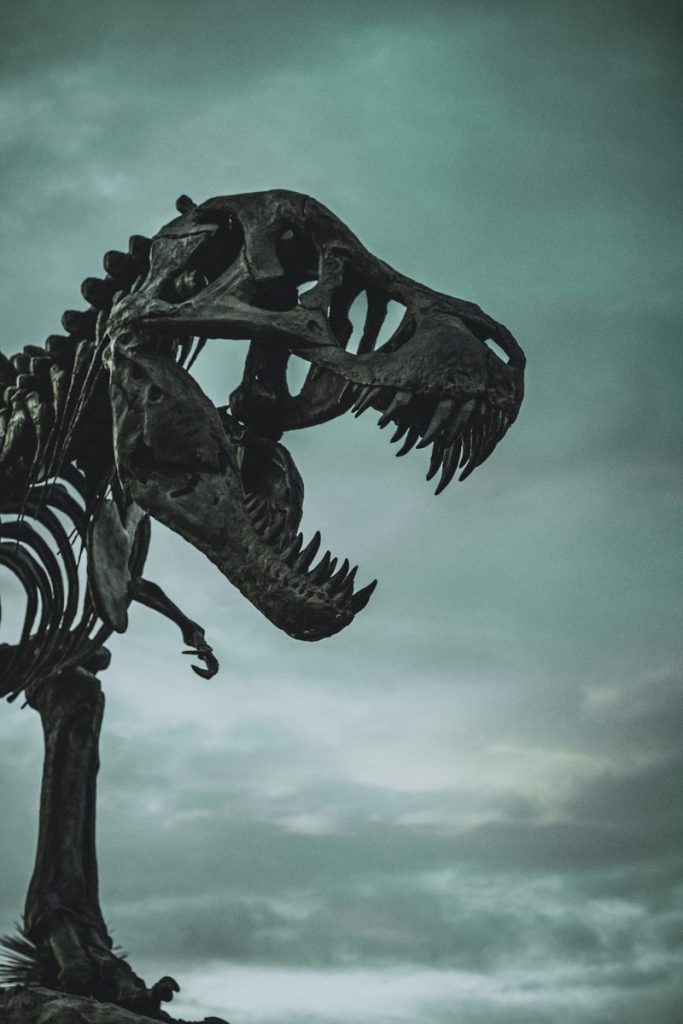
The bite marks appeared on the foot, an area that contains very little meat. Researchers found no evidence that the larger dinosaur survived after the bites, indicating they happened after death rather than during a fight.
This suggests the smaller tyrannosaurid was feeding late in the decomposition process. Instead of choosing only the richest parts of the carcass, it continued eating even after most of the flesh had disappeared.
Hunting and scavenging both mattered
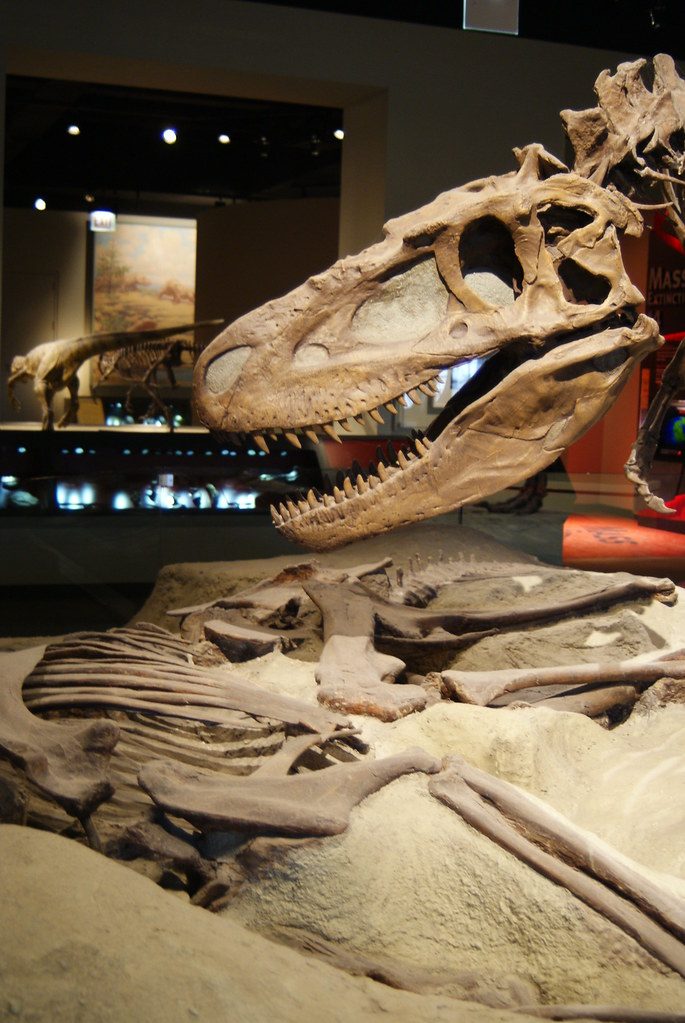
The new evidence does not mean tyrannosaurs were poor hunters. Their powerful skulls, massive teeth, and strong bite forces clearly show they were capable predators.
Instead, the study suggests they behaved like many modern carnivores. When an easy meal became available, they took advantage of it rather than wasting energy searching for fresh prey.
Modern technology unlocked ancient clues
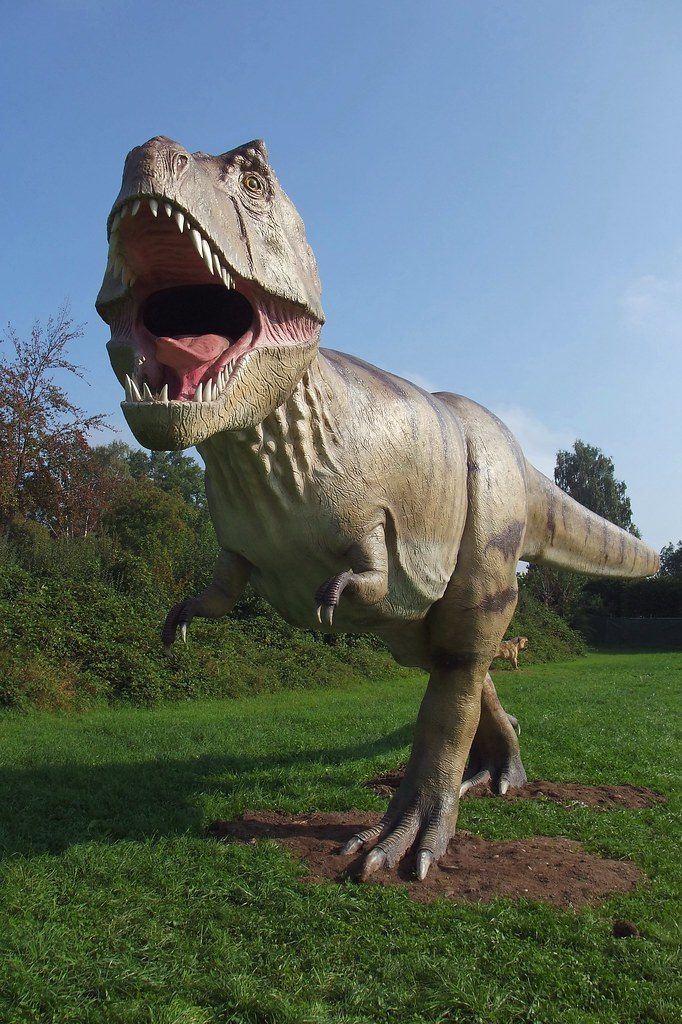
Rather than working directly with the original fossil, Nielsen studied a digital model and a 3D printed copy. This protected the valuable specimen while allowing researchers to inspect details that would have been difficult to see otherwise.
Scientists also used a standardized method for classifying bite marks. This approach helps researchers compare fossils more accurately and understand dinosaur behavior with greater confidence.
Dinosaur behavior is becoming clearer
Each new fossil provides another piece of the puzzle about how dinosaurs lived millions of years ago. Even small traces, such as tooth marks, can reveal surprising details about feeding habits and survival strategies.
The discovery shows that tyrannosaurids were practical animals that used every available food source. Instead of fitting neatly into the role of hunter or scavenger, they likely did both whenever the opportunity arose.
Leave a Reply