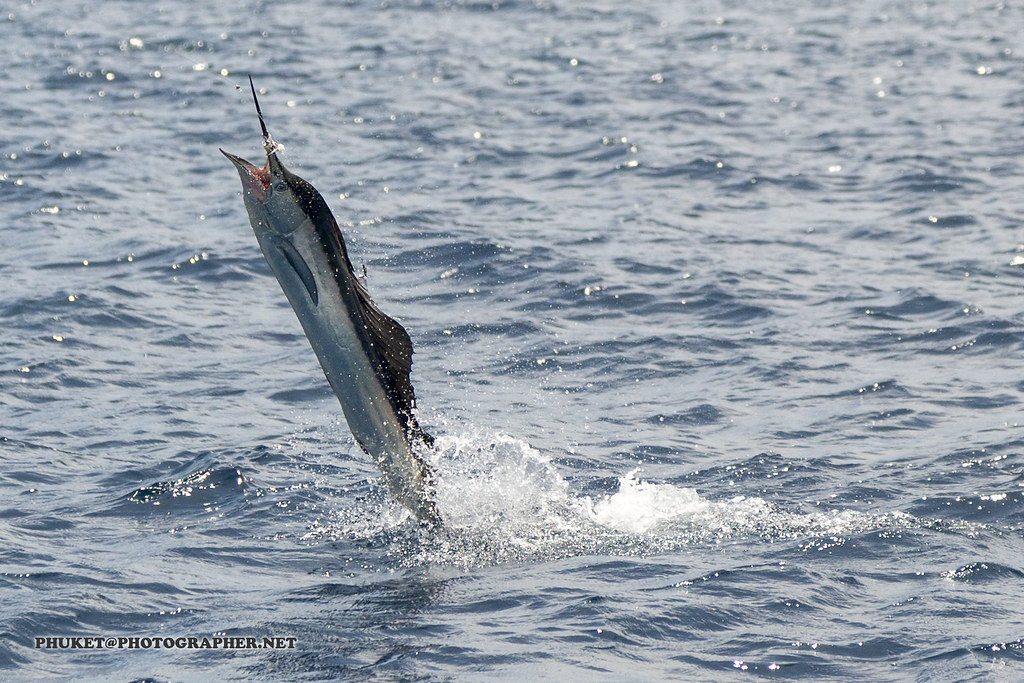
Landing a giant sailfish is often the highlight of a fishing trip. But sometimes, just as the fish reaches the boat, another predator appears. In this dramatic encounter, sharks suddenly attacked a hooked sailfish, turning a successful catch into a struggle for survival.
While the scene looked shocking, it also revealed a natural behavior that scientists and experienced anglers have observed for years. This article explains why sharks target hooked fish, how sailfish defend themselves, and what these encounters reveal about life in the open ocean.
A successful catch changed instantly
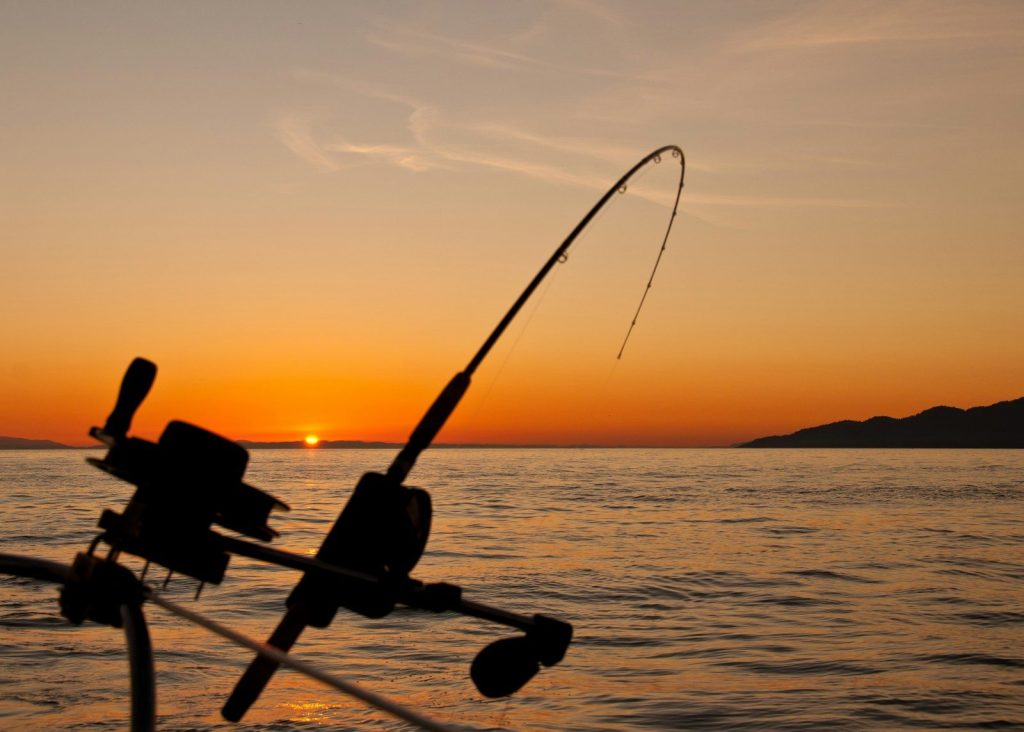
The sailfish had nearly reached the boat after a long fight. Moments later, sharks appeared and began attacking the exhausted fish, creating a chaotic scene beside the vessel.
Events like this happen more often than many people realize. Anglers call the loss of a hooked fish to a shark being “sharked,” especially when large predators take the catch before it can be released or brought aboard.
Why sharks target hooked fish
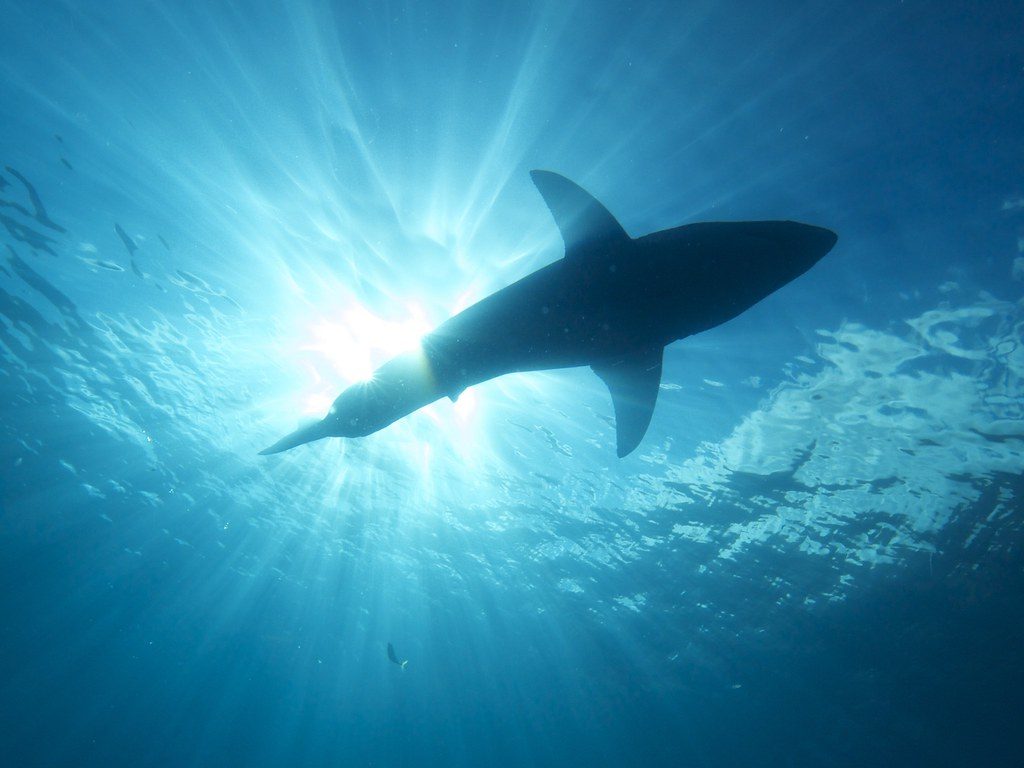
A hooked fish struggles, creates vibrations, and may release blood or body fluids into the water. Sharks have highly developed senses that allow them to detect these signals from considerable distances.
Once a shark locates an easy meal, it often takes advantage of the opportunity. Catching an already exhausted fish requires far less energy than chasing healthy prey across the open ocean.
Sailfish are built for speed
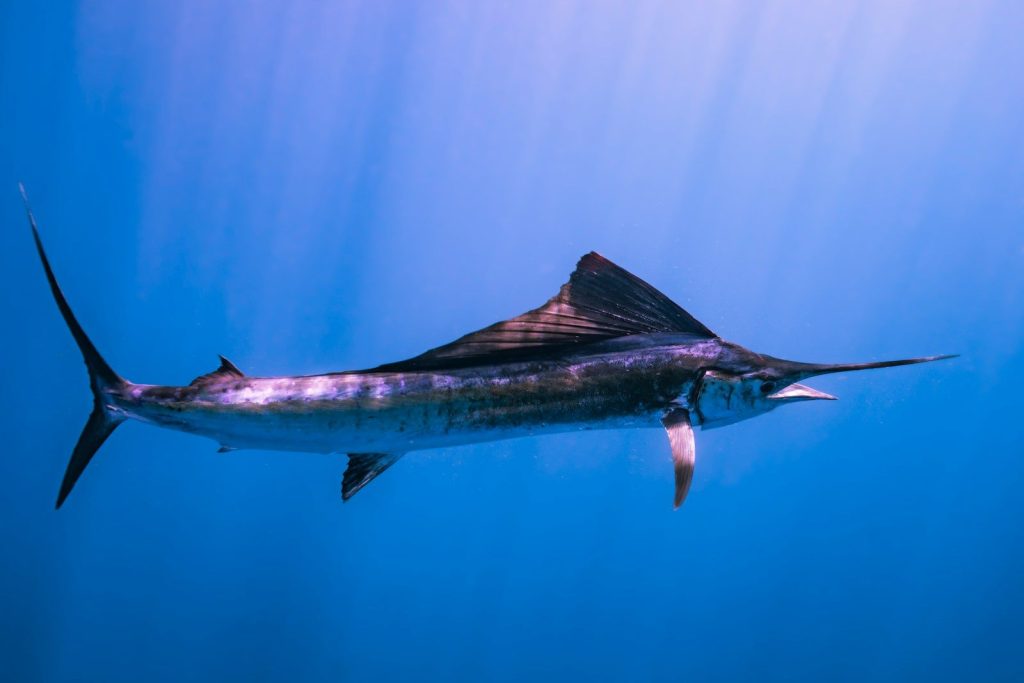
Sailfish are among the fastest fish in the ocean. Their streamlined bodies, long bills, and powerful tails help them chase schools of fish with remarkable agility.
During hunting, sailfish often slash through schools of small fish with their bills, injuring several prey before capturing one. This efficient hunting strategy makes them successful predators in open water.
Sharks remain opportunistic predators
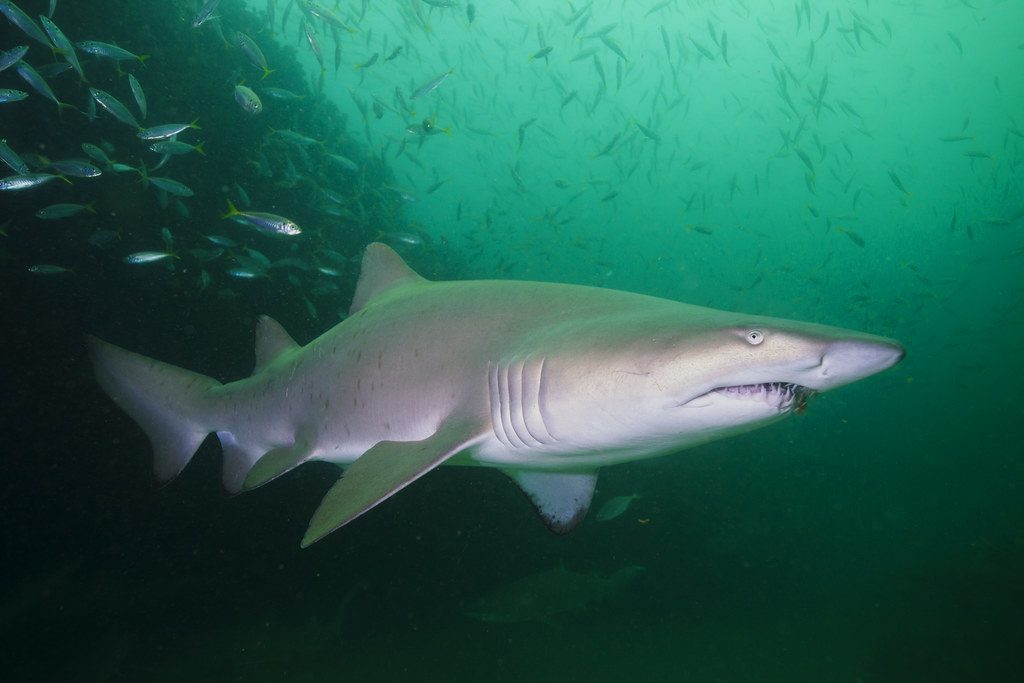
Many shark species are opportunistic feeders, meaning they take advantage of available food whenever possible. A struggling sailfish beside a fishing boat can become an attractive target because it is easier to catch than healthy prey.
This behavior is not unusual or aggressive toward people. The sharks are responding to a feeding opportunity created by an injured fish rather than deliberately approaching humans.
These encounters are becoming more familiar
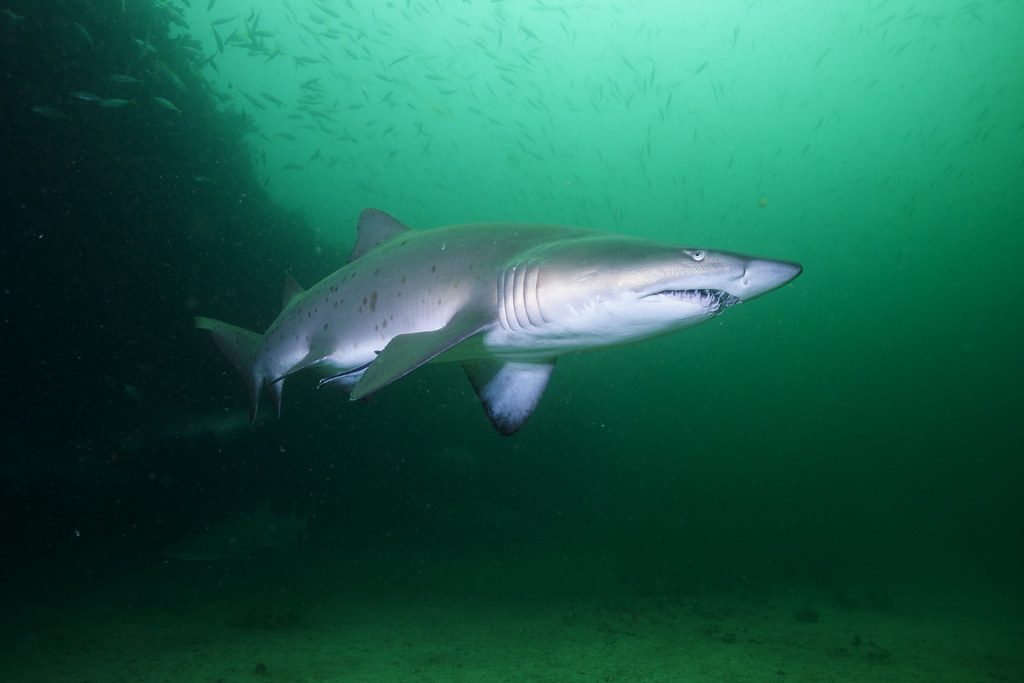
Charter captains and recreational anglers have increasingly reported sharks taking hooked game fish before they can be landed. This behavior has been documented with sailfish, marlin, tuna, and many other species.
Scientists continue studying these interactions to better understand how fishing activity, shark behavior, and changing marine ecosystems influence encounters between predators and hooked fish.
Nature always has the final word
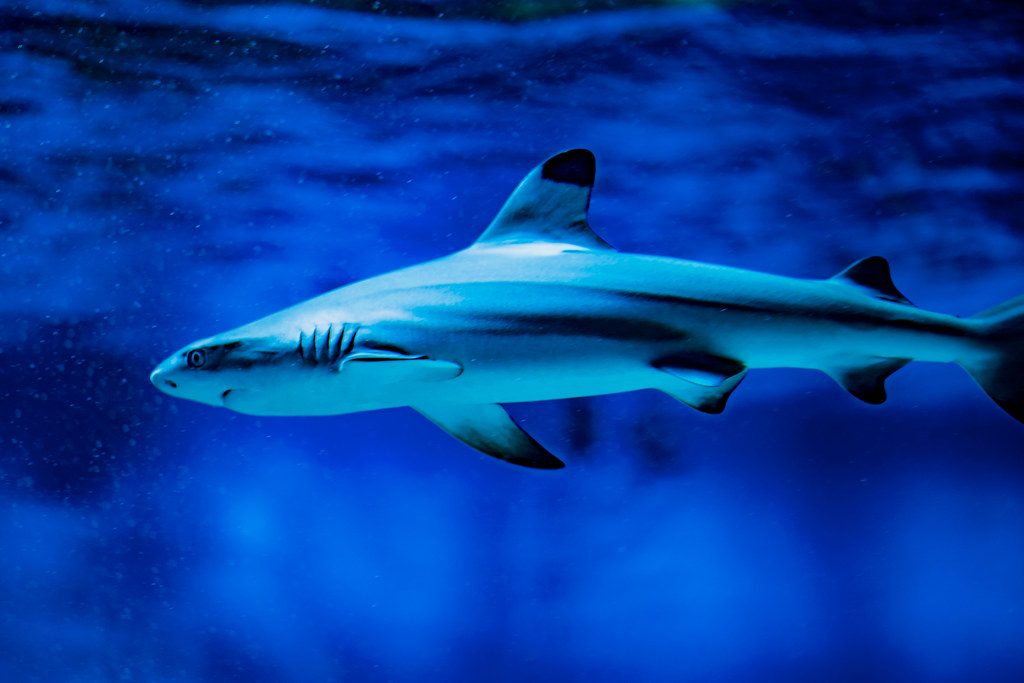
The battle beside the boat serves as a reminder that the ocean remains unpredictable. Even after a fish is hooked, it is still part of a complex food web where larger predators may suddenly appear.
Watching sharks attack a giant sailfish highlights the incredible power of marine ecosystems. It also demonstrates that every fishing trip unfolds within a natural world where wild animals continue following the instincts that have helped them survive for millions of years.
Leave a Reply