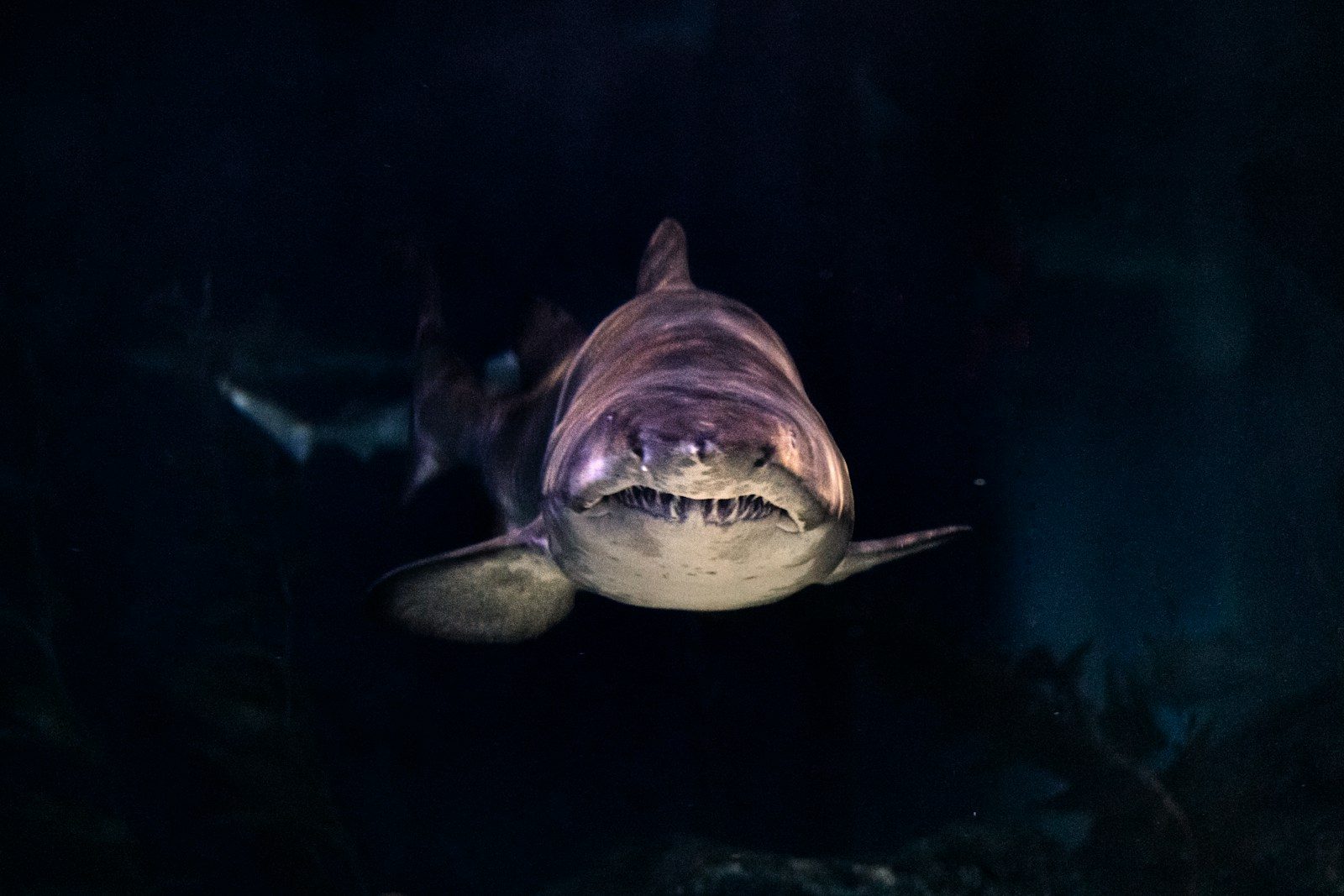
For many years, scientists believed different shark species rarely interbred in the wild. Then genetic testing revealed something unexpected. Along Australia’s east coast, researchers found sharks that were not fully one species or another. Instead, they were natural hybrids produced by two closely related blacktip shark species.
Even more surprisingly, the hybrids were healthy enough to reproduce, creating multiple generations. This discovery changed how scientists think about shark evolution and raised new questions about how some species may respond to changing environments. This article explains how hybrid sharks form, why they survive, and what their existence means for marine science.
A surprising scientific discovery
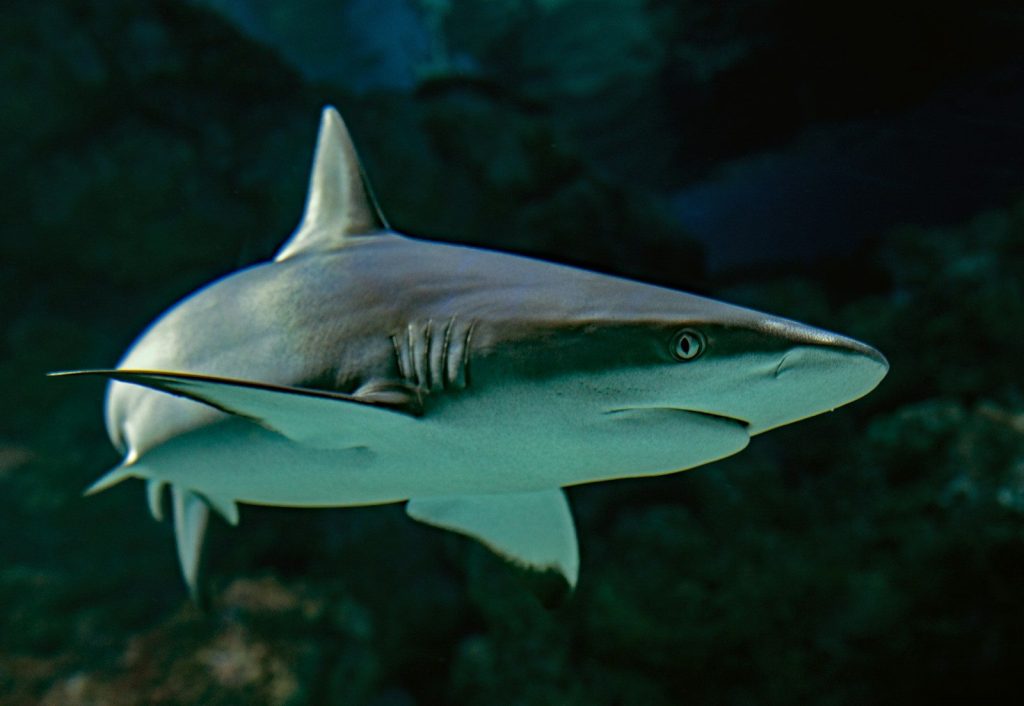
Researchers studying shark populations in Australia noticed that some blacktip sharks looked almost identical but did not match expected genetic patterns. DNA testing revealed that they were hybrids of the Australian blacktip shark and the common blacktip shark.
The team identified dozens of hybrids living along more than 2,000 kilometers of Australia’s eastern coastline. Several generations of hybrid offspring showed that these sharks were successfully reproducing in the wild.
How hybrid sharks form naturally
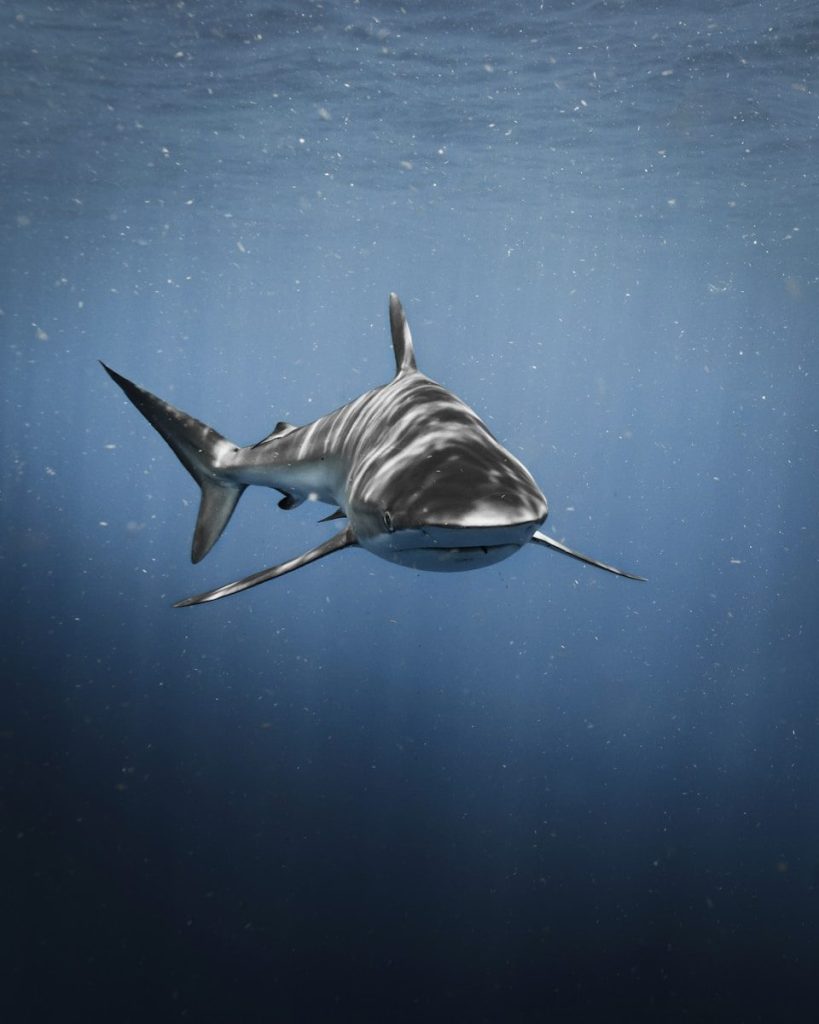
Hybridization happens when two closely related species mate and produce offspring. This process is uncommon in sharks because different species usually remain reproductively separate.
In eastern Australia, the ranges of the Australian blacktip shark and the common blacktip shark overlap. Because they share the same waters, occasional interbreeding can occur naturally without any human involvement.
DNA revealed what eyes could not
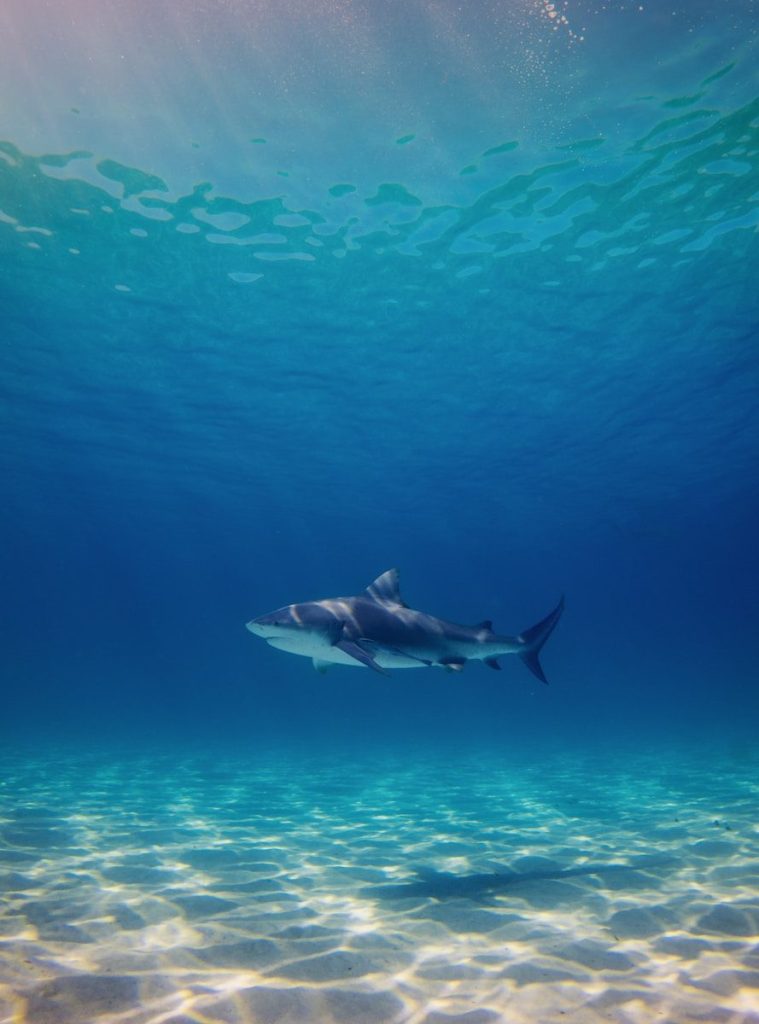
The two parent species look so similar that scientists cannot always tell them apart by appearance alone. Genetic testing was necessary to identify which sharks were pure species and which were hybrids.
Researchers combined DNA analysis with body measurements and vertebral counts to confirm the discovery. These techniques showed that hybrid sharks were much more widespread than anyone had expected.
Why the discovery matters
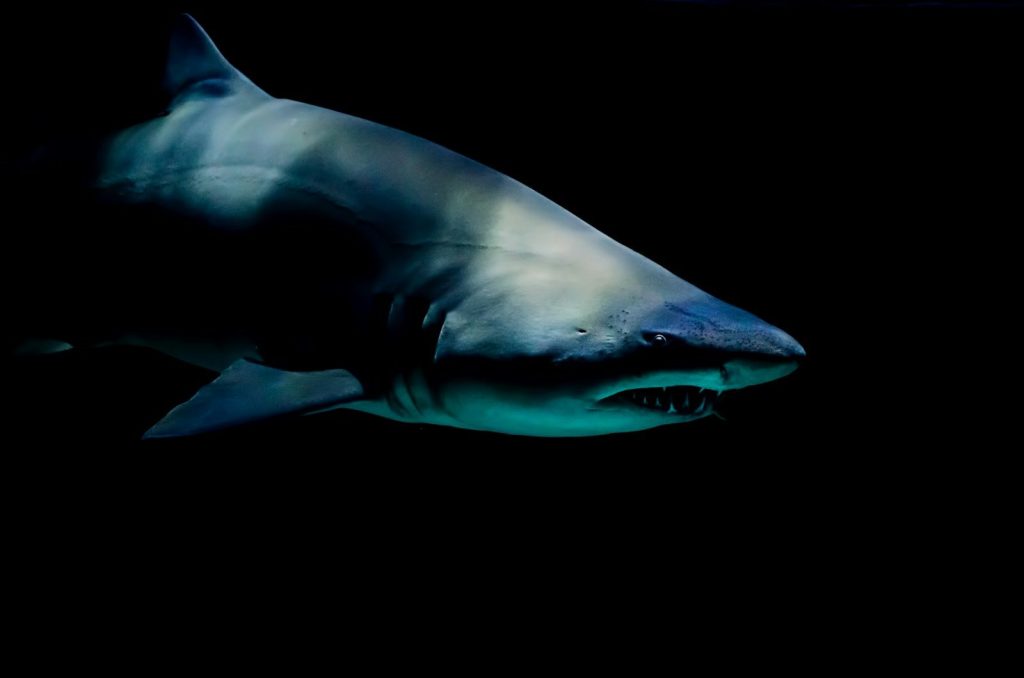
The existence of fertile hybrid sharks demonstrates that evolutionary boundaries are sometimes more flexible than scientists once believed. Closely related species may occasionally exchange genes while still remaining distinct species.
Some researchers have suggested that hybridization could help populations respond to changing environmental conditions by increasing genetic diversity. However, more research is needed before scientists know exactly how important this process is.
Sharks continue to surprise scientists
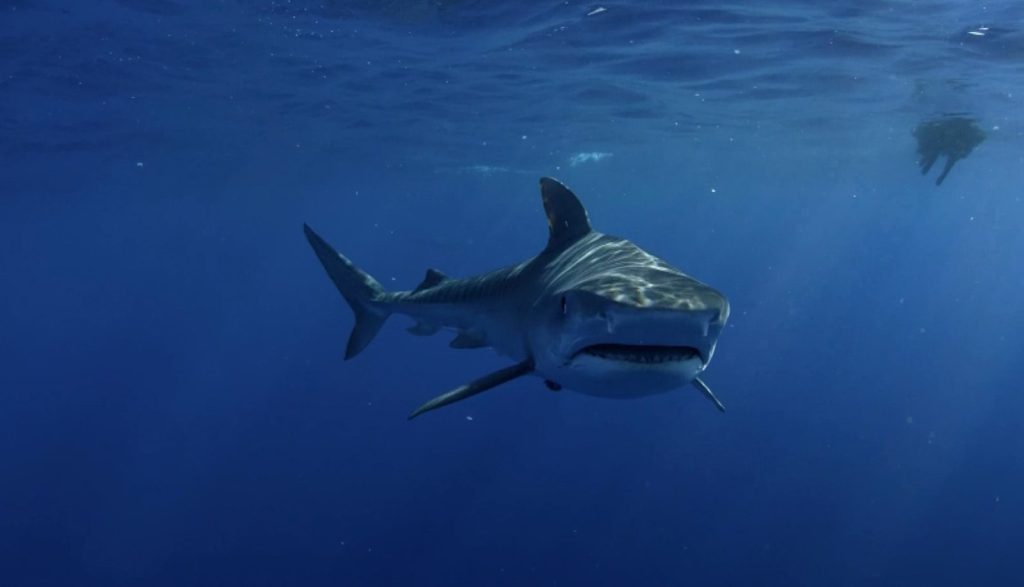
Hybrid sharks are only one example of how genetics is transforming marine biology. Modern DNA technology is helping researchers identify hidden species, trace migration patterns, and better understand shark evolution.
Many shark species remain difficult to study because they travel long distances and spend much of their lives far from shore. As genetic tools improve, scientists expect to make even more surprising discoveries.
Evolution is still happening today
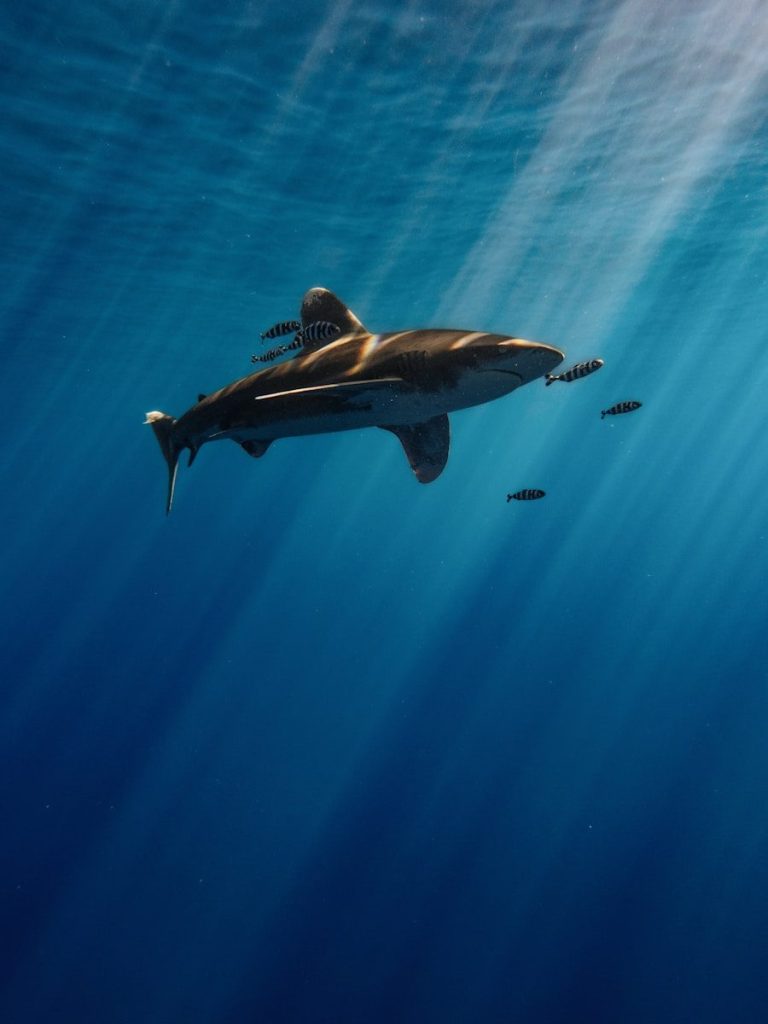
The discovery of hybrid sharks reminds us that evolution is an ongoing process rather than something that happened only in the distant past. Species continue to adapt, interact, and change as environments shift over time.
Instead of rewriting everything scientists know about sharks, the hybrids add another piece to a much larger puzzle. They show that nature can be more flexible and more complex than people often imagine.
Leave a Reply