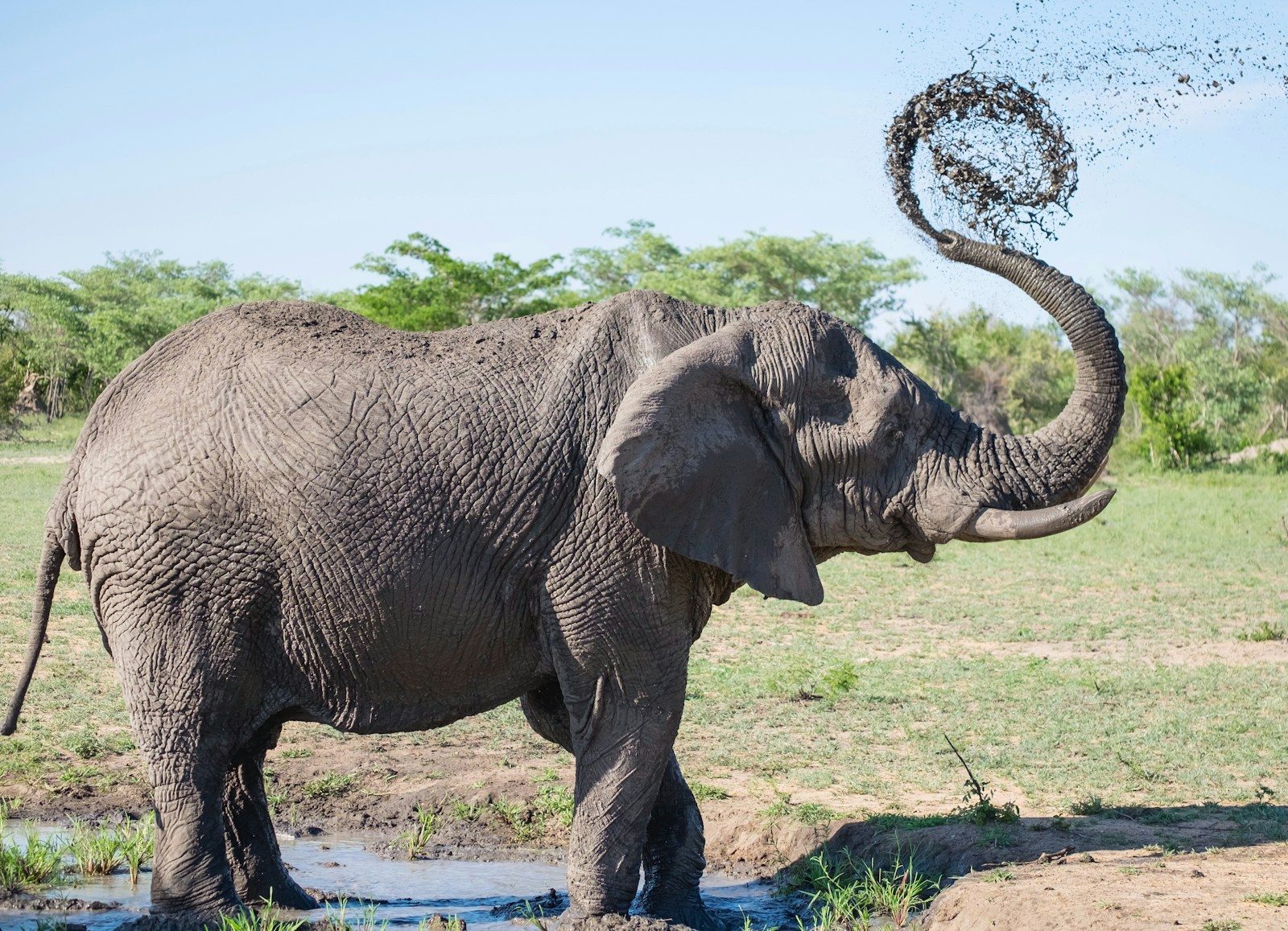
Elephants are famous for their intelligence, strong family bonds, and remarkable memory. In one widely shared video, an elephant quickly rushed into the water after appearing to believe its handler was in danger. The touching moment captured the animal’s immediate response and reminded millions of viewers how closely elephants can bond with the people who care for them.
While scientists are careful about assigning human emotions to animals, research shows that elephants regularly display complex social behaviors, cooperation, and protective instincts. This article explores what happened, why the behavior is so fascinating, and what science tells us about elephant intelligence.
The elephant reacted immediately
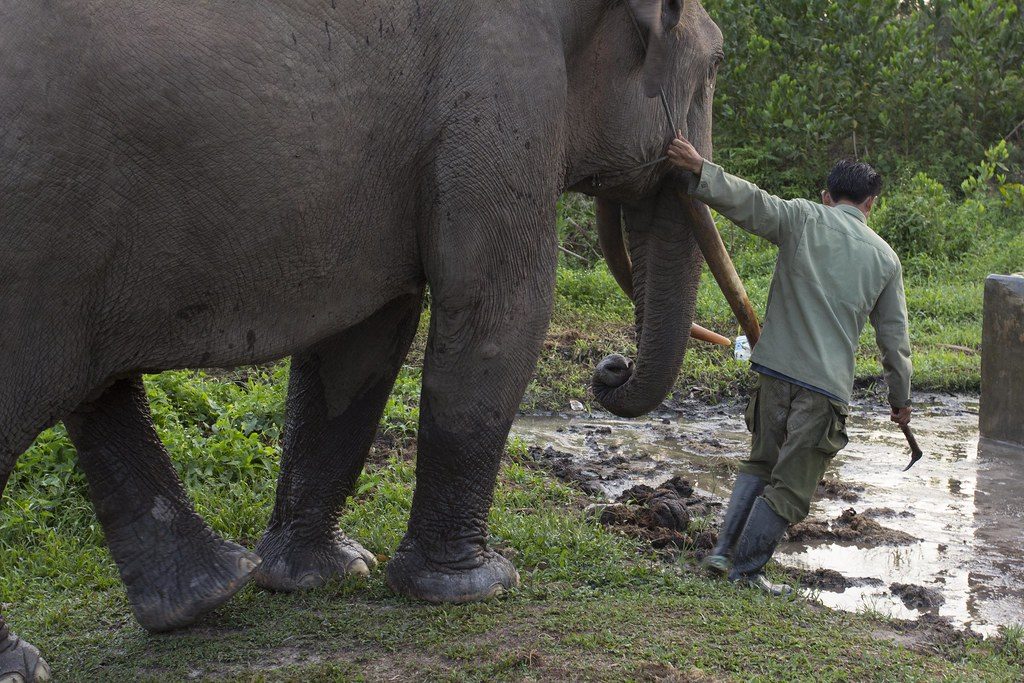
As the handler entered the water, the elephant quickly followed and moved toward the person without hesitation. The animal appeared determined to reach its caretaker as fast as possible, creating an unforgettable moment for everyone watching.
Observers believed the elephant may have interpreted the situation as an emergency. Although researchers cannot know exactly what the elephant was thinking, the rapid response demonstrated a strong awareness of its surroundings.
Elephants form strong social bonds
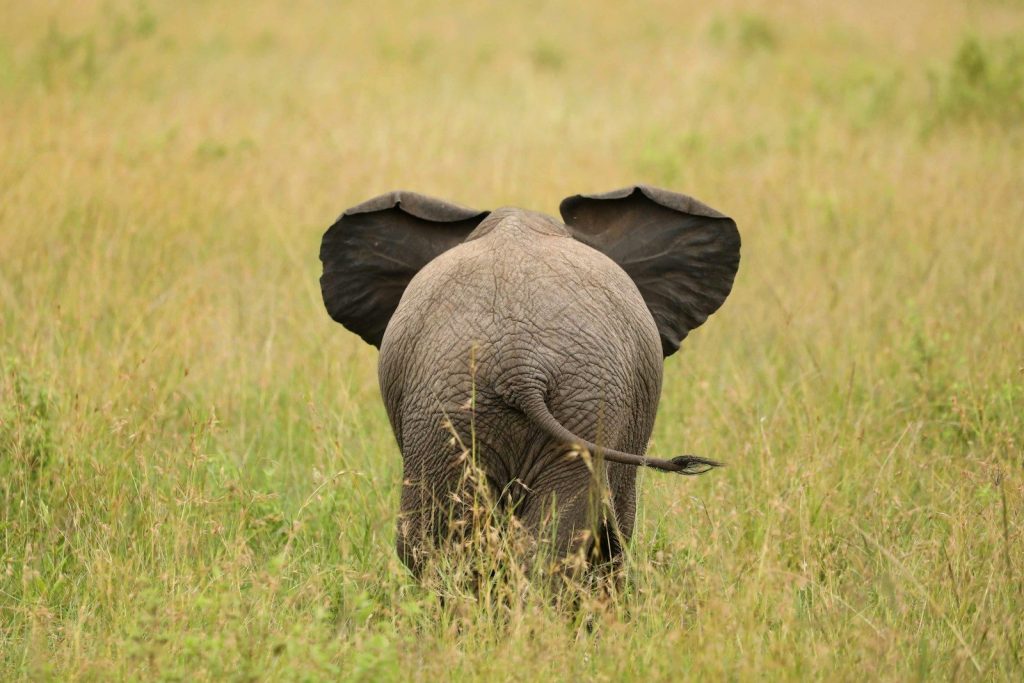
Wild elephants live in close family groups where cooperation is essential for survival. They communicate constantly and often work together to protect calves and assist injured herd members.
Scientists have documented elephants helping one another during difficult situations, including supporting weak individuals, defending companions, and responding to signs of distress. These behaviors highlight their complex social lives.
Intelligence plays an important role
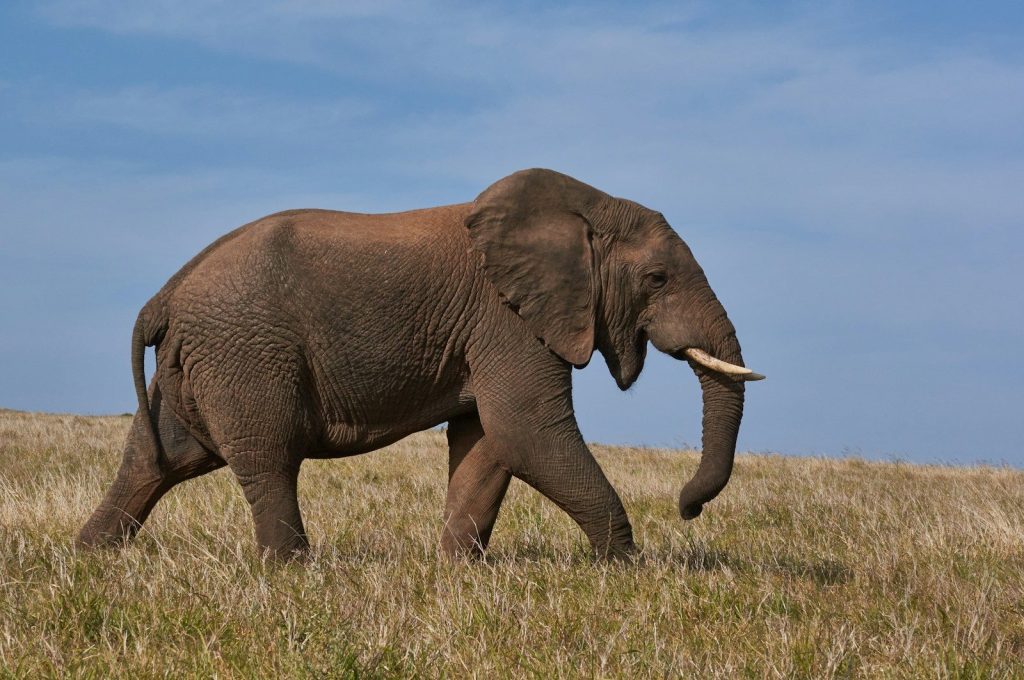
Elephants possess some of the largest brains of any land animal. They can recognize individuals, remember important locations, solve problems, and learn from experience.
Researchers also believe elephants are capable of flexible decision-making. Rather than reacting only through instinct, they often adjust their behavior based on changing situations and past experiences.
Human and elephant relationships
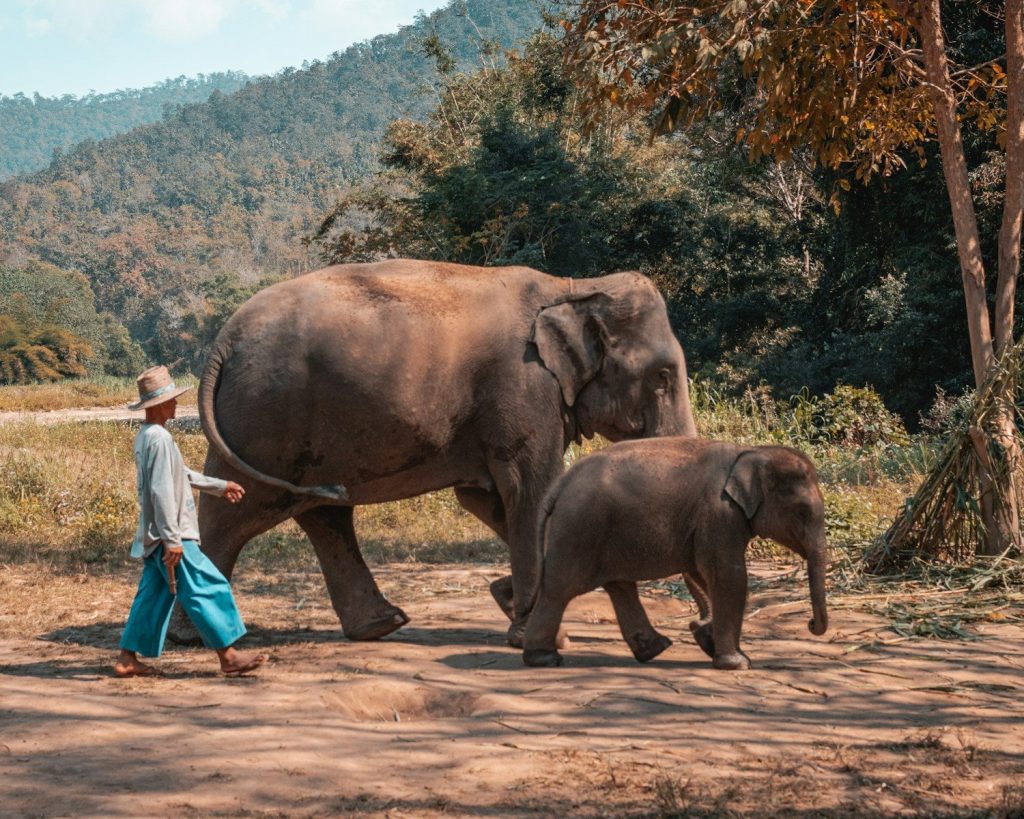
People who work closely with elephants often develop long-term relationships built on trust and familiarity. Daily interaction allows both humans and elephants to recognize each other’s behaviors and routines.
Even so, elephants remain powerful wild animals that deserve respect. Their behavior can change depending on their environment, health, stress level, and previous experiences.
Scientists study helping behavior carefully
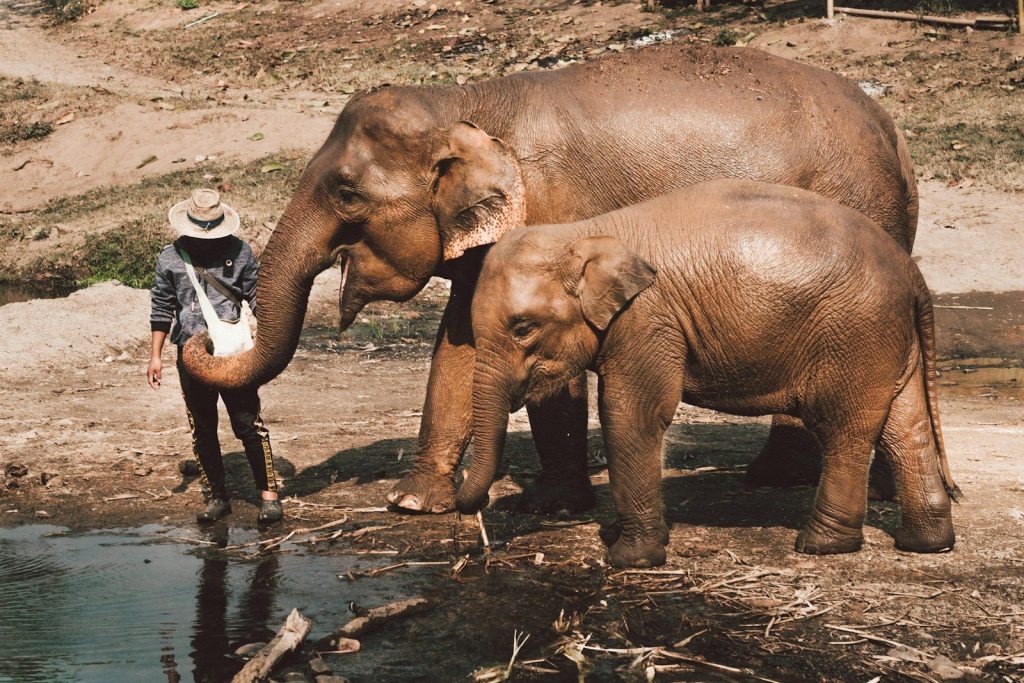
Researchers are interested in moments when elephants appear to assist others because these events may provide clues about animal cognition. However, scientists avoid assuming an animal experiences events exactly as humans do.
Instead, they focus on careful observation and repeated evidence. Studying many similar behaviors over time helps researchers better understand how elephants respond to companions that appear to need help.
A reminder of nature’s complexity
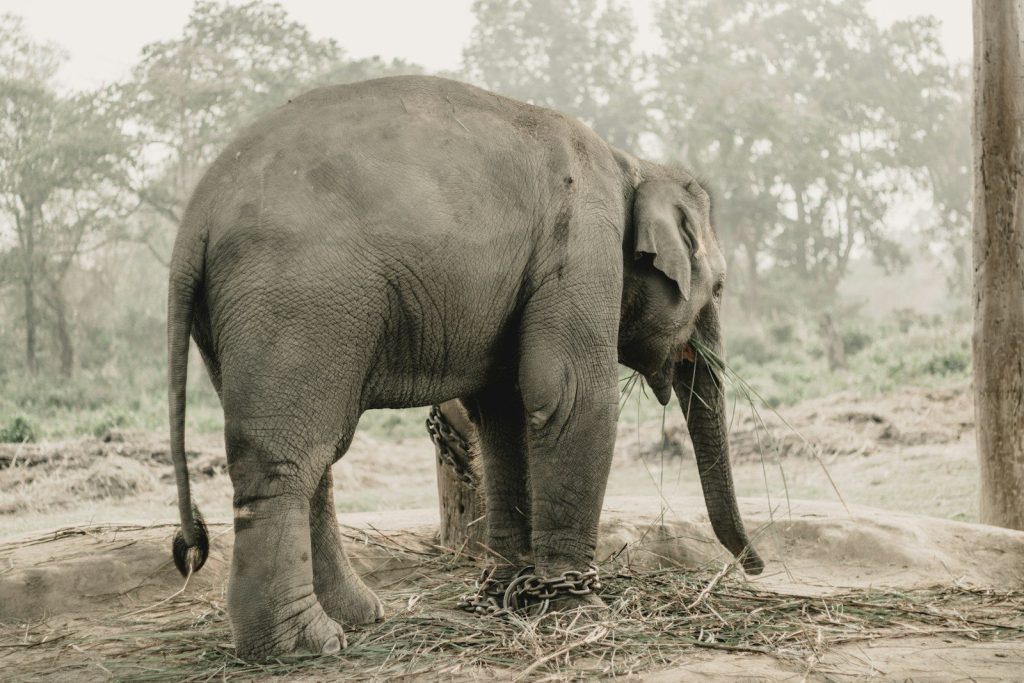
The video captured a remarkable interaction that inspired people around the world. Whether the elephant believed its handler was truly in danger or simply responded to an unusual situation, the behavior reflected the species’ extraordinary awareness and social nature.
Every observation like this helps scientists ask new questions about intelligence, communication, and cooperation in one of Earth’s most remarkable animals. It also reminds us why elephant conservation remains so important.
Leave a Reply