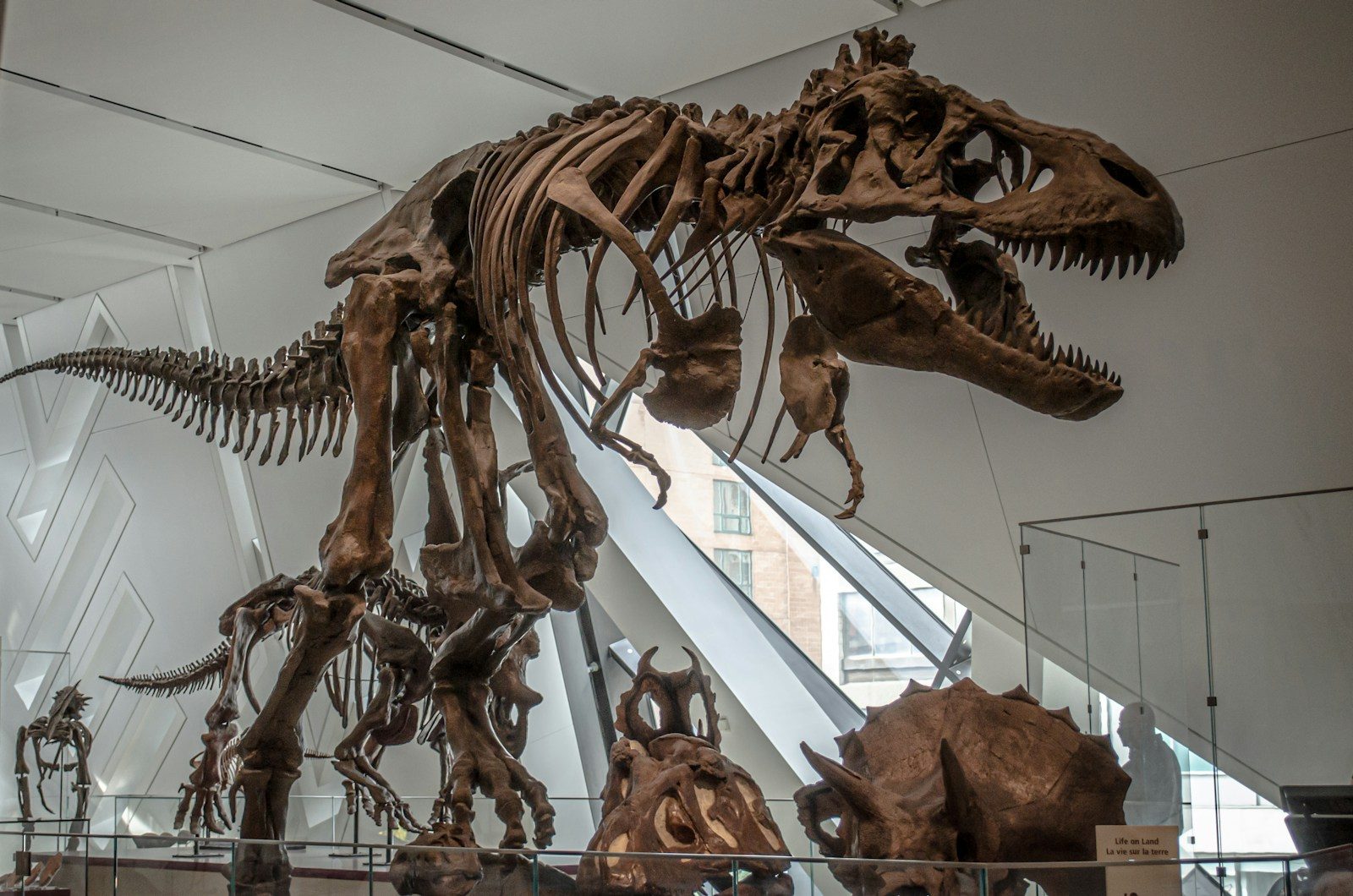
Tyrannosaurs are usually pictured as fearless hunters chasing large prey across ancient landscapes. However, a remarkable fossil discovery has revealed another side of these famous dinosaurs. Scientists found bite marks showing that a smaller tyrannosaur fed on the remains of a much larger relative about 75 million years ago.
Instead of wasting an available food source, the dinosaur appears to have scavenged a carcass that was already dead. The discovery helps researchers better understand how tyrannosaurs survived and shows that even the greatest predators sometimes relied on easy meals.
A forgotten fossil revealed new evidence
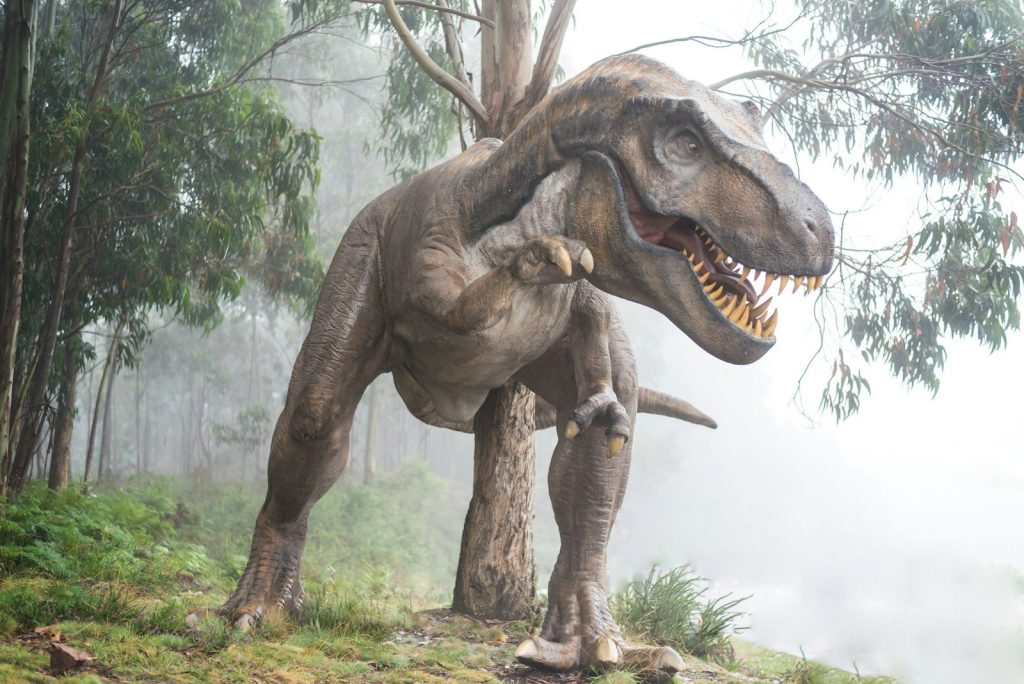
The fossil is a metatarsal, a foot bone, discovered in Montana’s Judith River Formation. This region preserves one of the richest records of Late Cretaceous dinosaurs in North America.
Josephine Nielsen of Aarhus University used detailed 3D scanning to examine the fossil. Her analysis identified 16 distinct bite marks that matched the teeth of a smaller tyrannosaur.
The bite marks tell an important story
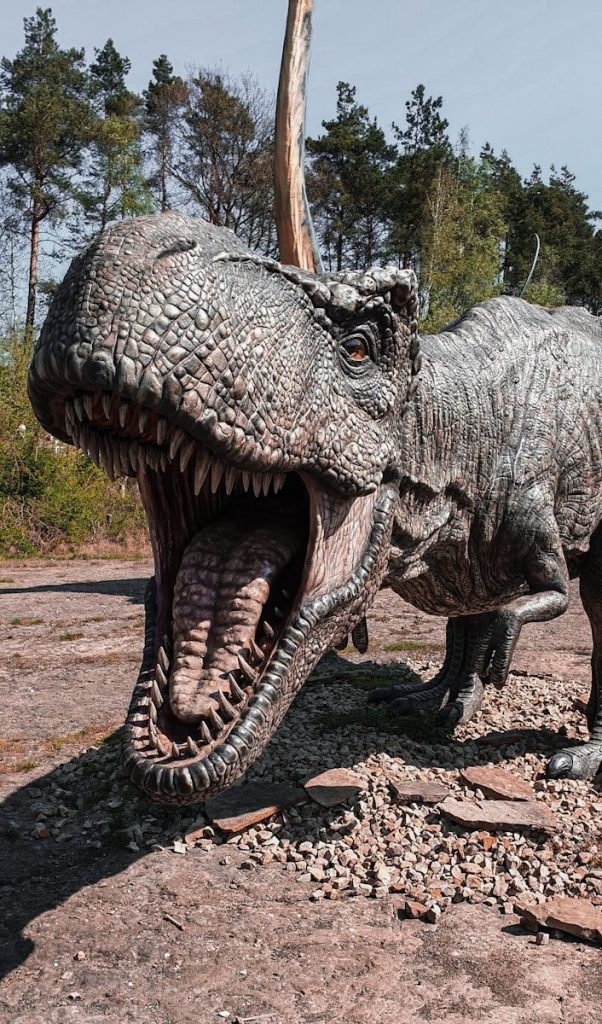
Researchers carefully studied the depth, angle, and placement of every tooth mark. The pattern showed the bites were not random damage but the result of repeated feeding by another tyrannosaur.
Because the marks were located on a foot bone with very little remaining meat, scientists concluded the scavenger was cleaning the last edible tissue from an old carcass. There were no signs that the injured dinosaur survived after the bites.
Tyrannosaurs did not waste food
Large predators often take advantage of easy food when it becomes available. Rather than risking injury by hunting, scavenging allows animals to gain energy with much less effort.
The fossil suggests tyrannosaurs behaved in a similar way. Even though bones with very little flesh were worth eating when food was available, showing these dinosaurs were practical feeders rather than hunters alone.
Modern technology solved an ancient mystery
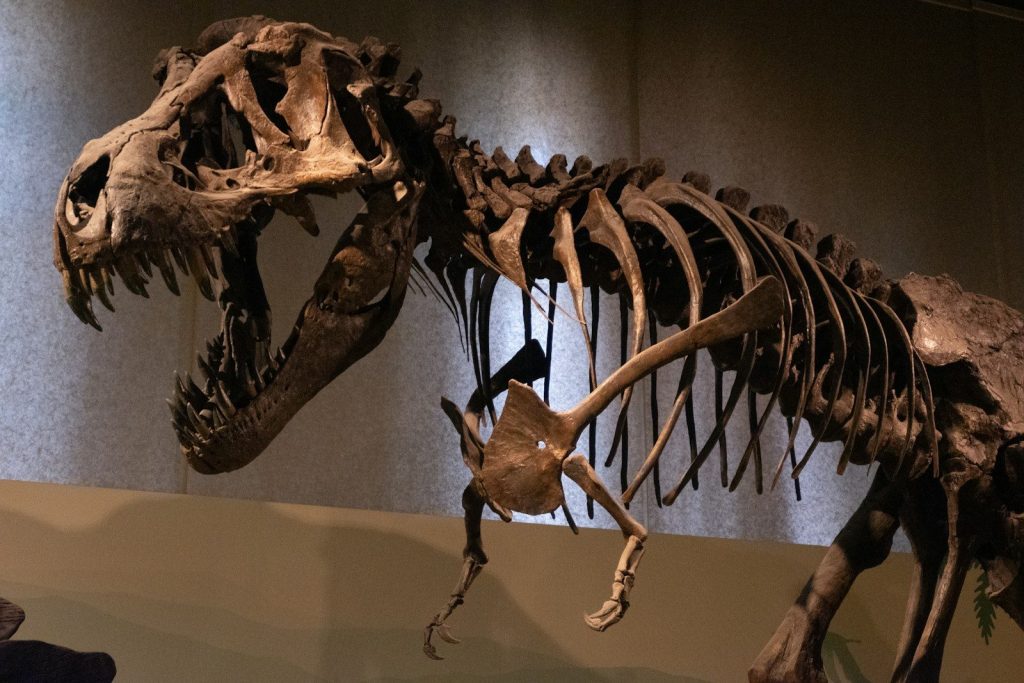
Instead of studying only the fossil itself, researchers created a highly detailed digital model using advanced 3D scanning. This allowed them to examine tiny details without damaging the original specimen.
The digital reconstruction helped scientists compare the bite marks from different angles and confirm they matched tyrannosaur teeth. Modern imaging techniques continue to reveal new information from fossils collected many years ago.
Dinosaur behavior was more flexible than expected
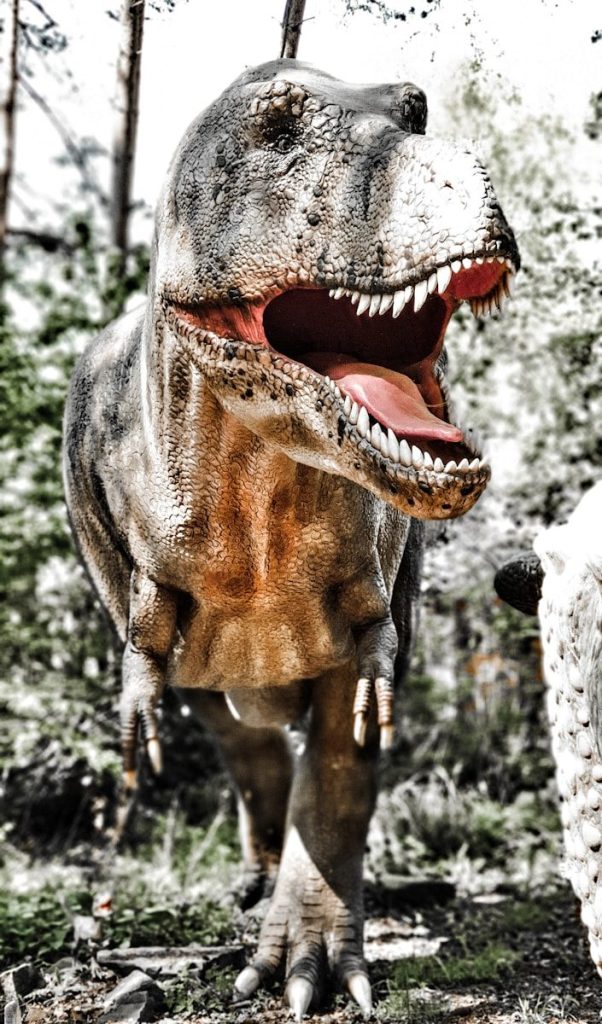
The discovery reminds scientists that extinct predators probably behaved much like living carnivores. Lions, wolves, crocodiles, and many other predators hunt when necessary but also scavenge whenever the opportunity appears.
Rather than seeing tyrannosaurs as only relentless hunters, researchers now recognize them as adaptable animals capable of using different feeding strategies depending on the situation.
Small fossils can answer big questions
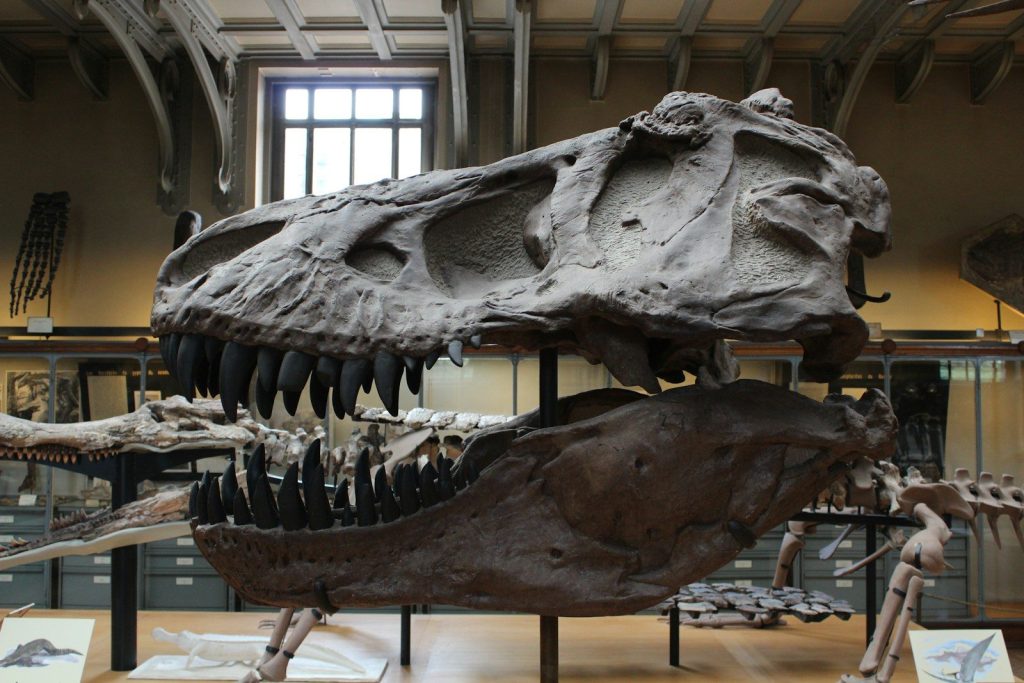
Although the fossil consists of only a single foot bone, it provides valuable evidence about dinosaur behavior that cannot be learned from skeletons alone. Bite marks preserve direct evidence of interactions between ancient animals.
Scientists believe many museum fossils still contain overlooked clues waiting to be discovered. Careful study with modern technology continues to reveal new details about how dinosaurs lived, fed, and survived millions of years ago.
Leave a Reply