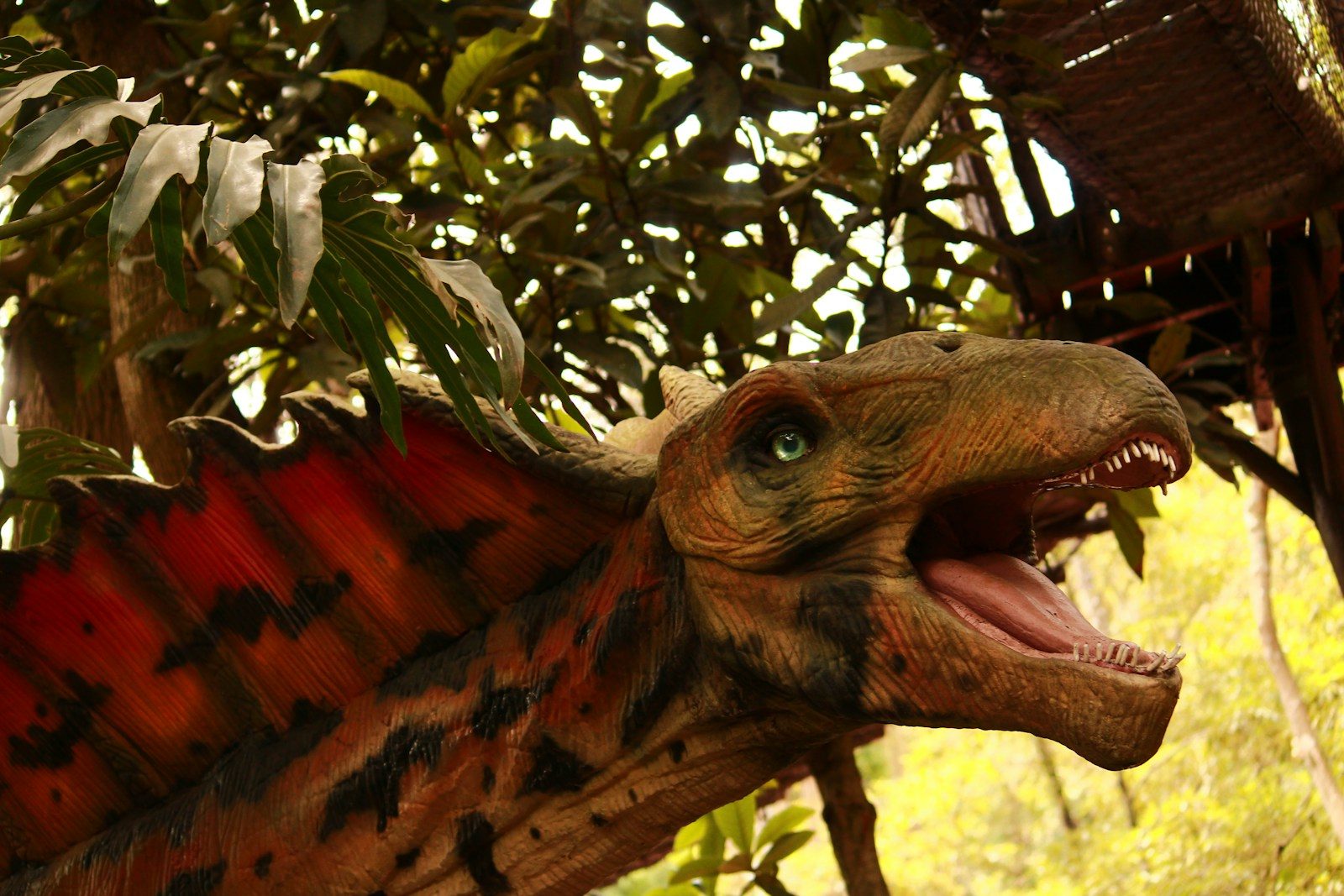
A newly discovered dinosaur fossil from the Sahara Desert is attracting worldwide attention because of its extraordinary appearance. The skull features a long, crocodile-like snout, large, interlocking teeth, and an enormous, curved crest rising above its eyes.
While many people online have compared it to the dragons of ancient legends, scientists say it belongs to a newly identified species of Spinosaurus called Spinosaurus mirabilis. The remarkable discovery provides fresh insight into one of the world’s most unusual predatory dinosaurs and how it lived nearly 95 million years ago.
Scientists discovered a new Spinosaurus species
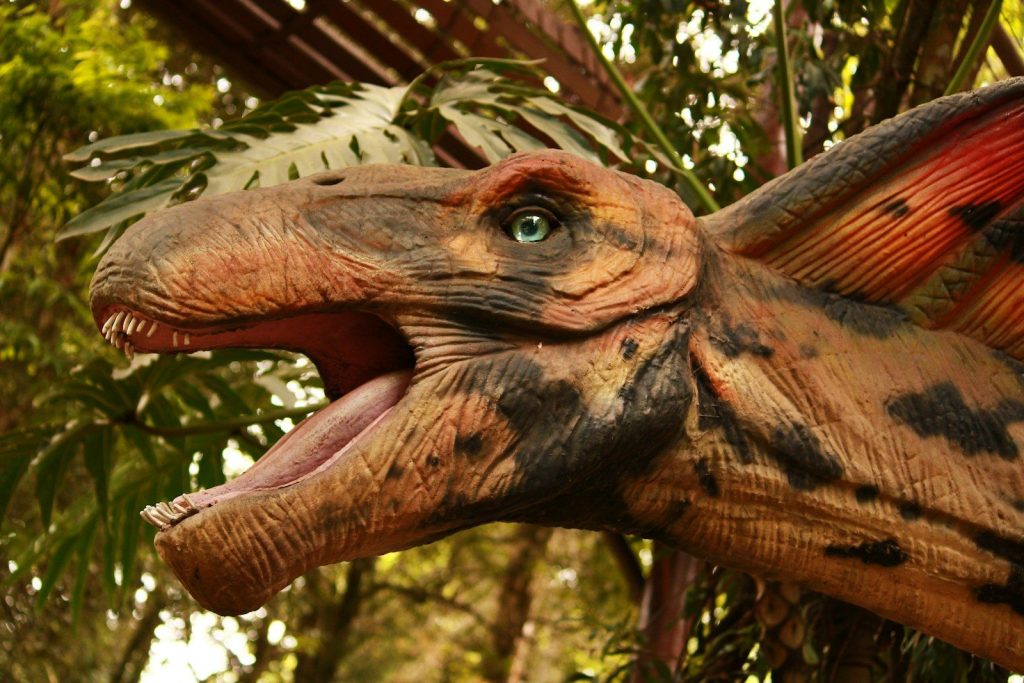
An international team led by University of Chicago paleontologist Paul Sereno uncovered the fossils in a remote region of Niger within the central Sahara. The species was formally named Spinosaurus mirabilis in 2026 after a detailed study of the skull and other fossil remains.
Researchers described it as the first clearly identified new species of Spinosaurus in more than a century. The fossils help fill important gaps in the evolution of this famous group of fish-eating dinosaurs.
The skull resembles legendary dragons
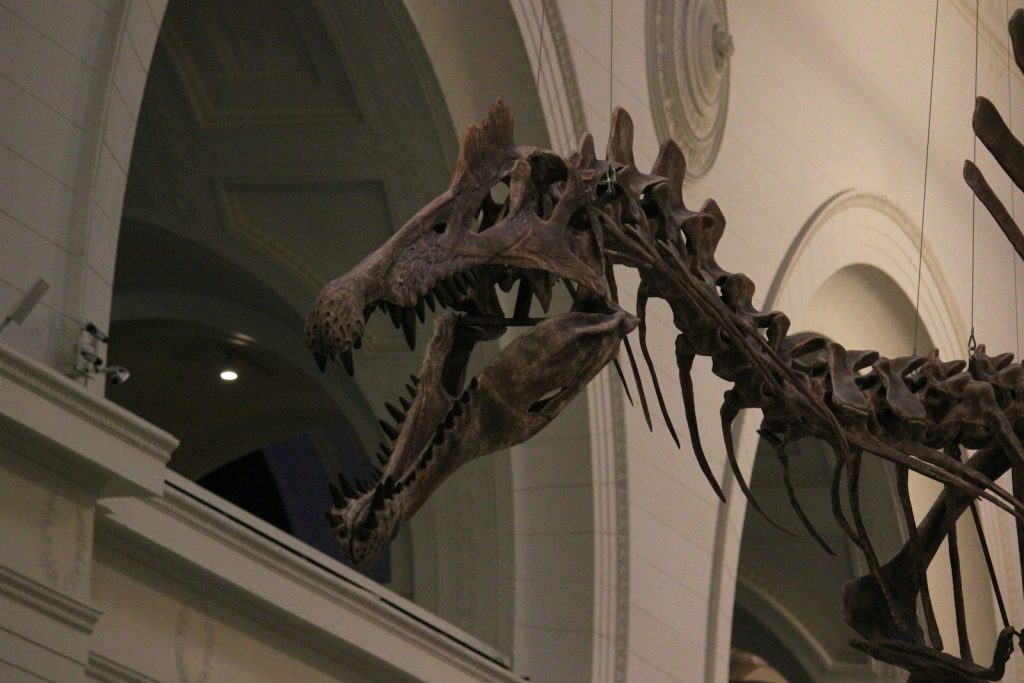
The fossil’s most striking feature is a tall, curved crest running along the top of its skull. Scientists describe the crest as scimitar-shaped because it resembles the curved blade of a traditional sword.
Combined with its long snout and large teeth, the skull has reminded many people of dragons from mythology. However, researchers emphasize that this resemblance is simply visual and does not connect dragons with real prehistoric animals.
It hunted fish instead of large dinosaurs
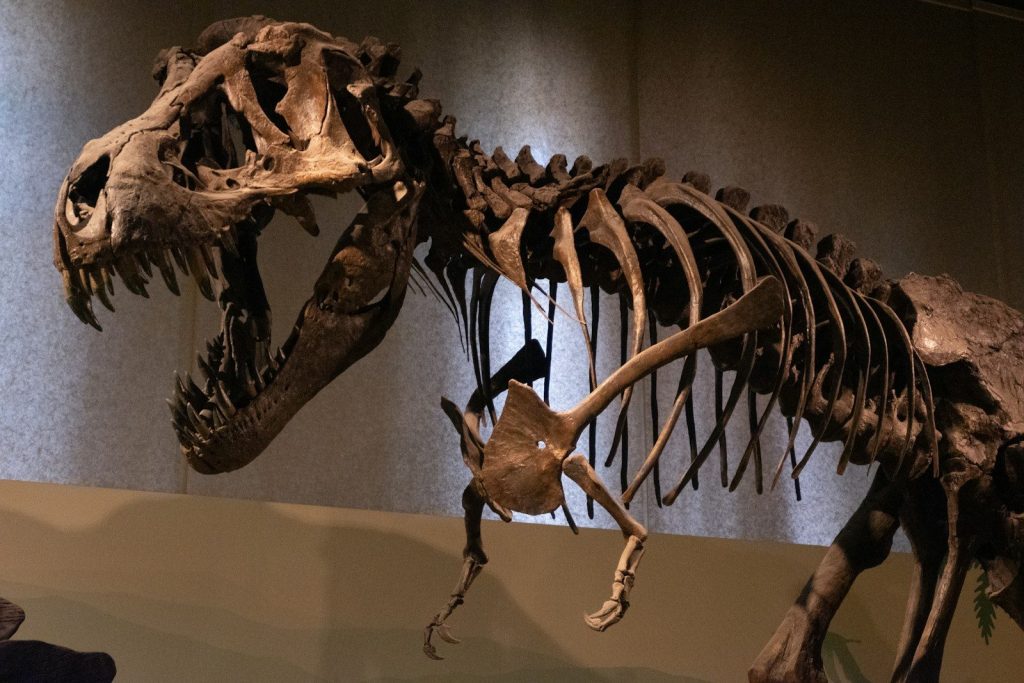
Unlike predators such as Tyrannosaurus rex, Spinosaurus mirabilis was highly specialized for catching fish. Its long jaws and interlocking teeth were ideal for gripping slippery prey in shallow rivers and wetlands.
Scientists believe the dinosaur often stood in water while searching for fish, earning it the nickname “Hell Heron” because its hunting style resembled that of modern wading birds.
Ancient Sahara looked nothing like today

Although the fossils were found in one of Earth’s largest deserts, the environment 95 million years ago was dramatically different. Rivers, lakes, and lush vegetation covered much of the region during the Cretaceous Period.
These waterways supported enormous fish, crocodile relatives, turtles, and several giant predatory dinosaurs that lived alongside Spinosaurus mirabilis.
The discovery changes what scientists believed
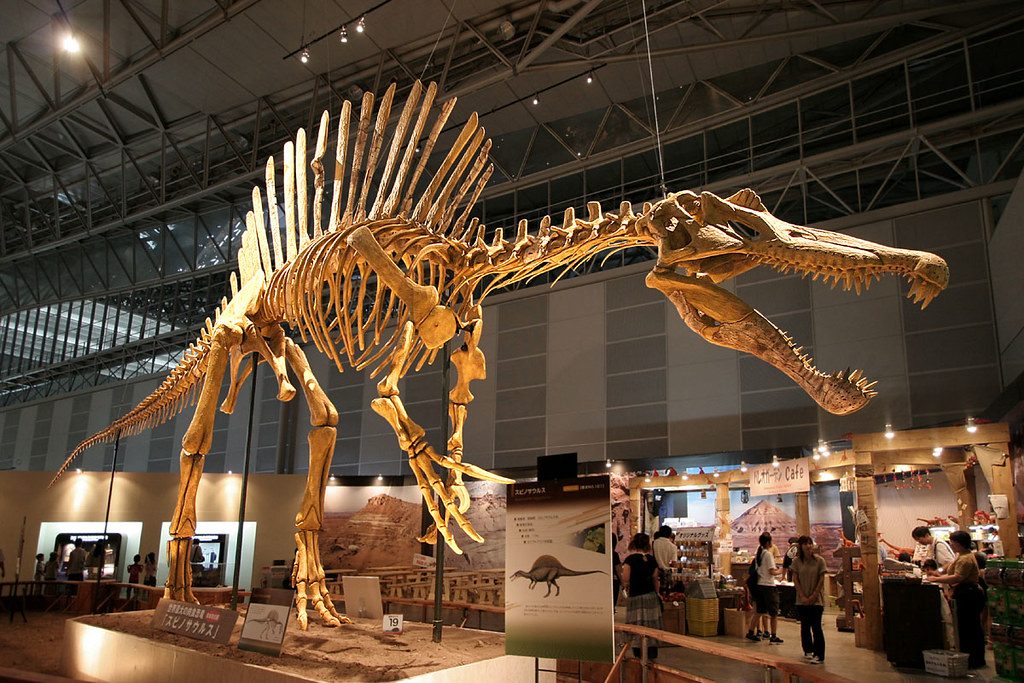
Earlier Spinosaurus fossils were mostly found closer to ancient coastlines. The new inland discovery suggests these dinosaurs occupied a wider range of freshwater environments than previously recognized.
Researchers also believe the unusual skull crest was probably used for visual display, helping attract mates or communicate with rivals rather than serving as a weapon.
New fossils continue rewriting dinosaur history
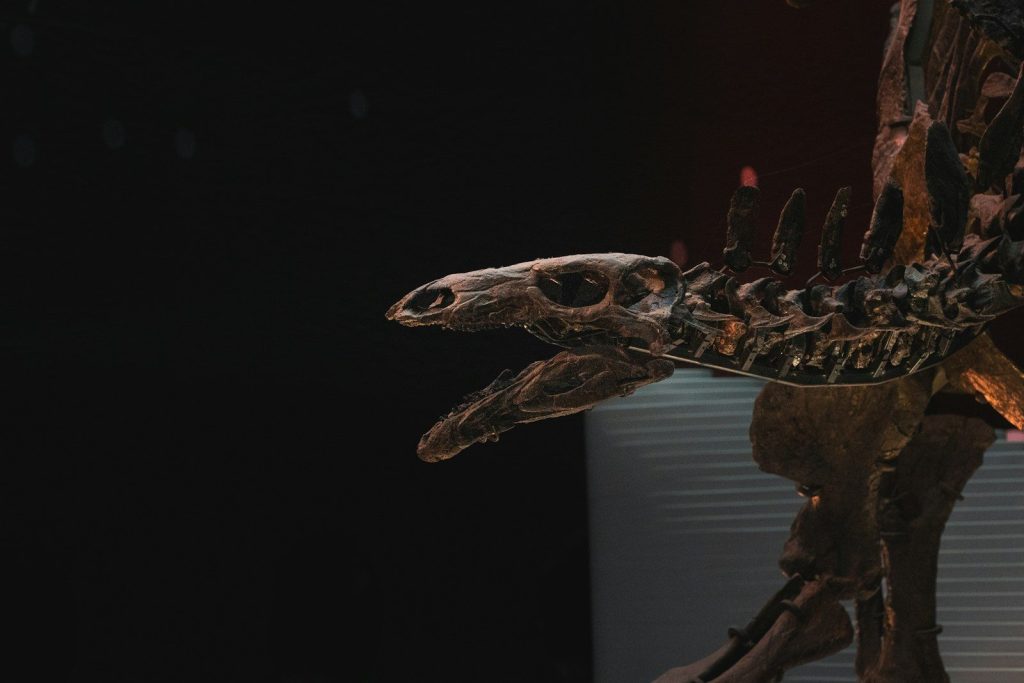
Each newly discovered species helps paleontologists better understand how dinosaurs evolved over millions of years. Even famous groups like Spinosaurus continue to surprise researchers with unexpected adaptations.
Scientists expect further excavations in the Sahara to uncover additional fossils that reveal how these remarkable predators lived in one of Earth’s richest prehistoric ecosystems.
Leave a Reply