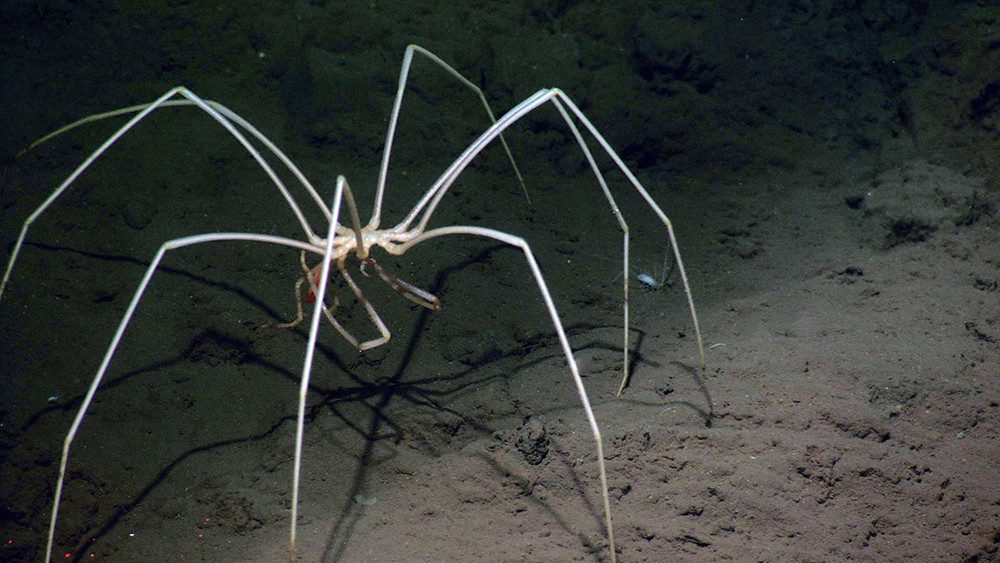
Thousands of meters beneath the ocean’s surface, sunlight disappears, temperatures hover just above freezing, and food becomes incredibly scarce. Yet in this harsh environment, some animals grow into giants. Giant squid, giant isopods, colossal squids, and sea spiders, much larger than dinner plates, all inhabit the deep sea.
Scientists call this phenomenon deep-sea gigantism, but despite decades of research, they still debate exactly why it happens. The answer likely involves several environmental pressures working together rather than a single cause.
Deep-sea gigantism is a real phenomenon
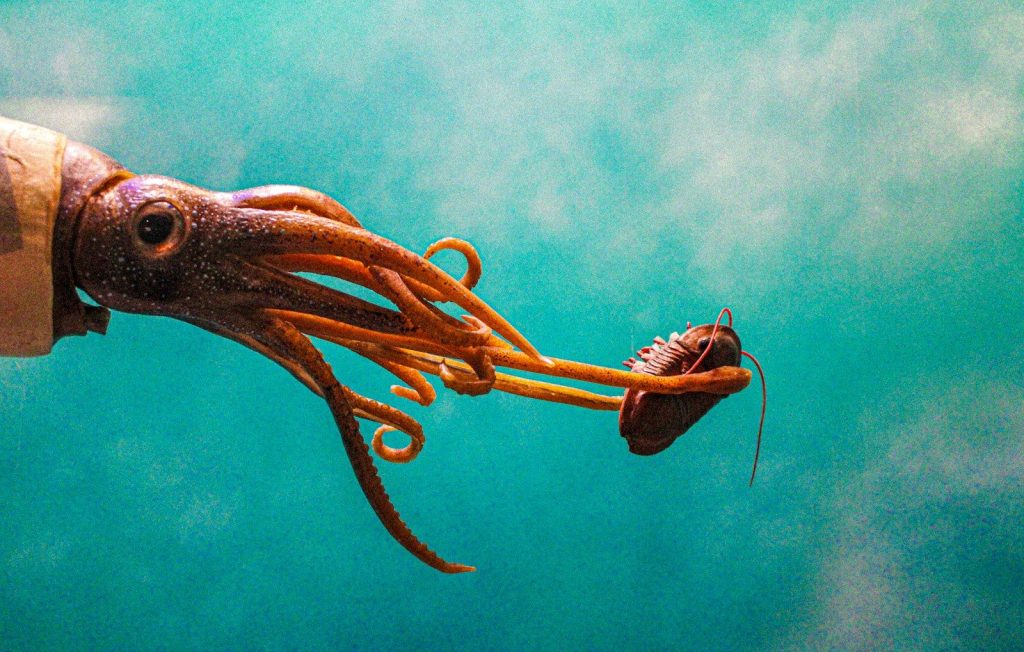
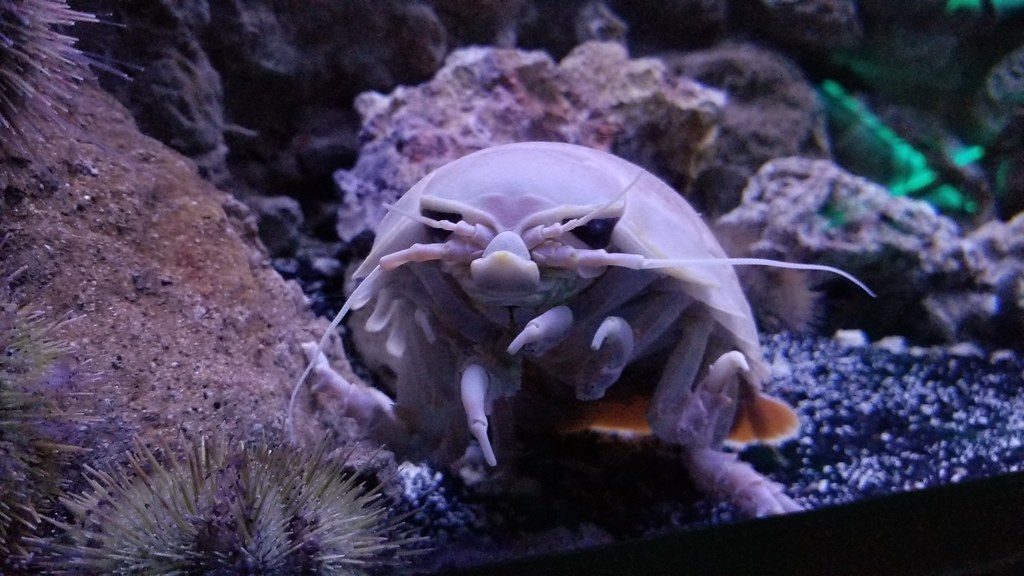
Deep-sea gigantism describes the tendency for some deep-sea species to become much larger than their shallow-sea relatives. Well-known examples include giant isopods, colossal squid, giant squid, giant sea spiders, and giant amphipods.
However, gigantism is not universal. Marine biologist Craig McClain notes that most deep-sea animals are actually smaller, making giant species rare exceptions that continue to puzzle researchers.
Food scarcity may favor larger bodies
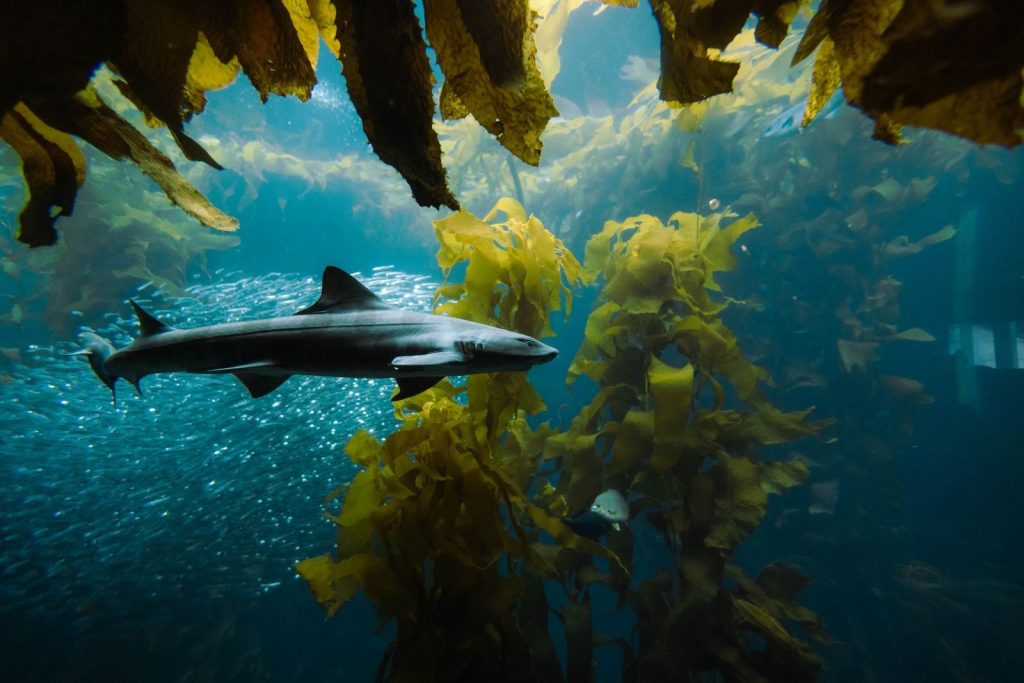
One leading theory focuses on the limited food available in the deep ocean. With almost no plants growing in complete darkness, animals often depend on organic material drifting down from the surface or on rare prey encounters.
Larger bodies may help animals travel farther while searching for food and store greater energy reserves. Giant isopods, for example, can survive for months or even years between meals after consuming large food sources.
Cold water slows metabolism
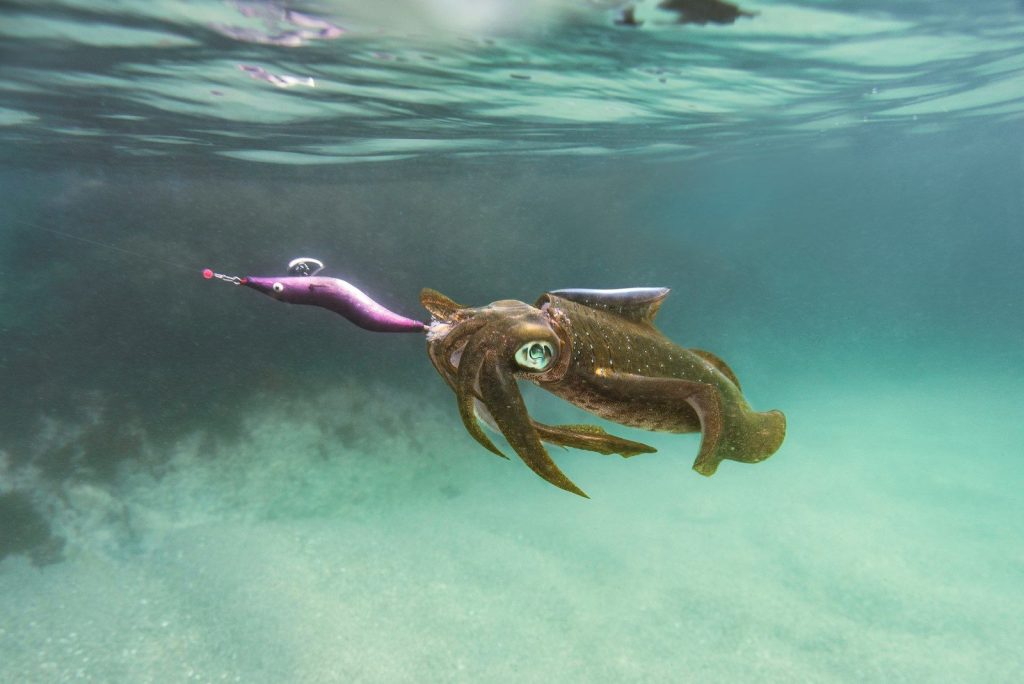
Another explanation involves temperature. Deep ocean water remains close to 4°C throughout much of the abyss, slowing metabolism and extending life spans. Slower growth can allow some animals to continue growing over longer periods before reaching maximum size.
This idea is related to Bergmann’s rule, which suggests that many animals living in colder environments tend to be larger than those living in warmer climates. However, temperature alone cannot explain every giant deep-sea species.
Oxygen may also play a role

Cold water holds more dissolved oxygen than warmer water. Some researchers propose that greater oxygen availability allows certain deep-sea animals to support larger body sizes despite the challenging environment.
This oxygen-temperature hypothesis remains actively debated because oxygen levels vary across different depths and regions of the ocean. Scientists believe oxygen probably contributes alongside several other environmental factors.
Evolution follows different paths
Not every deep-sea species becomes enormous. Research suggests evolution often pushes body sizes toward an intermediate range. Small shallow-water species may evolve larger bodies, while already large species sometimes become smaller after adapting to deep-sea conditions.
This pattern resembles the “island rule,” where isolated environments drive both gigantism and dwarfism depending on the species’ original size.
Climate change could reshape the deep sea
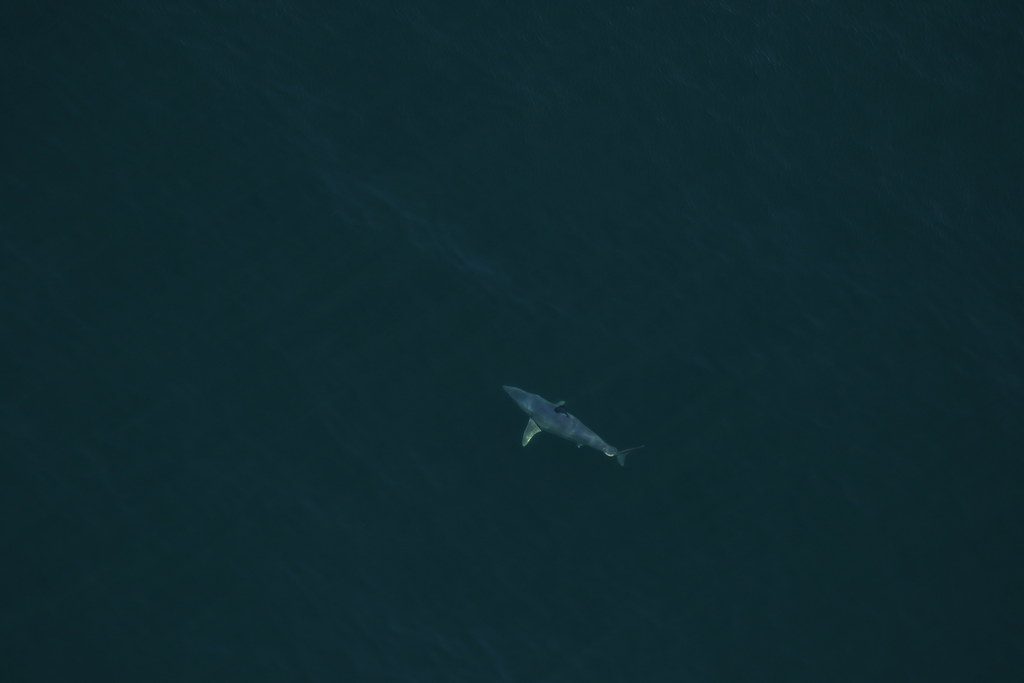
Because deep-ocean temperatures remain remarkably stable over long periods, even small increases caused by climate change may affect these highly specialized ecosystems. Warmer water could reduce oxygen availability and alter food supplies reaching the seafloor.
Scientists are still studying whether future warming could reduce the size of deep-sea giants or threaten species that evolved under stable conditions over millions of years.
Leave a Reply