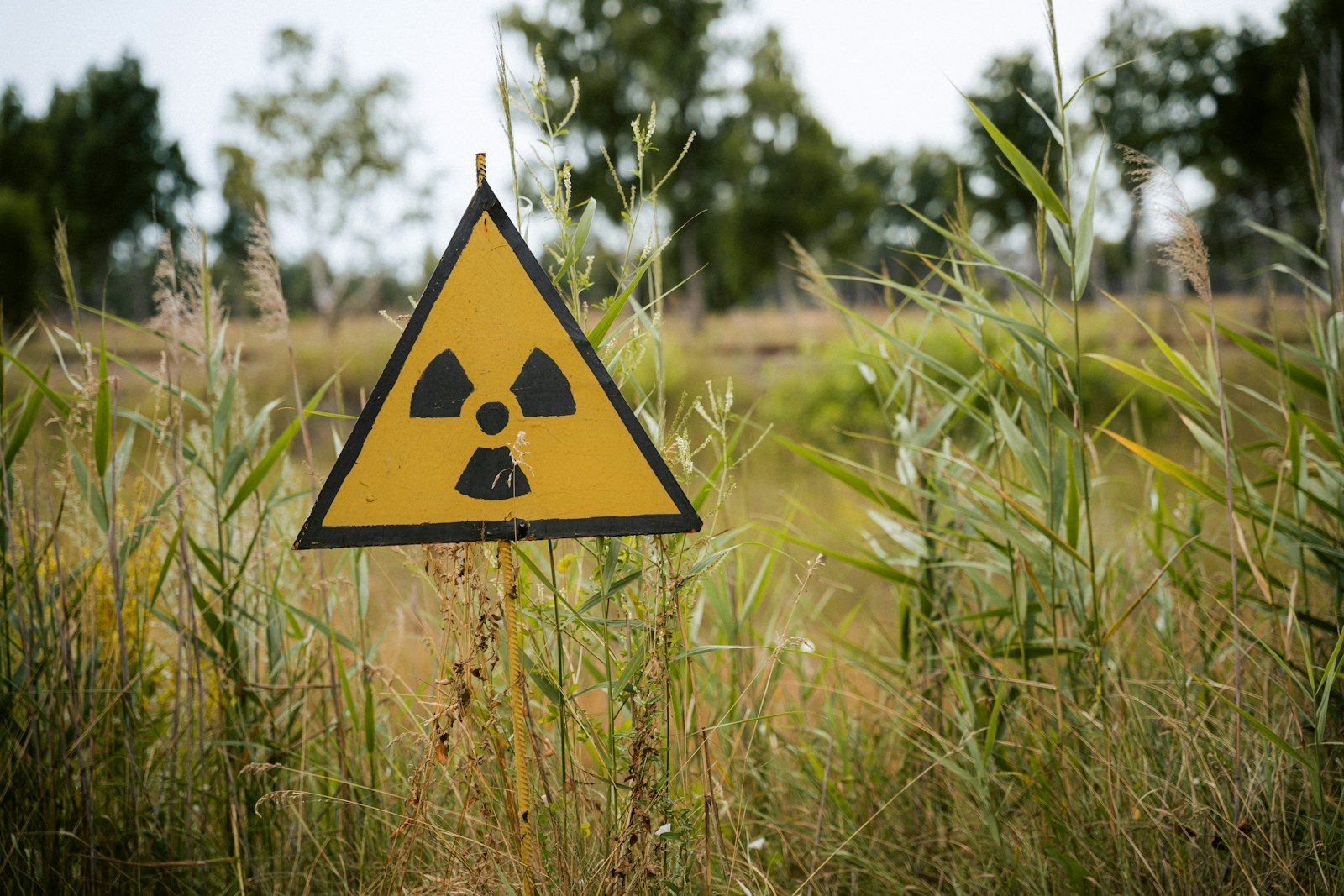
Nuclear accidents leave more than abandoned buildings behind. They also expose plants and animals to long-term radiation that can interact with DNA inside living cells. In places like the Chernobyl Exclusion Zone and parts of Fukushima, wildlife has returned despite the contamination.
Scientists are now studying how decades of radiation exposure may be affecting genes, reproduction, and survival. While some species show signs of genetic damage, others appear to be thriving, making these regions some of the world’s most important natural laboratories.
Radiation can damage DNA
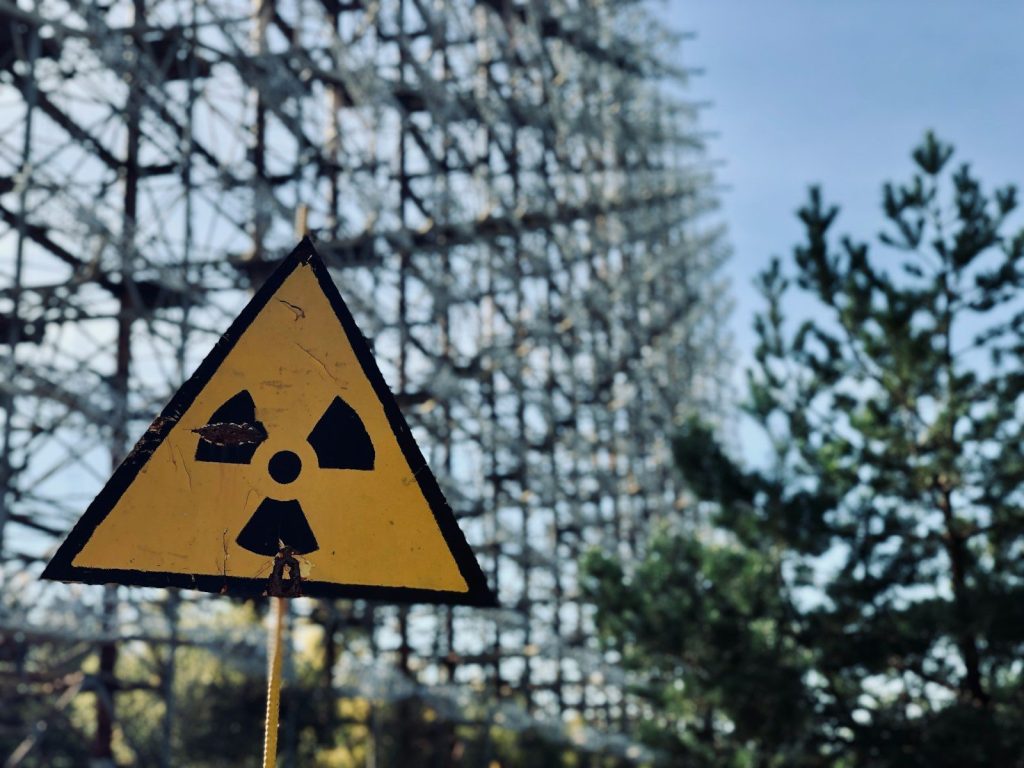
Ionizing radiation carries enough energy to break chemical bonds inside DNA. If cells cannot fully repair this damage, mutations may occur as animals grow or reproduce.
Not every mutation is harmful. Some have little effect, while others can reduce survival or reproduction. Scientists are still investigating how often these changes persist across generations.
Wildlife has returned despite contamination
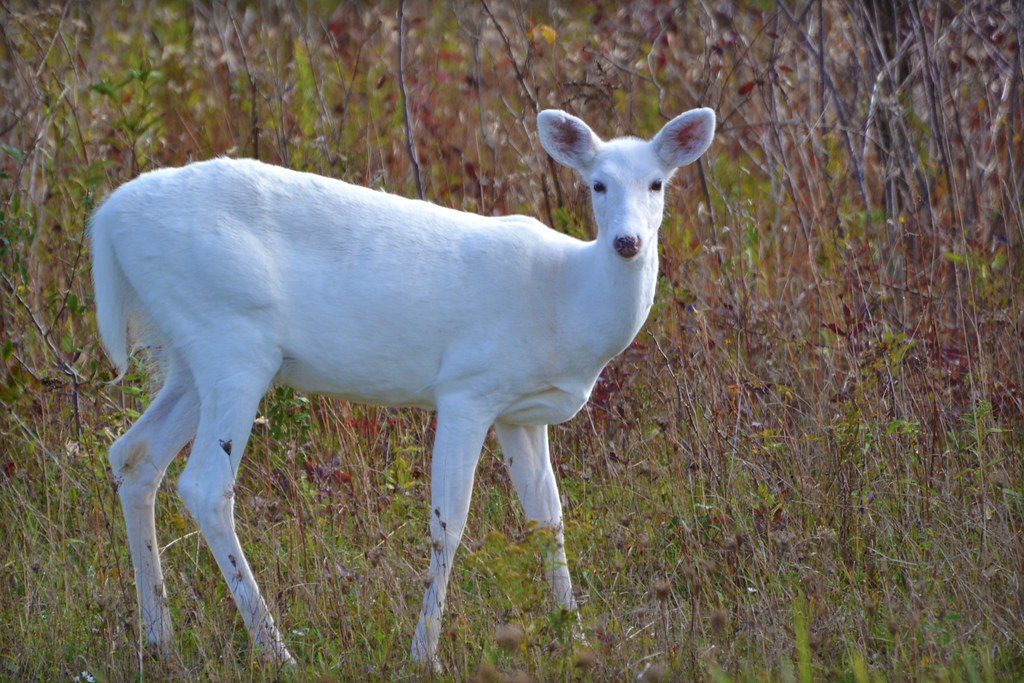
Since people have left many contaminated areas, forests and wetlands have become home to wolves, bears, deer, lynx, wild boar, birds, insects, and thousands of other species. Reduced hunting and human development have allowed many populations to recover.
Researchers caution that thriving populations do not necessarily mean radiation has become harmless. Different species respond differently depending on their biology and the amount of exposure they receive.
Scientists have detected genetic changes
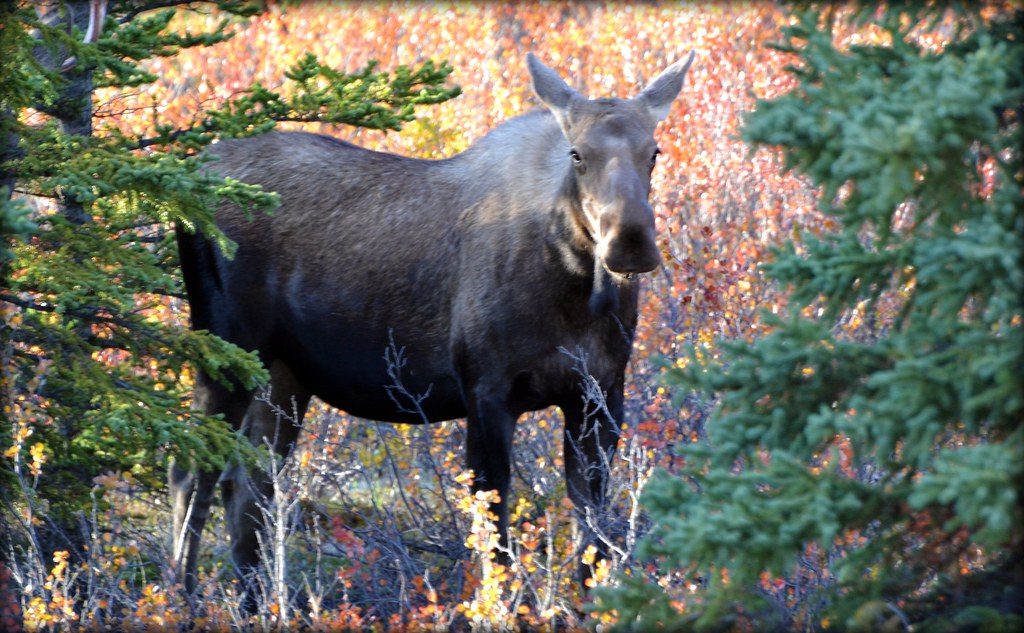
Studies of birds, insects, freshwater crustaceans, frogs, and small mammals have reported increased genetic damage or higher mutation rates in some highly contaminated areas. Some populations also show changes in reproduction, development, or physiology.
However, not every study finds the same pattern. Some species show little measurable genetic effect, demonstrating that radiation does not affect all organisms equally.
Adaptation is still being investigated

Some researchers believe certain populations may be developing biological traits that help them tolerate chronic radiation exposure. These could include improved DNA repair or stronger protection against cellular damage.
Even so, scientists stress that adaptation has not been proven for most species. Evolution is a slow process influenced by many environmental factors beyond radiation alone.
Nuclear zones provide unique research opportunities
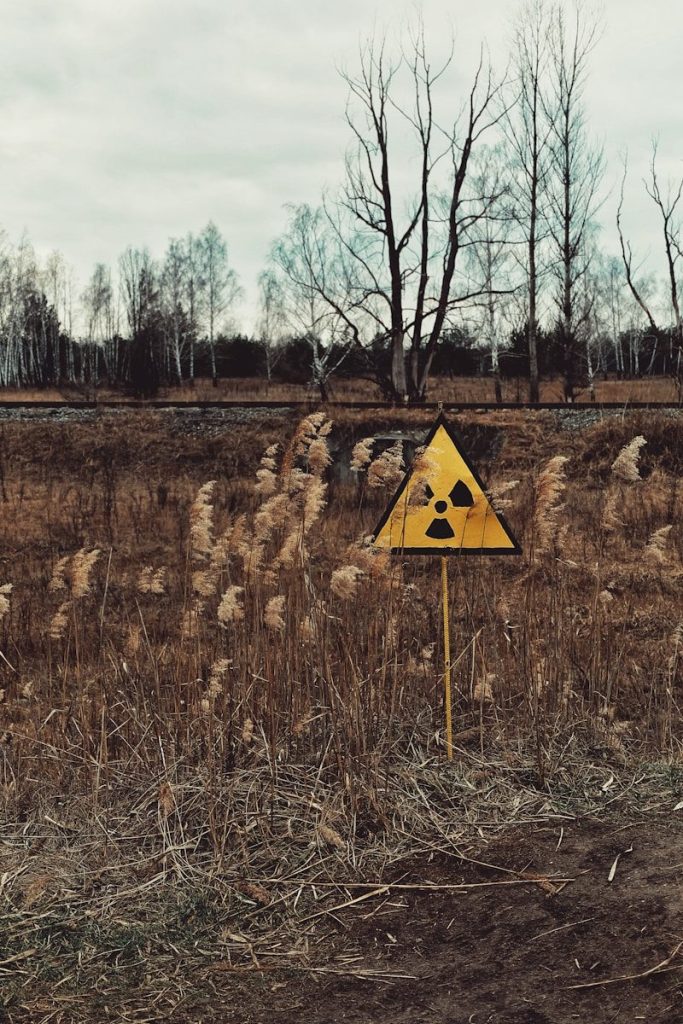
Because people rarely live inside these exclusion zones, researchers can observe wildlife in ecosystems with minimal human disturbance. This allows them to compare the effects of radiation with the effects of farming, cities, roads, and hunting.
The findings may also improve understanding of DNA repair, evolution, conservation, and how living organisms respond to extreme environments.
Many questions remain unanswered
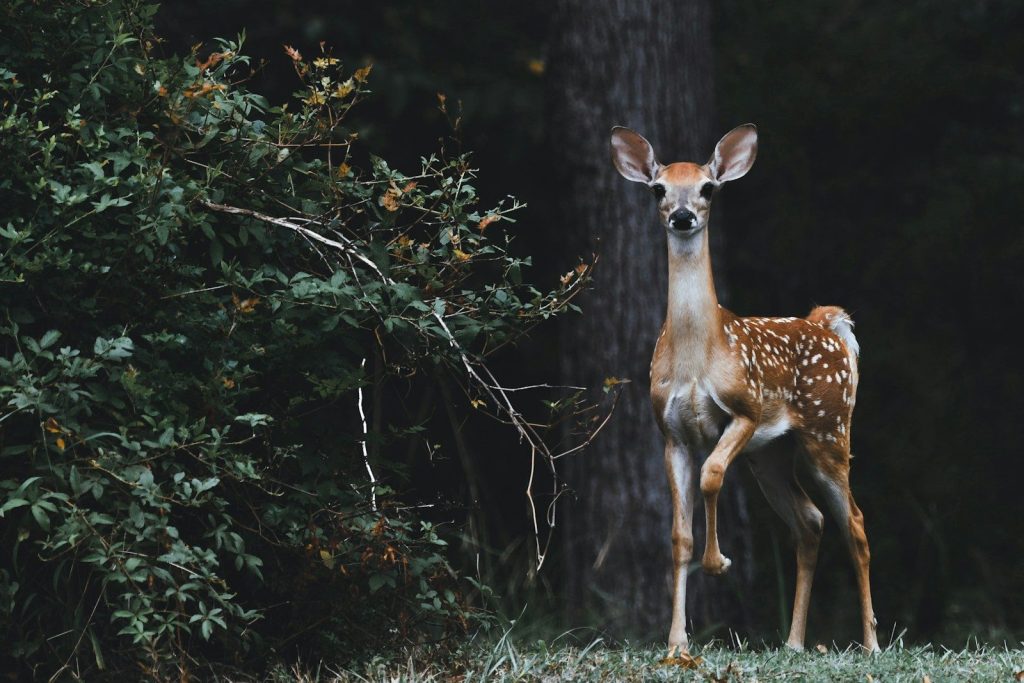
Scientists agree that radiation can damage DNA, but they continue to debate how much of today’s genetic variation in nuclear disaster zones results from radiation rather than natural evolutionary processes. Long-term monitoring will be needed to answer these questions.
As research continues, Chernobyl and Fukushima remain among the world’s most valuable places for studying how life responds to environmental stress over multiple generations.
Leave a Reply