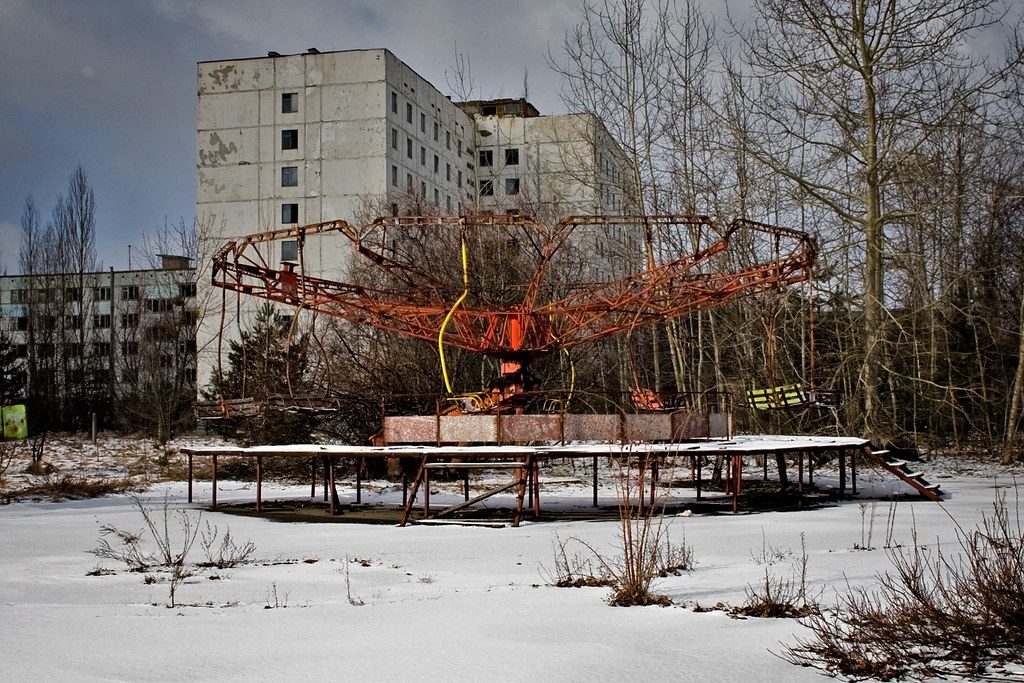
When Reactor 4 at the Chornobyl Nuclear Power Plant exploded in 1986, radioactive material spread across forests, rivers, and farmland in what is now northern Ukraine. Thousands of people left the area, creating the Chornobyl Exclusion Zone. Decades later, the region has become an unexpected refuge for wildlife.
Bears, wolves, lynx, deer, foxes, beavers, and many other species now roam the abandoned landscape. While radiation continues to affect some organisms, scientists have found that the disappearance of people has allowed many wild populations to recover in remarkable ways.
The disaster transformed an entire ecosystem
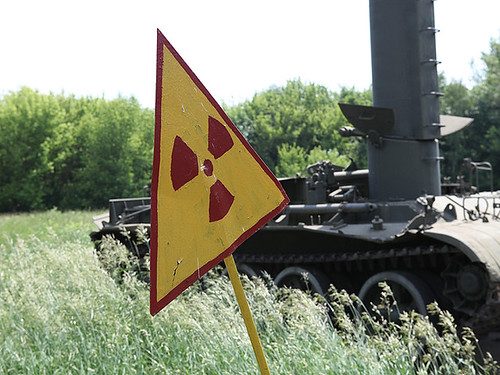
The Chornobyl accident released large amounts of radioactive material into the surrounding environment. Nearby forests, especially the Red Forest, suffered extensive damage as radiation killed many trees and other organisms.
To protect people, authorities created the Exclusion Zone, covering roughly 2,600 square kilometers. With farming, hunting, and development largely disappearing, nature gradually reclaimed abandoned towns and forests.
Large mammals have returned
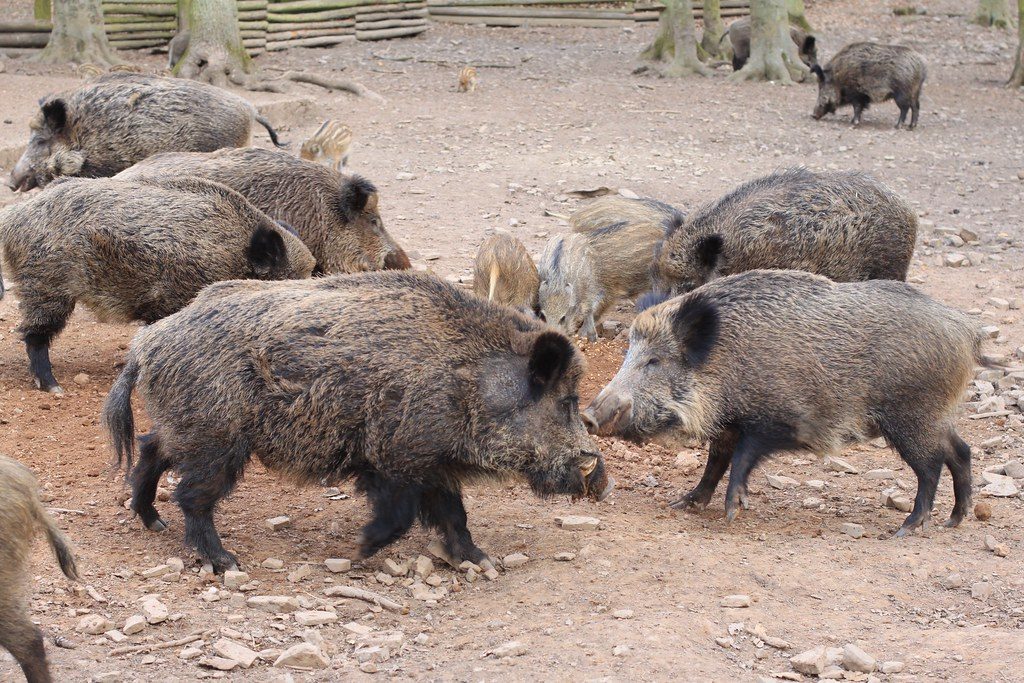
Camera traps and wildlife surveys have documented healthy populations of wolves, brown bears, lynx, wild boar, elk, deer, beavers, and European bison living throughout the exclusion zone. Brown bears, absent for many decades before the accident, have also returned.
Many scientists believe these animals benefit primarily from the lack of human disturbance rather than from radiation itself. The absence of roads, agriculture, and intensive hunting has allowed habitats to recover naturally.
Radiation still affects some wildlife
Although many animal populations have increased, radiation has not become harmless. Studies have reported cataracts, reduced fertility, smaller brain size in some birds, genetic damage, and developmental abnormalities in certain insects and other organisms living in more contaminated areas.
The severity of these effects varies greatly depending on species, location, and radiation exposure. Scientists continue studying how chronic exposure influences different forms of life.
Adaptation may be occurring
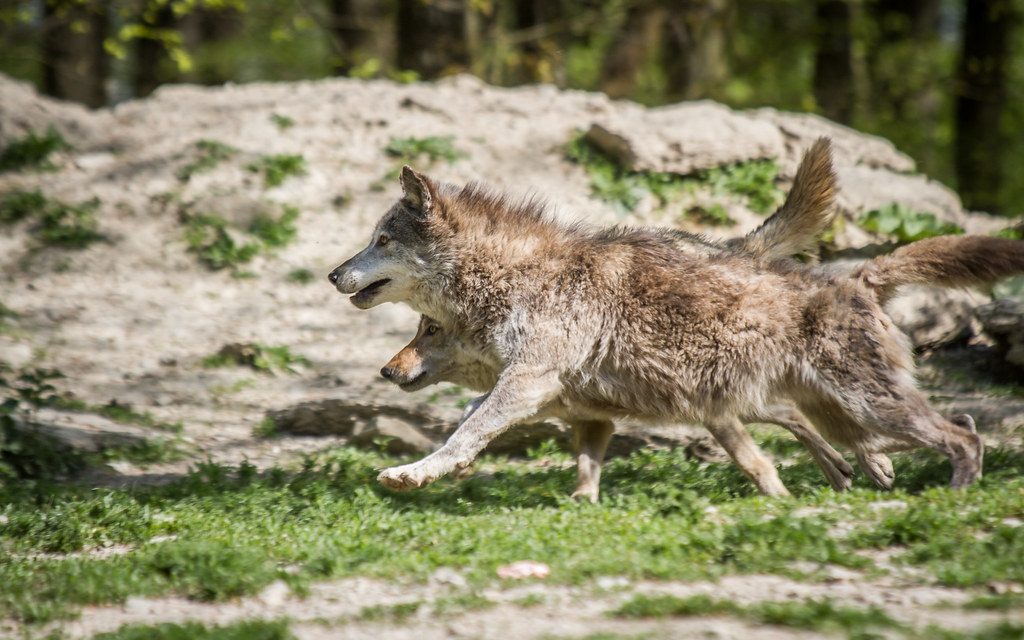
Some recent studies suggest that certain animals may be developing biological adaptations to cope with long-term radiation exposure. For example, researchers have investigated wolves, darker-colored frogs, and other species for possible genetic or physiological changes.
However, scientists emphasize that adaptation does not mean radiation is safe. Research is ongoing, and many questions remain about the long-term consequences of living in contaminated environments.
Chornobyl has become a natural laboratory

Today, the exclusion zone serves as one of the world’s most important places for studying ecology, evolution, and the effects of chronic radiation exposure. Researchers use camera traps, DNA analysis, and long-term monitoring to understand how ecosystems respond after major environmental disasters.
The region also helps scientists compare the impacts of radiation with the effects of human activity, offering valuable lessons for conservation worldwide.
The story is more complex than mutations
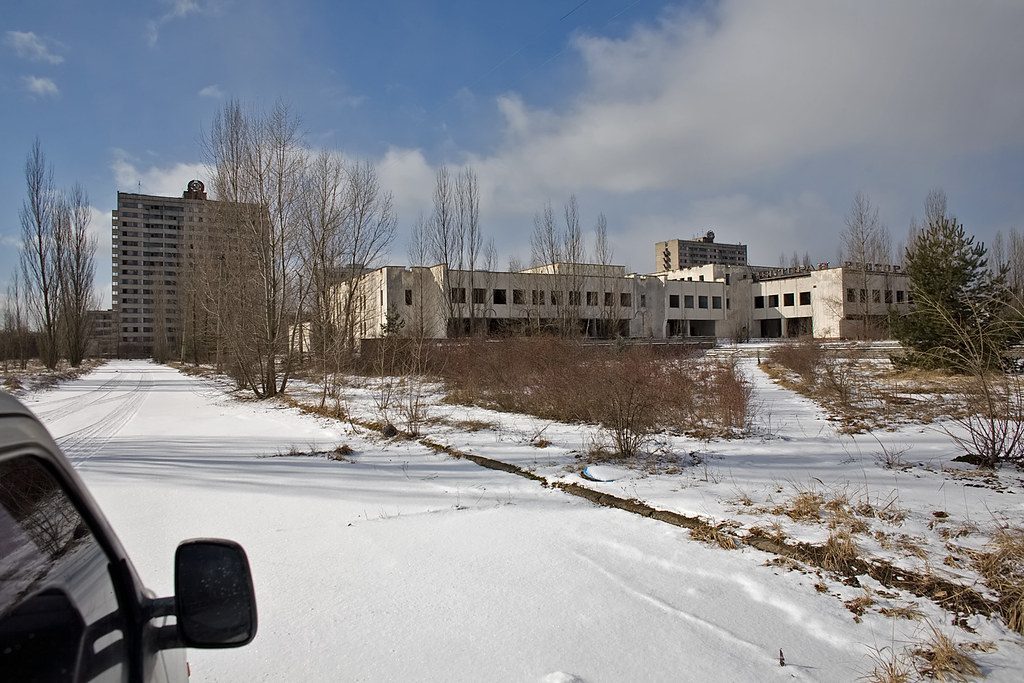
Popular headlines often focus on “mutant animals,” but the scientific picture is much more nuanced. While radiation has caused measurable biological effects in some species, there is little evidence of widespread monstrous mutations. Instead, Chornobyl demonstrates both the resilience of nature and the lasting consequences of nuclear contamination.
Researchers expect the exclusion zone to remain an important scientific study area for decades as they continue to uncover how wildlife survives under extraordinary conditions.
Leave a Reply