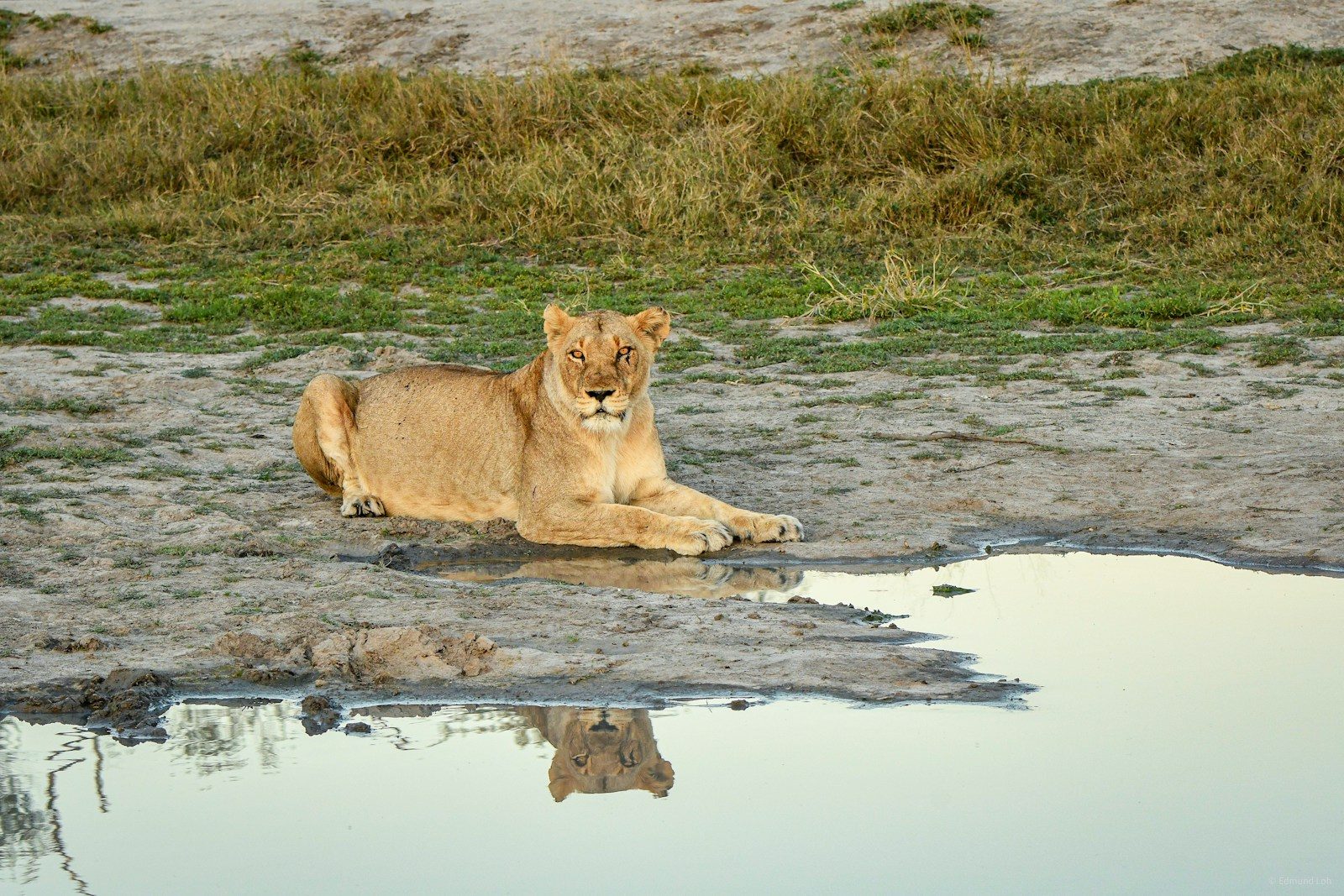
How crocodiles defend their space when lions come close is one of the most exciting wildlife questions in Africa. Both animals are powerful predators, and they often meet at rivers, lakes, and watering holes where they hunt or drink. These encounters can look dramatic, but they do not always end in a fight.
Crocodiles usually rely on smart defense instead of chasing lions. In this article, you will learn why these animals protect their space, how they react when lions get too close, and what usually happens when two of Africa’s top predators meet.
Why do crocodiles protect areas near the water
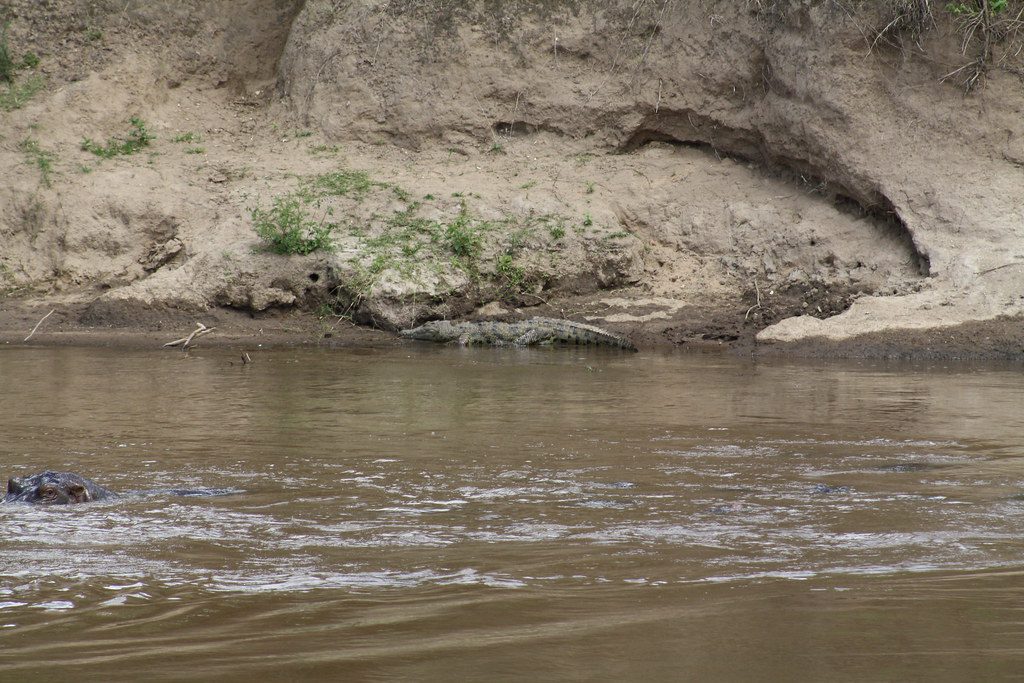
Nile crocodiles spend much of their lives in rivers, lakes, and wetlands. These places provide food, safe resting spots, and places where females can nest. Because these areas are so important, large crocodiles often stay close to them and may defend the best locations from other crocodiles.
When lions come to the water to drink or cross, they enter the crocodile’s hunting and resting area. The crocodile usually stays calm at first, but it watches every movement. If it believes the lion is too close or creates a threat, it may react to protect its space.
How crocodiles warn lions to stay back
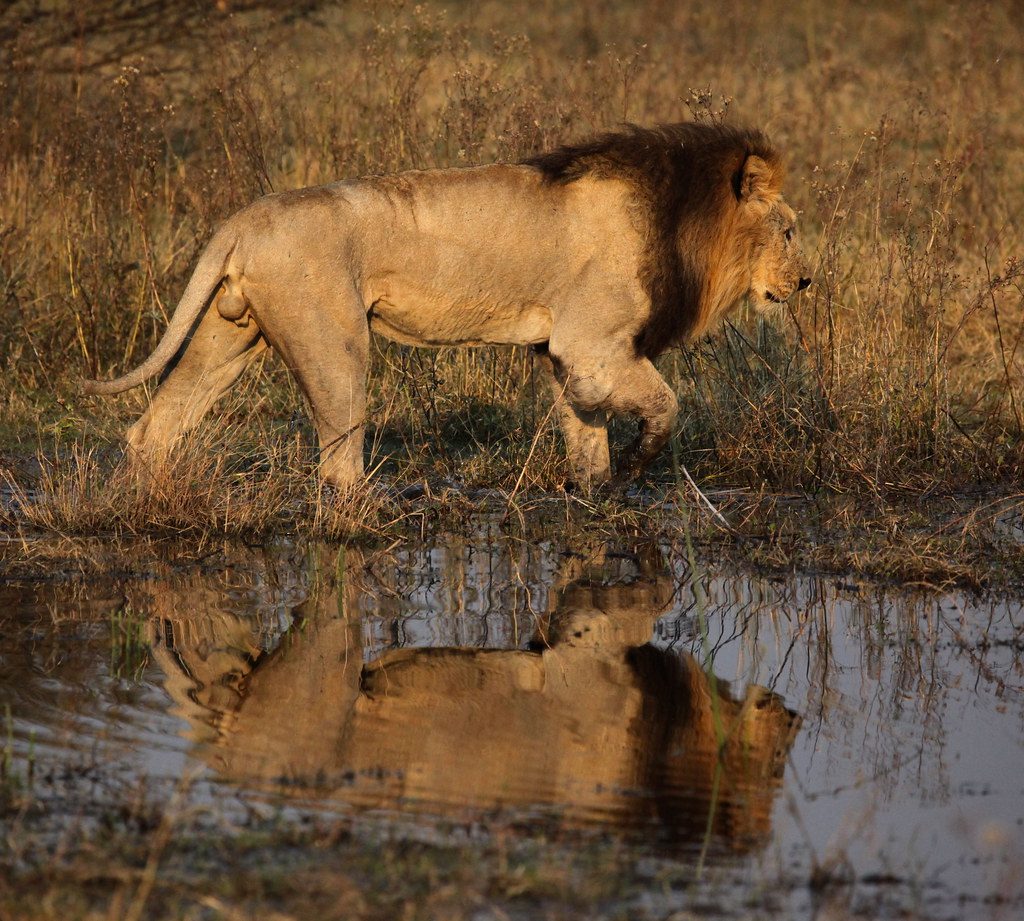
A crocodile does not usually rush toward a lion without a reason. Instead, it often starts with warning behaviors. It may raise its head above the water, open its mouth, hiss, or make a quick splash with its tail. These actions show that it is alert and ready to defend itself.
Most lions understand these signals and avoid getting too close to the water’s edge. Lions know that crocodiles have a powerful bite and move much faster than expected over short distances. Because of this, many close encounters end without either animal attacking.
What happens if a lion gets too close
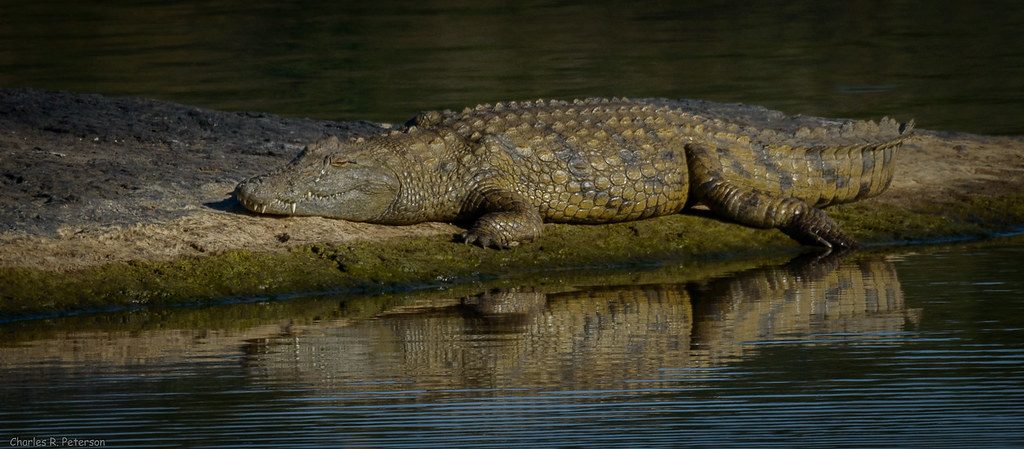
If a lion comes within striking distance, especially while standing at the water’s edge, a crocodile may launch a sudden attack. It uses a quick burst of speed from the water and tries to grab the lion with its powerful jaws before pulling back toward deeper water.
Even then, a successful attack is not guaranteed. Adult lions are strong and can escape if they react quickly or if other pride members help. Many surprise attacks fail because lions stay alert when drinking near crocodile habitat.
Why water gives crocodiles the advantage
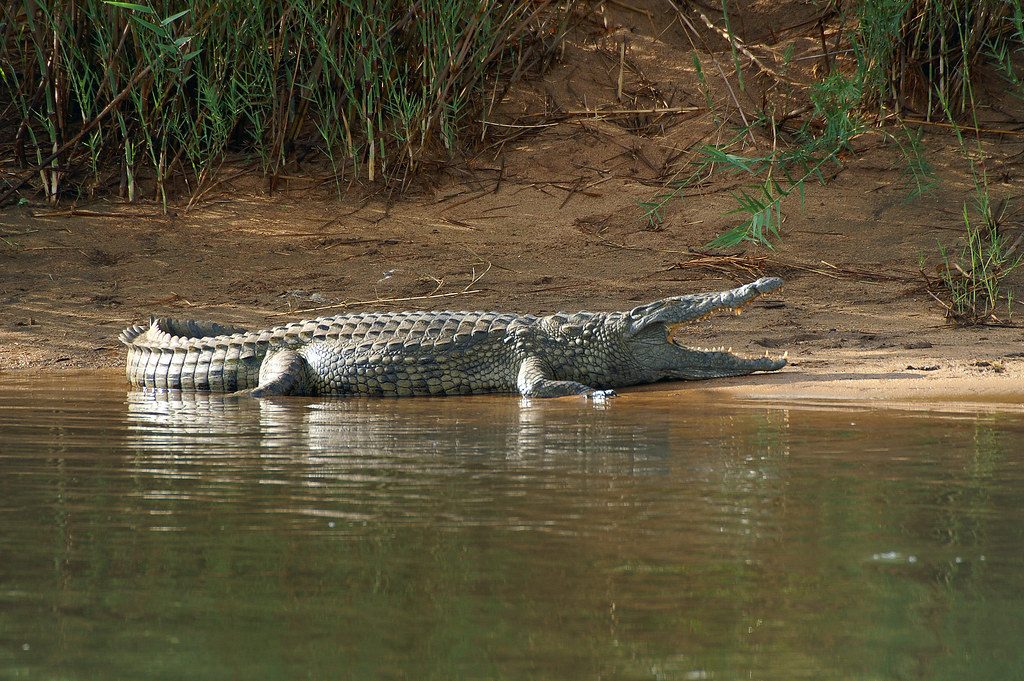
Water is where crocodiles are strongest. Their bodies are built for swimming, and they can stay almost completely hidden while watching nearby animals. This allows them to surprise prey or defend themselves with very little warning.
On dry land, crocodiles move much more slowly and use more energy. Lions are faster and more agile away from the water, so crocodiles usually avoid chasing them onto land. Instead, they stay close to the water, where they have the greatest advantage.
Do crocodiles and lions always fight
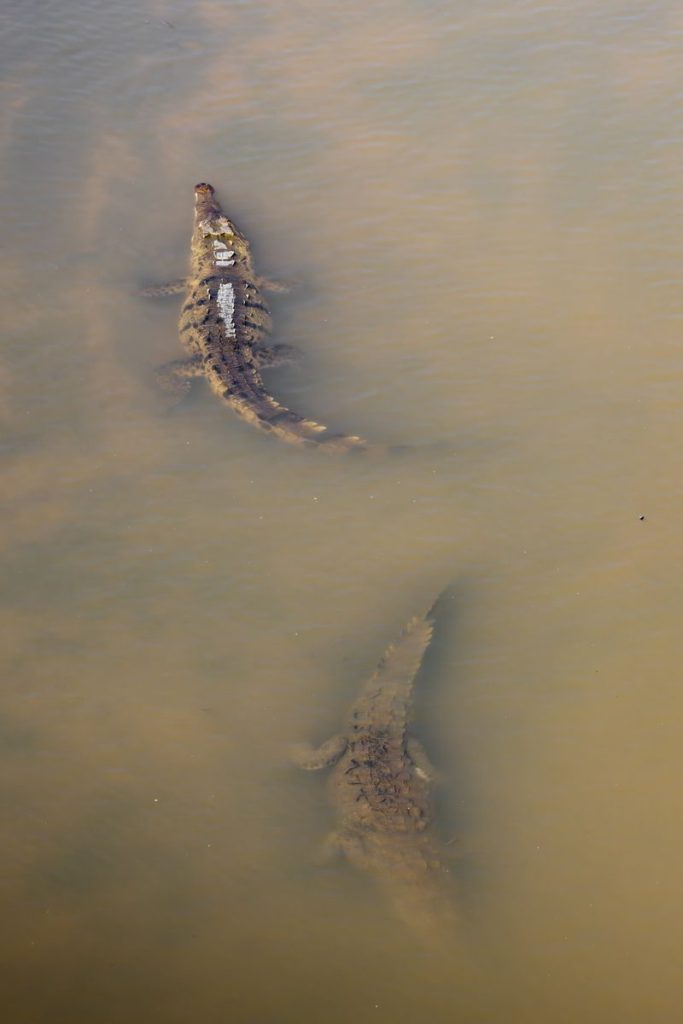
Most meetings between lions and crocodiles end peacefully. Both animals are experienced predators that understand the risks of serious injuries. A broken tooth, damaged jaw, or deep wound can make hunting difficult and threaten survival.
Conflicts are more likely when food is involved or when one animal feels trapped. They may also compete over a fresh carcass near the water. In many cases, one animal simply backs away, avoiding a dangerous fight that neither side needs.
Who usually wins these encounters
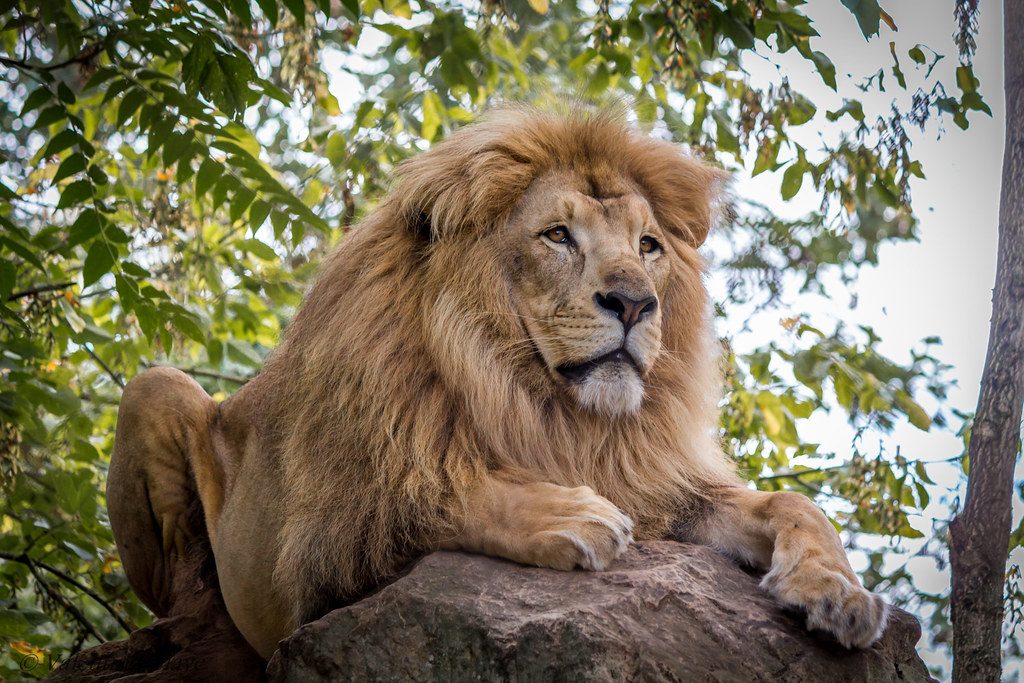
There is no single winner in every crocodile and lion encounter. A large crocodile has a major advantage in deep water, where its powerful bite and surprise attack are most effective. A healthy adult lion has better chances on land because of its speed, strength, and agility.
The outcome depends on many factors, including size, location, and whether the lion is alone or with its pride. Instead of constant battles, these predators usually respect each other’s strengths and avoid unnecessary risks whenever possible.
Leave a Reply