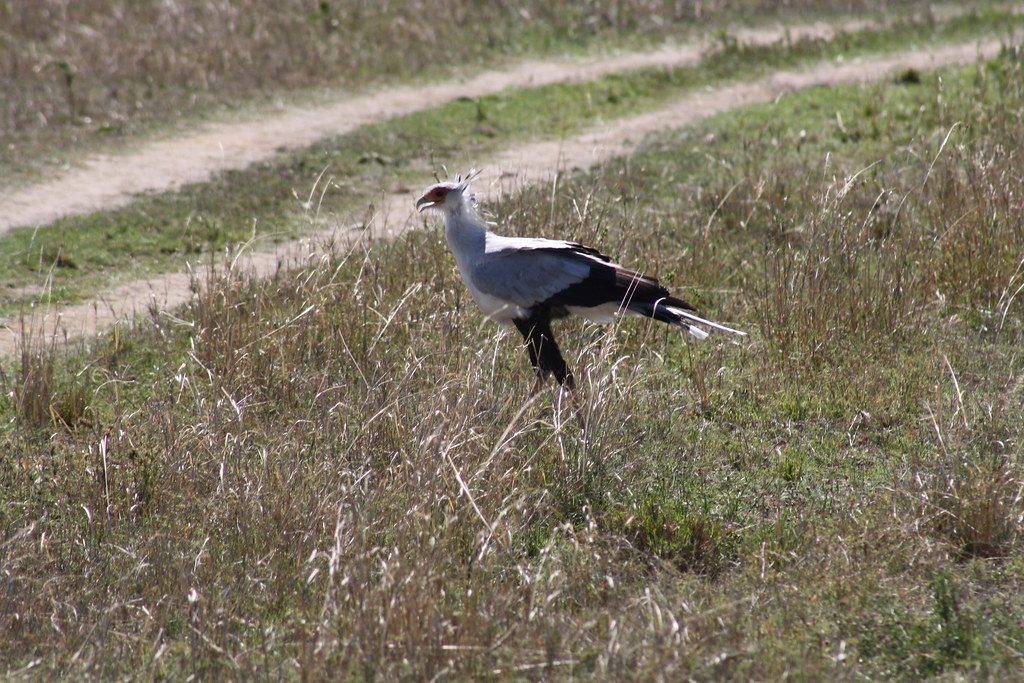
Have you ever wondered if there is a bird that was built to hunt snakes? The secretary bird is one of the best examples in nature. This amazing bird has evolved many special features that help it catch, kill, and eat snakes, including some venomous ones.
Its long legs, sharp eyesight, and powerful kicks make it one of the most unique hunters on Earth. In this article, you will learn how the secretary bird hunts, why snakes are such an important part of its diet, and the special adaptations that help it survive in the wild.
What makes the secretary bird unique?
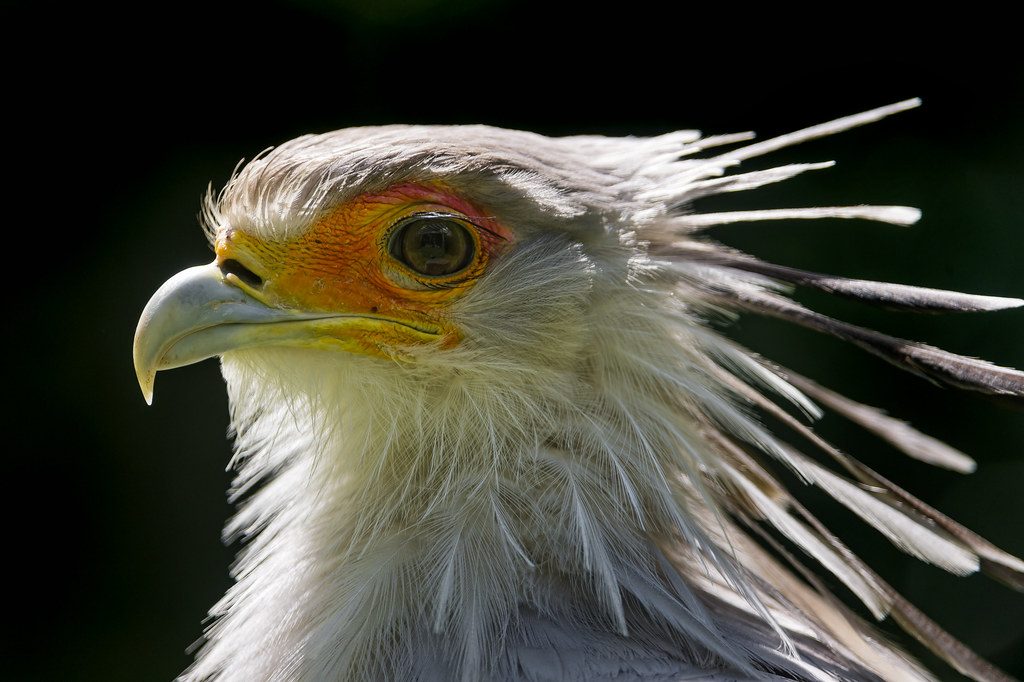
The secretary bird lives in the open grasslands and savannas of sub-Saharan Africa. Unlike most birds of prey, it spends most of its time walking on the ground instead of hunting from the air. It can walk many miles each day while searching for food.
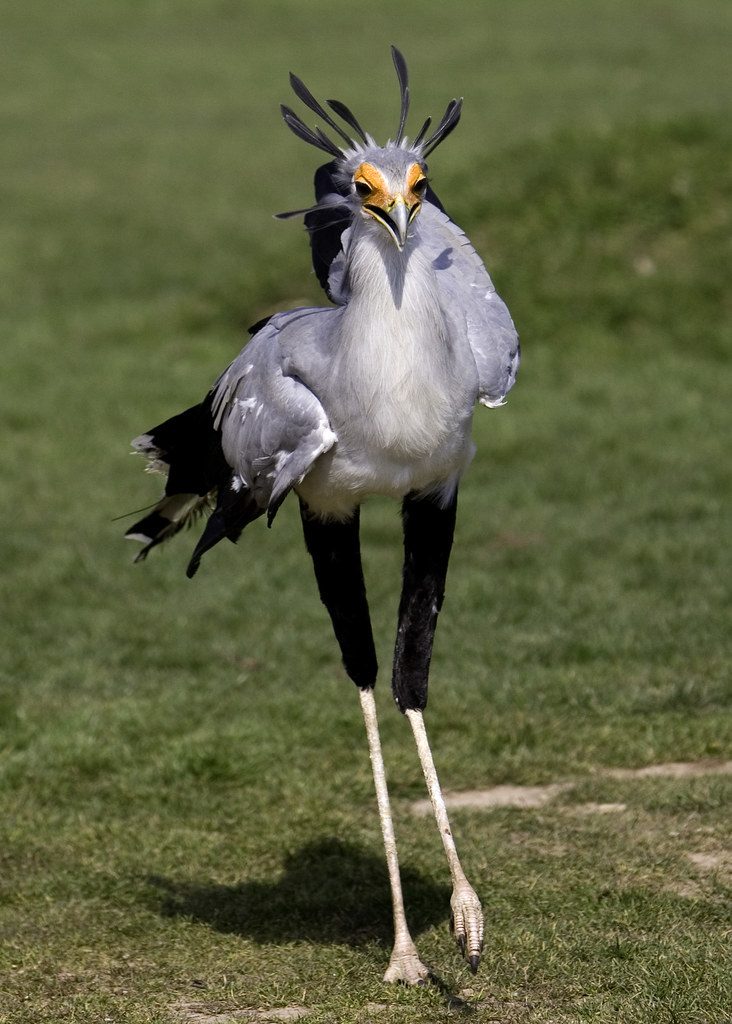
Its body combines features from several birds. It has the hooked beak of a raptor, very long legs like a crane, and broad wings that help it fly when needed. This unusual body shape allows it to move quickly across open land while staying alert for prey.
Why snakes are an important food source
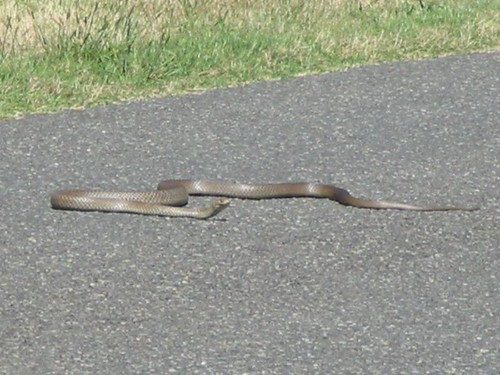
The secretary bird is famous for hunting snakes. Its scientific name even means “the archer of snakes,” showing how closely the bird has been linked with snake hunting for a long time. Venomous snakes such as cobras and puff adders can become part of its diet.
Even though the bird eats many other animals, including lizards, rodents, insects, frogs, and small birds, snakes remain one of its best-known prey. This flexible diet helps the bird survive when one type of food becomes harder to find.
How the bird catches dangerous snakes
The secretary bird hunts by slowly walking through grass until it spots movement. Once it finds a snake, it carefully watches every move before attacking with amazing speed. It keeps a safe distance while staying ready to strike.
Instead of grabbing a snake right away, the bird delivers powerful stomps with its feet. These fast kicks can stun or kill the snake before it has a chance to bite. The bird may spread its wings during the attack, helping distract the snake while protecting its body.
Special features that protect the bird
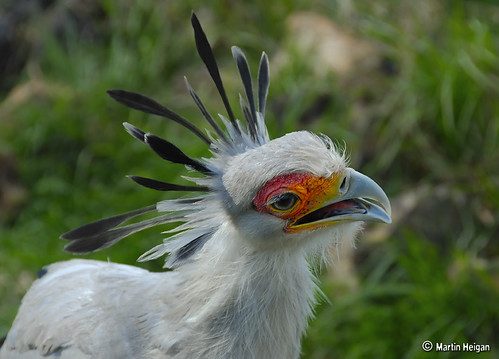
Long legs are one of the secretary bird’s greatest defenses. They keep the bird’s body farther away from a striking snake, lowering the chance of a dangerous bite. Thick scales on the lower legs also provide extra protection.
The bird’s excellent eyesight helps it notice even small movements in the grass. Strong leg muscles create fast and powerful strikes, while its sharp beak tears apart prey after it has been killed. Together, these traits make the secretary bird a highly skilled predator.
How evolution shaped this hunter
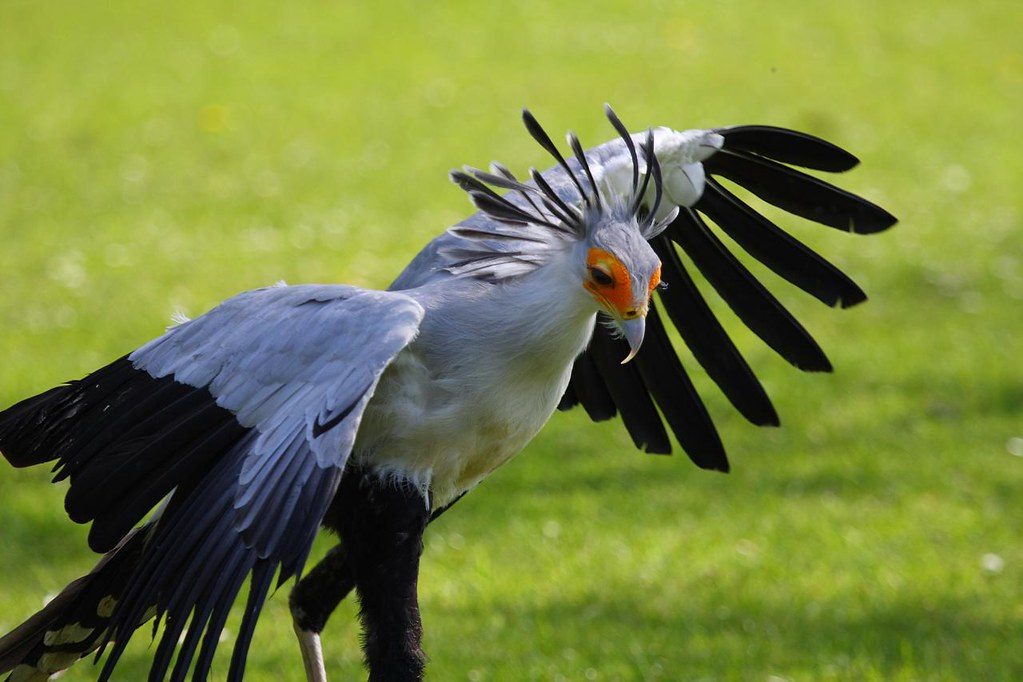
Over many generations, secretary birds that hunted well were more likely to survive and raise young. Helpful traits, such as stronger legs, better vision, and careful hunting behavior, became more common over time through natural selection.
The result is a bird that fills a special role in nature. Few other birds rely so heavily on walking and kicking to catch prey. Its hunting style is so unusual that it stands apart from nearly every other bird of prey alive today.
Why the secretary bird matters in nature
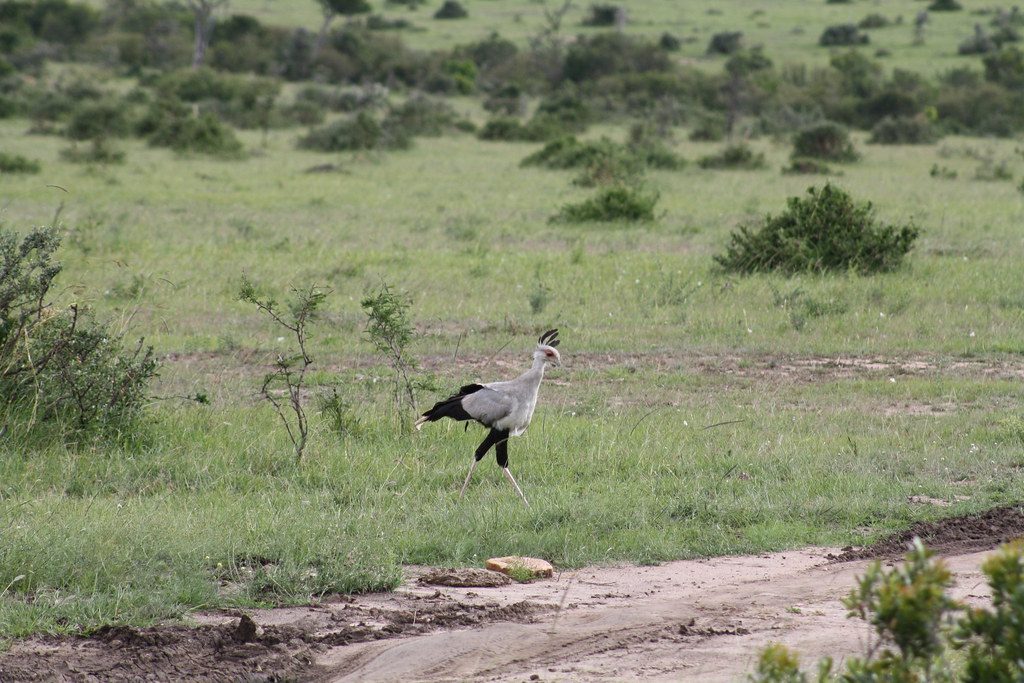
The secretary bird helps keep ecosystems balanced by controlling populations of snakes, rodents, and other small animals. Healthy predator populations prevent any one prey species from becoming too numerous, which supports the overall health of grassland habitats.
Today, the secretary bird faces threats from habitat loss, farming, and human activity. As grasslands disappear, finding enough food and safe nesting places becomes more difficult. Protecting these habitats is important for the future of this remarkable bird.
Leave a Reply