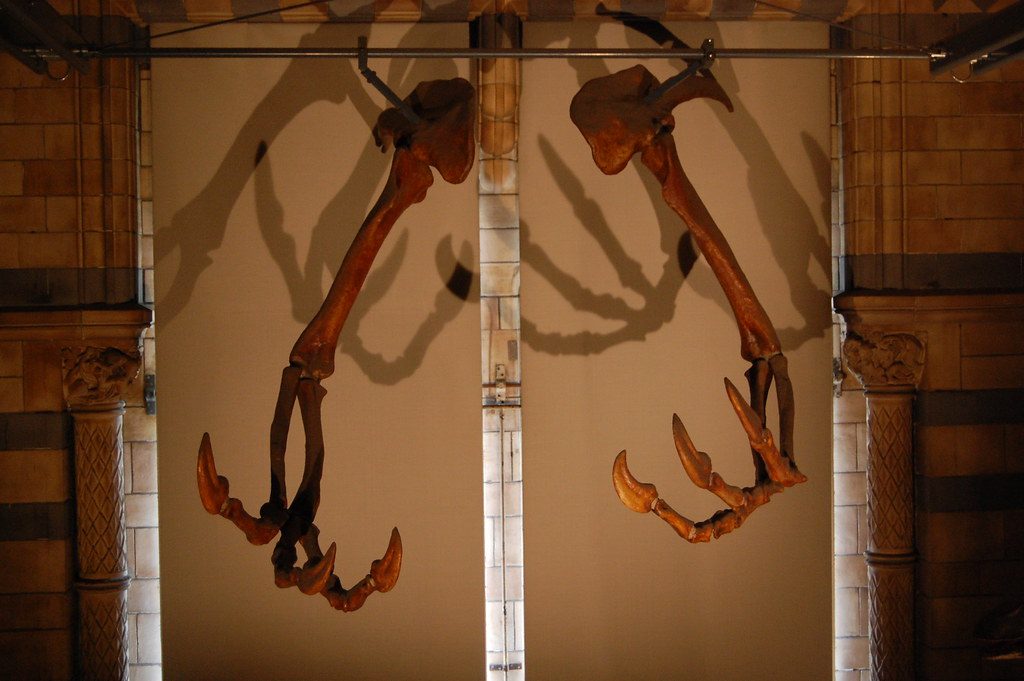
The discovery of these massive claws puzzled scientists for decades and completely changed what they believed about one of the strangest dinosaurs ever found. When the first giant claws were uncovered in Mongolia, researchers did not even think they belonged to a dinosaur.
As more fossils were discovered over the years, scientists realized the truth was far more surprising. This article explains how the giant claws were first misunderstood, what later discoveries revealed, and why this fossil changed the way experts study dinosaur evolution.
Giant claws started a scientific mystery
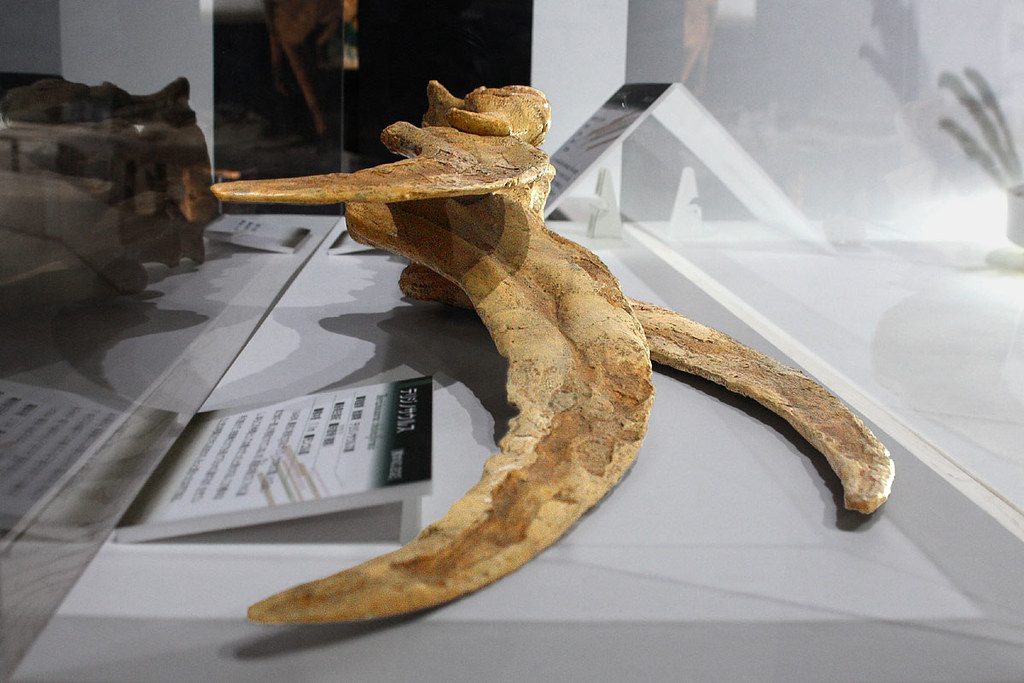
In 1948, paleontologists discovered enormous fossil claws in the Gobi Desert of Mongolia. The claws were unlike anything seen before. Because only parts of the arms and a few other bones were found, scientists had very little evidence to work with.
The unusual shape of the claws led researchers to believe they belonged to a giant turtle-like reptile that may have lived in water. This early idea seemed reasonable because no dinosaur with such huge claws had ever been discovered before.
New fossils changed everything

As more fossils were found during the 1970s and later years, scientists began comparing the giant claws with bones from related dinosaurs. These discoveries showed that the claws belonged to a strange two-legged dinosaur instead of a giant turtle.
The dinosaur was named Therizinosaurus, meaning “scythe lizard.” It lived about 70 million years ago during the Late Cretaceous Period in what is now Mongolia. Even though it belonged to the theropod group, which includes famous meat-eaters, it was mainly a plant eater.
The claws were unlike any others
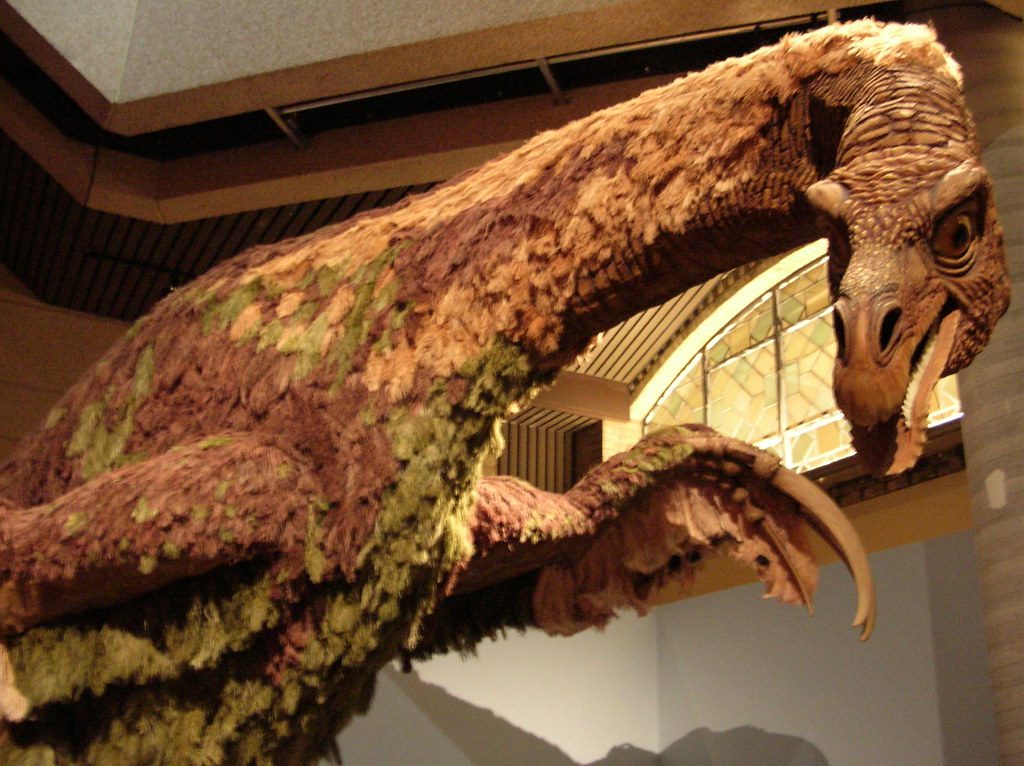
Therizinosaurus had some of the longest claws ever known on a land animal. The bony part of each claw reached about 20 inches long, and the living claws were likely even longer because they were covered by a keratin sheath, much like modern bird claws.
These huge claws were probably not built for slashing prey as many people once imagined. Instead, many scientists believe they helped the animal pull branches closer while feeding, reach high plants, or scare away predators by making the dinosaur look much larger.
A strange dinosaur surprised experts
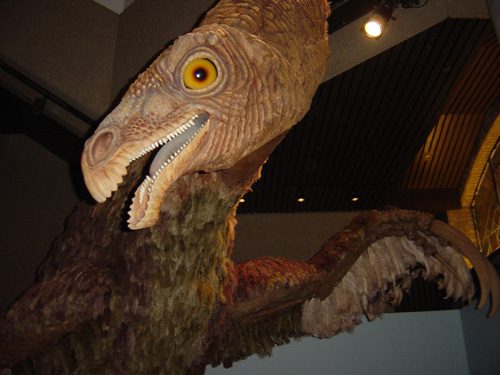
When scientists finally understood what Therizinosaurus looked like, they realized it was unlike almost every other dinosaur. It had a long neck, a wide body, strong back legs, and a small head with a beak instead of sharp hunting teeth.
This discovery challenged the old idea that all large theropod dinosaurs were fierce meat hunters. Therizinosaurus showed that members of this group evolved in different ways, with some becoming peaceful plant eaters instead of predators.
The discovery changed dinosaur science

The giant claws forced paleontologists to rethink how they identify fossils. The first discovery proved that judging an animal from only a few bones can lead to incorrect conclusions, especially when the fossil belongs to an unusual species.
As more complete skeletons of related therizinosaurs were uncovered, scientists gained a better understanding of how this unique family evolved. The discoveries also helped explain how dinosaur groups could develop very different body shapes while sharing a common ancestor.
Scientists are still learning from the claws

Even today, researchers continue studying the claws using computer models and comparisons with living animals. Some studies suggest the claws were too delicate for heavy fighting, while others support the idea that they were useful for feeding, display, or defense.
The story of Therizinosaurus reminds us that science is always improving as new evidence appears. A few mysterious fossils once confused experts, but later discoveries transformed one of the greatest dinosaur mysteries into an important lesson about evolution and fossil research.
Leave a Reply