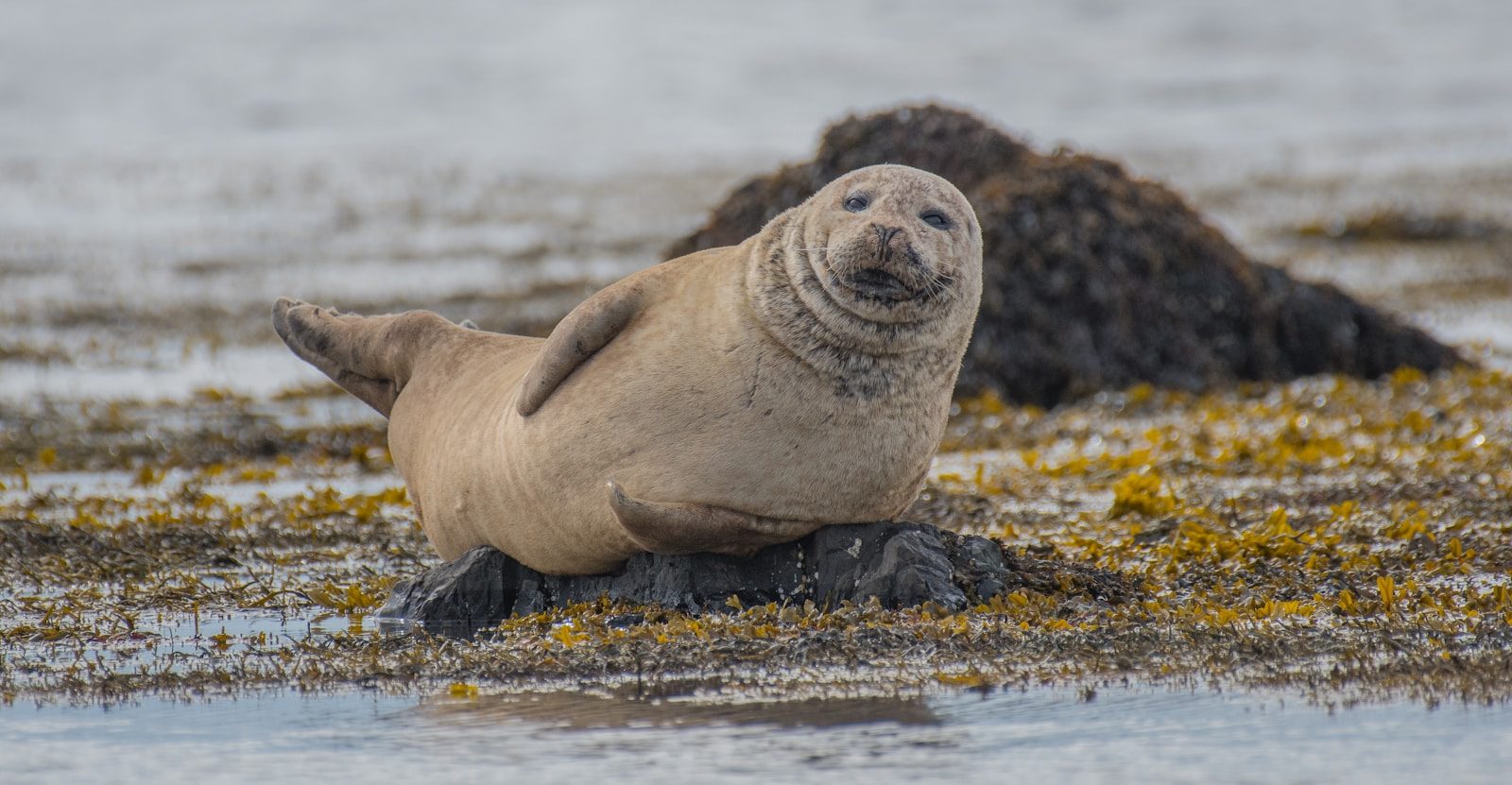
When wildlife rescuers first approached the young seal, it reacted exactly as they expected. Frightened and stressed, the animal viewed every nearby person as a potential threat.
Tangled in dangerous debris and unable to free itself, the exhausted seal struggled against the very people trying to help. Yet as the rescue unfolded, its behavior gradually changed, creating a touching reminder of how human intervention can sometimes give wild animals a second chance.
A dangerous encounter with marine debris
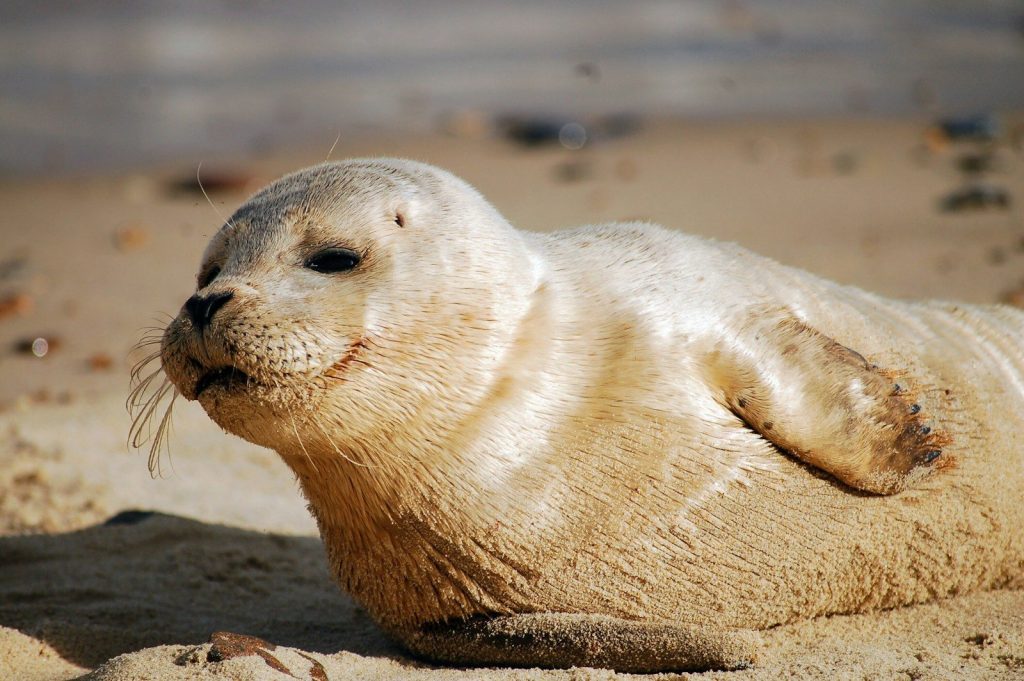
Around the world, seals frequently become entangled in discarded fishing gear, ropes, plastic packaging, and other marine waste. These materials can tighten as the animal grows, causing painful injuries, infections, and difficulty swimming or hunting.
Without assistance, many entangled seals eventually die from starvation, infection, or exhaustion, making rapid intervention essential for their survival.
Why frightened seals resist rescue
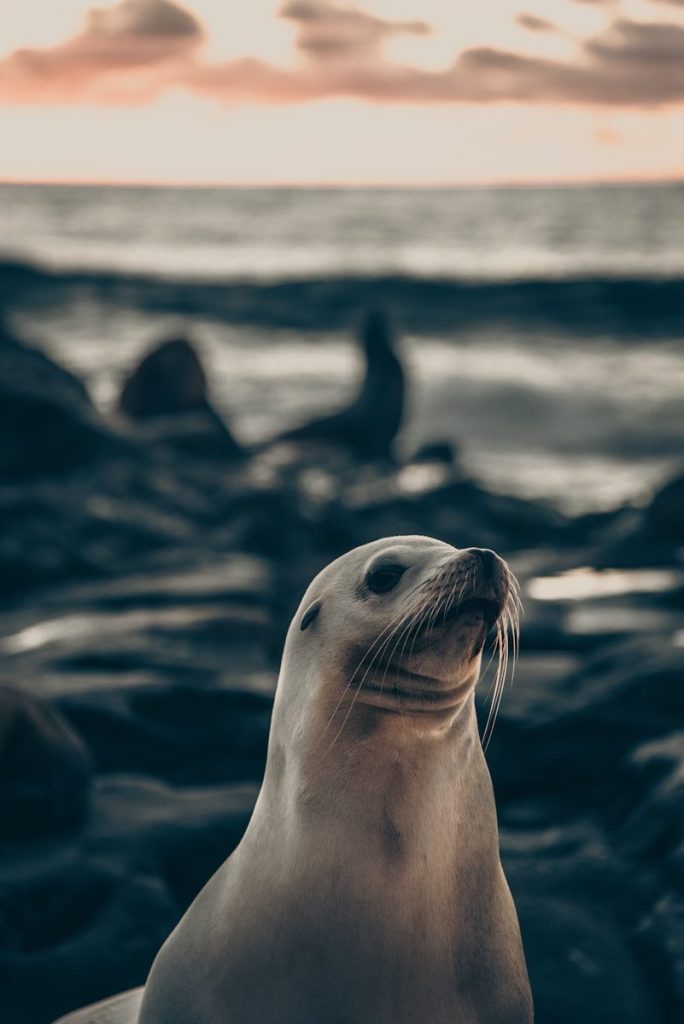
Wild seals naturally fear humans. Even injured animals often bite, twist, or attempt to escape because they cannot understand that rescuers are trying to help.
For trained wildlife teams, remaining calm and minimizing stress is just as important as removing the entanglement. Quick, careful handling reduces the risk of injury to both the seal and the rescuers.
A careful rescue operation
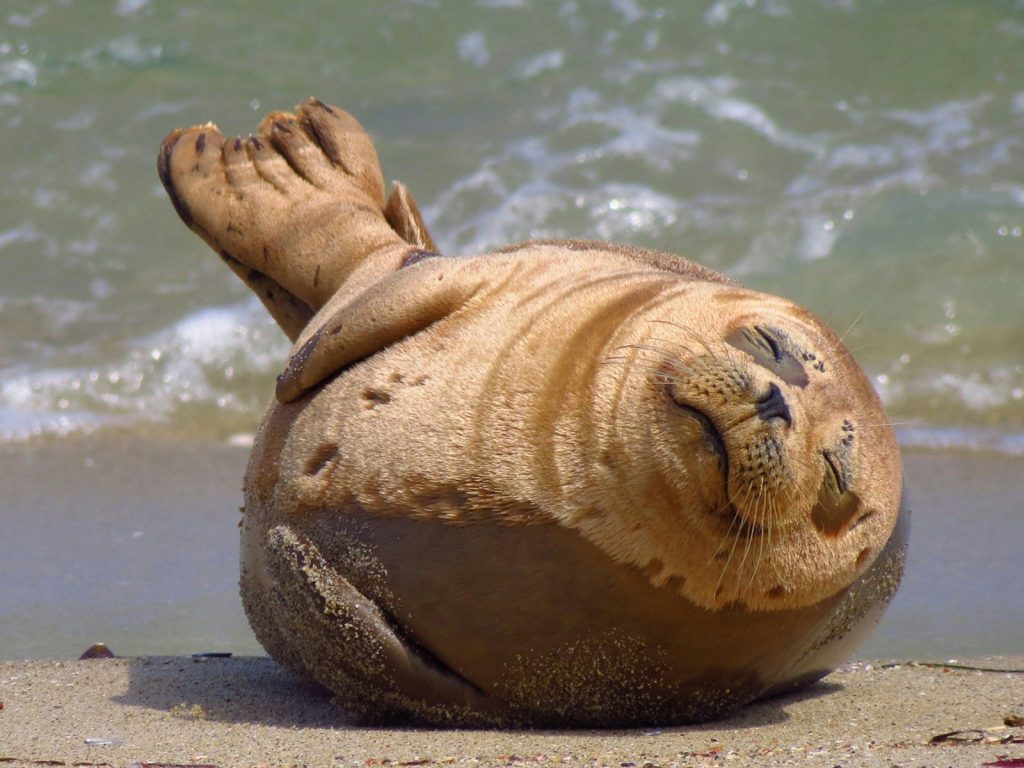
Using specialized equipment and years of experience, rescuers carefully restrained the seal long enough to remove the material wrapped around its body. Once freed, they immediately released the animal rather than keeping it in captivity whenever possible.
This approach allows healthy wild seals to return quickly to their natural environment with minimal disruption.
A remarkable change in behavior
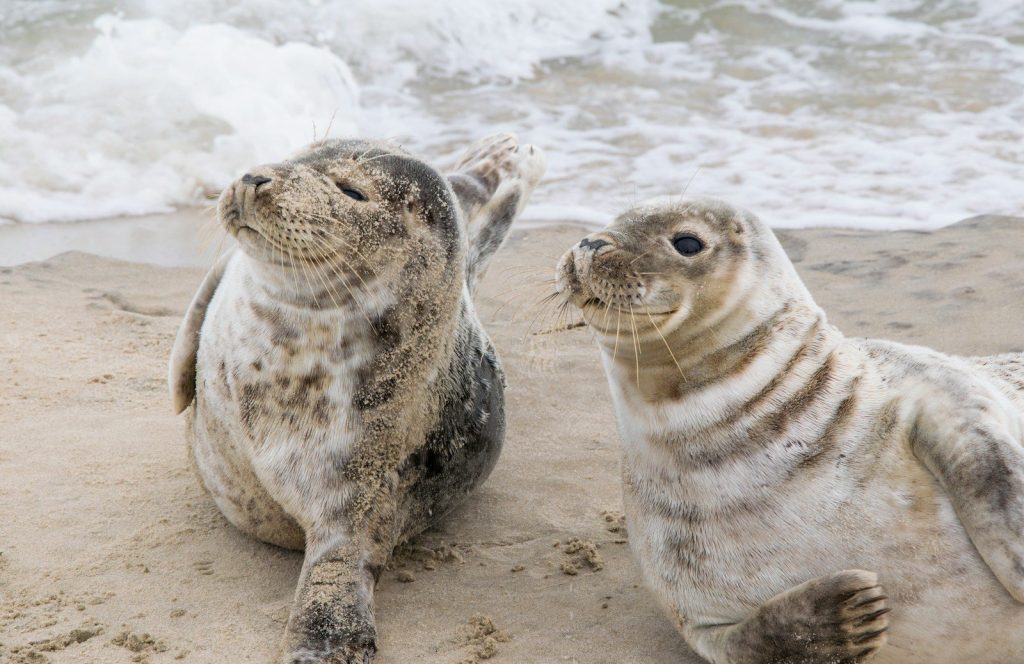
As the rescue came to an end, the seal appeared noticeably calmer than when it was first approached. While it is impossible to know exactly what the animal understood, rescuers often observe that severely stressed animals relax once the source of pain or restriction has been removed.
Scientists caution against assuming wild animals experience gratitude in the same way humans do, but reducing fear and discomfort can produce visible behavioral changes.
Why seal rescues matter
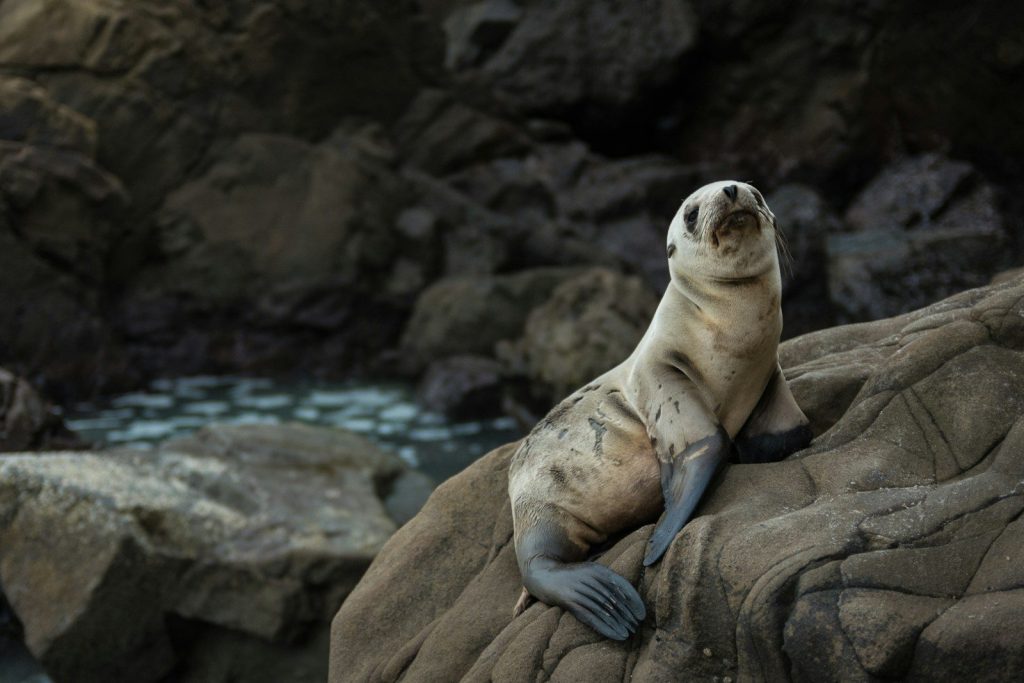
Individual rescues save lives, but they also highlight a much larger environmental problem. Lost fishing gear and plastic pollution continue to threaten seals, sea lions, whales, turtles, and countless other marine animals every year.
Conservation groups work not only to rescue wildlife but also to reduce the amount of dangerous debris entering the oceans in the first place.
A reminder of the ocean’s challenges
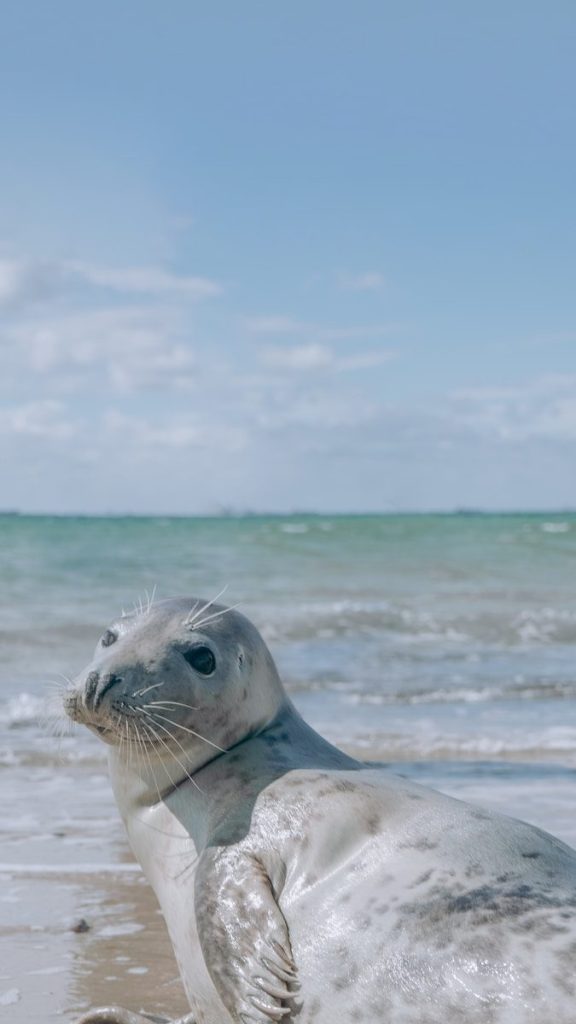
The rescued seal’s story is ultimately about more than one animal. It demonstrates both the resilience of marine wildlife and the impact humans can have through responsible conservation efforts.
Every successful rescue represents one life saved while reminding us that preventing ocean pollution remains the best long-term solution.
Leave a Reply