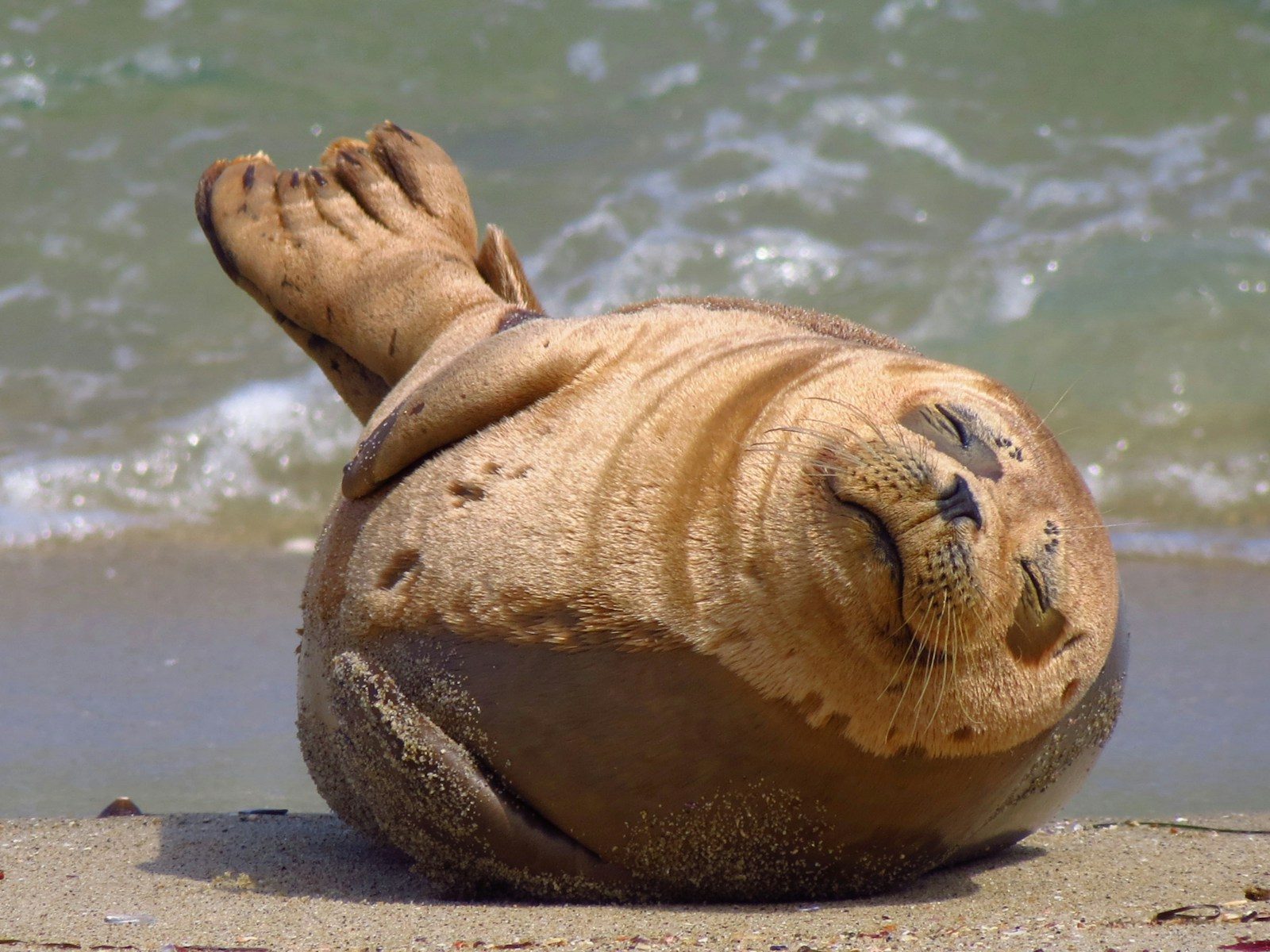
When a killer whale spots a seal, the encounter can unfold in seconds. Orcas are among the ocean’s most intelligent predators, using teamwork, speed, and strategy to hunt marine mammals.
Yet seals have evolved impressive defenses of their own, relying on agility, underwater awareness, and quick escapes to survive. While seals and sea lions may appear nearly identical, their different bodies and behaviors play a major role in how each responds to predators in the wild.
Seals and sea lions share a common ancestor
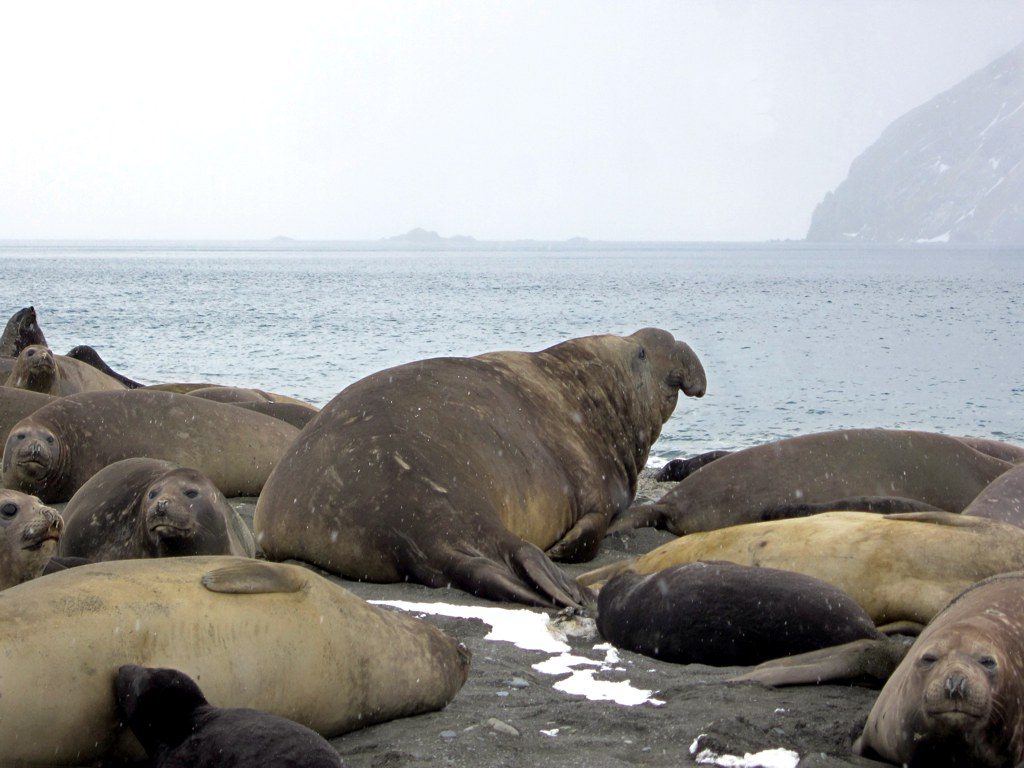
Seals and sea lions both belong to the pinniped group of marine mammals, which evolved from land-dwelling carnivores millions of years ago. Over time, both adapted to life in the ocean while retaining the ability to rest and breed on land.
Although closely related, they eventually followed different evolutionary paths that shaped how they swim, hunt, and survive.
Sea lions move better on land
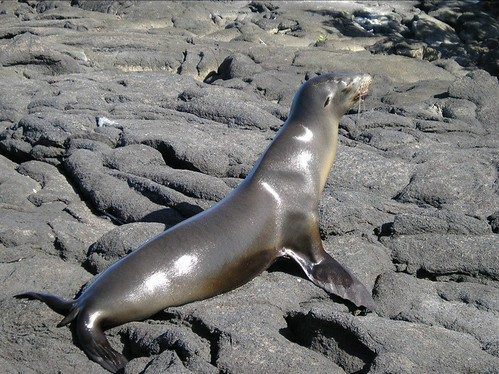
One of the easiest ways to distinguish the two animals is how they travel on shore. Sea lions rotate their hind flippers beneath their bodies, allowing them to walk on all fours with surprising speed and agility.
True seals cannot rotate their hind flippers. Instead, they move by wriggling or bouncing across beaches and ice, making them much less mobile on land.
Seals are built for deep diving
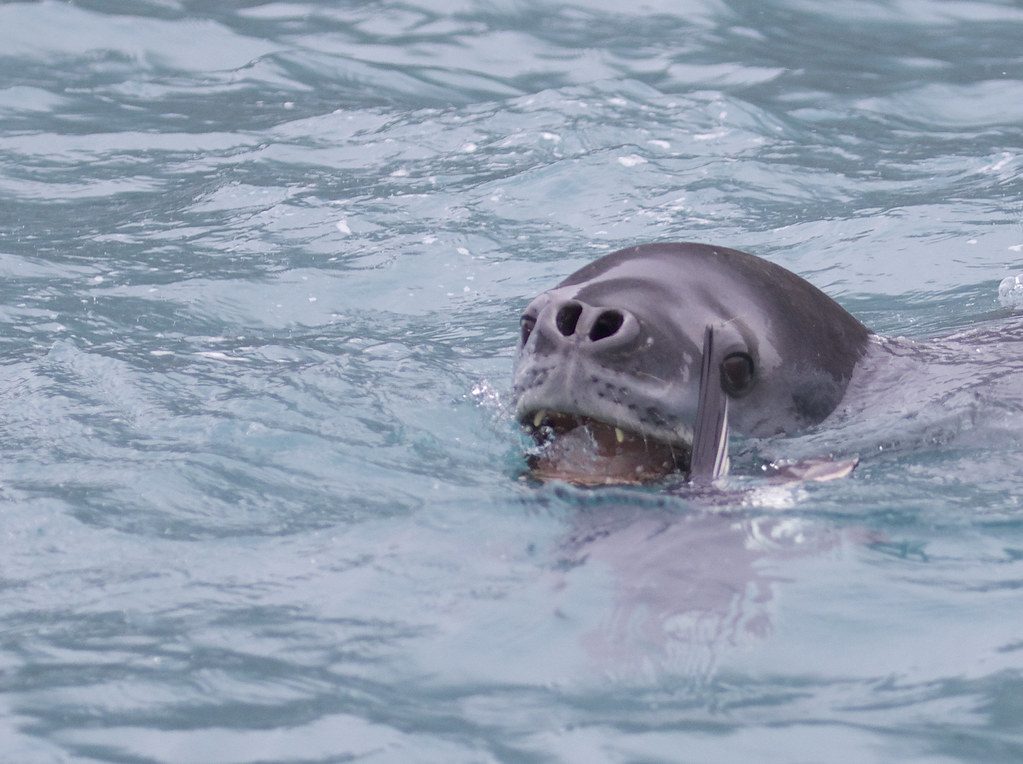
Although awkward on land, true seals excel underwater. Their streamlined bodies and powerful rear flippers allow efficient long-distance swimming and deep dives while searching for fish, squid, and other prey.
Many seal species spend extended periods underwater before returning briefly to the surface to breathe, making them highly adapted to life at sea.
Killer whales use teamwork to hunt
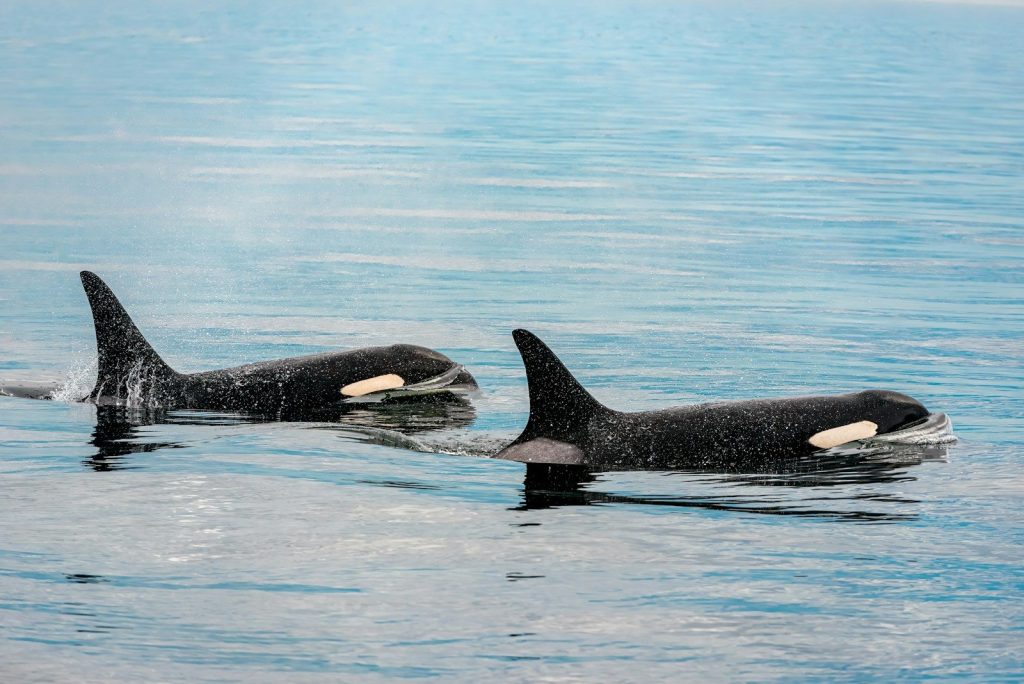
Killer whales employ sophisticated hunting techniques when pursuing seals. Depending on the location, they may create waves to wash seals from ice, surround them cooperatively, or chase them through open water.
Occasionally, seals escape by reaching shore, climbing onto floating objects, or taking advantage of complex coastal habitats where large orcas have difficulty maneuvering.
Different survival strategies
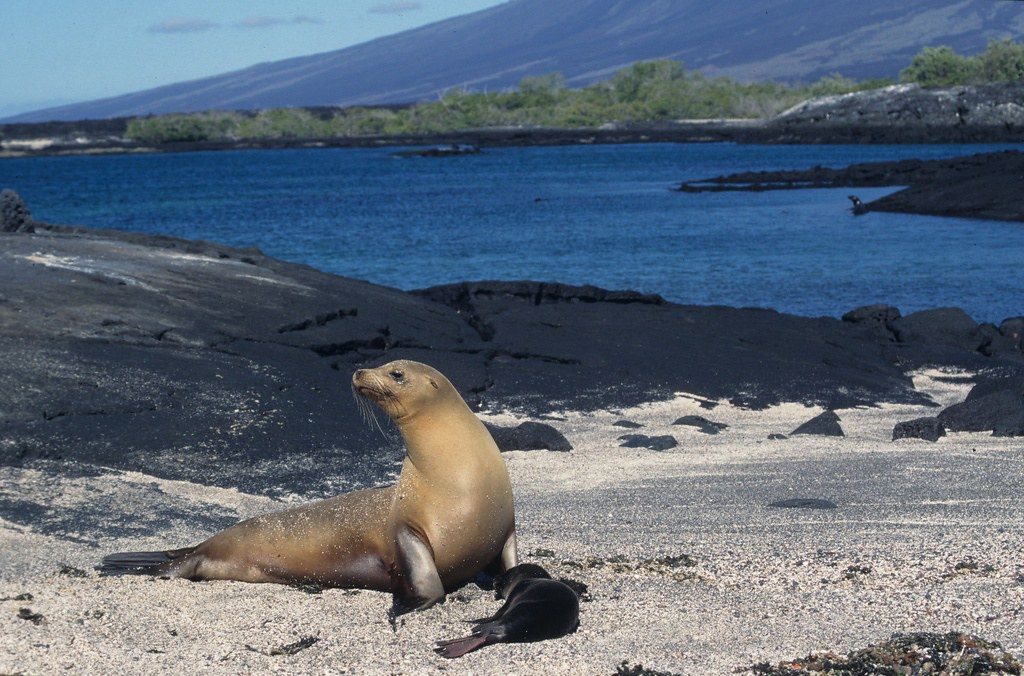
Sea lions often rely on large breeding colonies, loud vocal communication, and greater mobility on land. Seals depend more heavily on camouflage, diving ability, and remaining alert while resting near the water.
Neither strategy is universally better. Each reflects millions of years of evolution in different habitats and environmental conditions.
Two marine mammals shaped by evolution
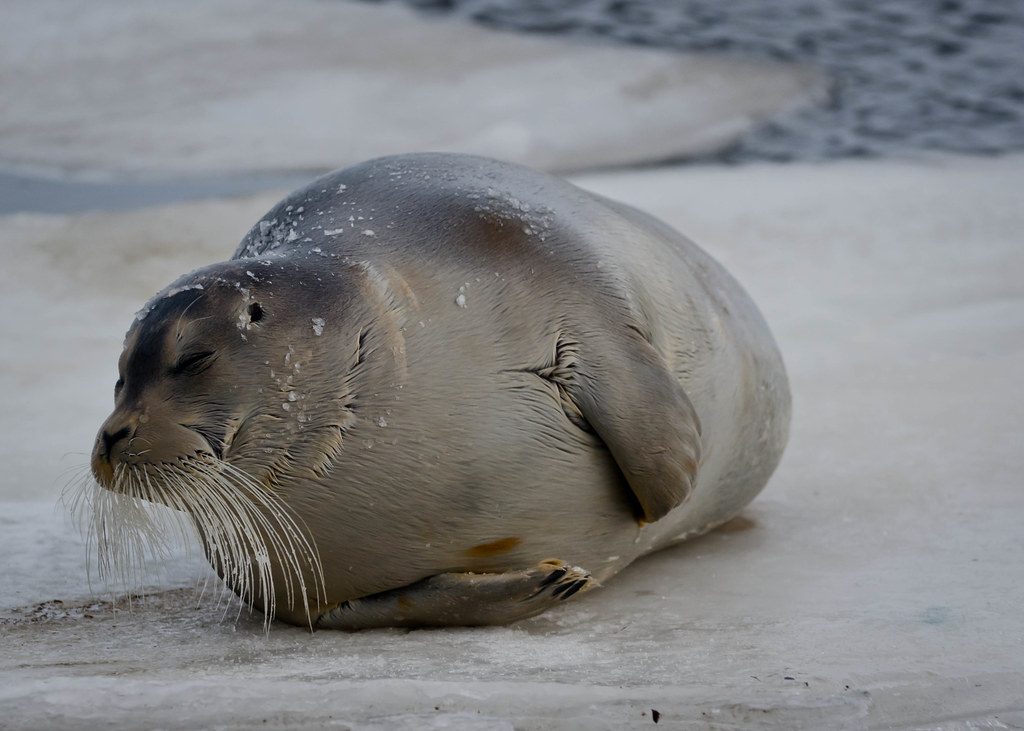
Although they look similar from a distance, seals and sea lions represent two distinct solutions to surviving between land and sea. Understanding these differences helps explain how each species avoids predators, raises its young, and thrives in challenging marine environments.
Their continuing survival also depends on healthy oceans, abundant food supplies, and conservation efforts that protect the ecosystems they share with top predators like killer whales.
Leave a Reply