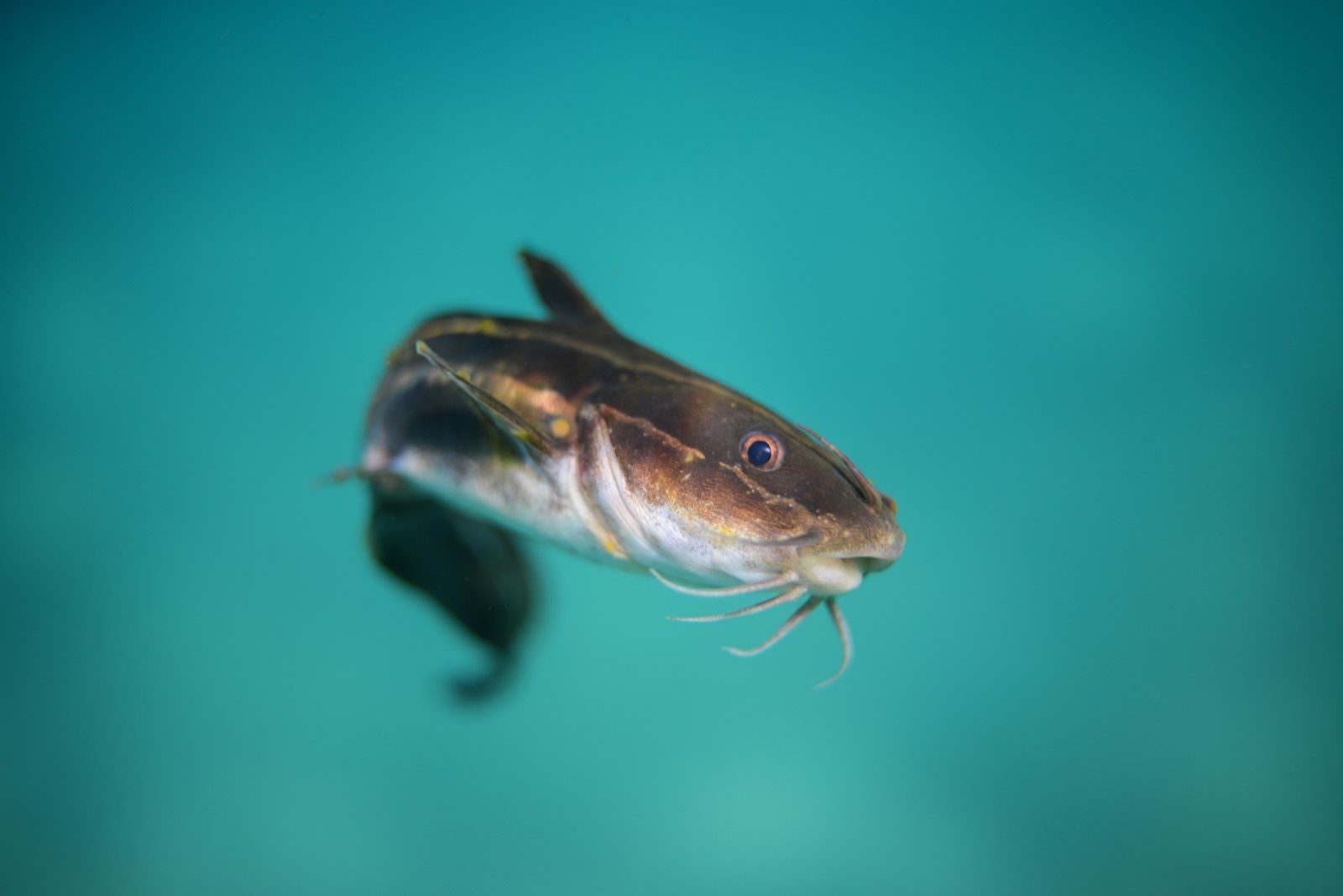
A quiet backyard pond became the scene of a puzzling mystery after several prized fish were discovered dead with unexplained injuries. At first, poor water quality or disease seemed like the most likely explanation.
But as more fish disappeared, attention shifted beneath the murky water, where a massive catfish was quietly patrolling the pond. Removing the giant fish soon became essential to protect the remaining aquatic life.
Rare fish began disappearing
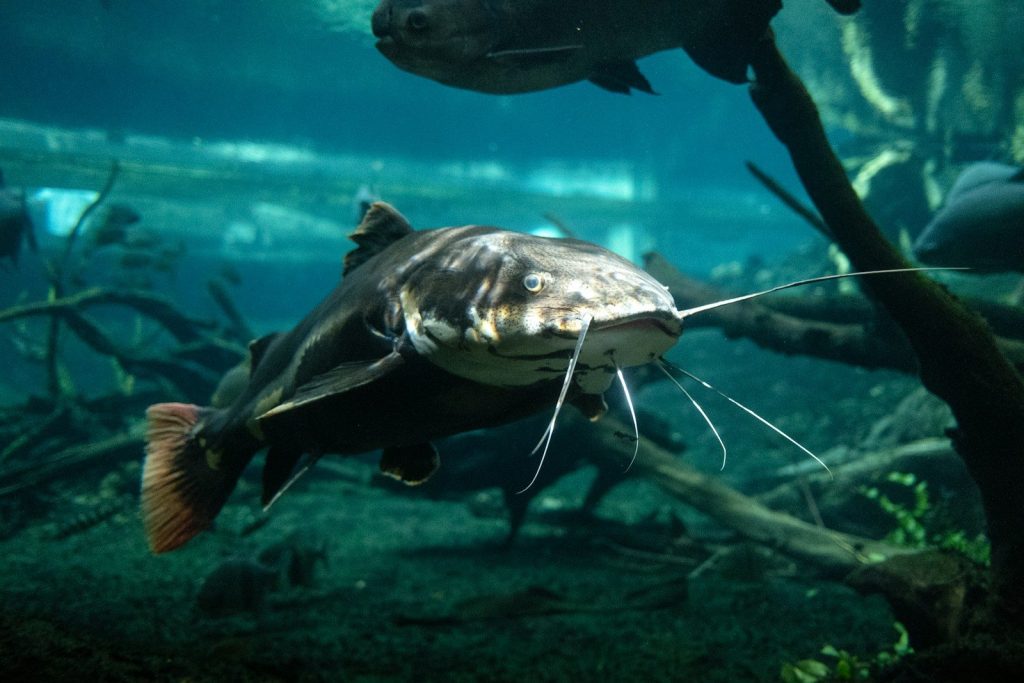
The mystery started when healthy fish were found dead or severely injured without any obvious explanation. Water conditions appeared normal, yet losses continued over several days.
When fish die suddenly, pond owners often suspect oxygen shortages, disease, or predators. Careful observation eventually revealed that something much larger was moving through the pond.
A giant catfish was hiding below
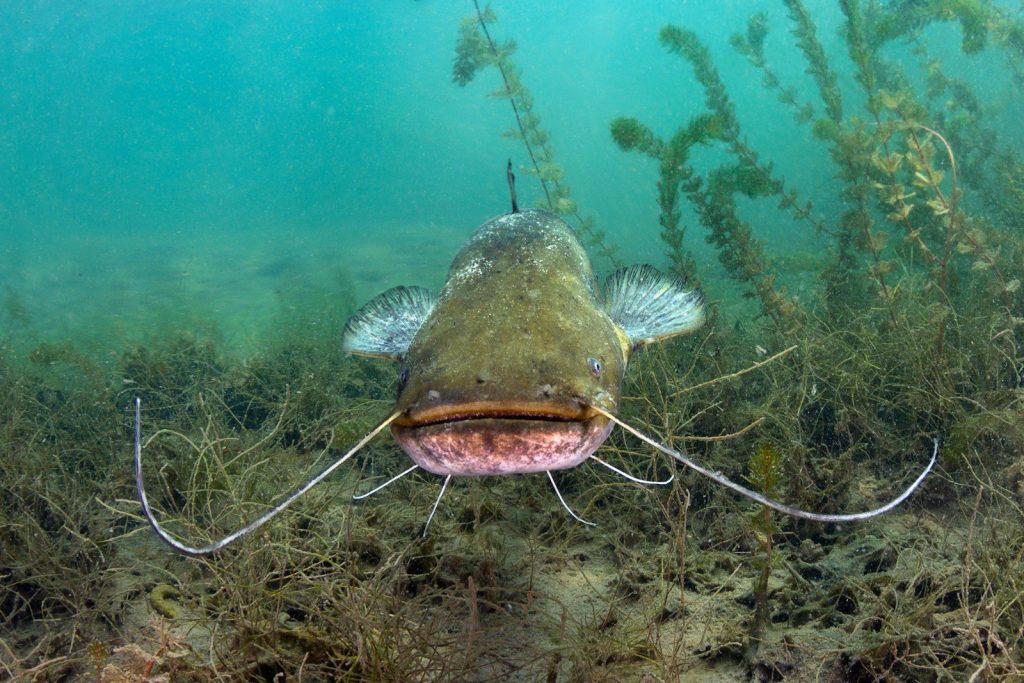
As the water cleared, the source of the problem became visible. A catfish measuring roughly five feet long had established itself in the pond.
Large catfish are opportunistic feeders. Depending on the species, they consume fish, crustaceans, amphibians, and almost any prey they can overpower or swallow. Their size alone allows them to dominate smaller pond inhabitants.
Sharp spines make handling dangerous
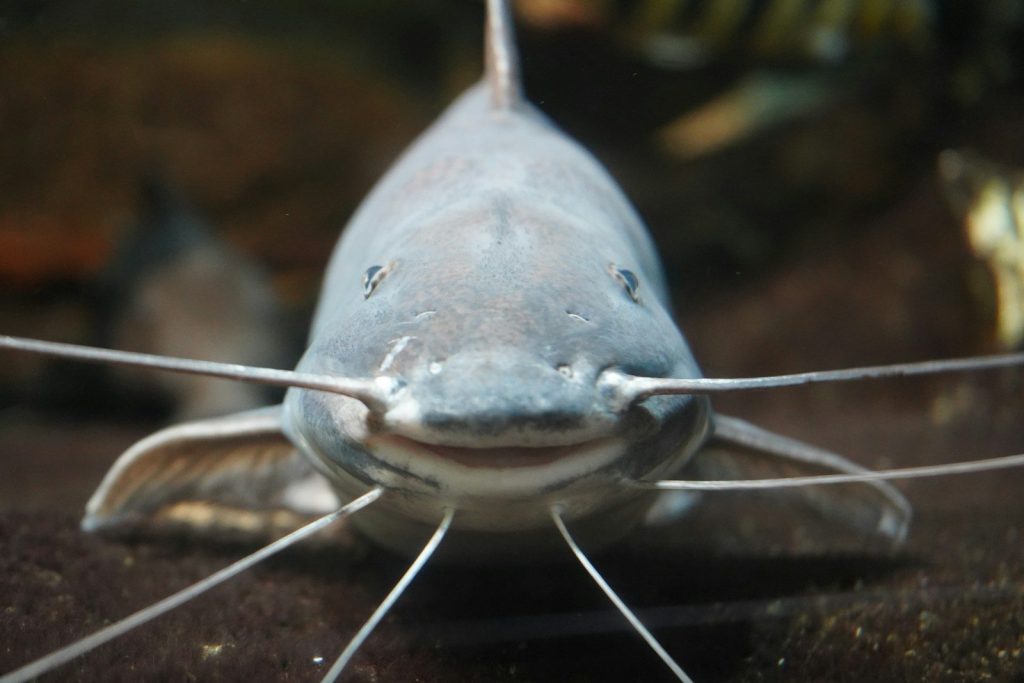
Although catfish do not possess blades along their bodies, many species have strong, sharp spines on their dorsal and pectoral fins. These spines can puncture skin and make capturing large individuals difficult.
Some armored catfish also have hard, bony plates that provide additional protection while making them challenging to handle safely.
Catching the giant required patience
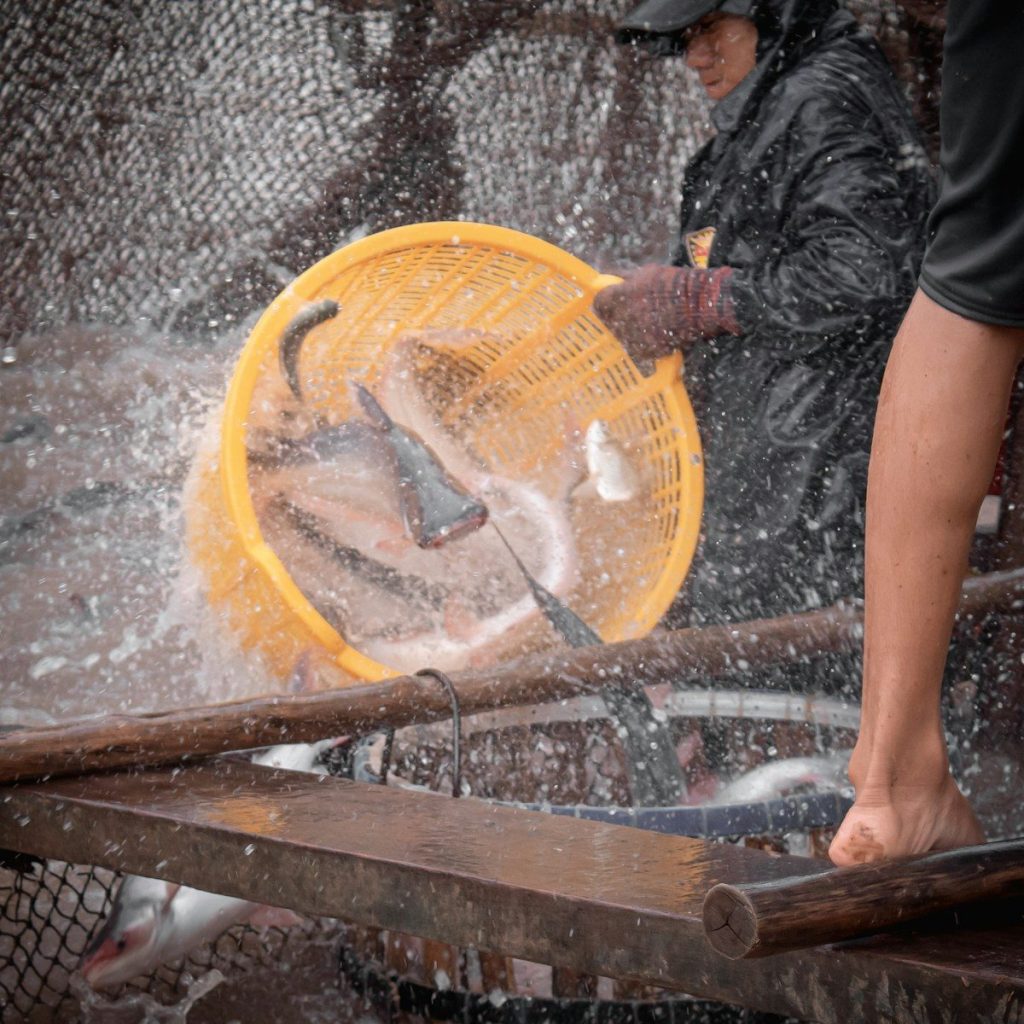
Removing a large fish from a confined pond is rarely simple. The animal can stir up mud, hide among underwater structures, and use its powerful body to evade capture.
Successful removal often depends on careful planning that minimizes stress for both the fish and the rest of the pond’s inhabitants.
Healthy ponds need balanced ecosystems
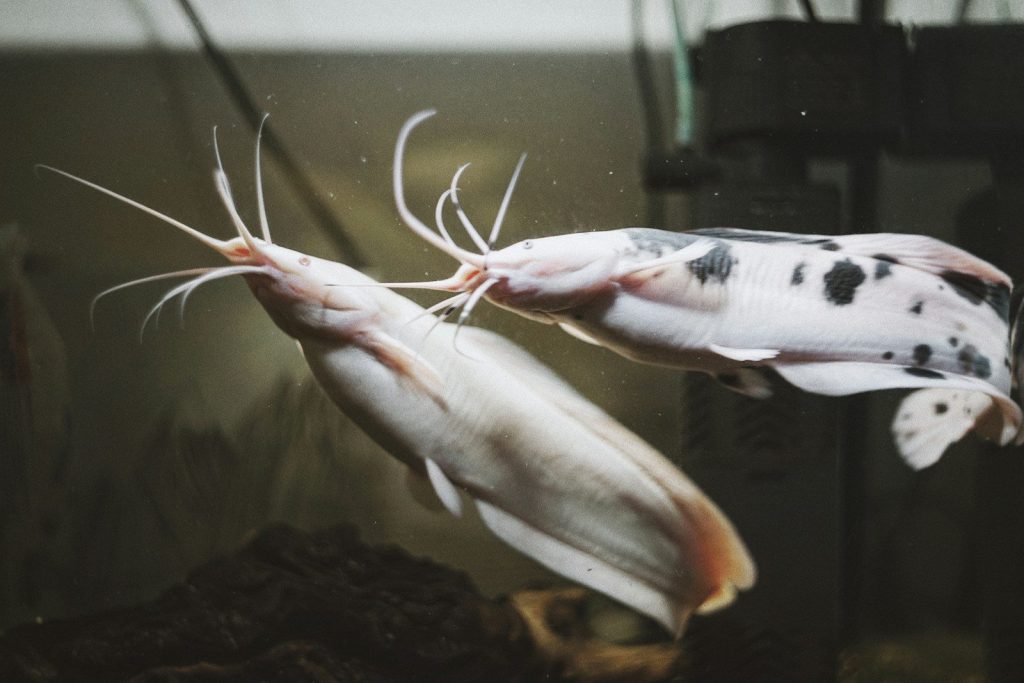
Predatory fish naturally play important roles in rivers and lakes, but they can create problems when introduced into small ornamental ponds. Limited space and fewer hiding places leave smaller fish especially vulnerable.
Regular monitoring helps pond owners identify problems before significant losses occur, whether the cause is poor water quality, disease, or an unexpected predator.
A reminder to monitor pond wildlife
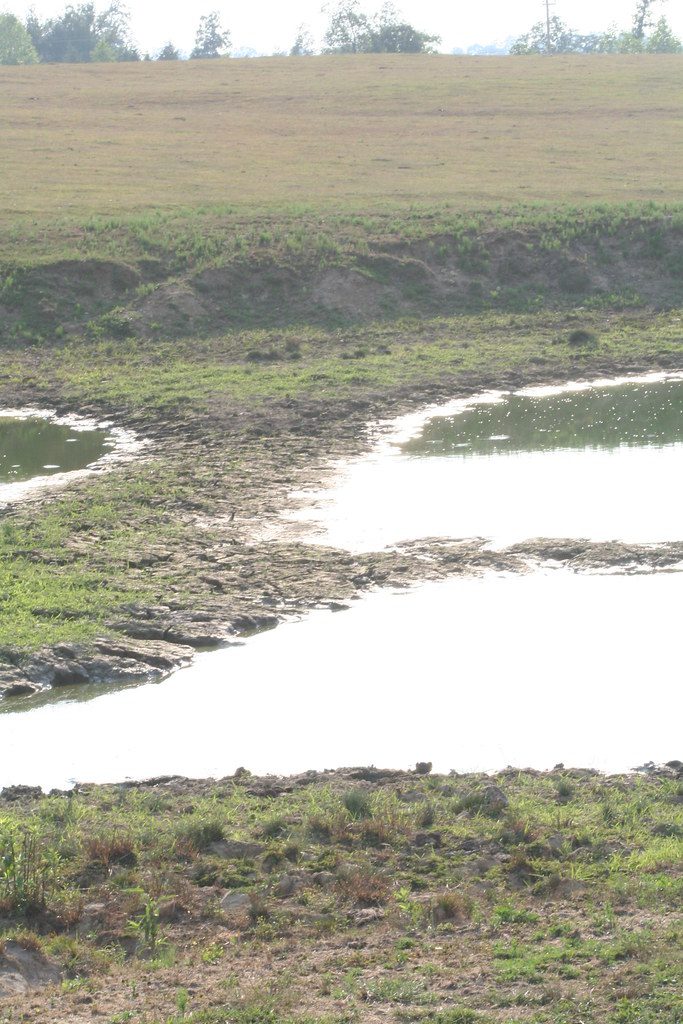
The discovery of a giant catfish transformed what first looked like a routine fish loss into an unusual wildlife encounter. While large catfish are fascinating animals, they can dramatically alter the balance of a small pond if left unchecked.
Understanding the species living in a pond and maintaining healthy conditions remain the best ways to protect valuable fish collections while supporting a stable aquatic ecosystem.
Leave a Reply