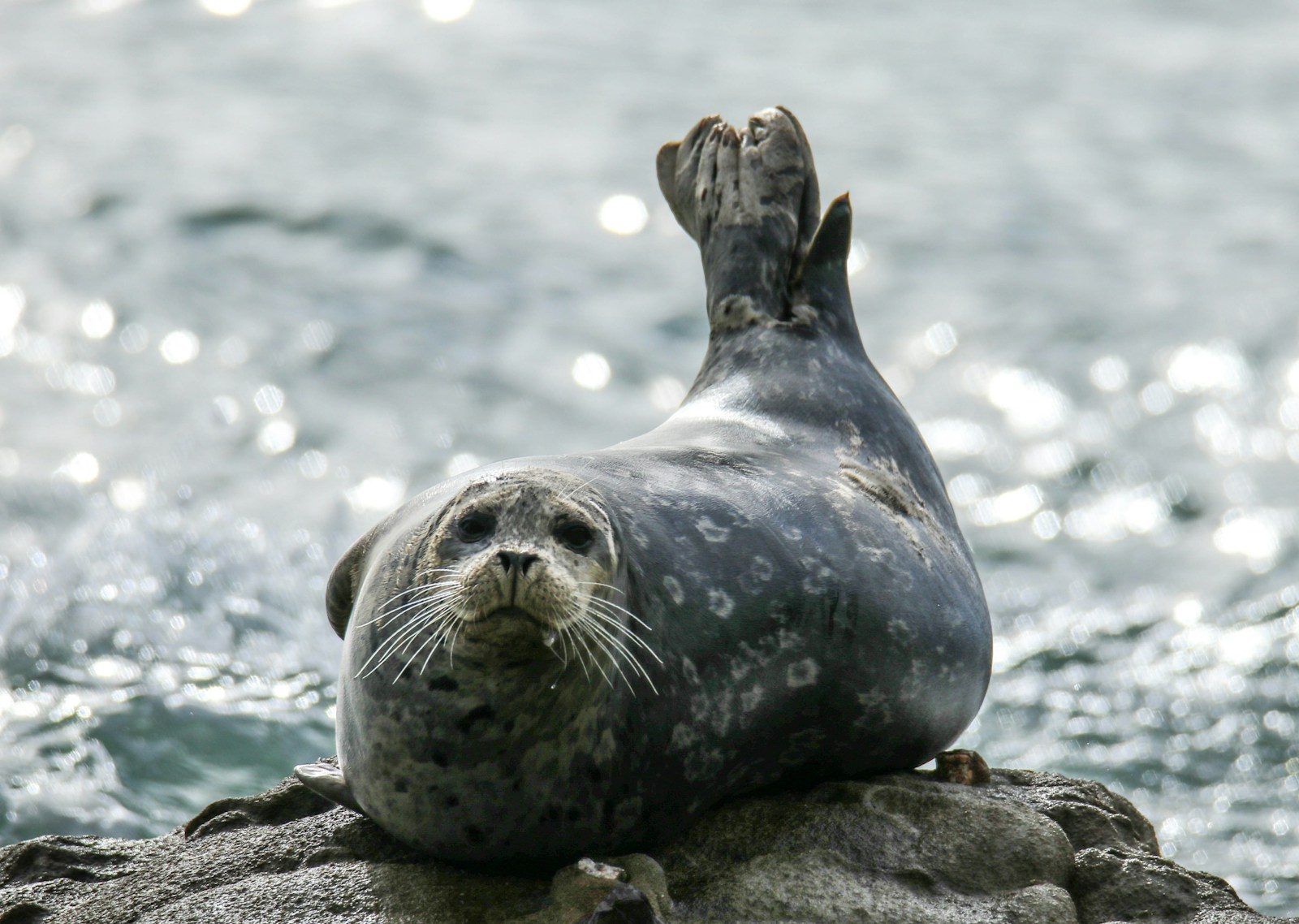
When rescuers first reached the young seal, the frightened animal reacted exactly as a wild marine mammal would. It struggled, tried to escape, and viewed every nearby person as a threat.
A tight entanglement around its body had left it exhausted and vulnerable, yet it could not understand that the people approaching were there to save its life. What followed became a powerful reminder of the difference that patience, skill, and compassion can make for wildlife in distress.
A dangerous entanglement
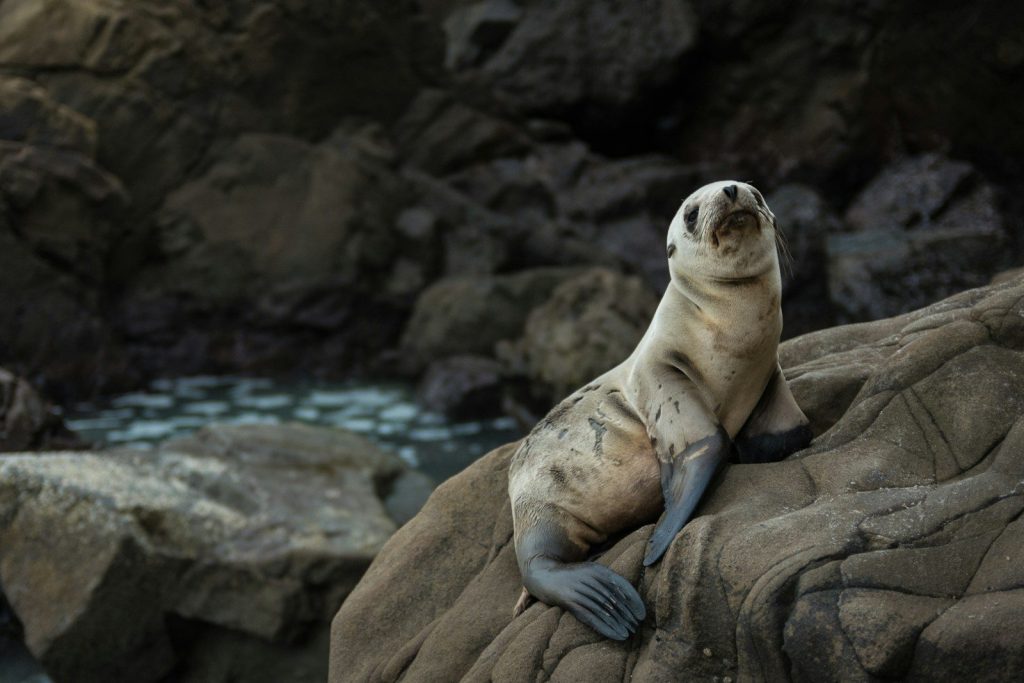
Marine debris is one of the greatest threats facing seals around the world. Discarded fishing nets, ropes, plastic straps, and packaging can become tightly wrapped around an animal’s neck, flippers, or body.
As seals continue to grow, these materials cut deeper into the skin, causing painful injuries, infections, and difficulty swimming or hunting. Without rescue, many entangled seals do not survive.
Why wild seals fear people
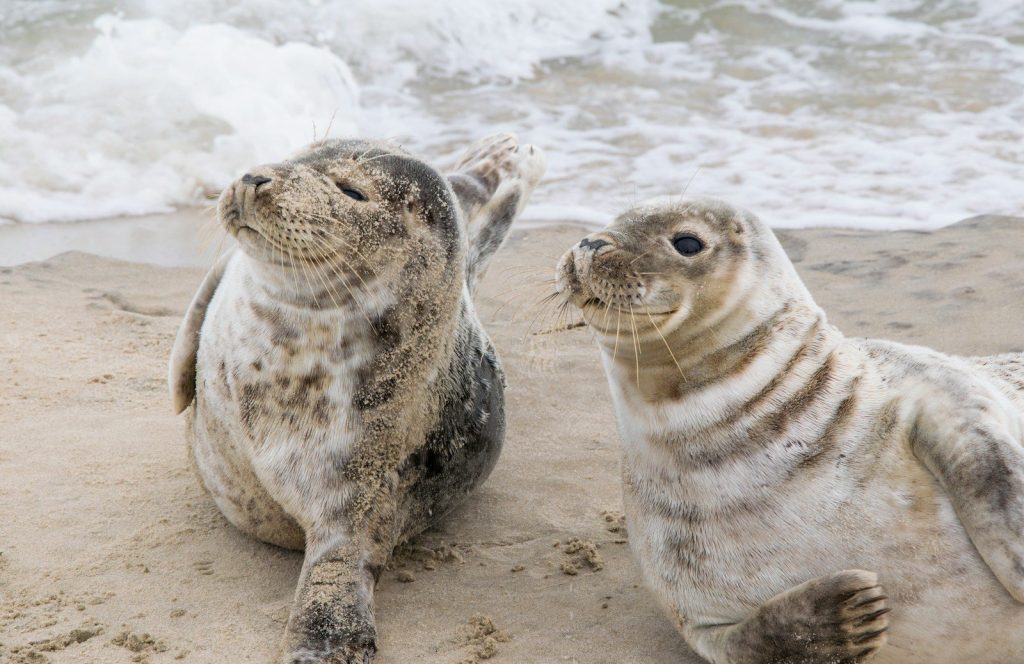
Unlike domesticated animals, wild seals naturally avoid humans. Even severely injured individuals often bite, twist, or struggle because they cannot distinguish rescuers from potential threats.
Wildlife response teams are trained to work quickly while minimizing stress, using specialized techniques that reduce the time an animal spends under restraint before being released.
A careful rescue
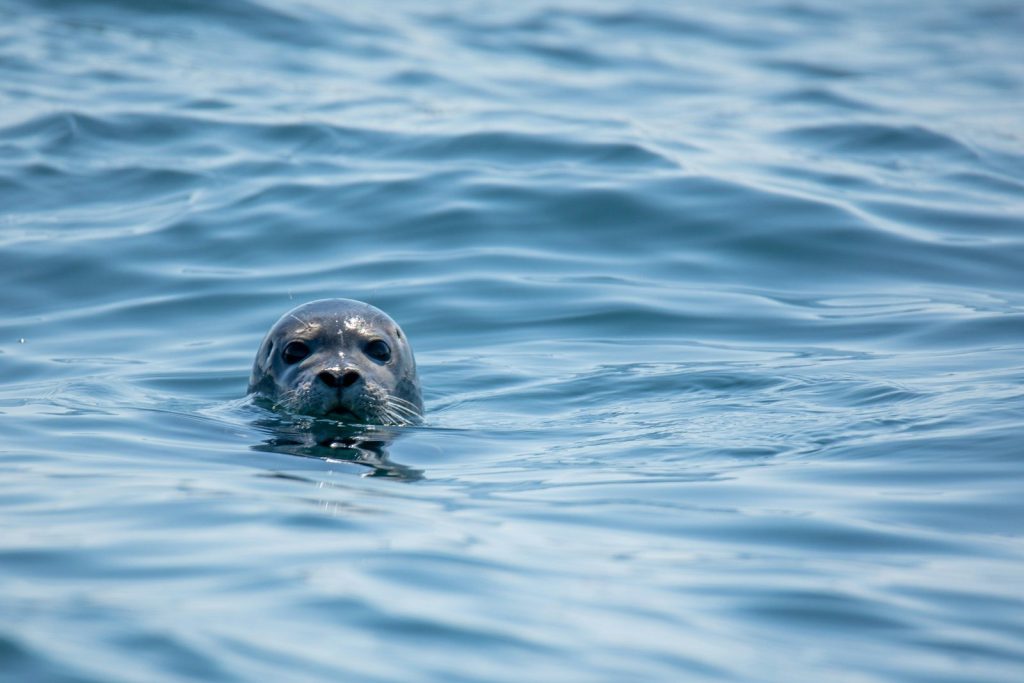
After safely securing the seal, rescuers carefully removed the material wrapped around its body. Every movement was designed to avoid causing additional injury while freeing the animal from the restriction that had threatened its survival.
Once the entanglement was removed, the team checked the seal for visible injuries before preparing it for release back into its natural environment.
A calmer animal after the rescue
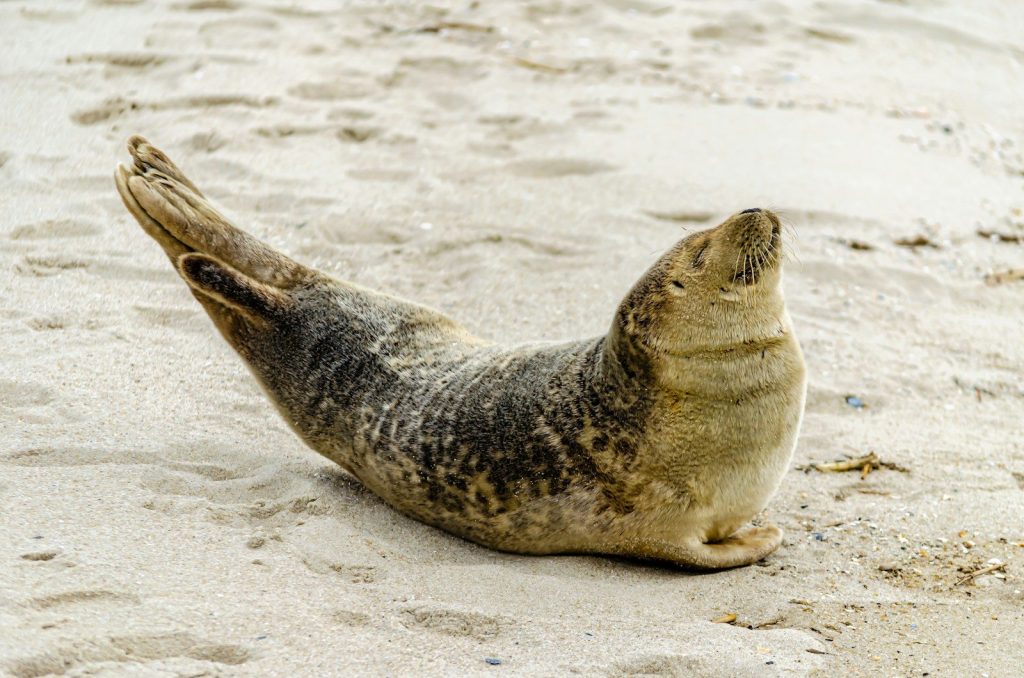
As the rescue progressed, the seal appeared noticeably less distressed than when it was first approached. While scientists cannot determine exactly what a wild animal is thinking, removing pain and physical restraint often results in calmer behavior.
Experts caution against interpreting this as gratitude, but it clearly demonstrates how relieving an immediate threat can quickly improve an animal’s condition.
Every rescue tells a larger story
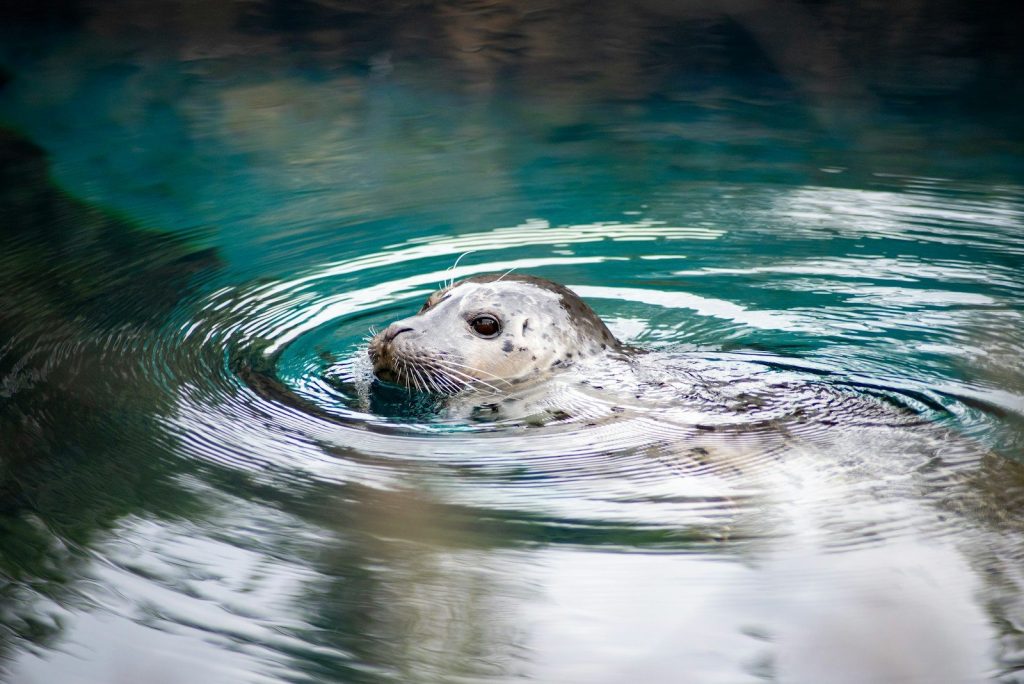
Individual rescues are encouraging, but they also highlight a growing environmental problem. Lost fishing gear and plastic pollution continue to injure thousands of marine animals every year, including seals, sea lions, whales, dolphins, and sea turtles.
Reducing marine debris remains one of the most effective ways to protect ocean wildlife before rescues become necessary.
Compassion helps protect wildlife
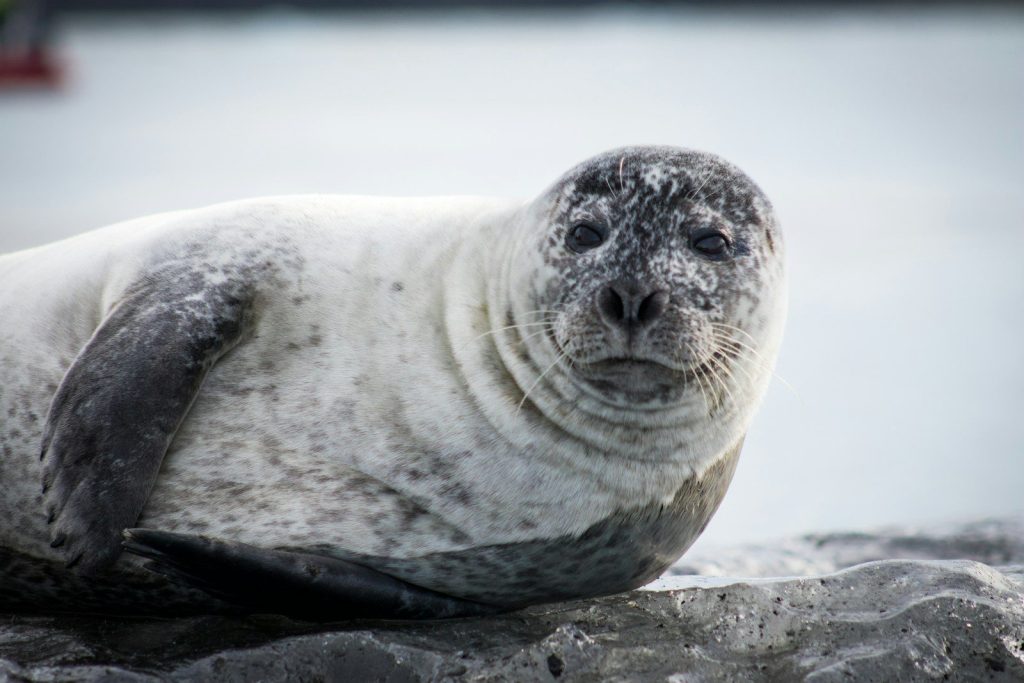
The rescued seal’s story reminds us that conservation is not only about protecting habitats but also about responding when animals need immediate help. Every successful rescue gives one animal another chance while raising awareness of the human impacts affecting marine ecosystems.
Through responsible fishing practices, cleaner oceans, and continued wildlife rescue efforts, more animals can be spared the dangers of preventable entanglement.
Leave a Reply