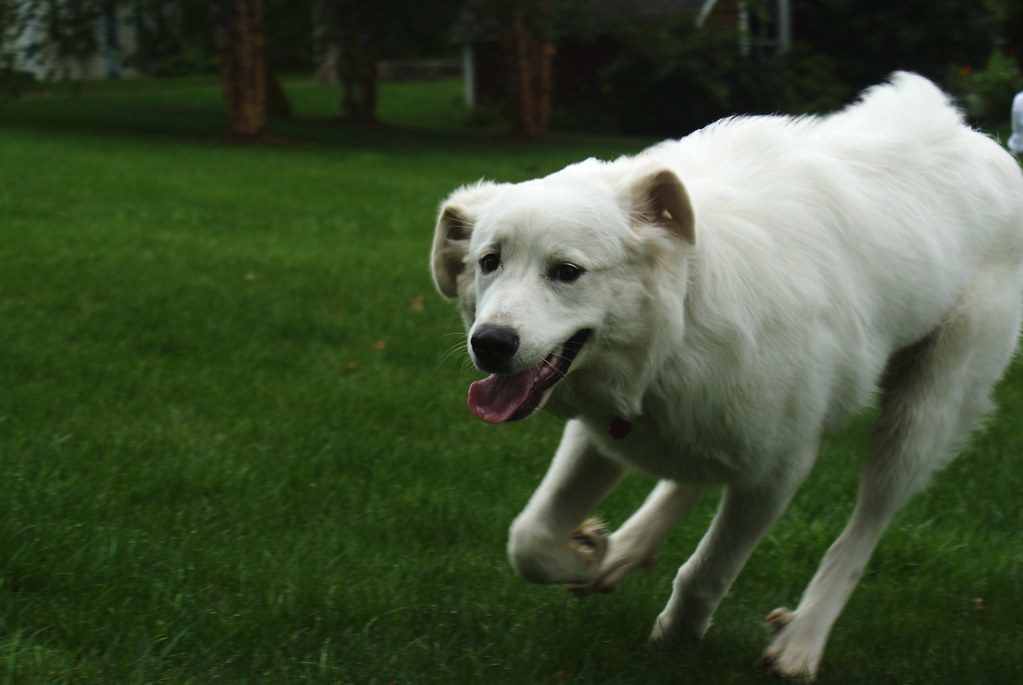
Coyotes are a big problem for many Texas ranchers because they can kill sheep, goats, and other farm animals. One solution that has stood the test of time is using ancient livestock guardian dog breeds.
These dogs have protected flocks for thousands of years, and many Texas ranchers still depend on them today. Unlike herding dogs, livestock guardian dogs stay with the animals and help keep predators away. In this article, you’ll learn how these dogs work, which breeds are common in Texas, and why they remain one of the most effective tools for reducing coyote attacks.
What are livestock guardian dogs?
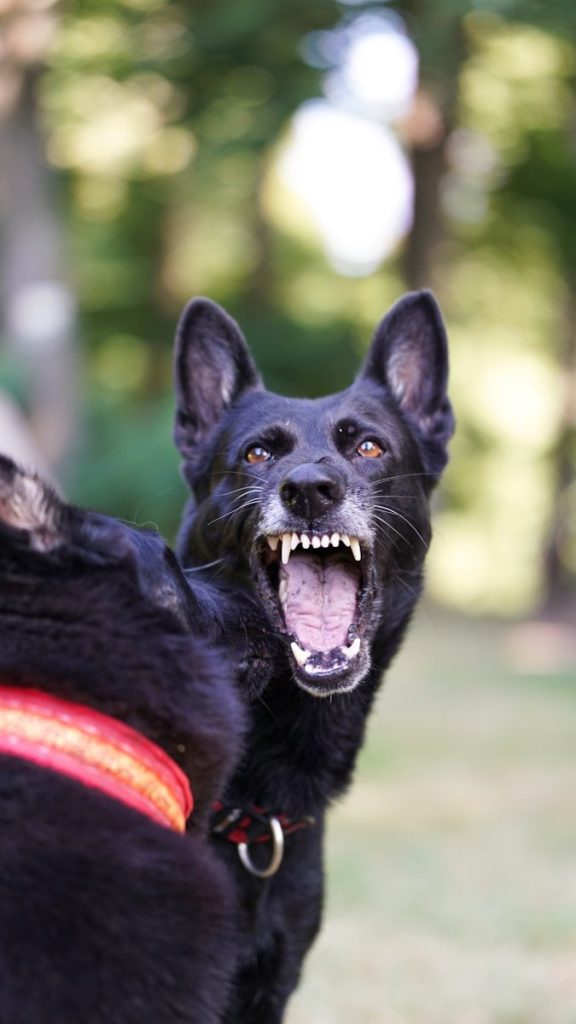
Livestock guardian dogs are large working dogs that are bred to protect animals instead of moving them. They live with sheep, goats, or other livestock and see them as part of their family. Their job is to watch, warn, and defend the herd if danger appears.
These dogs have been used for thousands of years in Europe and Asia to protect animals from wolves, bears, and other predators. Today, they continue that same job on many Texas ranches, where coyotes are one of the biggest threats to livestock.
Why coyotes are a challenge in Texas
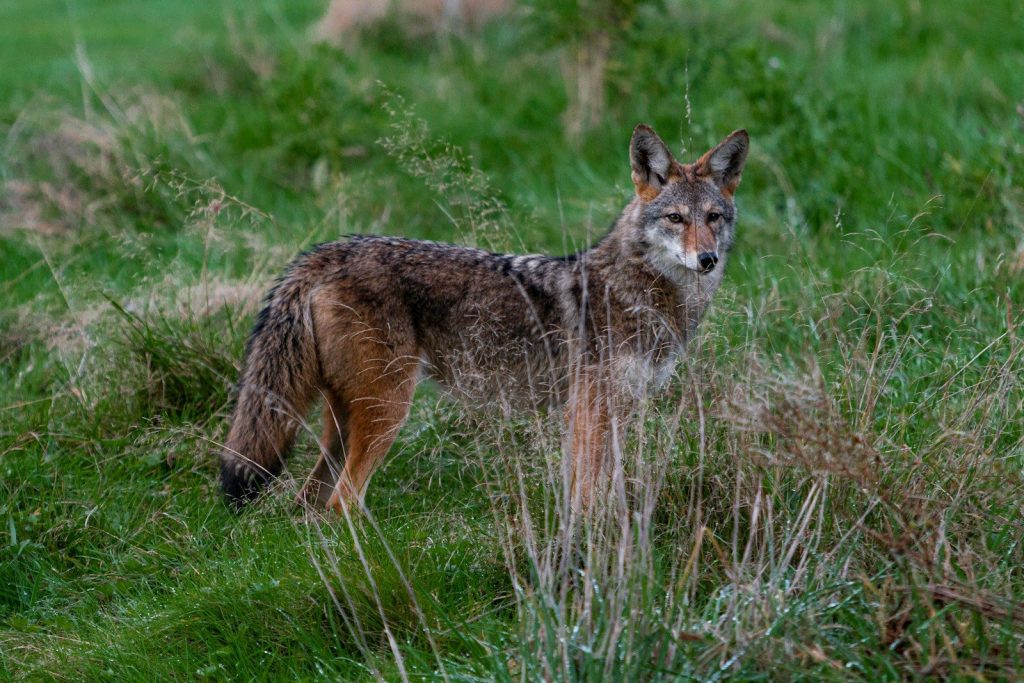
Coyotes are found across Texas and are highly adaptable. They often hunt smaller livestock such as lambs and young goats, especially during the spring when many animals are born. This can lead to costly losses for ranchers.
Many ranchers use fencing and other predator control methods, but guardian dogs add another layer of protection. Their barking, scent, and constant presence often convince coyotes to leave before an attack happens, reducing the chance of livestock losses.
Ancient breeds still used today
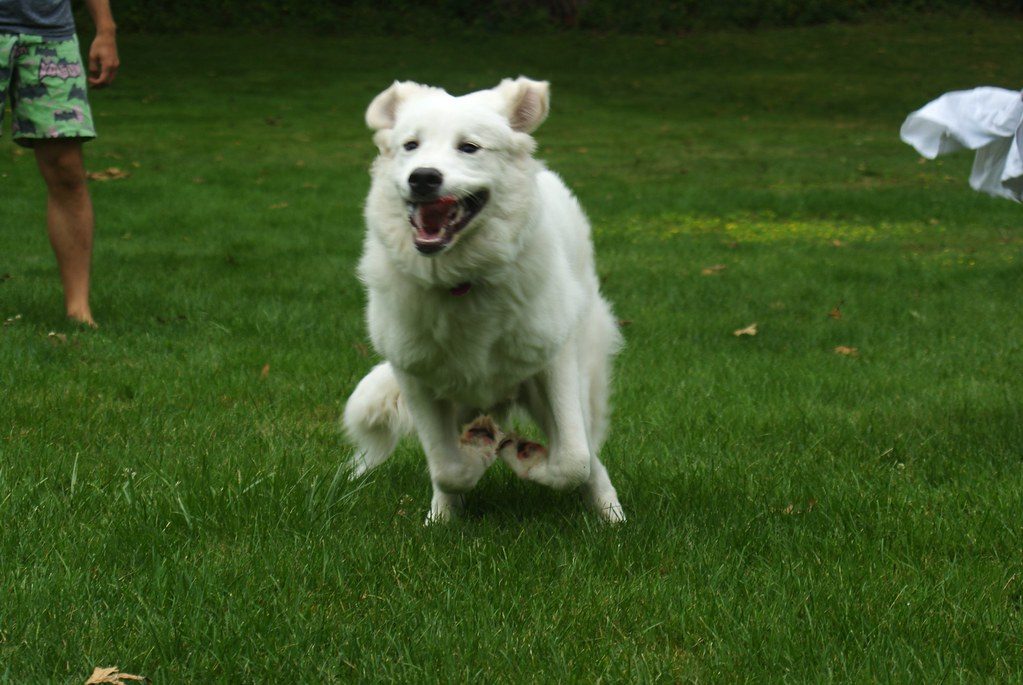
Several ancient livestock guardian breeds are common on Texas ranches. The Great Pyrenees, Anatolian Shepherd, Akbash, and Maremma are among the breeds most often recommended because they have strong guarding instincts.
These breeds were developed over many centuries to protect animals without harming them. Texas A&M notes that Great Pyrenees are the most common guardian dogs in Texas, while Akbash dogs are often chosen for their strong protective nature.
How do these dogs stop coyote attacks
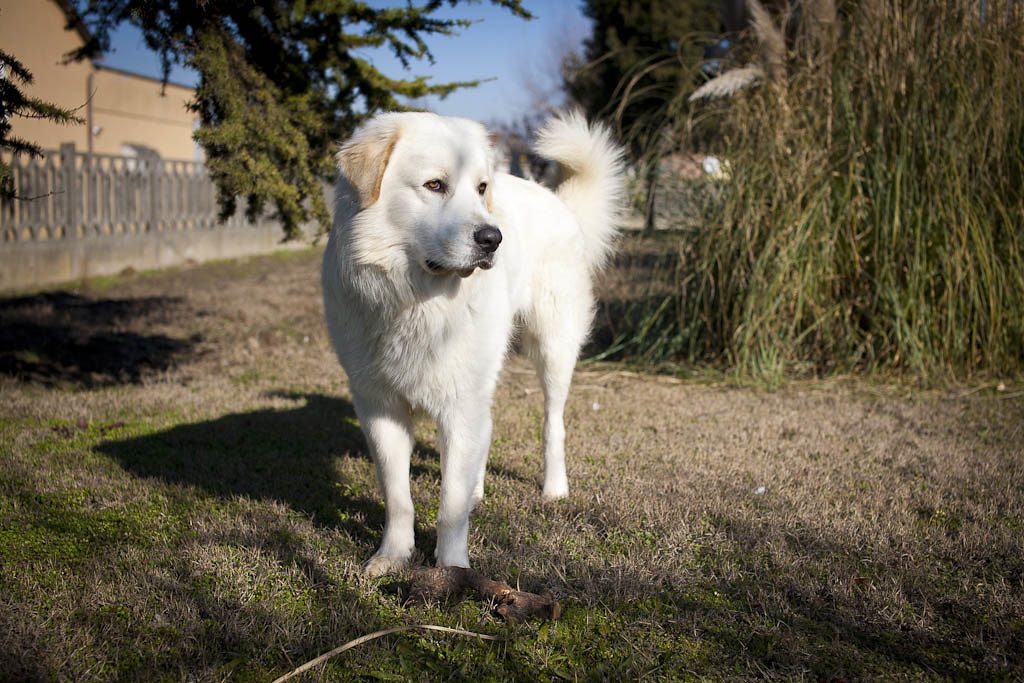
Livestock guardian dogs usually do not chase predators over long distances. Instead, they patrol the pasture, bark loudly, and place themselves between the herd and the threat. Most coyotes decide the risk is too great and leave the area.
Good guardian dogs stay close to the animals and remain alert, especially around dawn and dusk when predators are most active. Their success depends on proper training, bonding with livestock from a young age, and regular management by the rancher.
Why training matters as much as breed
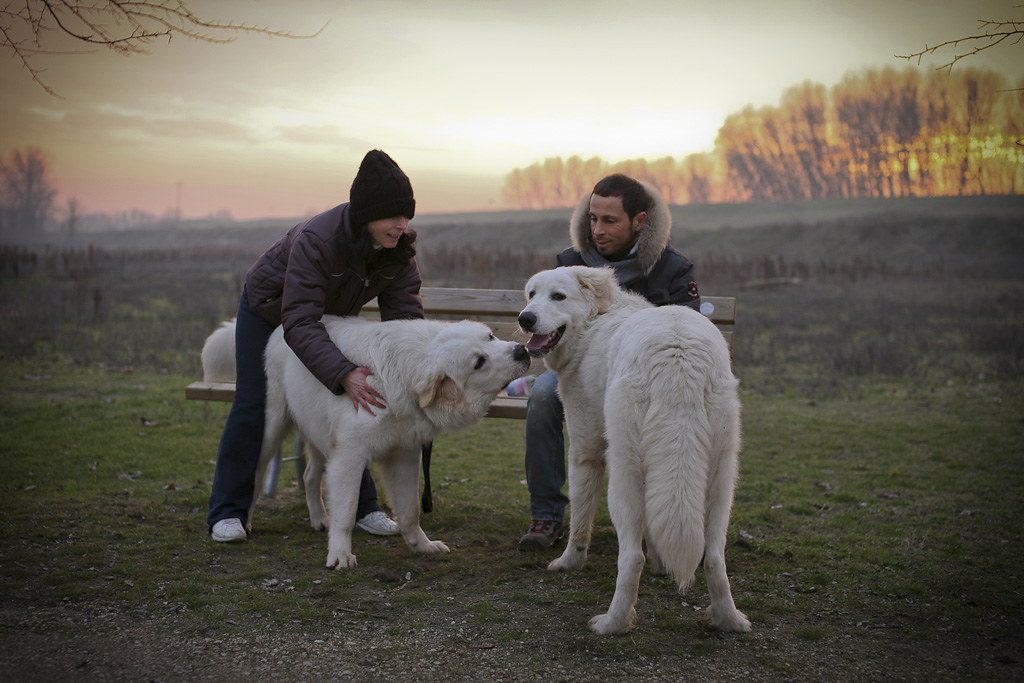
A well-trained guardian dog is more important than choosing a specific breed. Puppies should grow up with the livestock so they form a strong bond with the animals they will protect. This early bonding helps them stay with the herd throughout their lives.
Experts also recommend teaching basic commands and preventing dogs from roaming away from the pasture. Dogs that spend too much time away from livestock are less effective at protecting them from predators.
Why ranchers continue to rely on them
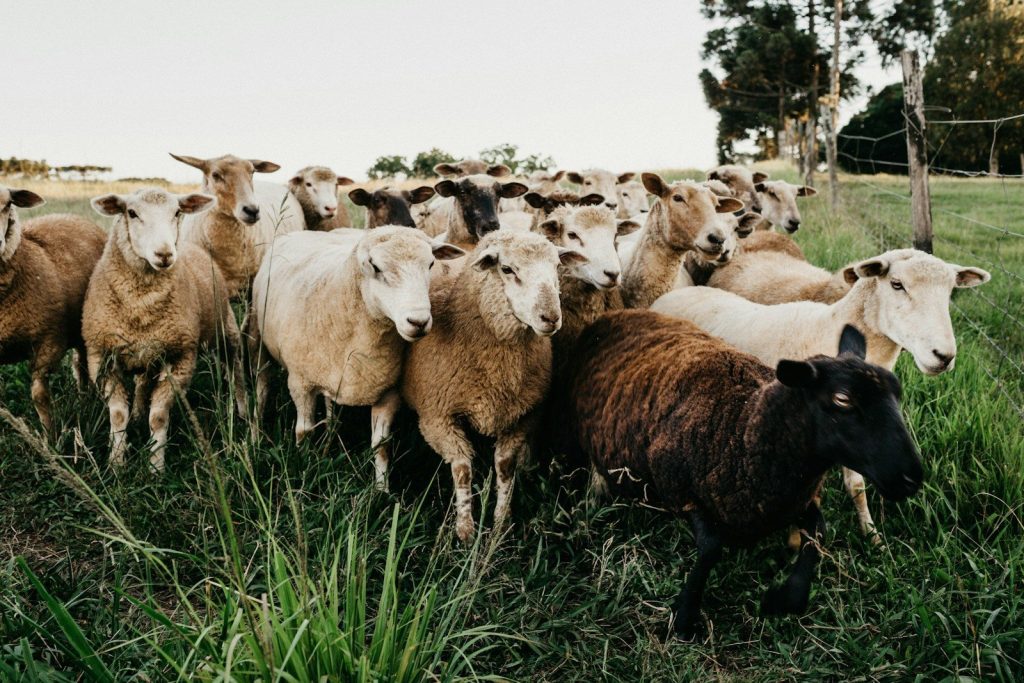
Livestock guardian dogs offer continuous protection without needing constant human supervision. They work day and night and can guard sheep, goats, cattle, and even poultry, making them valuable partners on many ranches.
Their long history and proven performance explain why these ancient breeds are still trusted today. When properly raised and managed, they help reduce coyote attacks while allowing ranchers to protect their animals using a natural and dependable method.
Featured Image: “Cassidy (Great Pyrenees) in New Harbor, Maine” by Dallas Krentzel is licensed under CC BY 2.0
Leave a Reply