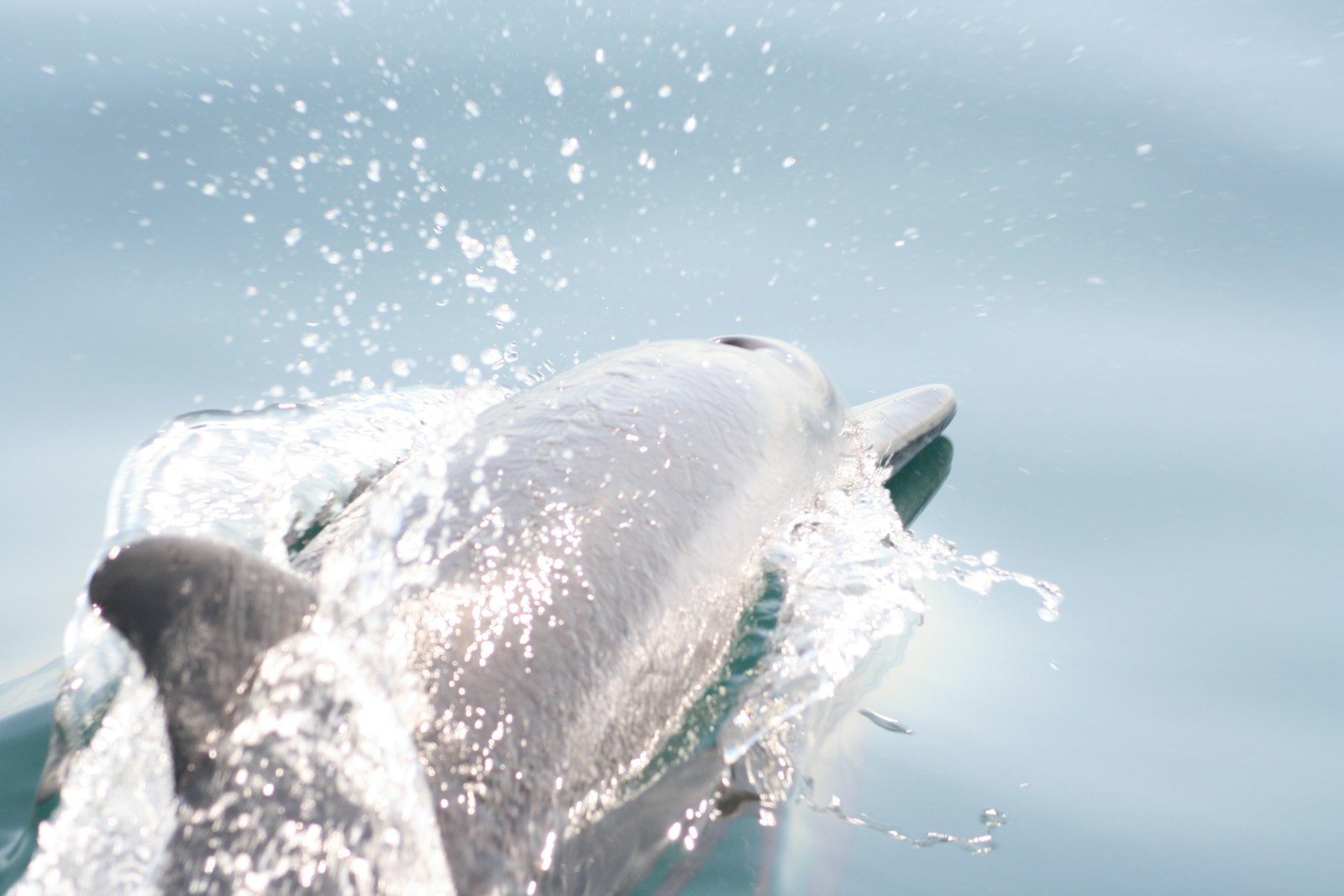
Seeing a young dolphin stranded on a beach is heartbreaking. Without quick help, a dolphin can become weak from the sun, lose water, and struggle to breathe under its own weight. In this case, a young dolphin rescued after becoming stranded on beach had a better outcome because people quickly called trained wildlife responders instead of trying to handle the animal themselves.
This article explains what happened during the rescue, why dolphins become stranded, how trained teams help them, and what people should do if they ever find a stranded dolphin. You will also learn why every rescue gives scientists valuable information that can help protect dolphins in the future.
Rescue teams responded quickly
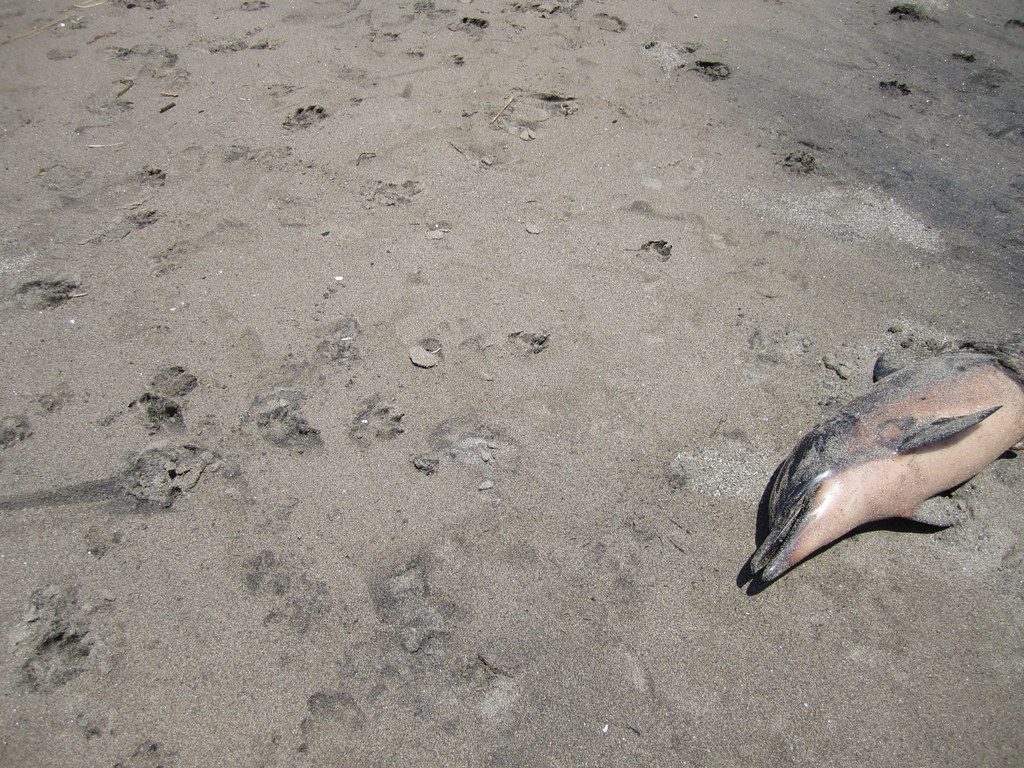
The young dolphin was found alive after becoming stranded on a beach. Beachgoers noticed the animal was unable to return to deeper water and quickly contacted marine mammal rescue experts. While waiting for trained responders, people kept a safe distance so the dolphin would not become more stressed.
Rescue workers carefully examined the dolphin and kept its skin wet to prevent dehydration. The animal was then safely transported for a full health check and treatment. Marine experts say fast action often gives stranded dolphins the best chance of survival.
Why dolphins become stranded

Dolphins can become stranded for many reasons. Illness, injury, rough waves, changing tides, and getting separated from their mothers or pods can all leave a young dolphin trapped in shallow water. In some cases, the exact reason is never discovered.
Young dolphins are especially at risk because they have less experience and depend on their mothers. If a calf becomes weak or confused, it may drift into shallow water where it cannot swim back to deeper areas without help.
How experts cared for the dolphin
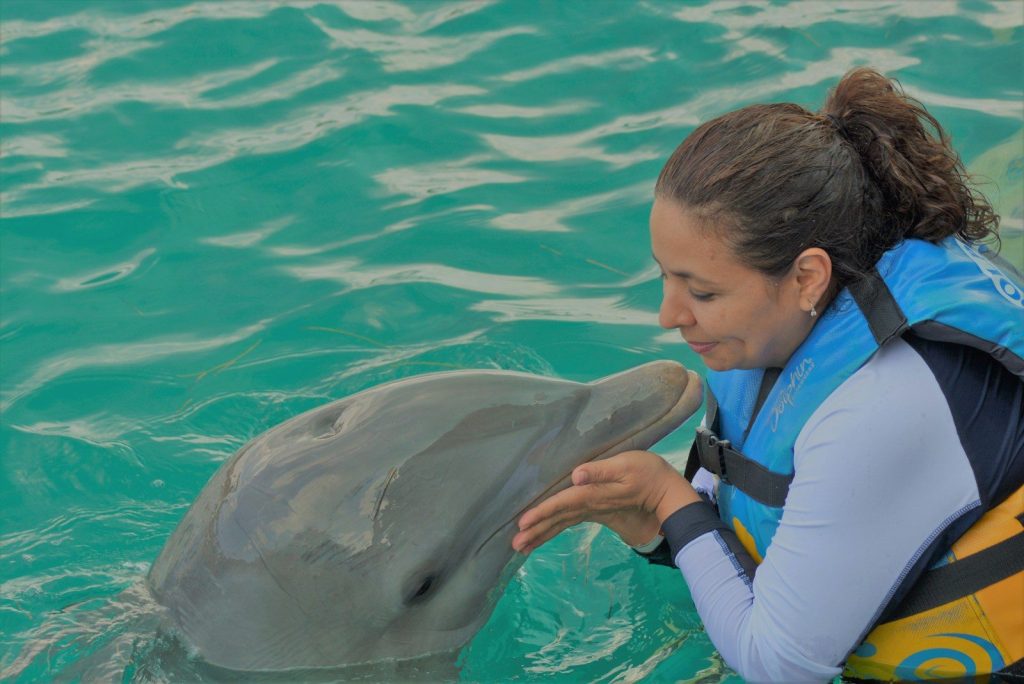
Rescuers first checked the dolphin’s breathing, body condition, and signs of injury. Keeping the dolphin cool and wet helped protect its skin while allowing the blowhole to stay clear so it could breathe normally. Every step was done by trained professionals using wildlife rescue guidelines.
After the initial care, the dolphin was taken to a rehabilitation facility for more detailed medical tests. Veterinarians monitored its health, provided fluids if needed, and watched for signs that it was strong enough to recover before making any decision about release.
Why people should not push dolphins back
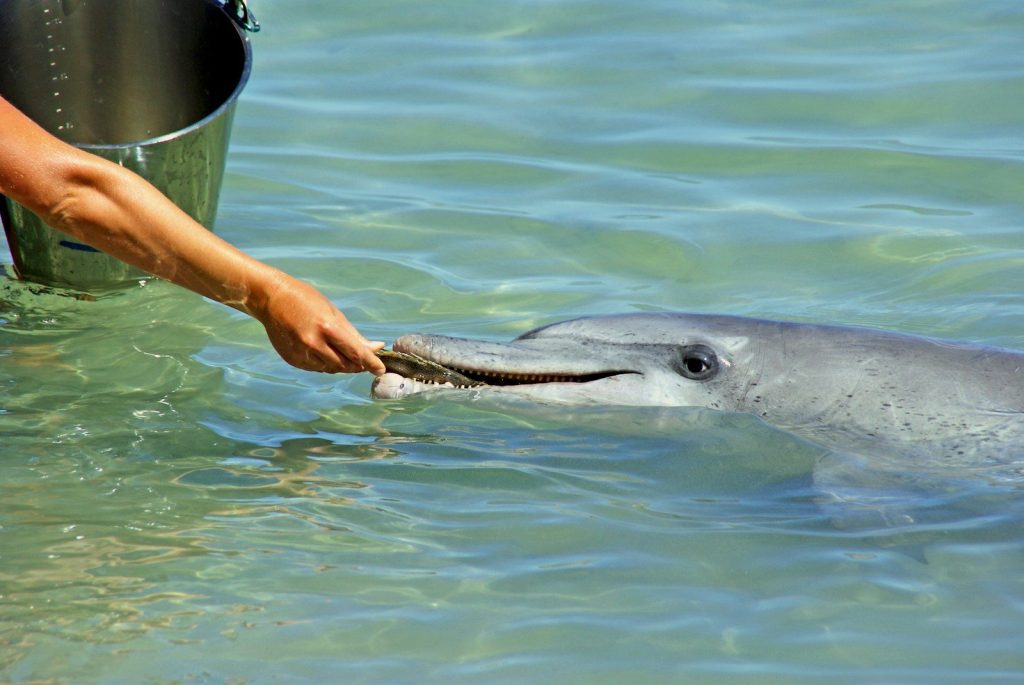
Many people want to help by pushing a stranded dolphin back into the ocean. While this may seem kind, experts warn that it can be dangerous. If the dolphin is sick, injured, or exhausted, sending it back into the water may reduce its chance of survival.
Instead, the safest choice is to call local marine mammal rescue authorities. Trained teams know how to assess the animal’s condition, provide emergency care, and decide whether rehabilitation or release is the best option.
What scientists learn from rescues

Every dolphin rescue helps scientists better understand marine life. Rescue teams collect information about the dolphin’s age, size, health, and any injuries or diseases. These records help experts identify threats affecting dolphin populations.
Scientists also study environmental conditions near the stranding site. Weather, tides, pollution, fishing gear, and other factors may provide clues about why the dolphin became stranded. This information supports future conservation efforts and improves rescue methods.
Why protecting dolphins matters
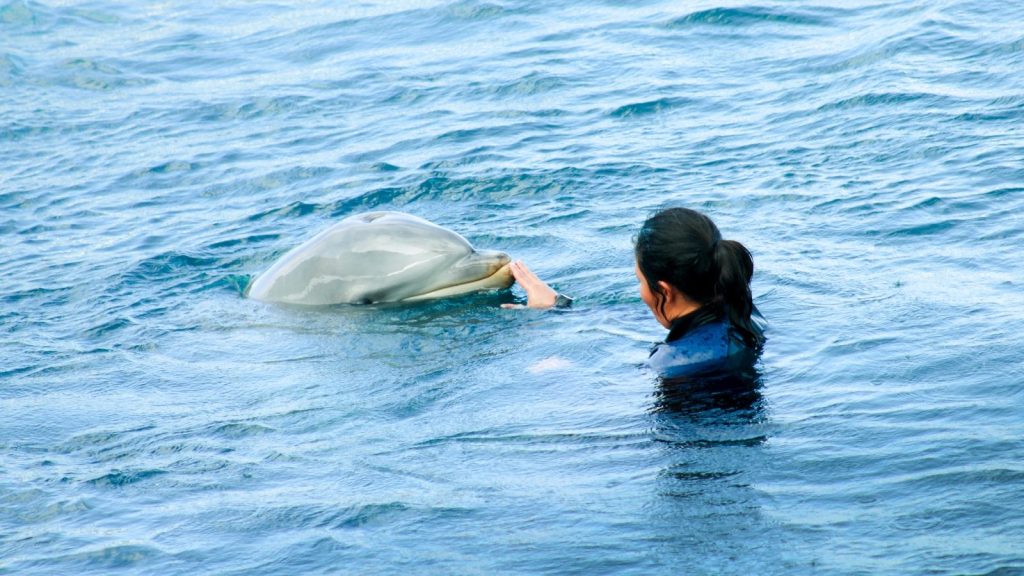
Dolphins are important predators that help keep ocean ecosystems balanced. Healthy dolphin populations often reflect healthier coastal waters, making them valuable indicators of the condition of the marine environment.
Rescuing stranded dolphins is only one part of protecting them. Reducing ocean pollution, properly disposing of fishing gear, slowing boats in wildlife areas, and reporting marine animals in distress all help improve the chances that dolphins will continue to thrive in the wild.
Featured Image: Photo by Neil Mewes on Unsplash
Leave a Reply