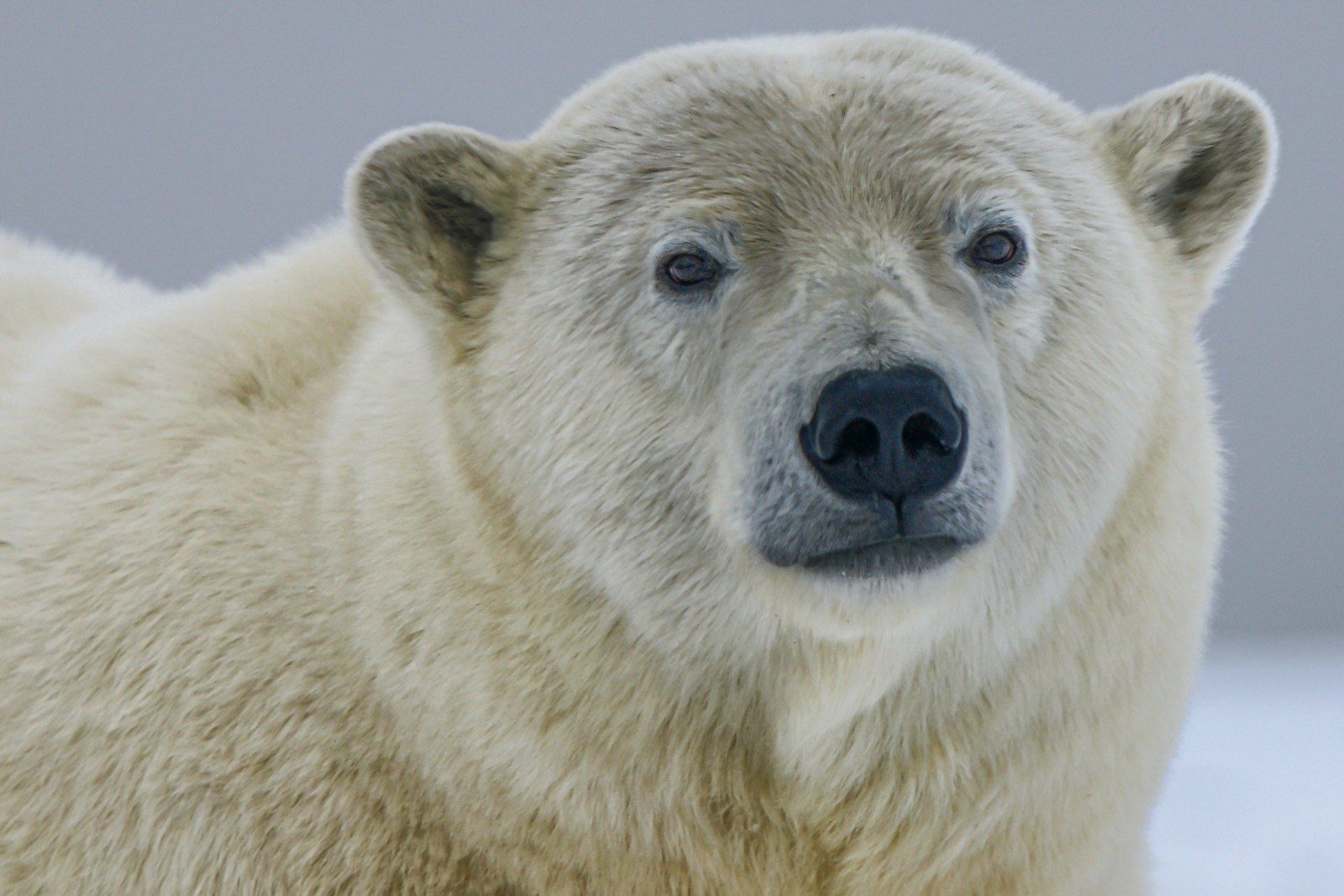
Climate change is changing the natural world faster than many animals can adapt. Rising temperatures, melting sea ice, stronger storms, warmer oceans, and changing rainfall are making it harder for wildlife to survive. Many species are losing the habitats and food they depend on, putting their future at risk.
This article explores the animals threatened by climate change and explains why they are struggling. You will learn how changing weather and warming habitats affect wildlife, which species face the greatest danger, and why protecting the climate is important for animals around the world.
Polar bears are losing their icy home
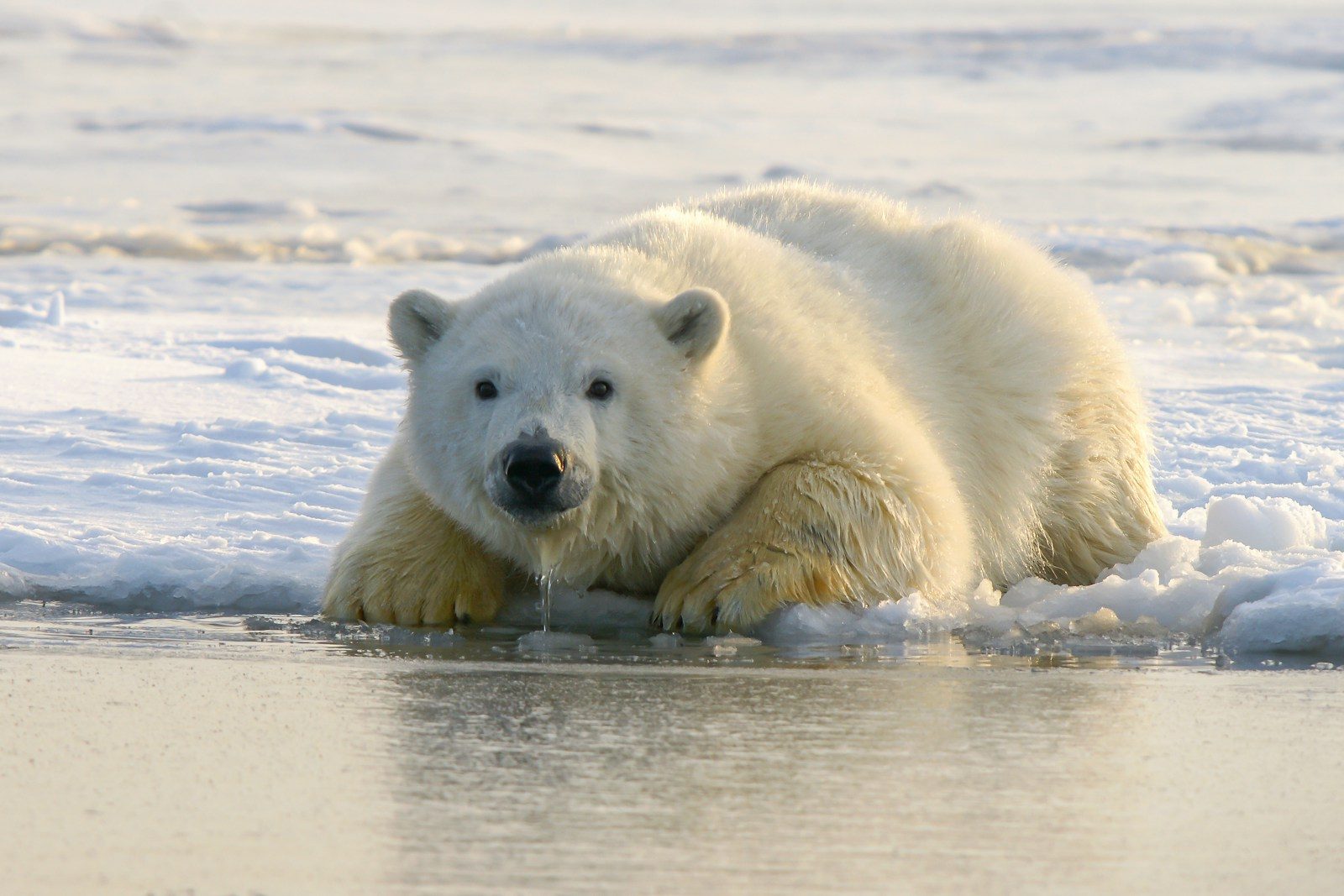
Polar bears depend on Arctic sea ice to hunt seals, travel, and raise their young. As the Arctic warms much faster than most other parts of the world, sea ice forms later and melts earlier each year. This leaves polar bears with less time to hunt and store the energy they need to survive.
Scientists warn that continued sea ice loss could cause major population declines in the coming decades. Longer ice-free seasons force bears to swim farther or spend more time on land, where food is much harder to find. Young bears and mothers with cubs are especially at risk.
Emperor penguins face melting sea ice
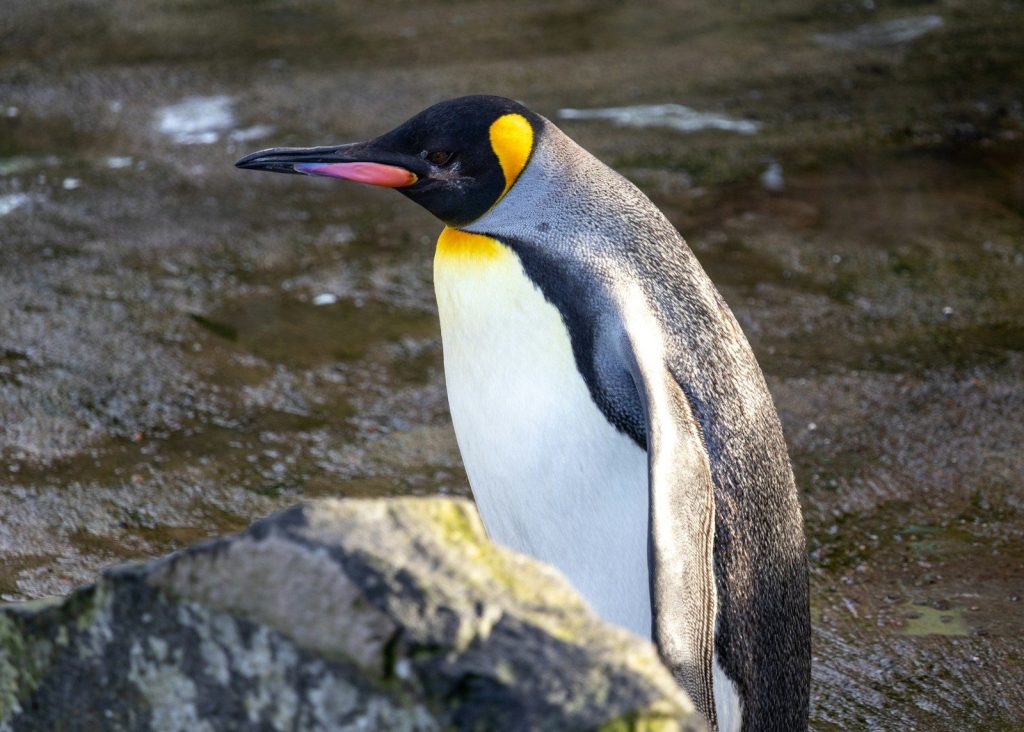
Emperor penguins rely on stable sea ice in Antarctica to breed and raise their chicks. If the ice breaks apart too early, chicks can fall into the freezing ocean before they grow waterproof feathers, leading to high mortality.
In 2026, the IUCN listed emperor penguins as Endangered because climate change is causing major losses of sea ice. Scientists project that their population could be cut roughly in half by the 2080s if greenhouse gas emissions remain high.
Sea turtles struggle on warmer beaches
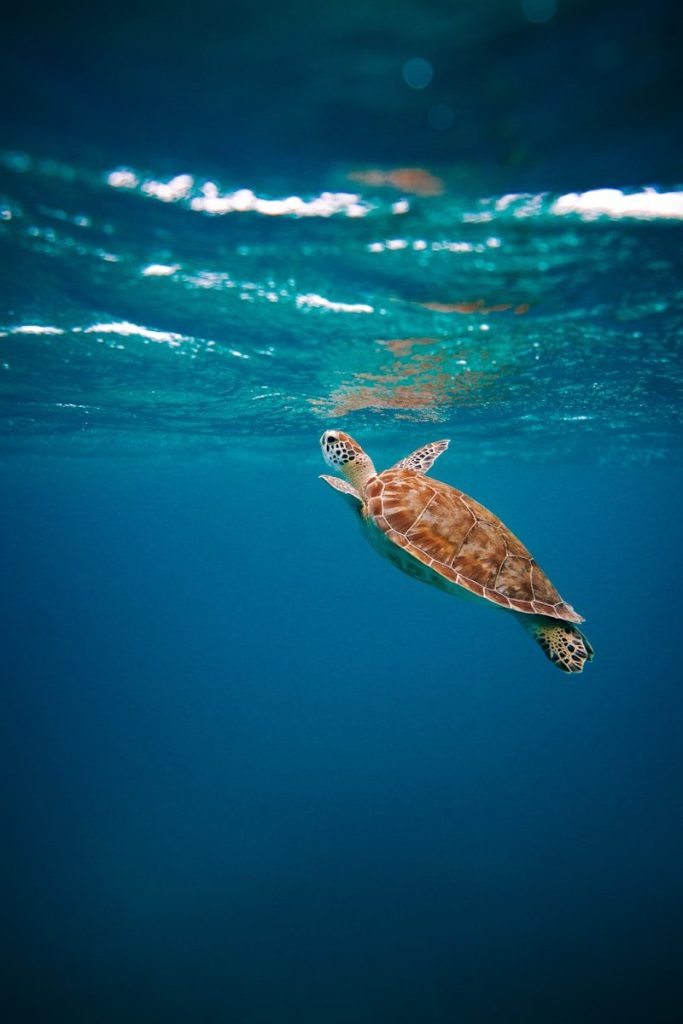
Sea turtles return to sandy beaches to lay their eggs, but rising temperatures are changing nesting conditions. Warmer sand produces far more female hatchlings than males, creating an imbalance that could affect future breeding.
Climate change also brings stronger storms and rising sea levels that wash away nesting beaches and flood turtle nests. These changes reduce the number of hatchlings that safely reach the ocean, making recovery harder for already threatened species.
Coral reefs and marine life are under stress
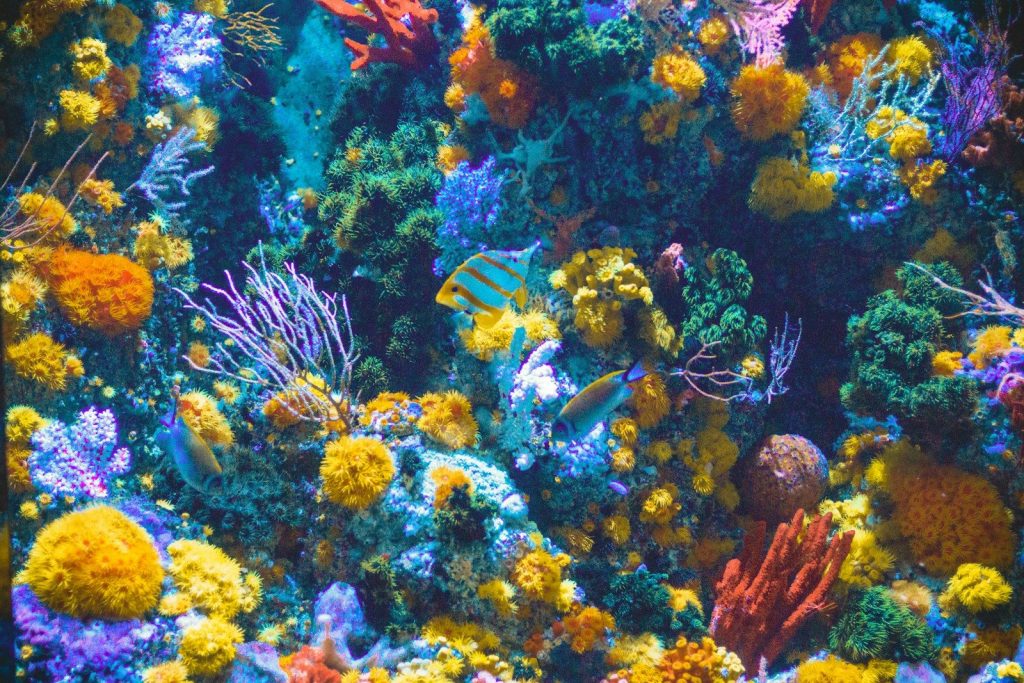
Coral reefs support thousands of fish, sea turtles, sharks, and many other marine animals. Rising ocean temperatures cause coral bleaching, where corals lose the tiny algae they need to survive. If warm conditions continue, large areas of reef can die.
When reefs disappear, many fish and other sea creatures lose their food and shelter. This affects entire ocean food webs and also harms millions of people who depend on healthy reefs for food, jobs, and coastal protection.
Frogs and other amphibians are at risk
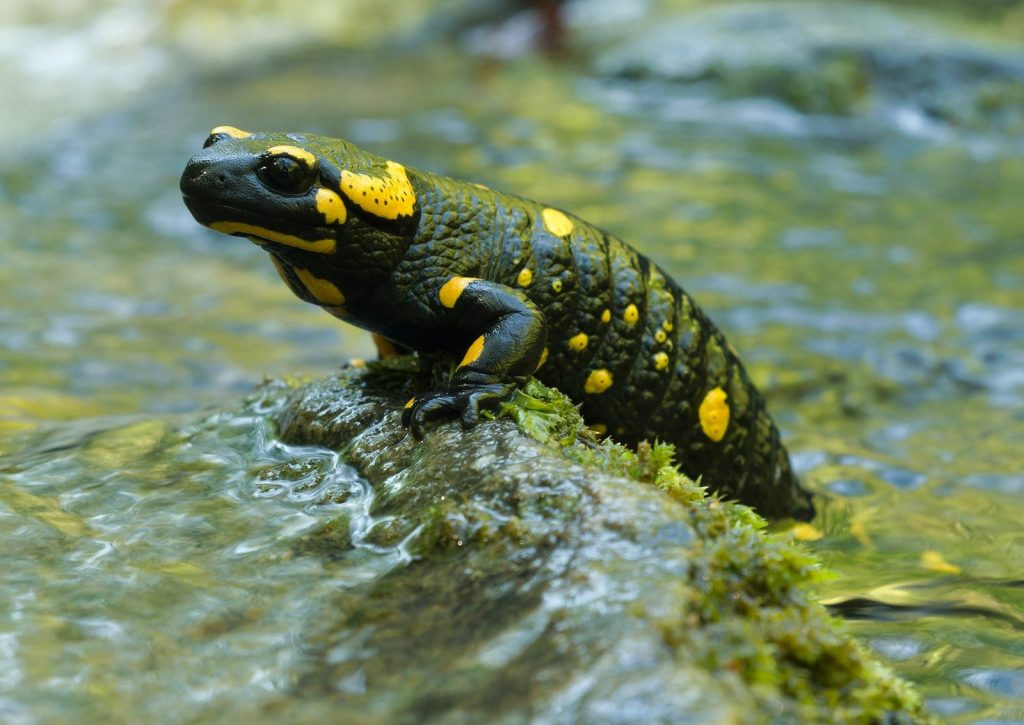
Frogs, salamanders, and other amphibians are very sensitive to changes in temperature and moisture. Hotter weather, droughts, and changing rainfall can dry out the wetlands and streams where they breed and live.
Climate change can also increase the spread of diseases and make it harder for amphibians to survive in their natural habitats. Because many species already have small populations, even small environmental changes can have serious effects.
Protecting wildlife starts with climate action

Scientists agree that reducing greenhouse gas emissions is one of the best ways to protect wildlife from future climate impacts. Conserving forests, wetlands, oceans, and other natural habitats also gives animals a better chance to adapt to changing conditions.
People, governments, and businesses all have a role to play. By protecting habitats, supporting conservation programs, and slowing climate change, we can help many threatened species survive for future generations.
Featured Image: Photo by Hans-Jurgen Mager on Unsplash
Leave a Reply