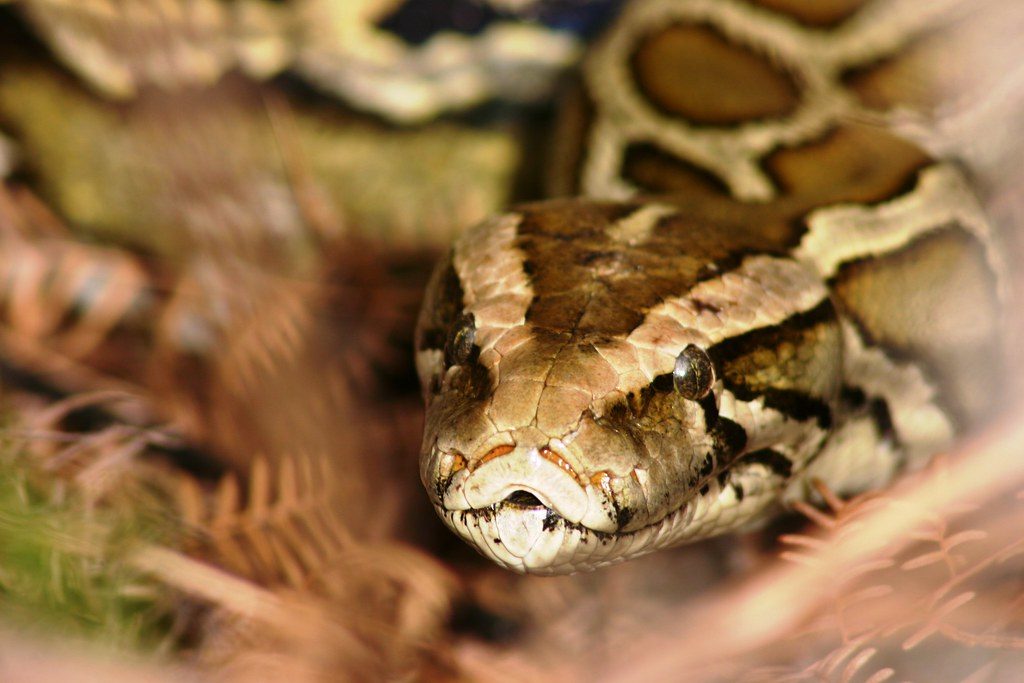
The Python removal challenge won by Florida woman has drawn attention to one of the biggest wildlife problems in the Everglades. Taylor Stanberry made history by catching 60 invasive Burmese pythons during the 2025 Florida Python Challenge, setting a new event record and becoming the first woman to win the competition.
Her success shows how important these efforts are for protecting Florida’s native wildlife. This article explains who won the challenge, why Burmese pythons are a serious problem, how the competition works, and what this record-breaking victory means for conservation.
Taylor Stanberry makes history

Taylor Stanberry won the 2025 Florida Python Challenge after removing 60 Burmese pythons during the 10-day event. Her total was the highest ever recorded in the competition, making her the first woman to earn the overall grand prize.
She received the $10,000 top prize and helped set a new benchmark for future competitors. Wildlife officials praised her work because every invasive python removed helps protect native animals living in the Everglades.
Why Burmese pythons are a problem
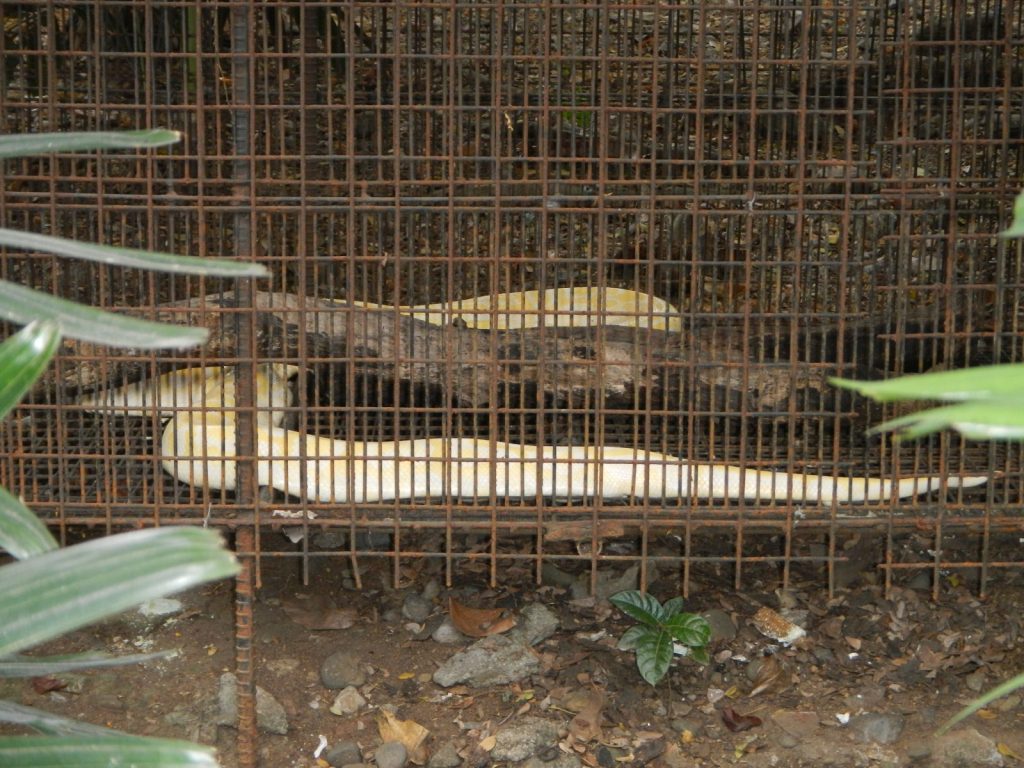
Burmese pythons are not native to Florida. They came from Southeast Asia and became established in the Everglades after many escaped or were released from the pet trade years ago.
These giant snakes eat birds, rabbits, raccoons, deer, and many other native animals. Because they have few natural predators in Florida and females can lay dozens of eggs at one time, their population has grown quickly and continues to threaten the ecosystem.
How the Python Challenge works
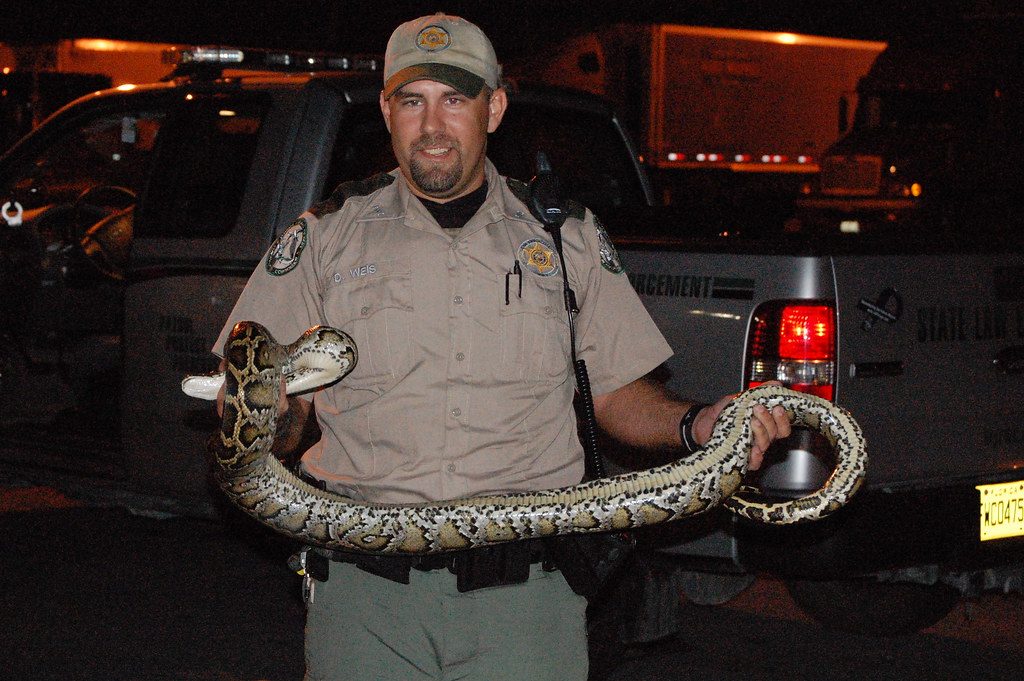
The Florida Python Challenge is organized to reduce the number of invasive snakes while teaching people about conservation. Participants must register, complete required training, and follow strict rules for safe and humane snake removal.
The event lasts 10 days and includes separate divisions for novice and professional hunters. Competitors search approved areas of South Florida, and the grand prize goes to the person who removes the most Burmese pythons during the competition.
A record-breaking competition

The 2025 event was the biggest Florida Python Challenge ever held. A record 934 people from 30 states and Canada joined the competition, showing growing public interest in helping wildlife.
Together, participants removed a record 294 Burmese pythons from the Everglades. Stanberry’s total of 60 snakes easily led the competition and broke the previous record for the most pythons caught by a single participant.
Why python removal helps wildlife
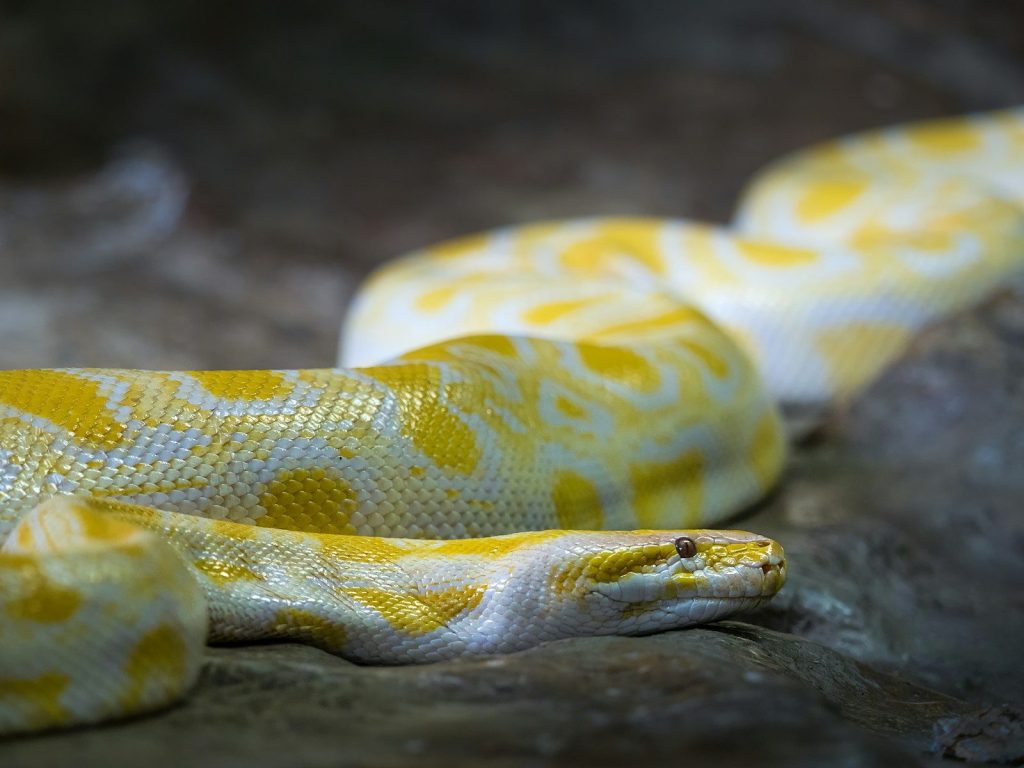
Removing invasive pythons gives native animals a better chance to survive. Scientists have found that these snakes have greatly reduced populations of several small mammals in parts of the Everglades because they hunt many different kinds of prey.
Each python removed also helps slow future population growth because fewer breeding adults remain in the wild. While the challenge cannot eliminate every snake, it is one of several important efforts used to protect Florida’s unique wetlands and wildlife.
What happens next

The Florida Python Challenge continues each year because wildlife experts believe public involvement can make a real difference. The competition also raises awareness about the dangers of releasing non-native pets into the wild.
Taylor Stanberry’s achievement has inspired more people, especially women, to take part in conservation work. Her record-setting victory shows that determined hunters can help protect one of America’s most valuable natural ecosystems.
Featured Image: “Burmese Python Closeup” by MyFWC Florida Fish and Wildlife is licensed under CC BY-ND 2.0
Leave a Reply