
A man survives bear attack on his driveway is the kind of story that reminds people how quickly wildlife can appear in neighborhoods. While bear attacks are rare, they can happen when bears search for food near homes or become startled. Knowing what happened and why it happened can help families stay safer if they ever face a similar situation.
This article explains the driveway bear attack, how the man survived, what wildlife experts say about bear behavior, and the important safety lessons everyone can learn. Understanding these facts can help people reduce the risk of dangerous encounters with bears.
What happened during the driveway attack

The man was on his driveway when a bear suddenly attacked him. Reports say the encounter happened near his home, leaving him with injuries before the bear eventually left the area. Emergency responders arrived quickly and took him to a hospital for treatment.
Officials said the man survived the attack, and wildlife authorities began investigating what caused the bear to behave aggressively. They also checked the area to help protect nearby residents and prevent more encounters.
Why do bears sometimes enter neighborhoods
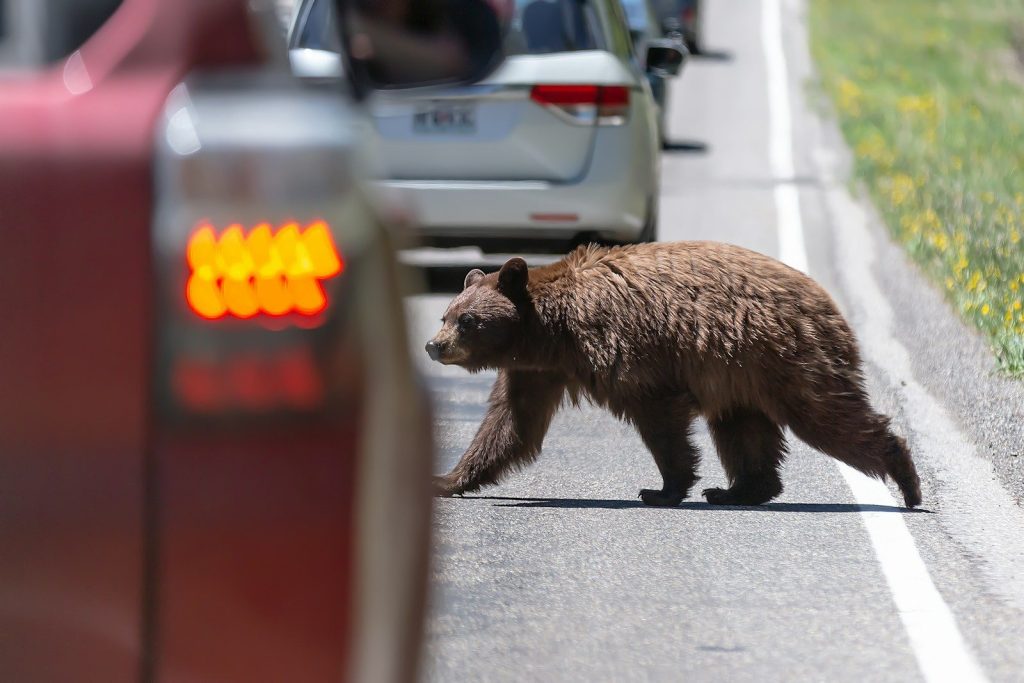
Bears often move into neighborhoods because they are looking for easy food. Garbage cans, pet food, bird feeders, and fruit trees can attract them. Once bears find food near homes, they may return again.
Experts say most bears do not want to attack people. Many encounters happen because a bear feels surprised, trapped, or is protecting cubs. Giving a bear space is one of the best ways to avoid conflict.
How the man survived the attack

The victim received medical care after the attack and survived his injuries. Quick emergency response and hospital treatment played an important role in his recovery. Officials have not reported that the bear continued attacking after the initial encounter.
Wildlife experts say every bear encounter is different. A person’s actions, the type of bear, and the situation all affect the outcome. Because of this, there is no single response that works in every case.
What wildlife officials recommend

Wildlife agencies encourage people to keep bears away from their property by removing food sources. Secure trash cans, clean outdoor grills, and bring pet food indoors, especially at night. These simple steps make homes less attractive to bears.
If someone sees a bear, experts advise staying calm, keeping a safe distance, and never trying to feed or approach it. Running can make the situation worse, while slowly backing away gives the bear room to leave.
Why bear encounters are becoming more common

As towns grow closer to forests, people and bears are sharing more space than before. Bears also travel farther when natural food supplies change with the seasons. This increases the chance of seeing bears near homes.
Wildlife officials continue to remind residents that bears are wild animals. Even if a bear seems calm, it can react quickly if it feels threatened or cornered. Respecting their space helps protect both people and bears.
Safety lessons from this incident
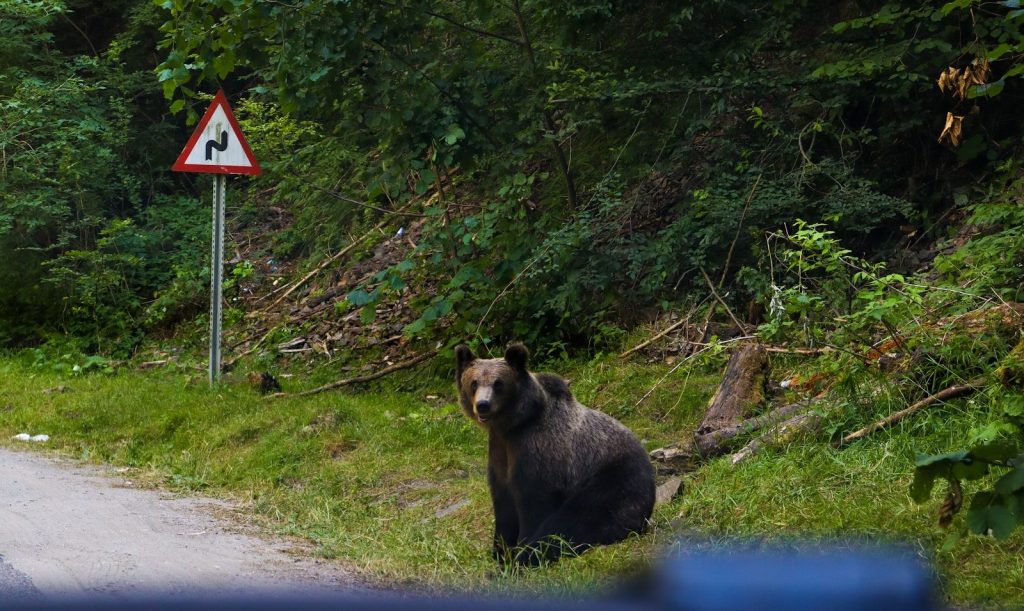
This attack shows that wildlife can appear even in places people consider safe, including driveways and neighborhoods. Staying alert outdoors and removing anything that attracts bears can greatly reduce the risk of an encounter.
The man’s survival is a reminder that quick emergency care and proper wildlife safety practices matter. Learning how bears behave can help families prepare and respond more safely if they ever face a similar situation.
Leave a Reply