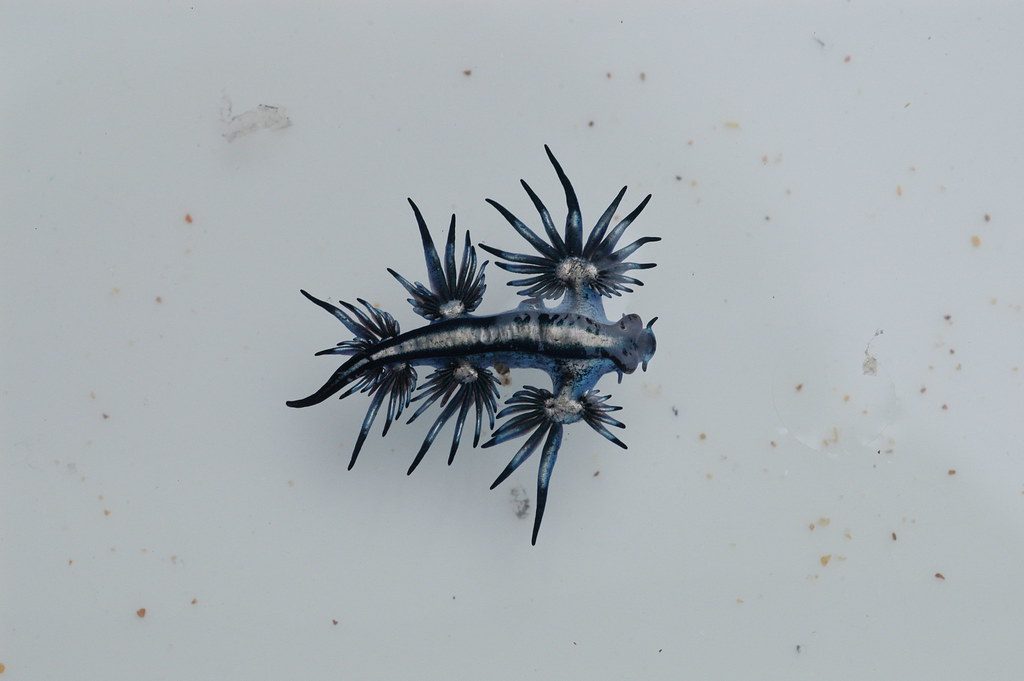
Have you ever wondered if a real-life sea dragon exists? Scientists investigating a dragon-like sea creature are learning more about one of the ocean’s most unusual animals. This tiny marine species looks like it came from a fantasy story, but it is a real sea slug called the blue dragon.
Its bright blue body and wing-like arms have made it famous around the world. In this article, you will learn what the blue dragon is, where it lives, how it survives, why scientists are studying it, and why protecting its ocean home matters.
What is the blue dragon?
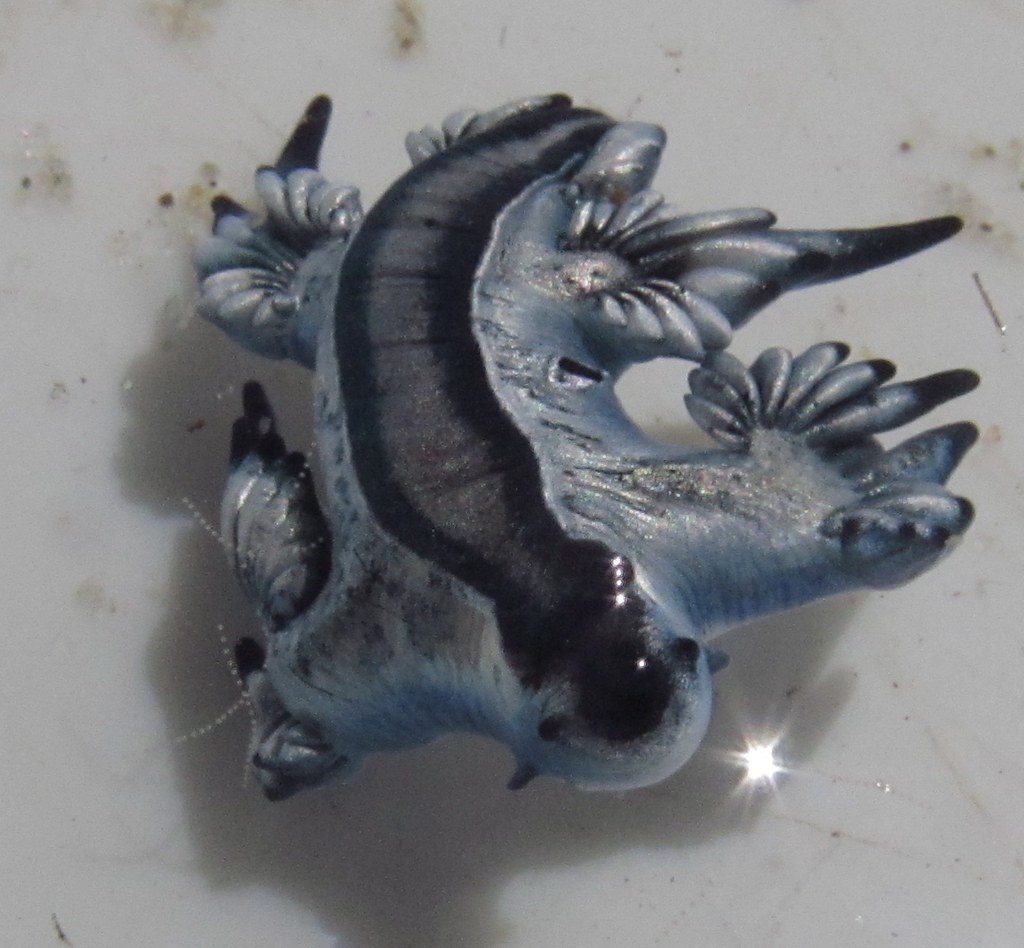
The blue dragon, also called Glaucus atlanticus, is a small sea slug that floats on the ocean’s surface. Most grow to about 1 to 1.5 inches long. Its silver and blue colors help it blend into the water when viewed from above or below.
Its body has several finger-like branches that make it look like a tiny dragon. Even though it is small, the blue dragon is a skilled ocean drifter that spends much of its life floating with the help of an air bubble stored inside its stomach.
Where does this sea creature live?

The blue dragon lives in warm and tropical oceans around the world. It is commonly found in parts of the Atlantic, Pacific, and Indian oceans. Winds and currents carry it across the open sea because it cannot swim long distances on its own.
Sometimes storms push blue dragons toward beaches in places like Australia, South Africa, and the southeastern United States. People should avoid touching them because they can still deliver a painful sting even after washing ashore.
How does the blue dragon hunt?
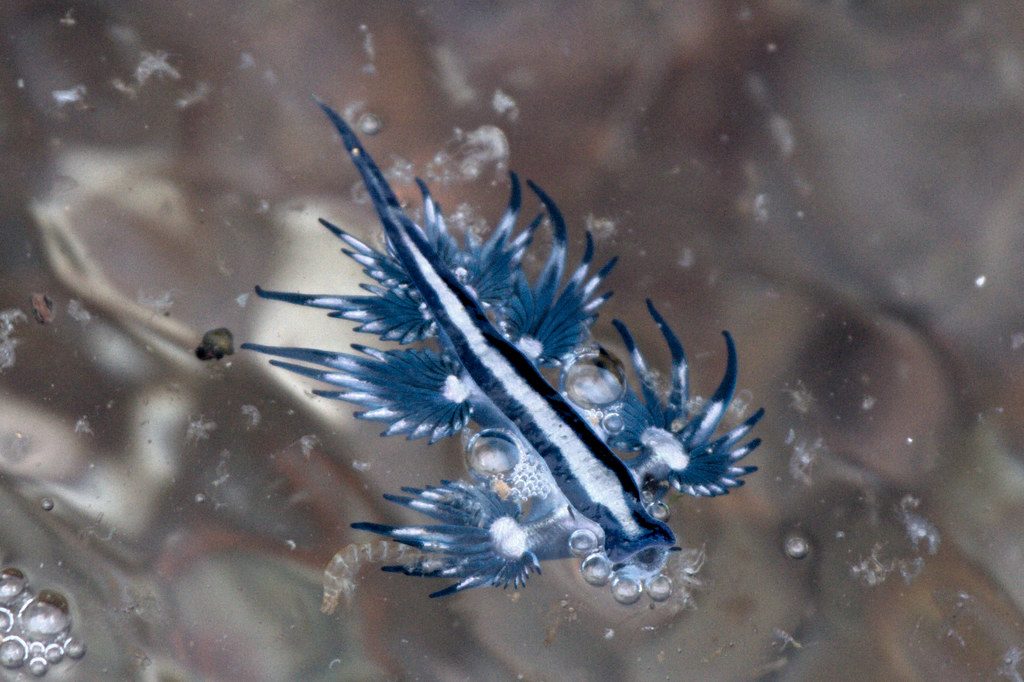
The blue dragon feeds on venomous animals that float near the ocean surface, especially the Portuguese man-of-war. It carefully eats the creature’s stinging tentacles without being harmed by most of the venom.
Even more surprising, the blue dragon stores the stinging cells inside its own body. It later uses those stolen stingers to protect itself from predators, making its sting even stronger than the one from some of its prey.
Why are scientists studying it?

Scientists investigate this dragon-like sea creature because it has amazing survival skills. Researchers want to understand how it safely stores venom from other animals without harming itself. This could help scientists learn more about natural defenses and animal biology.
The blue dragon also helps scientists study ocean currents and marine ecosystems. Because it drifts with the water, changes in where it appears may reveal how winds, currents, and climate affect life at the ocean’s surface.
What dangers does it face?
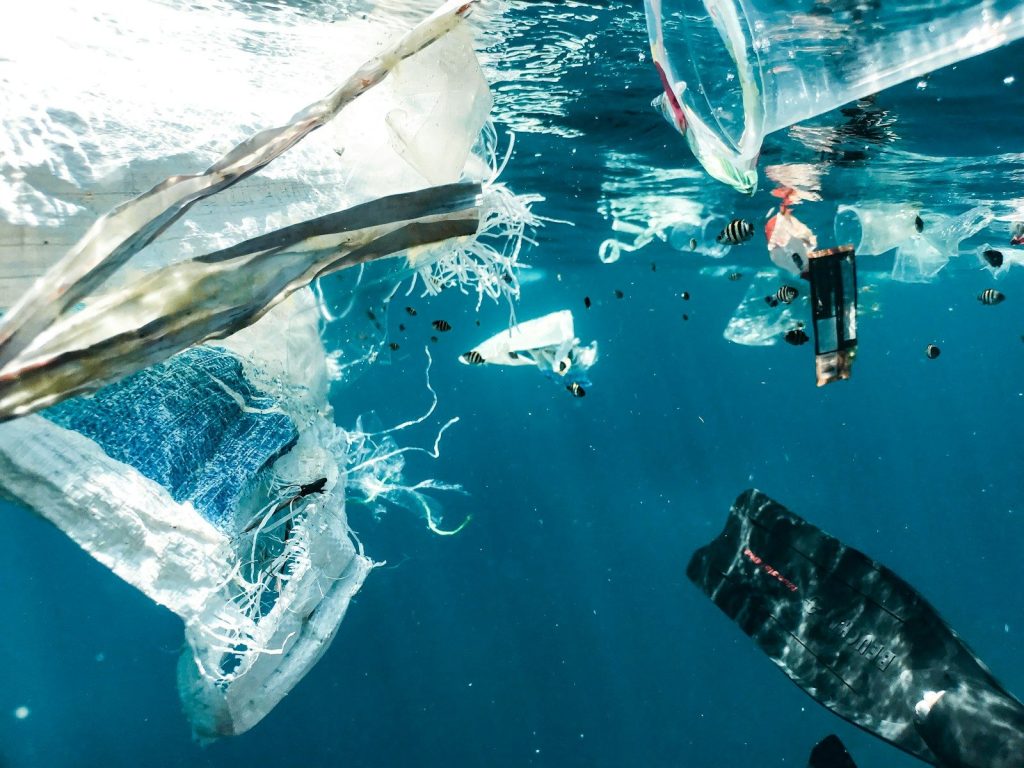
Although the blue dragon has strong defenses, it still faces threats. Plastic pollution, changing ocean conditions, and damage to marine habitats can affect both the sea slug and the animals it depends on for food.
Scientists are also watching how climate change may alter ocean currents. If currents shift, the blue dragon’s range and food supply could change, making it harder for some populations to survive in certain areas.
What can we learn from this discovery?

The blue dragon reminds us that the ocean still holds many surprises. Even a tiny sea slug can teach scientists important lessons about survival, venom, and the balance of marine ecosystems.
As researchers continue their work, each new finding helps build a better understanding of ocean life. Protecting healthy seas gives unique creatures like the blue dragon the best chance to thrive for years to come.
Featured Image: “Blue Sea Slug – Glaucus atlanticus” by Doug Beckers is licensed under CC BY-SA 2.0
Leave a Reply