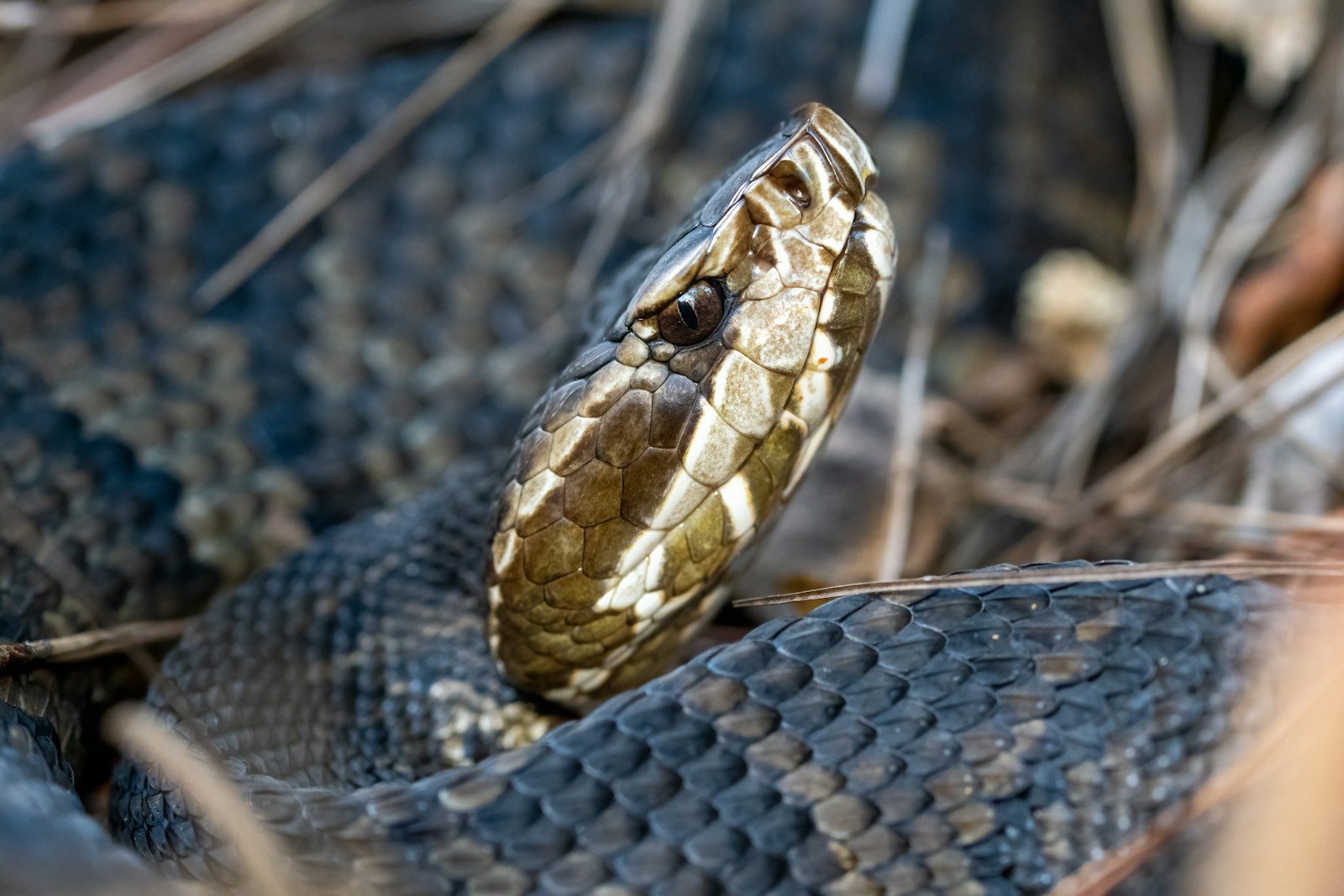
The Florida Everglades crews use spear fishing to remove invasive pythons story highlights one of the many ways experts fight an invasive species that threatens native wildlife. Burmese pythons have spread across parts of South Florida, where they eat birds, mammals, and reptiles that belong in the Everglades. Because these snakes are difficult to find in thick wetlands, trained removal crews sometimes use specialized methods to capture them safely and humanely.
This article explains why pythons are a problem, how spear-like capture tools are used, and why removing these snakes helps protect one of America’s most important ecosystems.
Why Burmese pythons are a problem
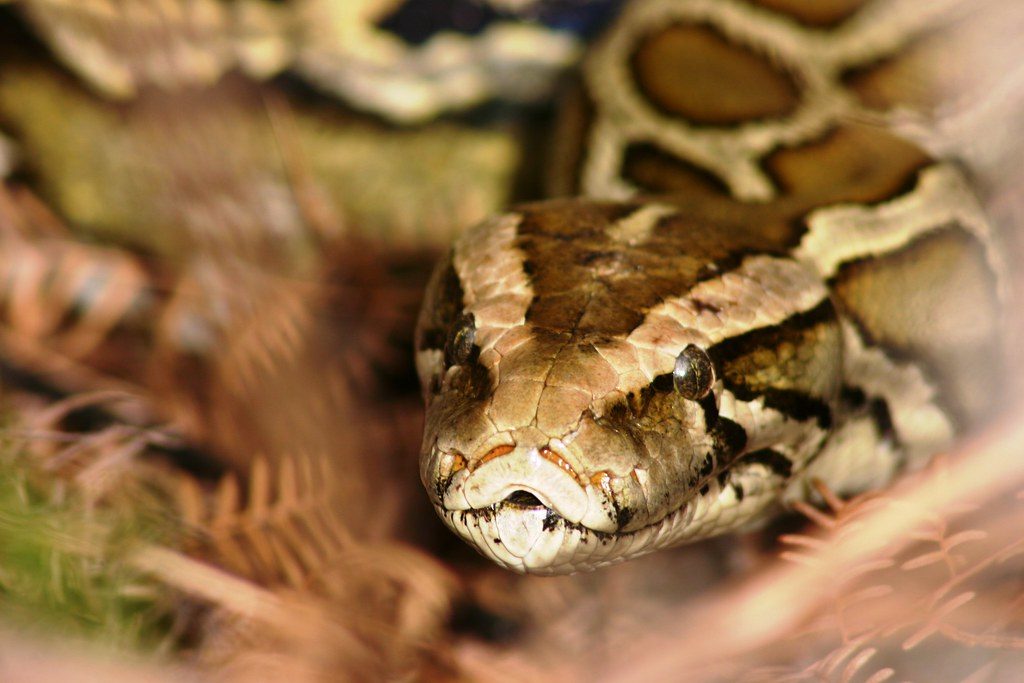
Burmese pythons are native to Southeast Asia, but they became established in South Florida after being released or escaping from captivity. Today, they are considered an invasive species because they do not naturally belong in the Everglades.
These large snakes eat many native animals, including rabbits, raccoons, birds, and even young deer or alligators. Scientists have also found major declines in several small mammal populations in areas where pythons have become common.
Why the Everglades are difficult to protect

The Florida Everglades cover a huge area of wetlands, sawgrass marshes, canals, and forests. Thick plants and shallow water make it hard for crews to spot snakes that blend into their surroundings.
Burmese pythons are also excellent at hiding. They spend much of their time under plants, inside burrows, or along canal banks, making them one of the hardest invasive animals to remove.
How crews capture the snakes
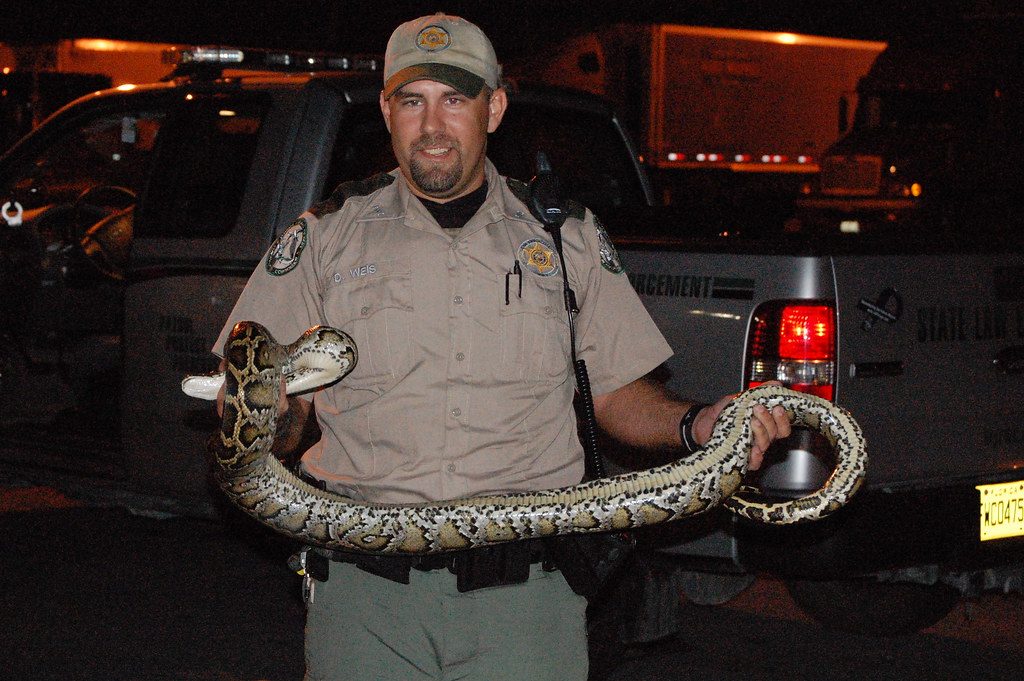
Professional removal teams use several approved methods to capture pythons, including snake hooks, tongs, and, in some situations, specialized spear-like gigging tools designed for safe capture and humane removal. These tools are handled only by trained personnel following Florida wildlife rules.
The goal is to control the snake quickly while reducing unnecessary suffering. After capture, the python is humanely euthanized because releasing invasive Burmese pythons back into the wild is not allowed under Florida regulations.
Why removing pythons helps wildlife
Every invasive python removed from the Everglades means one less predator hunting native animals. Female Burmese pythons can lay between 50 and 100 eggs in a single clutch, allowing their population to grow rapidly.
Removing breeding adults helps slow the spread of the species. While experts say complete eradication is unlikely, continued removal protects native wildlife and reduces future impacts on the ecosystem.
Other tools used to find pythons
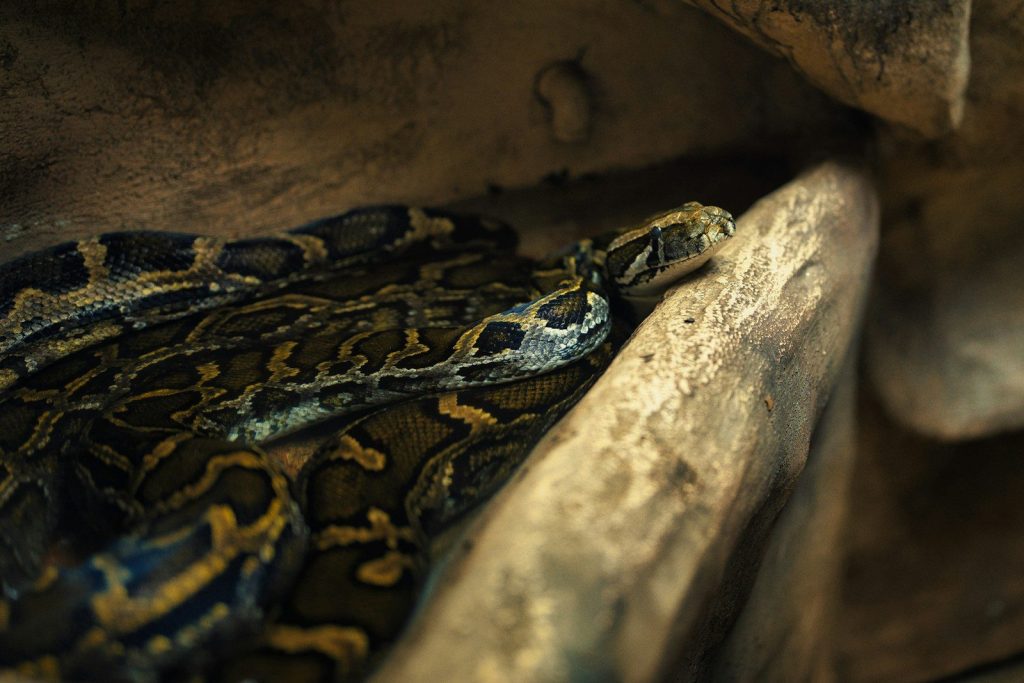
Wildlife crews do much more than search on foot. They patrol roads and canals, track snakes during warm weather, and sometimes use radio-tagged “scout snakes” that lead researchers to breeding adults.
Florida also supports organized removal programs, including the annual Florida Python Challenge. These efforts raise public awareness while helping trained participants remove invasive snakes from approved areas.
What people should know

Most people visiting the Everglades will never see a Burmese python because the snakes are secretive and difficult to find. Anyone who spots one should keep a safe distance and report it to the proper wildlife authorities instead of trying to catch it alone.
The work of trained removal crews plays an important role in protecting Florida’s unique wetlands. Using approved methods and careful planning gives native wildlife a better chance to recover while keeping both people and animals safe.
Featured Image: Photo by EcoNaturalist.com on Unsplash
Leave a Reply