Across the American wilderness, stories about extinct animals still appearing in forests, swamps, and mountain valleys continue to spark curiosity. Hunters, hikers, birdwatchers, and local residents have shared reports for decades about creatures that science says are gone forever. Some sightings are likely mistakes, while others remain hard to explain.
These mysterious extinct animals still reportedly spotted across the American wilderness have become part of American folklore, but many are also tied to real species that once lived in huge numbers across the country. This article explores the most famous cases, the facts behind the sightings, and why people still believe these lost animals may survive in hidden corners of the wild.
The ivory-billed woodpecker mystery
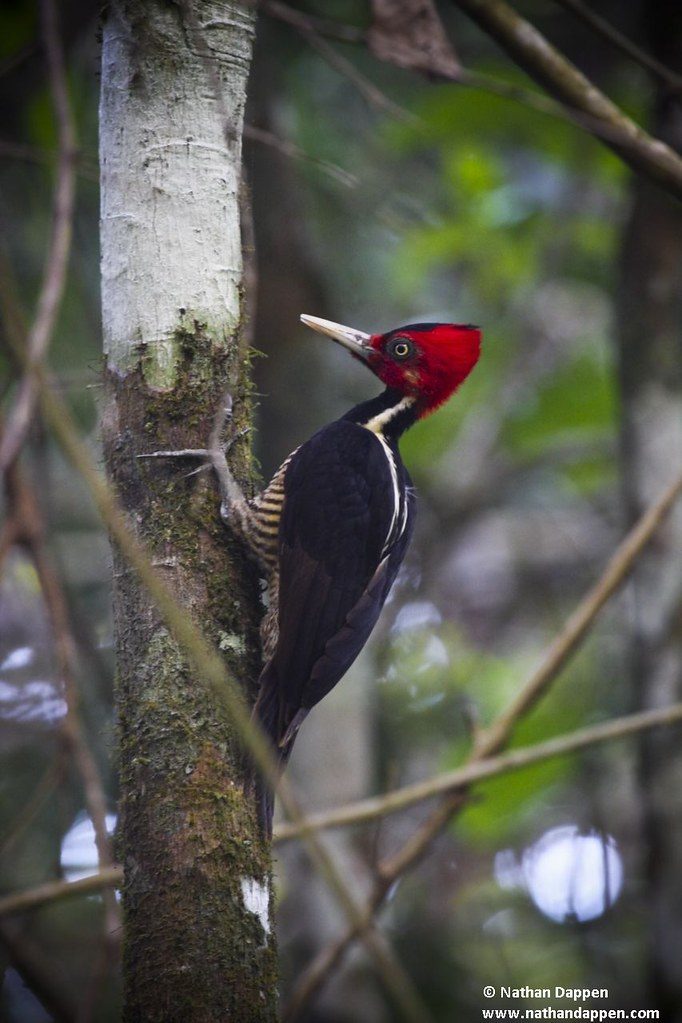
The ivory-billed woodpecker is one of the most famous “possibly extinct” animals in America. This giant bird once lived in the swamp forests of the southeastern United States. It was known for its large white bill, striking black-and-white feathers, and loud knocking sounds that echoed through the trees. Logging destroyed much of its old-growth forest habitat during the late 1800s and early 1900s. The last widely accepted sighting in the United States happened in Louisiana in 1944. Even so, people continue reporting sightings in Arkansas, Louisiana, Florida, and other southern states. Birdwatchers often describe seeing a very large woodpecker with bright white markings flying through remote forests. Scientists have searched many of these areas, but no clear proof has been found.
The mystery became even bigger in 2005 when researchers announced they may have rediscovered the bird in Arkansas after recording blurry video footage. The news spread quickly across the country and gave hope that the species still survived deep in the swamps. Since then, debates have continued among scientists, bird experts, and the public. Some experts believe the sightings are mistakes involving pileated woodpeckers, which look somewhat similar. Others think a tiny hidden population may still survive in remote wetlands that humans rarely visit. Because the southern swamps are so large and difficult to search, the mystery refuses to disappear.
Passenger pigeons and strange flock reports
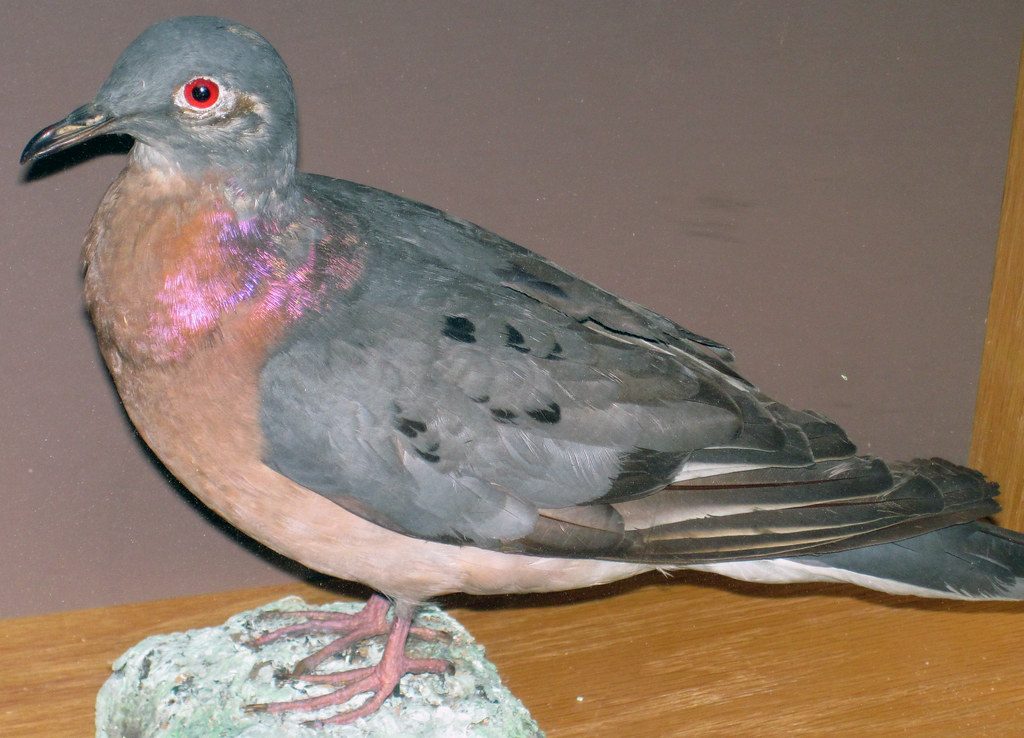
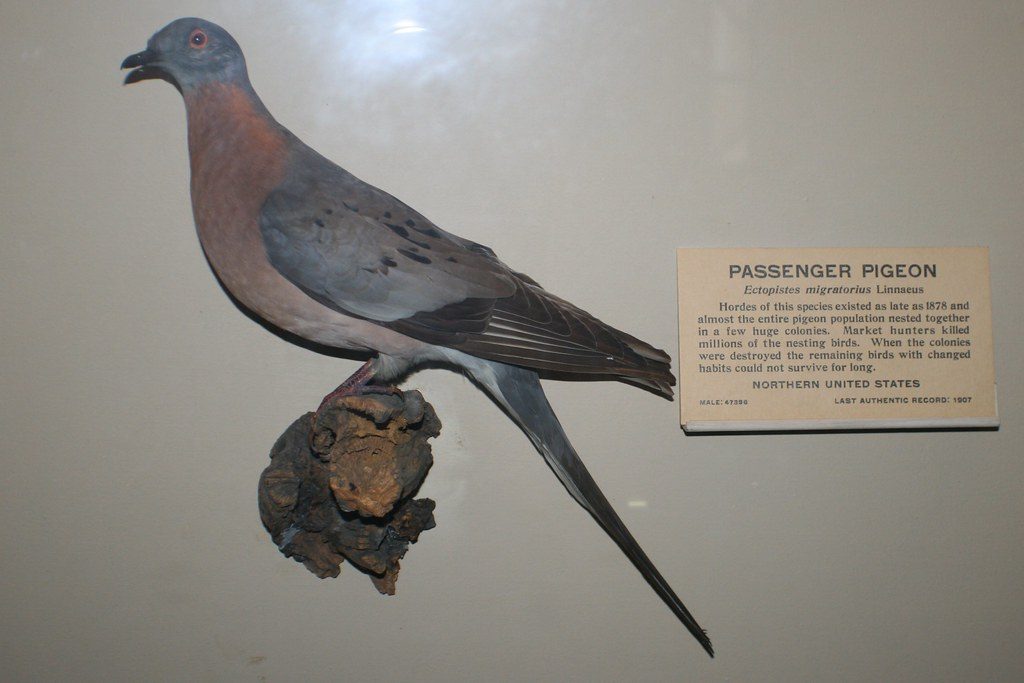
Passenger pigeons once filled the skies of North America in numbers almost impossible to imagine today. Early settlers described flocks so large they darkened the sky for hours. These birds traveled in giant groups across eastern forests, feeding on nuts and seeds. Sadly, heavy hunting and large-scale forest destruction caused the species to collapse quickly during the late 1800s. The last known passenger pigeon, named Martha, died in a zoo in 1914. The extinction shocked the country because the birds had once been among the most common animals in America.
Even after their extinction, strange reports continued to appear. Some hikers and rural residents claimed they had seen unusually large flocks of pigeons moving through forests in states like Pennsylvania, Michigan, and Ohio. Most experts believe these sightings were cases of mistaken identity involving mourning doves or rock pigeons. Still, the stories continue because people struggle to believe such a massive species could disappear so completely. The passenger pigeon became a powerful symbol of how quickly humans can wipe out wildlife, and the mysterious sightings keep its memory alive in American culture.
Rumors of surviving Carolina parakeets
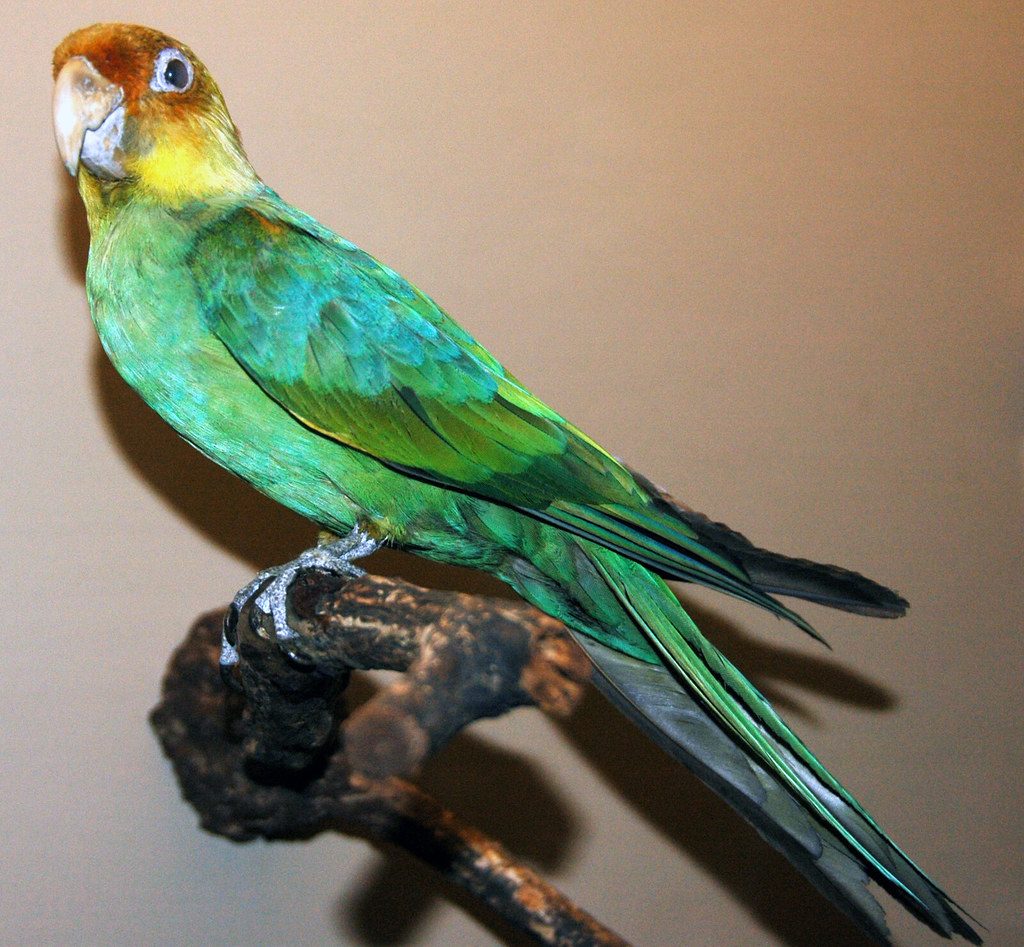
The Carolina parakeet was the only parrot species native to the eastern United States. These colorful green birds with yellow heads once lived from Florida to the Midwest. They traveled in noisy flocks and were often seen near rivers and forests. Farmers sometimes viewed them as pests because they ate fruit crops, while hunters killed many for feathers used in women’s hats. Habitat loss also hurts their population. The last known Carolina parakeet died in captivity in 1918, only a few years after the extinction of the passenger pigeon.
For many years afterward, people claimed they still heard or saw bright green parrots in southern forests and swamps. Reports came from states like Florida, Georgia, and South Carolina. Some people believed hidden flocks survived in remote wetlands where few humans traveled. Scientists, however, never found proof of living Carolina parakeets. Many sightings were likely escaped pet parrots, which are now common in parts of the United States. Even so, the idea of a lost American parrot hiding in swamp forests continues to fascinate bird lovers and wildlife historians.
Giant ground sloth legends in the Southwest
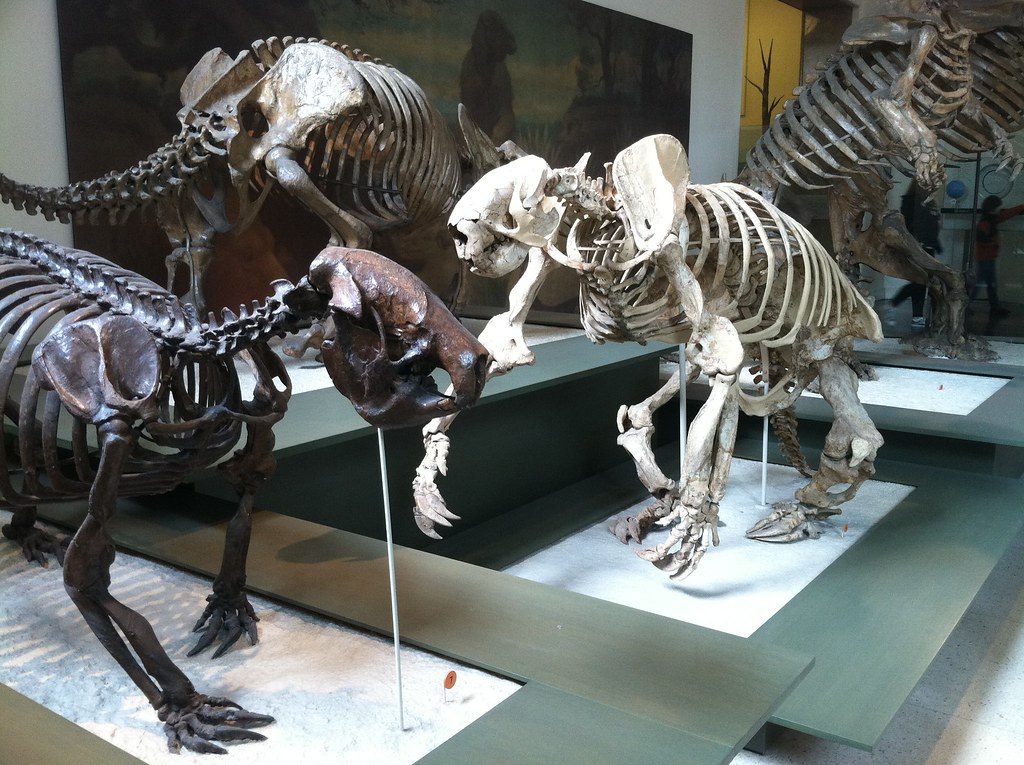
Long before humans built cities across North America, giant ground sloths roamed the continent. These huge mammals could stand taller than a person and weighed hundreds or even thousands of pounds depending on the species. Most disappeared around 10,000 years ago near the end of the Ice Age. Fossils have been discovered across the American Southwest, especially in desert caves and dry regions. Scientists believe climate change and hunting by early humans may have helped cause their extinction.
Despite their ancient disappearance, stories about giant hairy creatures living in remote deserts and mountains have survived for generations. Some Native American stories describe large clawed animals hiding in caves. In modern times, hikers and explorers in the Southwest have occasionally reported seeing strange slow-moving creatures unlike bears or known wildlife. These stories are usually connected to cryptid legends rather than science, but they often borrow details from extinct ground sloths. While there is no evidence that giant ground sloths survived into modern times, their fossil discoveries and frightening size continue to inspire mysterious tales across the American wilderness.
Mammoths and mastodons in northern folklore
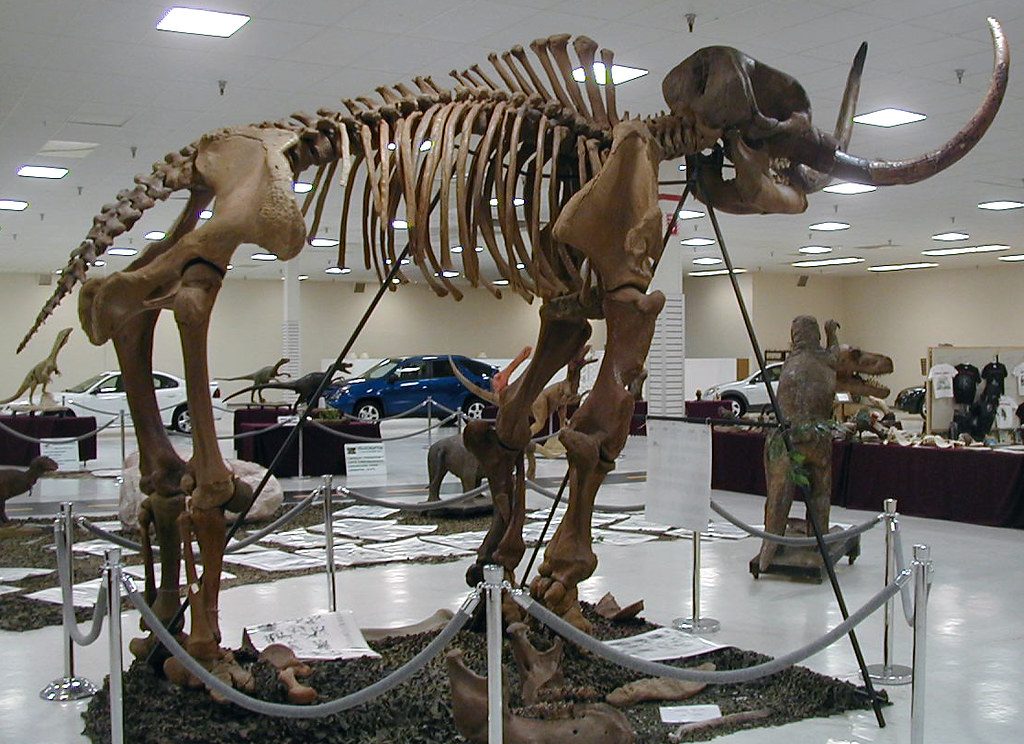
Woolly mammoths and mastodons once lived across much of North America during the Ice Age. These giant relatives of modern elephants roamed cold grasslands and forests thousands of years ago. Fossils have been found in many states, including Alaska, Michigan, and Texas. Most scientists agree they disappeared around 10,000 years ago, although some small mammoth populations survived longer on isolated Arctic islands. Their massive bones and tusks amazed early settlers, who sometimes believed they belonged to giant monsters.
Stories about elephant-like creatures wandering remote wilderness areas continued long after mammoths disappeared. Native American legends in parts of the north described giant shaggy animals moving through snowy landscapes. During the 1800s, explorers and fur traders occasionally claimed they saw enormous unknown beasts in isolated regions of Canada and Alaska. Most modern experts believe these stories grew from fossil discoveries, imagination, and misunderstandings. Still, mammoths remain one of the most famous extinct animals tied to mysterious wilderness sightings because their huge fossils are still uncovered today.
Why these sightings continue today
One reason mysterious extinct animal sightings continue is that America still contains vast wilderness areas. Deep swamps, mountain forests, deserts, and northern tundra can be difficult for humans to fully explore. Many people feel it is possible for rare animals to remain hidden in remote places. Scientists have rediscovered species before, including animals once believed extinct. These rediscoveries give hope that other lost creatures could still survive somewhere unnoticed. Even blurry photographs, strange sounds, or quick sightings are enough to keep these stories alive.
Human psychology also plays a major role in these reports. People often misidentify animals during brief or emotional encounters. Lighting, distance, weather, and excitement can easily change what someone thinks they saw. A large woodpecker may suddenly seem like an ivory-billed woodpecker. A group of pigeons may remind someone of passenger pigeons described in old stories. Social media and online videos now spread these claims faster than ever before. Even without proof, mysterious extinct animals continue capturing public imagination because they connect people to the idea that nature may still hold hidden secrets waiting to be discovered.
Leave a Reply