Blue jays are some of the most colorful and smart birds in North America. Their bright blue feathers and loud calls can make any backyard feel lively. Many people try to attract blue jays with feeders, peanuts, and bird baths because they enjoy watching them up close. Still, there are several important reasons to think carefully before turning your yard into a favorite blue jay hangout.
While blue jays can be beautiful and entertaining, they can also create problems for other birds, your outdoor space, and even your peace and quiet. Understanding their behavior can help you decide if they are the right visitors for your yard. This article explains the downsides of attracting blue jays and what you should know before encouraging them to stay nearby.
Blue jays can scare away smaller birds
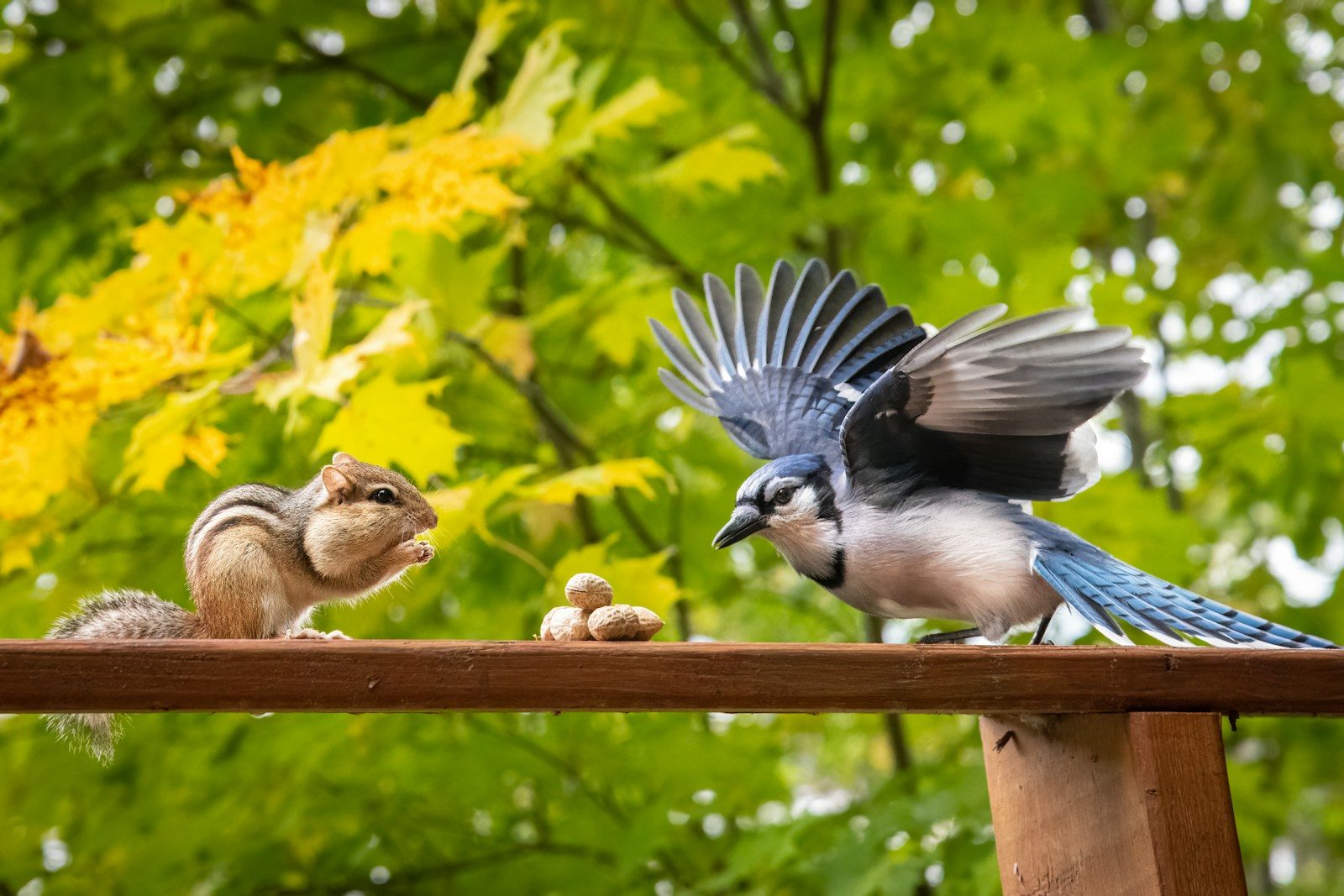
One of the biggest reasons people reconsider attracting blue jays is their aggressive behavior around feeders. Blue jays are larger and bolder than many common backyard birds. Chickadees, finches, wrens, and small sparrows often back away when blue jays arrive. These birds can dominate feeding areas and take over the space very quickly. Their loud calls and pushy behavior may stop shy birds from returning to your yard at all.
Blue jays are part of the corvid family, which also includes crows and ravens. Corvids are known for being highly intelligent and territorial. Blue jays often defend food sources very strongly, especially during nesting season. They may chase smaller birds through trees or force them away from bird feeders. Some bird lovers who want a peaceful and diverse backyard habitat may find that attracting blue jays actually reduces the number of different birds they see each day.
Their loud calls can become overwhelming
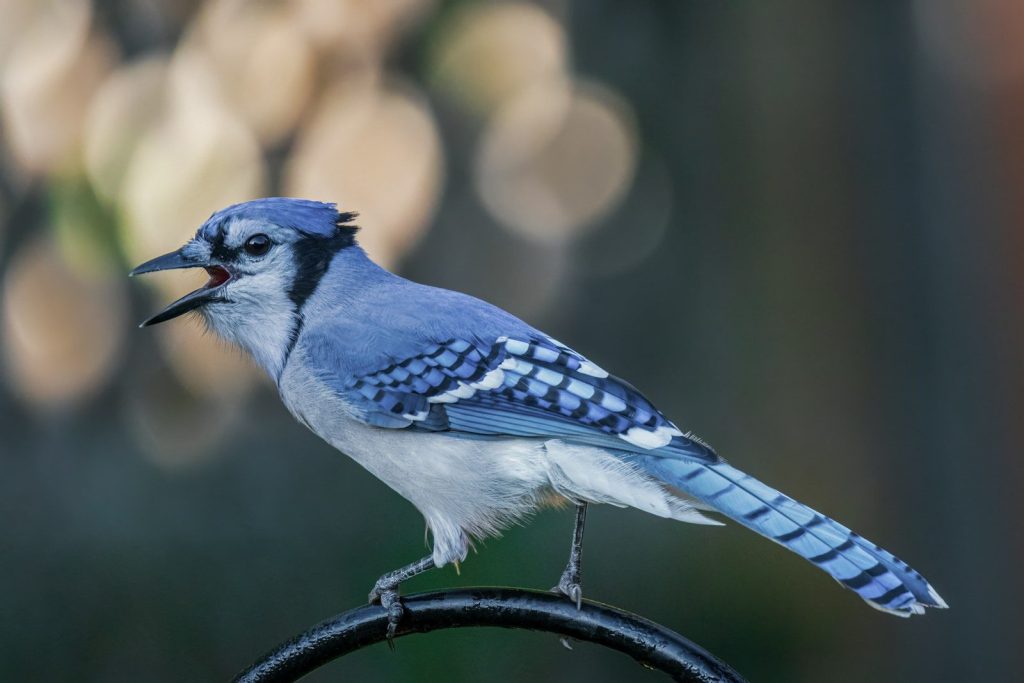
Blue jays are not quiet birds. They use many different calls to communicate with each other, warn about danger, and protect territory. While some people enjoy hearing bird sounds outside, blue jay calls can become very noisy when several birds gather together. Their sharp screams and repeated squawking may disturb neighbors or interrupt quiet mornings in the yard.
These birds are also known for mimicking hawks. A blue jay may copy the sound of a hawk to scare other birds away from feeders. This behavior can create stress among smaller birds nearby. In neighborhoods with many trees and feeders, blue jays may become regular visitors and keep up their loud calling for long periods during the day. Families who enjoy calm outdoor spaces may eventually find the constant noise tiring instead of charming.
Blue jays sometimes raid nests
Many people are surprised to learn that blue jays are omnivores. They eat nuts, seeds, insects, fruits, and sometimes animal matter. In some cases, blue jays raid nests belonging to smaller birds. They may eat eggs or young nestlings if the opportunity appears. Even though this behavior is not the main part of their diet, it still happens often enough to worry bird watchers who are trying to support songbird populations.
Backyard bird lovers often set up nesting boxes and feeders to help small birds raise their young safely. However, attracting blue jays may accidentally increase danger for those nests. Robins, warblers, and sparrows are especially protective when blue jays are nearby because they see them as possible nest predators. Studies and bird experts have noted that blue jays sometimes search for eggs and baby birds during breeding season. This can create stress and conflict among the birds visiting your yard.
They can create feeder problems
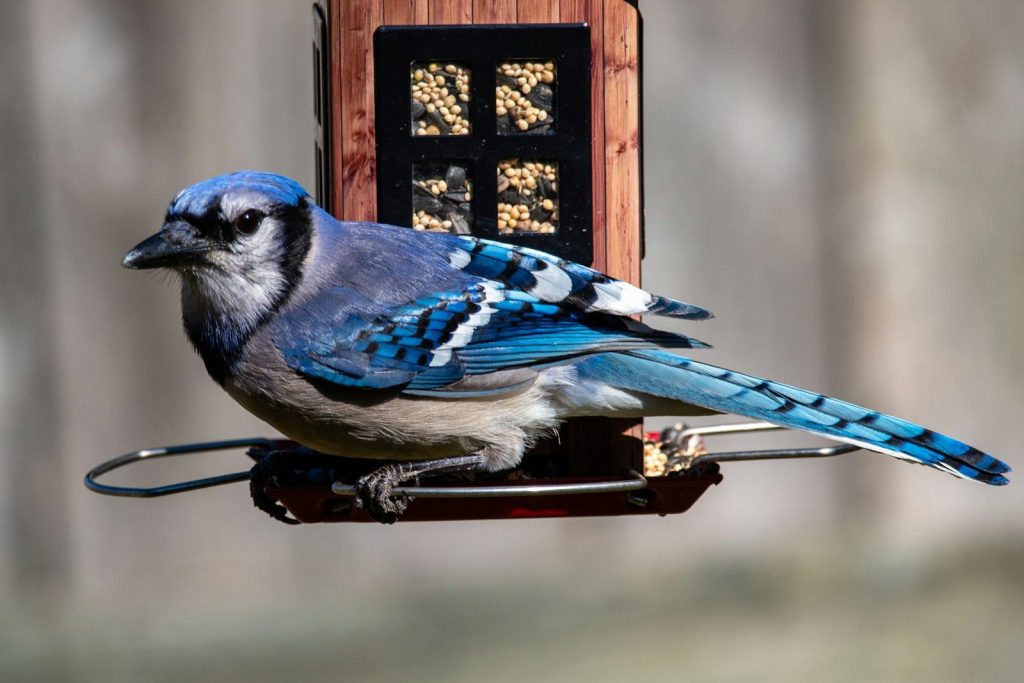
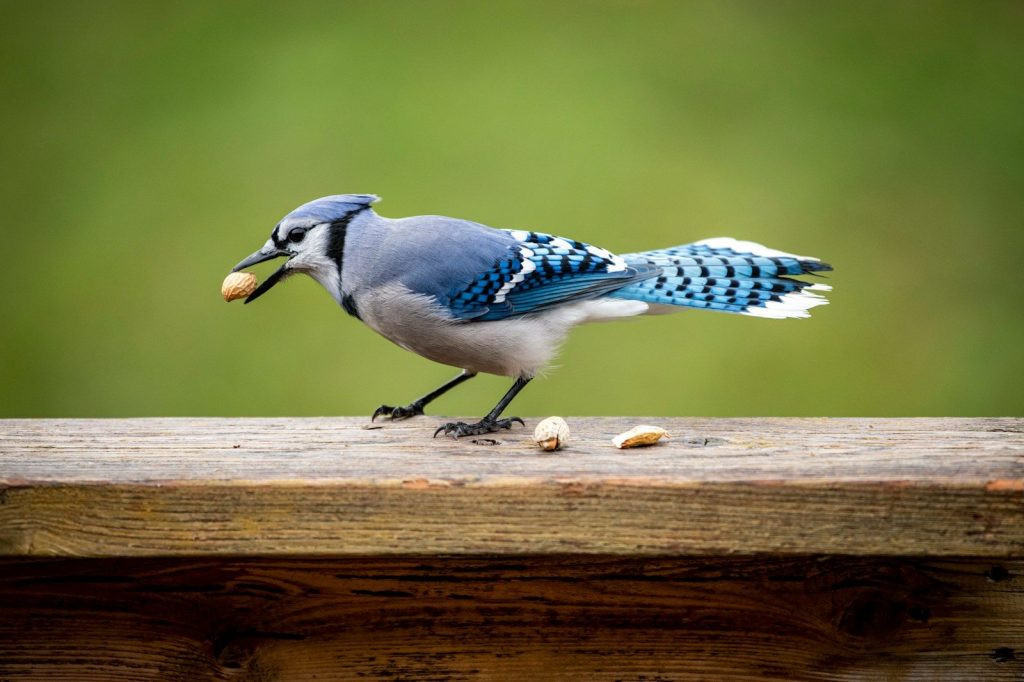
Blue jays are strong birds with big appetites. They often grab large amounts of food from feeders, especially peanuts, sunflower seeds, and corn. Some blue jays even carry food away and hide it in different places for later. This means your bird food may disappear much faster than expected. Homeowners who regularly feed birds may notice they need to refill feeders more often once blue jays become regular visitors.
These birds can also make feeders messy. They toss seeds around while searching for favorite foods and may leave shells scattered across decks, patios, and lawns. In some cases, they scare off other birds long enough to claim the entire feeder for themselves. If you are trying to create a balanced feeding area for many species, blue jays may make that difficult. Their size and confidence often allow them to control feeding spots more easily than smaller birds can.
Blue jays may attract unwanted predators
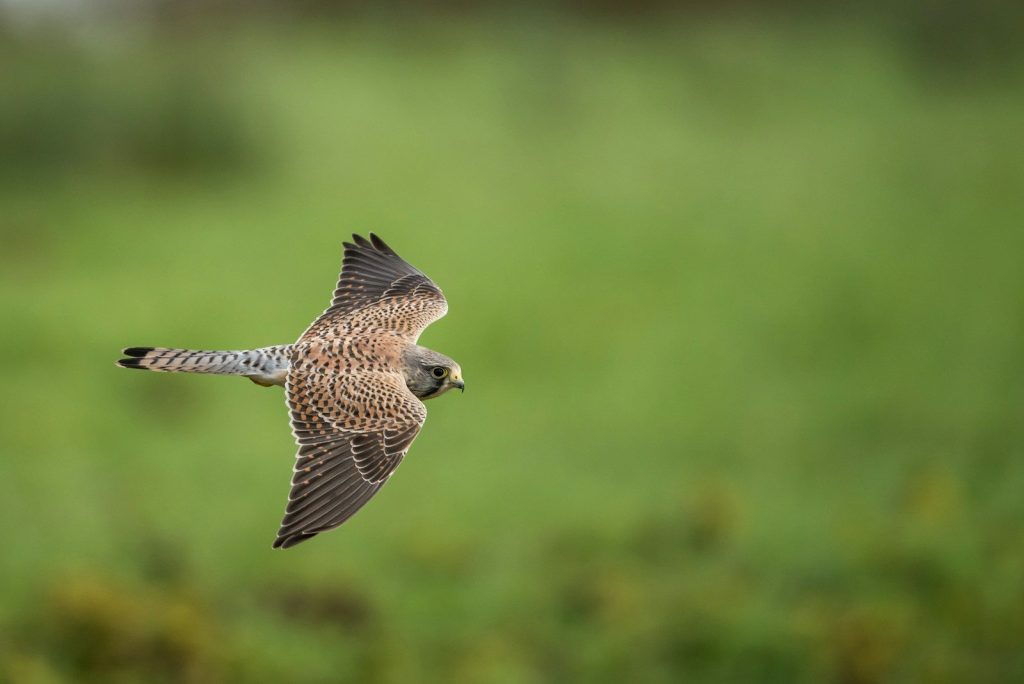
A yard full of loud and active blue jays can attract attention from predators. Hawks, owls, raccoons, snakes, and outdoor cats may notice increased bird activity and begin visiting the area more often. Blue jays themselves sometimes mob predators by loudly calling and diving at them, which creates even more noise and movement around the yard.
While blue jays are brave defenders, their behavior can accidentally lead predators closer to your home and other nesting birds nearby. A hawk that follows blue jay activity might later target smaller birds at feeders. Nest predators such as raccoons or snakes may also explore the area if they notice bird nests nearby. Homeowners trying to create a safe environment for small songbirds should think carefully about whether attracting large territorial birds could increase risk for the entire backyard ecosystem.
Their intelligence can become a challenge
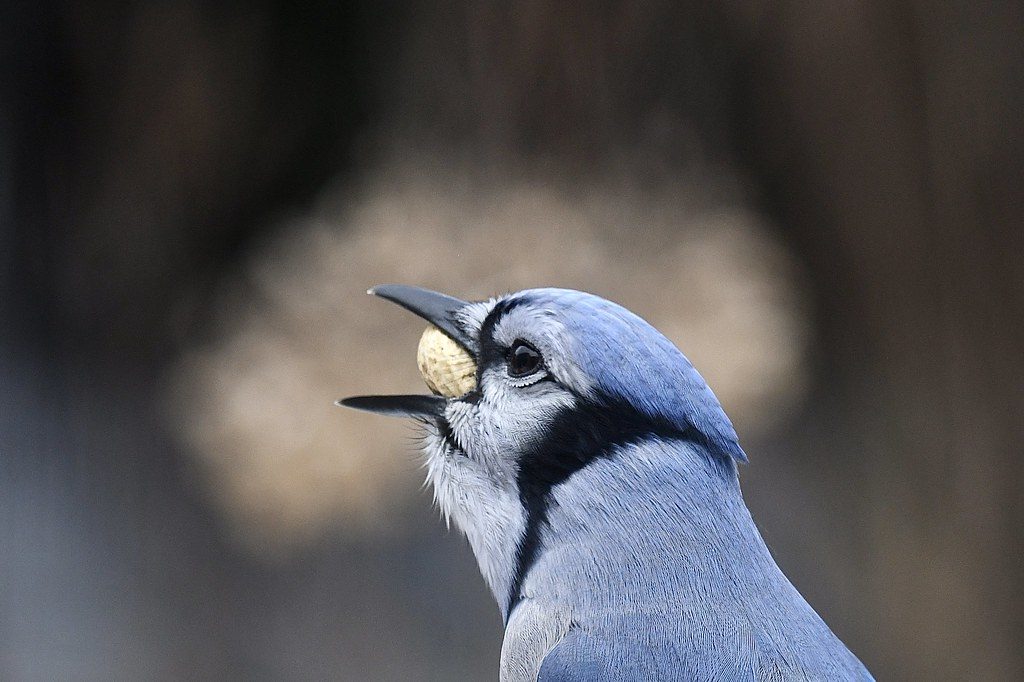
Blue jays are extremely smart birds. They remember food locations, learn patterns, and quickly figure out where easy meals can be found. While this intelligence makes them fascinating to watch, it can also create long-term problems if you decide later that you no longer want them visiting your yard. Once blue jays learn that your feeders provide reliable food, they may return daily and even bring more jays with them.
Their clever behavior can also make them harder to manage than smaller birds. Blue jays may outsmart simple feeder designs and quickly adapt to changes in feeding routines. Some homeowners report that blue jays become demanding visitors, loudly calling when feeders are empty or arriving in groups that overwhelm other birds. Because they are social and observant, they often learn from one another where food is available. This can turn a small feeding setup into a busy gathering spot faster than many people expect.
Blue jays are not completely bad for your yard
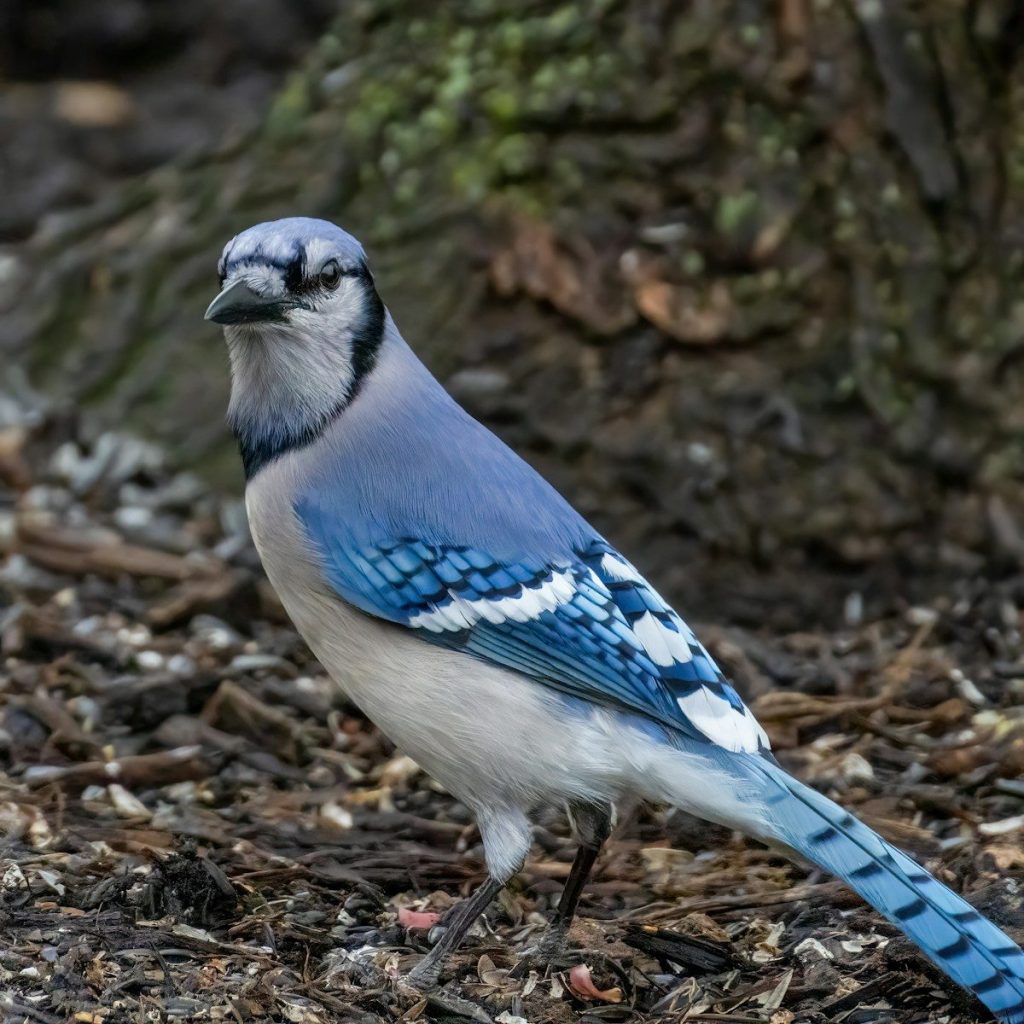
Even though there are good reasons to reconsider attracting blue jays, it is important to remember that they are still valuable parts of nature. Blue jays help forests by spreading acorns and seeds, which can grow into new trees. They also eat many insects, including pests that may damage gardens and plants. In some cases, their loud alarm calls warn other birds when predators are nearby.
These birds also show strong family bonds and impressive intelligence. Many bird lovers enjoy watching their social behavior and problem-solving skills. The key is balance. If you decide to attract blue jays, it may help to use separate feeders for smaller birds and place protective cover nearby. Understanding both the benefits and the challenges of blue jays can help you create a backyard that supports many different bird species instead of just one dominant visitor.
Leave a Reply