Have you ever wondered if predators are always safe when they hunt? Scientists study the dangers predators face while hunting because catching prey is often much harder and riskier than many people realize. Lions, wolves, sharks, eagles, and other hunters can suffer injuries, waste valuable energy, or even die during an attack. Understanding these risks helps researchers learn how predators survive and how healthy ecosystems stay in balance.
This article explains the dangers predators face, why hunting is not always successful, and what scientists have discovered about the costs of being a hunter in the wild.
Hunting is never guaranteed
Many people think predators catch prey easily, but that is rarely true. Studies show that hunting success depends on the species, the habitat, and the prey. Many predators fail far more often than they succeed.
Each failed hunt costs time and energy. If predators miss too many meals, they can become weak, making future hunts even more difficult. Finding enough food is a daily challenge for many wild animals.
Injuries can happen during an attack
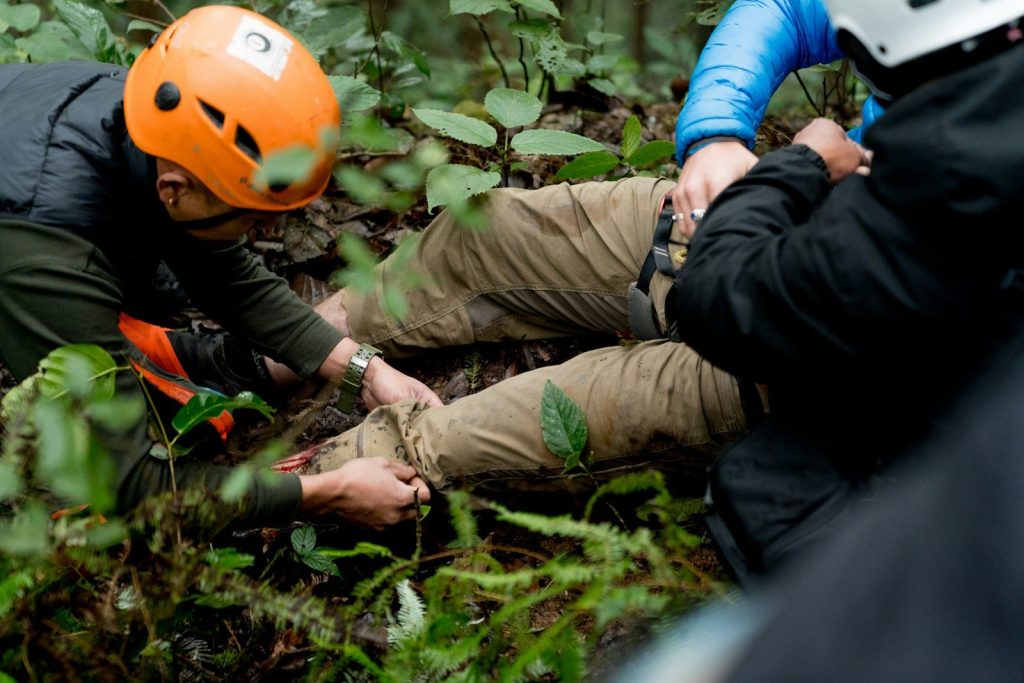
Prey animals do not give up without a fight. Deer kick with powerful legs, wild boars use sharp tusks, and large animals such as buffalo or elk can seriously injure predators trying to catch them.
Even smaller prey can be dangerous. Claws, horns, teeth, and strong bites can leave predators with broken bones, deep cuts, or infections that may reduce their chances of surviving in the wild.
Teamwork can lower the risk
Some predators hunt in groups because teamwork improves their chances of success. Wolves, lions, African wild dogs, and orcas often work together to surround prey and reduce the danger faced by any one animal.
Group hunting also helps predators catch larger prey that would be too risky to attack alone. By sharing the work, they often spend less energy and face fewer injuries than a lone hunter.
Weather and habitat create extra challenges

Predators must deal with changing weather while hunting. Heavy rain, deep snow, strong winds, or extreme heat can make it harder to track prey or move quickly enough for a successful attack.
The environment also matters. Thick forests, rocky cliffs, rivers, and open grasslands each create different obstacles. Predators must adjust their hunting methods to match the conditions around them.
Young and old predators face greater risks
Young predators are still learning important hunting skills. They often make mistakes, miss opportunities, or choose prey that is too difficult to catch safely.
Older predators may have slower movement, worn teeth, or weaker muscles. As hunting becomes harder, they may struggle to compete with younger animals or capture enough food to survive.
Why this research matters

Scientists study hunting risks to better understand how predators affect ecosystems. Healthy predator populations help control prey numbers, which supports balanced food webs and healthy habitats.
Learning about these dangers also helps conservation efforts. By understanding how predators survive, researchers can make better decisions to protect wildlife and preserve natural ecosystems for future generations.
Featured Image: Photo by Rhett Noonan on Unsplash
Leave a Reply