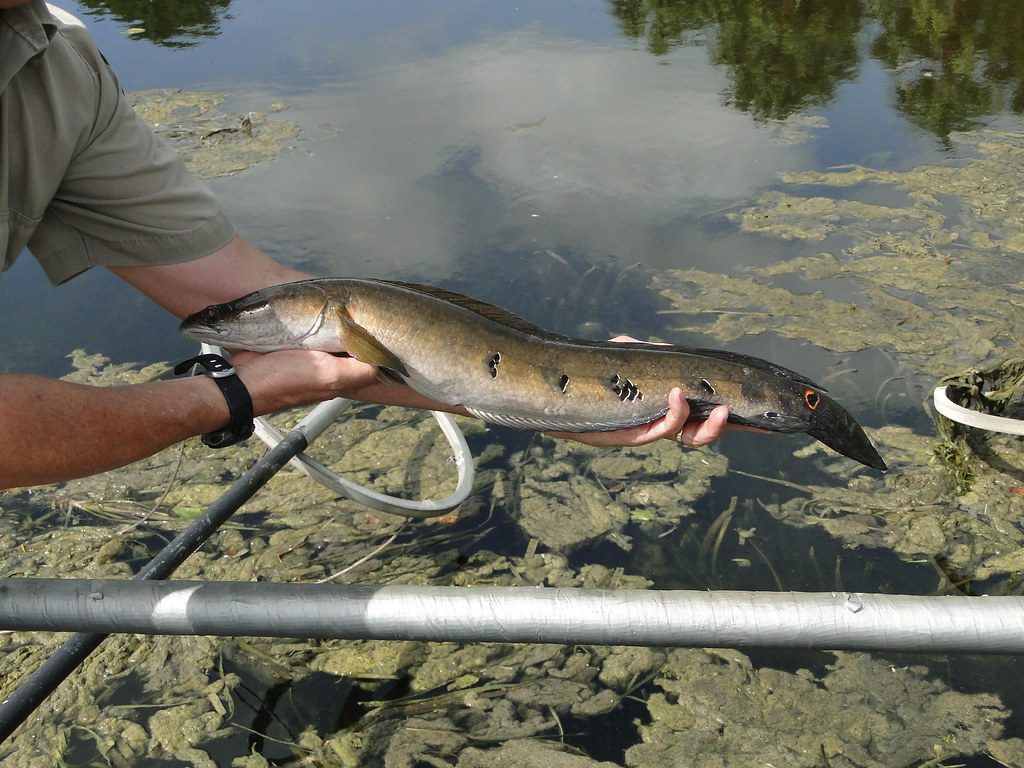
Have you noticed more reports about dangerous or invasive animals in rivers and lakes? The growing number of harmful creatures in U.S. waterways is raising concerns for residents, anglers, and wildlife experts. From invasive fish that damage ecosystems to species that threaten native wildlife, these animals are changing waterways across the country.
This article explains which harmful creatures are spreading, why they are expanding into new areas, how they affect people and wildlife, and what officials are doing to slow their spread.
Which harmful creatures are spreading
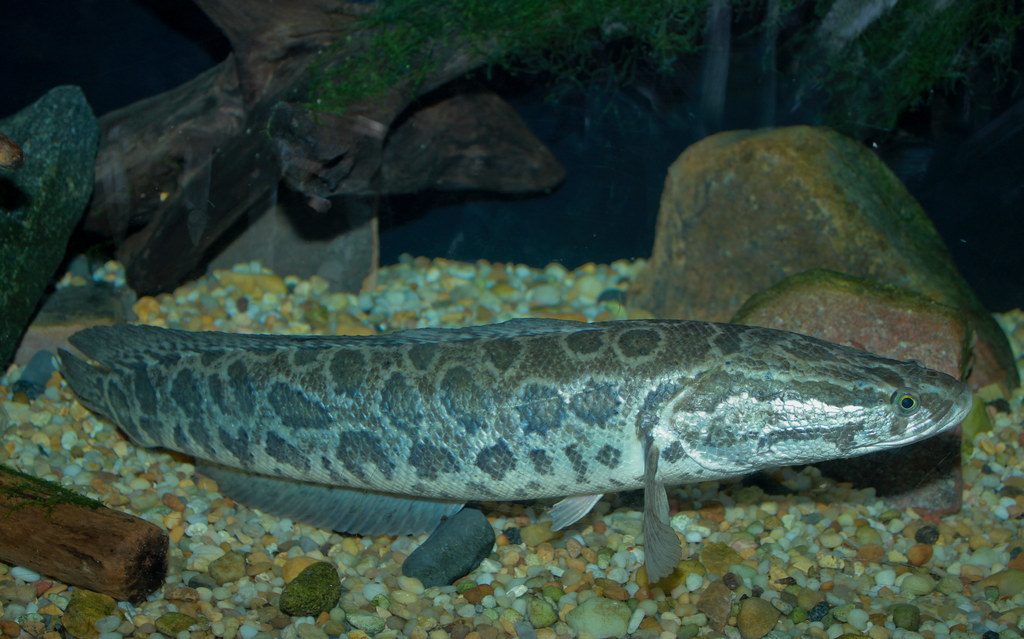
One of the biggest concerns is the northern snakehead, an invasive fish native to Asia. Since first being found in the United States in 2002, it has established breeding populations across multiple states and continues to expand through connected rivers and streams.
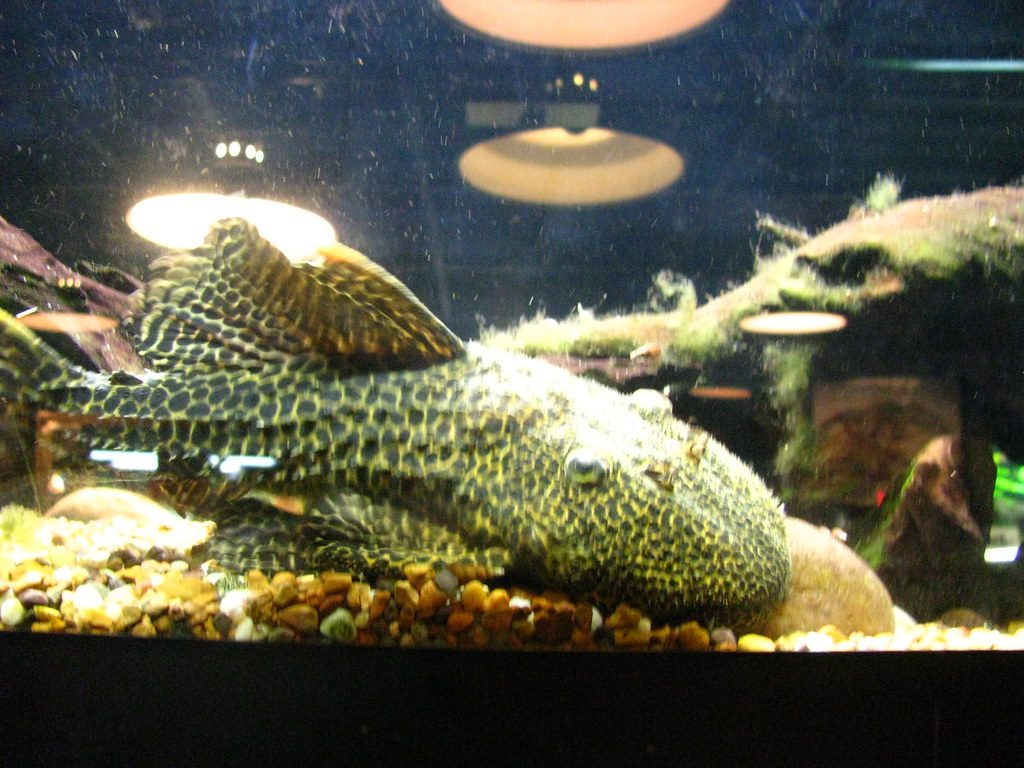
Another growing problem involves invasive armored catfish, also known as plecos, in Florida waterways. These fish reproduce quickly, compete with native species for habitat, and damage riverbanks by digging burrows along the shoreline.
Why these species are a concern
Invasive animals often have few natural predators in the places where they spread. This allows their populations to grow rapidly and makes it harder for native fish and other wildlife to compete for food and space.
Scientists have found that invasive predators can reduce native fish populations and upset the natural balance of rivers and lakes. Healthy waterways depend on many different species living together, and invasive animals can disrupt that balance.
How these animals spread
Many invasive aquatic species spread after being released by people, escaping from fish farms, or moving through connected waterways. Once they establish breeding populations, they can slowly expand into nearby rivers and lakes.
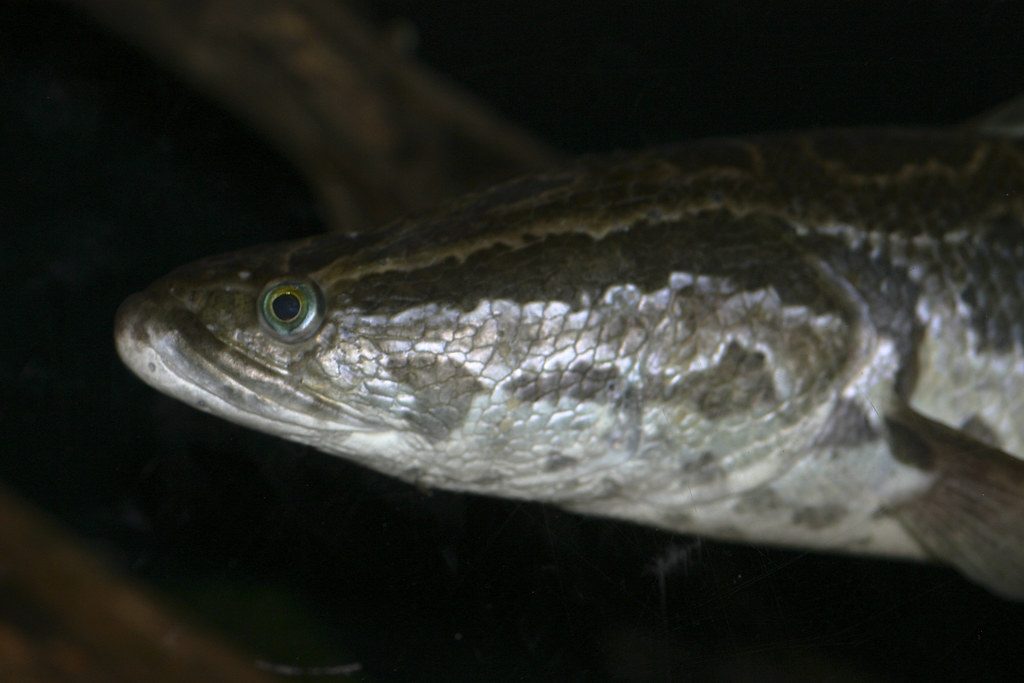
Some species are especially difficult to control because they are highly adaptable. Northern snakeheads, for example, can breathe air for short periods, survive in low-oxygen water, and move across wet ground during rainy conditions.
What this means for local communities
Most invasive fish do not actively hunt people, but they can affect fishing, boating, and local ecosystems. As native fish decline, recreational fishing and the businesses that depend on healthy waterways may also suffer.
Residents are also becoming more aware of these species as sightings increase. Wildlife agencies encourage people to report unusual catches and avoid releasing non-native animals into lakes or rivers.
What officials are doing

State and federal agencies monitor invasive species and encourage anglers to help remove certain invasive fish where regulations allow. Public education is also an important part of preventing new introductions.
Researchers continue studying how these species spread and which control methods work best. Although eliminating established invasive populations is difficult, slowing their spread can help protect native wildlife.
How people can help protect waterways
Simple actions can make a difference. Cleaning boats and fishing equipment before moving between waterways helps prevent invasive species from spreading to new locations.
People should also avoid releasing aquarium pets or live fish into the wild. Following local wildlife rules and reporting invasive species can help protect America’s rivers, lakes, and wetlands for future generations.
Featured Image: “Bullseye Snakehead: NONNATIVE” by MyFWC Florida Fish and Wildlife is licensed under CC BY-ND 2.0
Leave a Reply