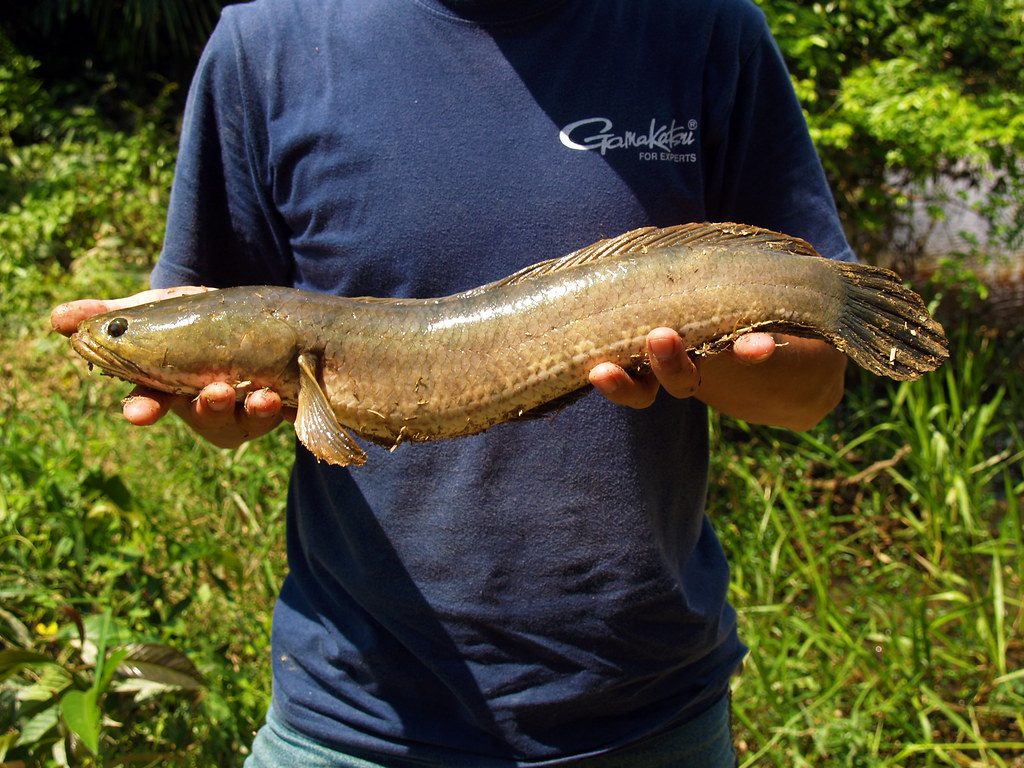
A single catch can signal the arrival of one of North America’s most troublesome invasive fish. Wildlife officials in Pennsylvania are reminding anglers that if they catch a northern snakehead, they should not release it back into the water.
The predator, sometimes nicknamed the “Frankenfish,” has spread into waterways across several states and poses a growing threat to native fish and aquatic ecosystems.
Why are officials concerned
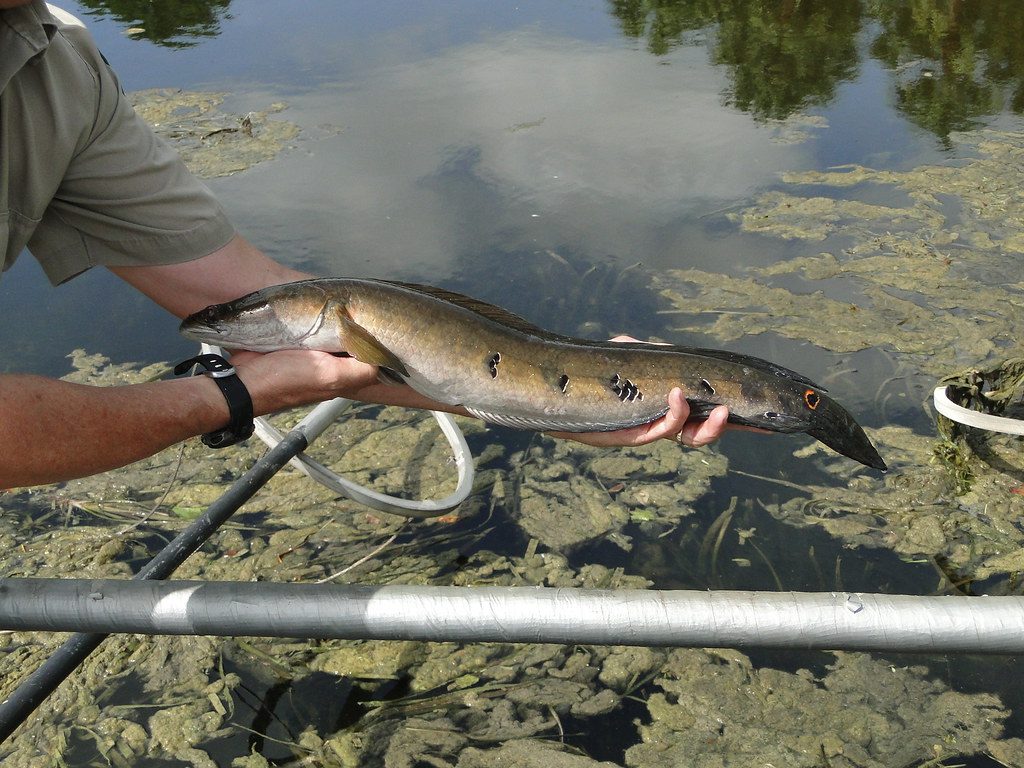
Northern snakeheads are native to parts of Asia but have established breeding populations in several U.S. waterways. They are aggressive predators that feed on fish, frogs, crayfish, and other aquatic animals, thereby competing directly with native species for food and habitat.
Even a single confirmed catch may indicate that a local population is becoming established.
A fish built to survive
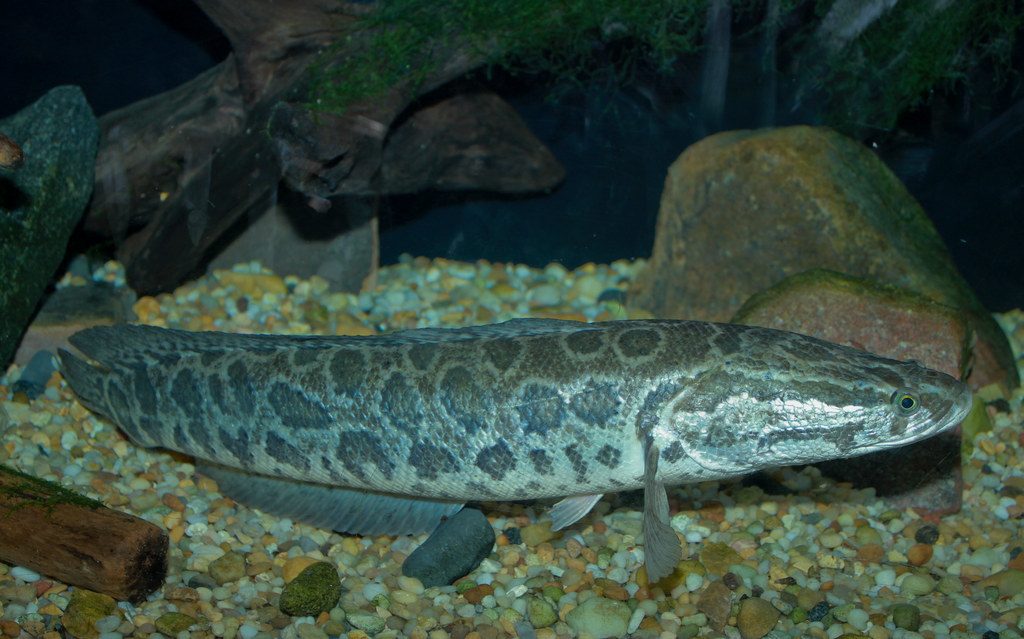
Unlike most freshwater fish, northern snakeheads can breathe atmospheric air using a specialized organ. This allows them to survive out of water for limited periods if they remain moist.
Their adaptability helps them spread into new habitats, making them particularly difficult to manage once established.
The impact on native wildlife
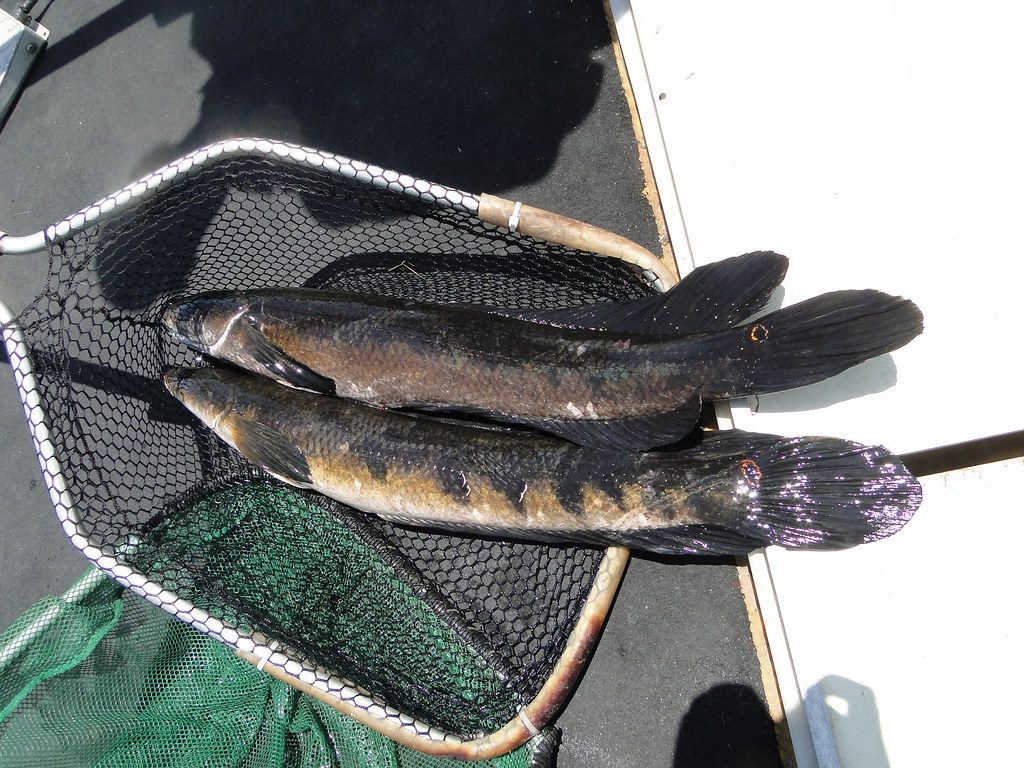
Snakeheads can reduce populations of native fish by preying on smaller species and competing with larger sport fish. Scientists worry they may also interfere with efforts to restore sensitive native species in affected watersheds.
Invasive predators add pressure to ecosystems already challenged by habitat loss, pollution, and warming water temperatures.
What should anglers do?
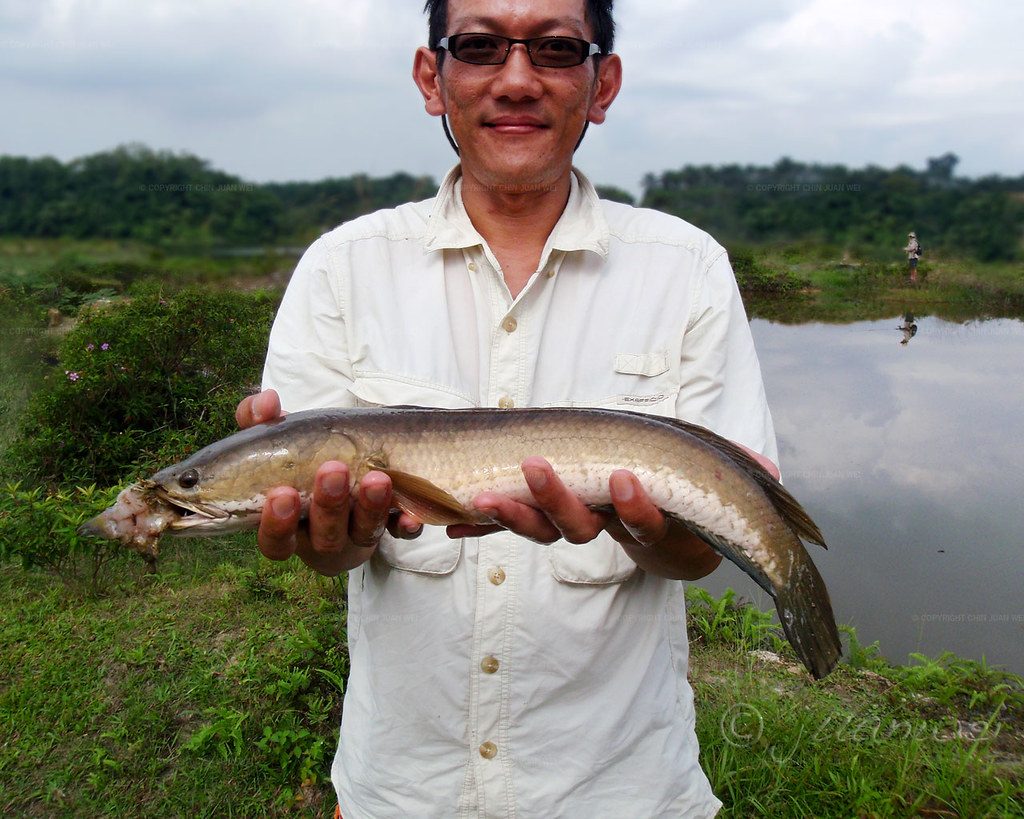
The Pennsylvania Fish and Boat Commission advises anglers to photograph any suspected northern snakehead, record the location, and report the catch. Because transporting live snakeheads is illegal, officials recommend killing the fish rather than releasing them.
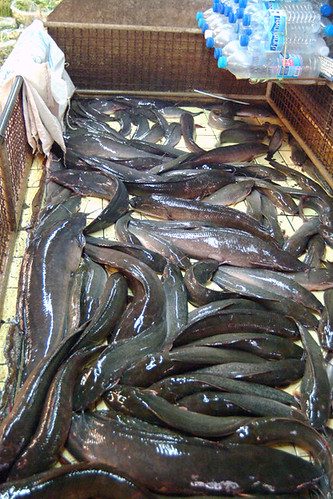
Many anglers also choose to eat northern snakeheads, which are widely considered to have firm, mild-tasting white meat.
Preventing the spread
People can help slow the spread of invasive species by cleaning boats and fishing equipment before moving between waterways, draining live wells and bait buckets, and never releasing aquarium pets into the wild.
Early detection and rapid removal remain the most effective tools for limiting new invasions.
Leave a Reply