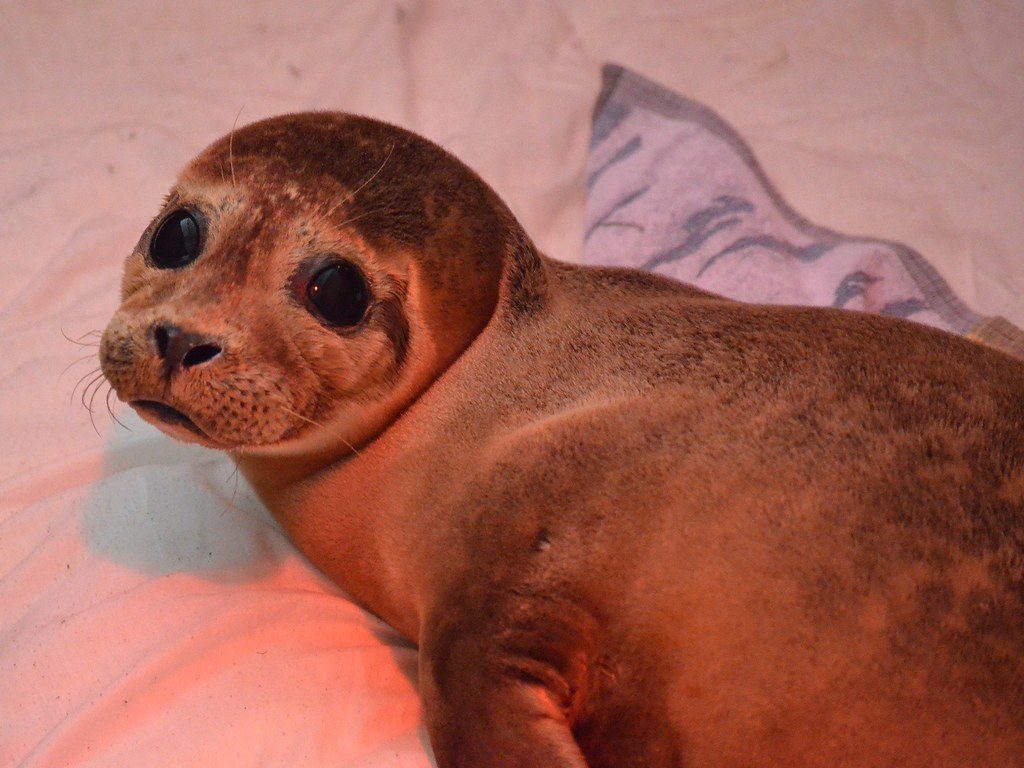
On Namibia’s isolated coastline, conservationists discovered a young Cape fur seal struggling alone with plastic tightly wrapped around its body. Exhausted and frightened, the animal had no way to remove the debris on its own, and every day the entanglement remained in place increased the risk of severe injury or death.
Fortunately, a rescue team from Ocean Conservation Namibia reached the seal in time, turning what could have been a tragedy into another successful wildlife rescue.
Alone on a remote coastline
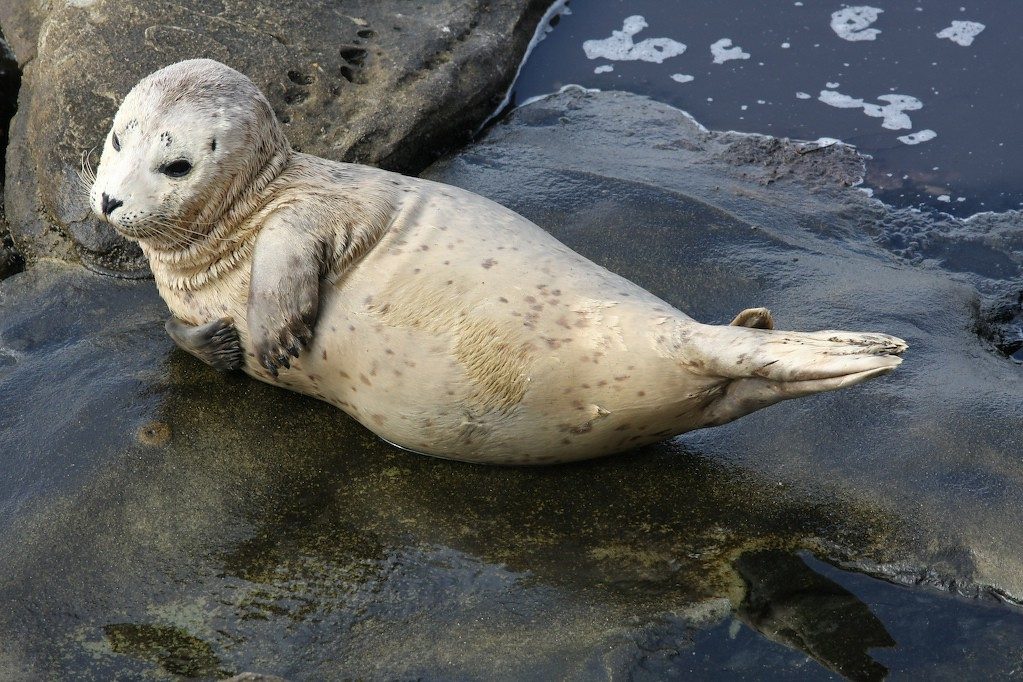
The seal was found in a sparsely populated section of Namibia’s coast, far from places where people are normally present. Because entangled seals cannot free themselves, many suffer unnoticed unless conservation patrols happen to find them.
Rescuers regularly search these remote colonies because early intervention greatly improves an animal’s chance of survival.
Plastic becomes a deadly trap
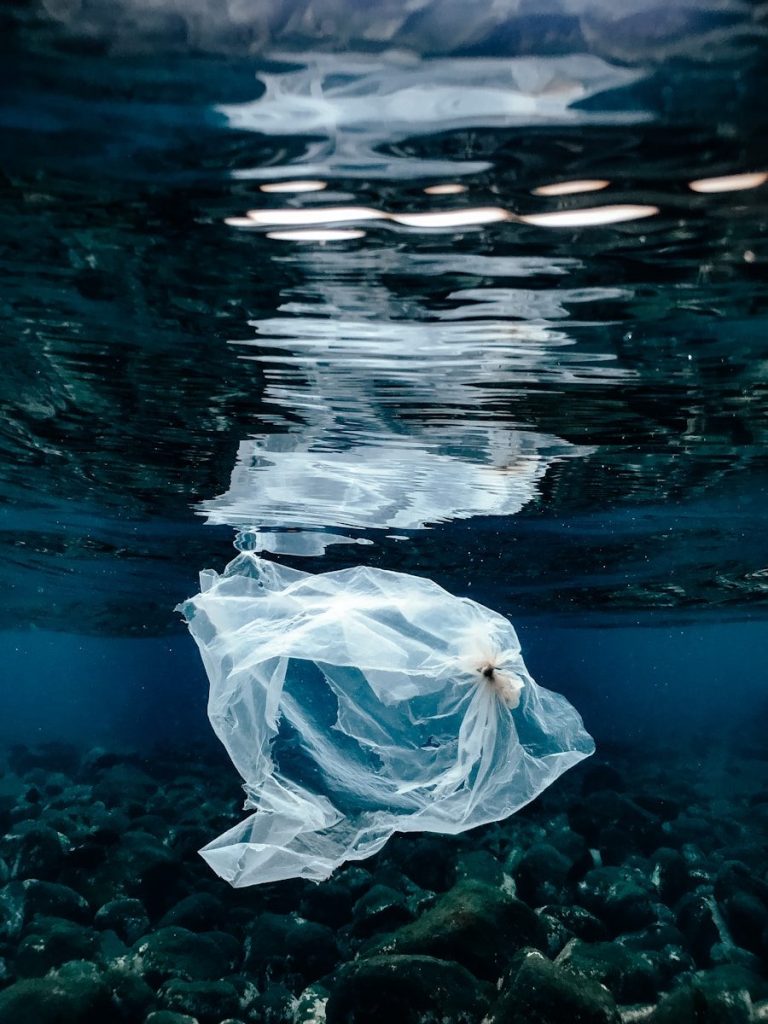
Discarded fishing line, rope, and plastic packaging can tighten around a growing seal’s neck or body. As the animal matures, the material cuts deeper into the skin, causing painful wounds, infection, and restricted movement.
Without rescue, many entangled seals eventually die from their injuries or starvation.
A rescue against the clock
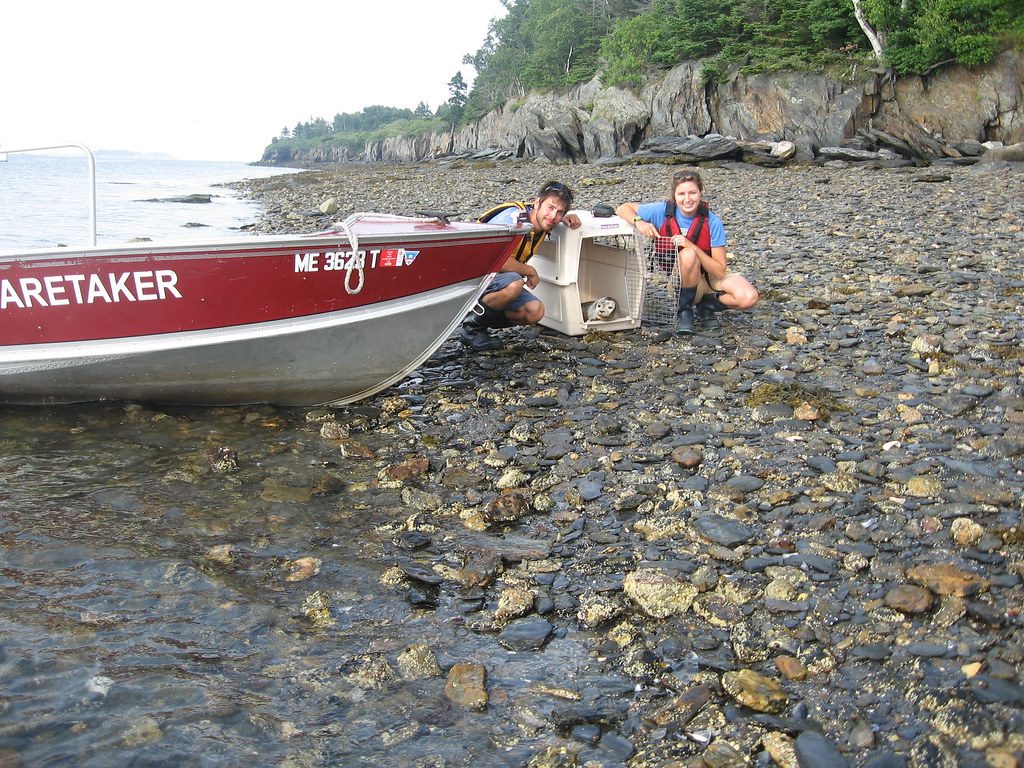
Using specialized rescue equipment, the conservation team safely captured the frightened seal and carefully cut away the plastic. The operation lasted only a few minutes, minimizing stress while ensuring every piece of dangerous debris was removed.
Once freed, the seal immediately regained its freedom of movement.
Why seals fear their rescuers
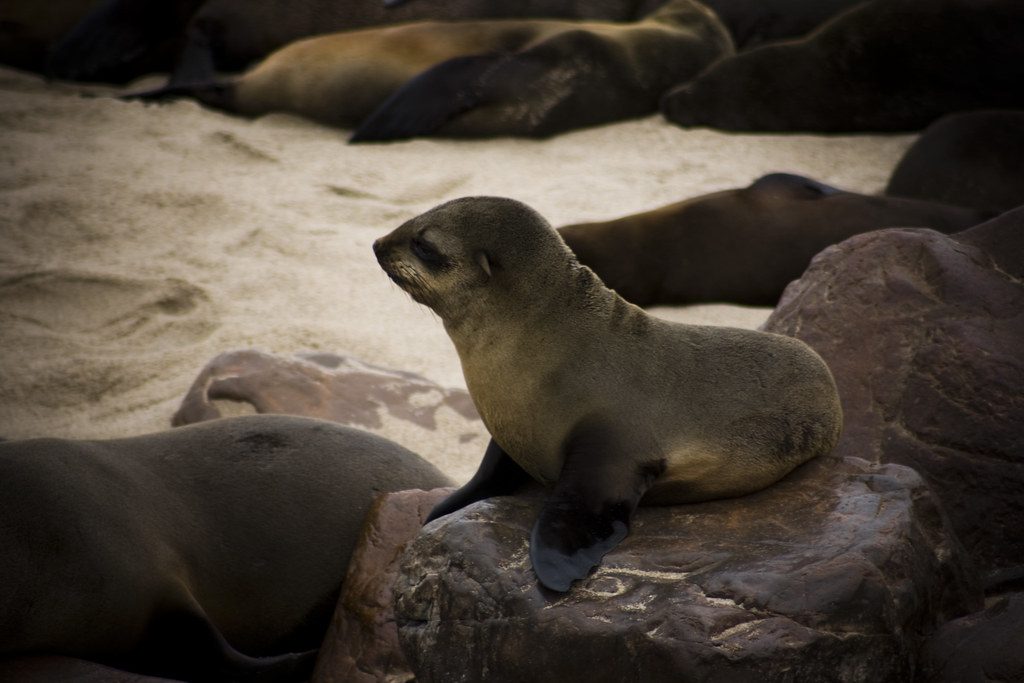
Although the team is there to help, wild seals naturally see approaching humans as potential predators. Many struggle to escape because they cannot understand that the brief capture is intended to save their lives.
Experienced rescuers work quickly to reduce fear and return each animal to the wild as soon as possible.
Ocean plastic remains a global threat
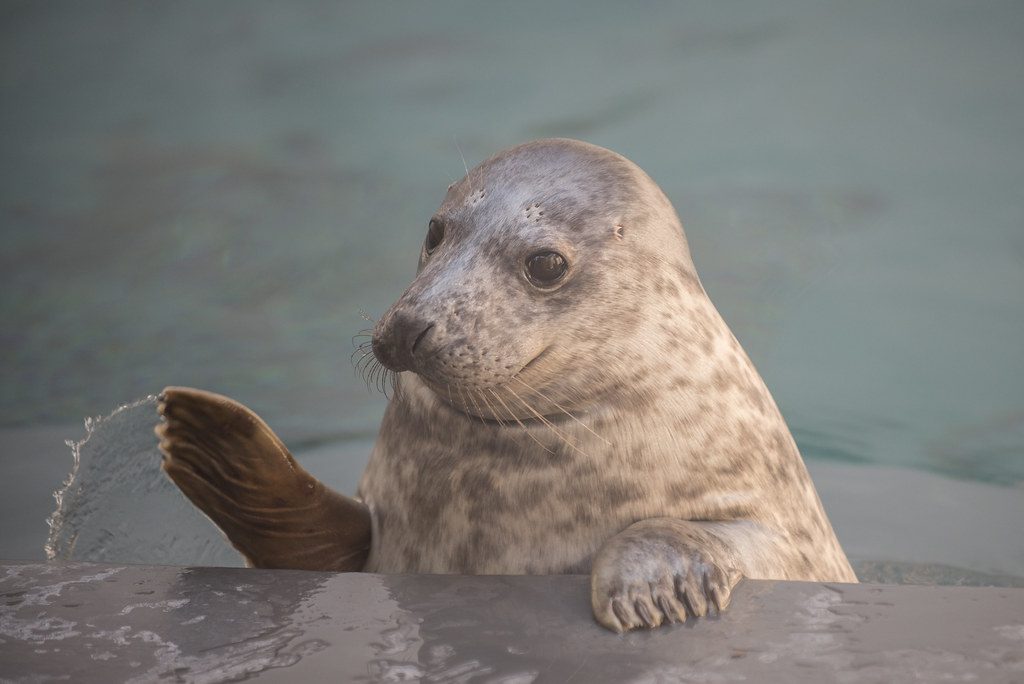
Marine debris affects countless species beyond seals, including sea turtles, whales, dolphins, seabirds, and fish. Lost fishing gear, plastic straps, and packaging continue trapping wildlife long after entering the ocean.
Reducing plastic pollution and properly disposing of fishing equipment are among the most effective ways to prevent future entanglements.
Every rescued seal inspires change
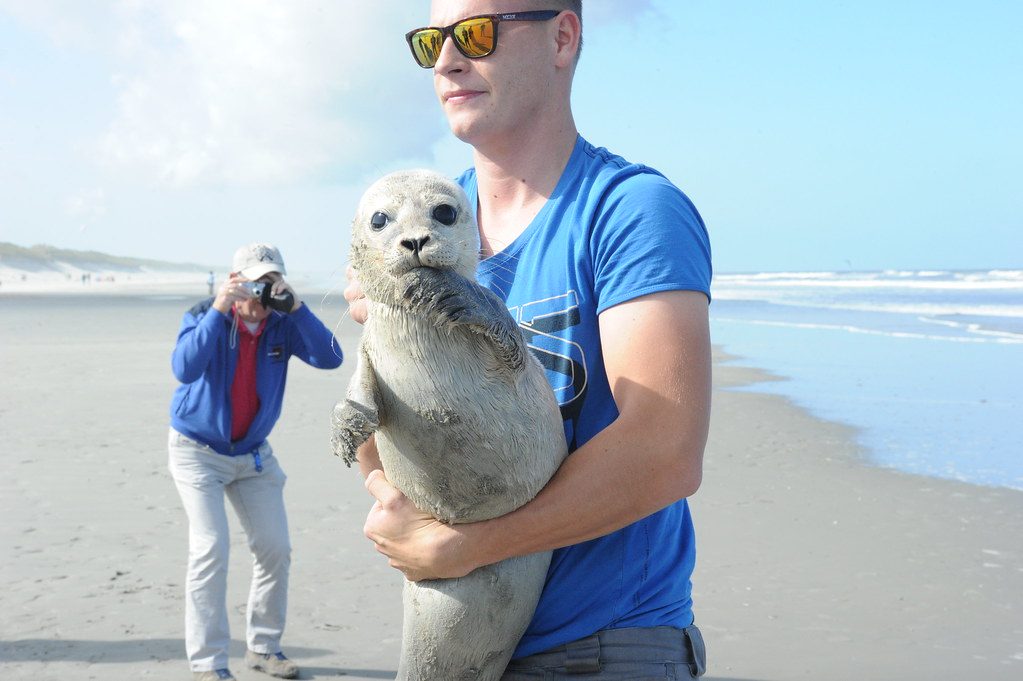
Each successful rescue highlights both the resilience of wildlife and the importance of conservation work. By sharing these rescues, organizations like Ocean Conservation Namibia encourage people to reduce plastic waste, support coastal cleanups, and better understand the impact of human activity on marine ecosystems.
Every animal freed from plastic is another reminder that small actions can make a meaningful difference for ocean life.
Leave a Reply