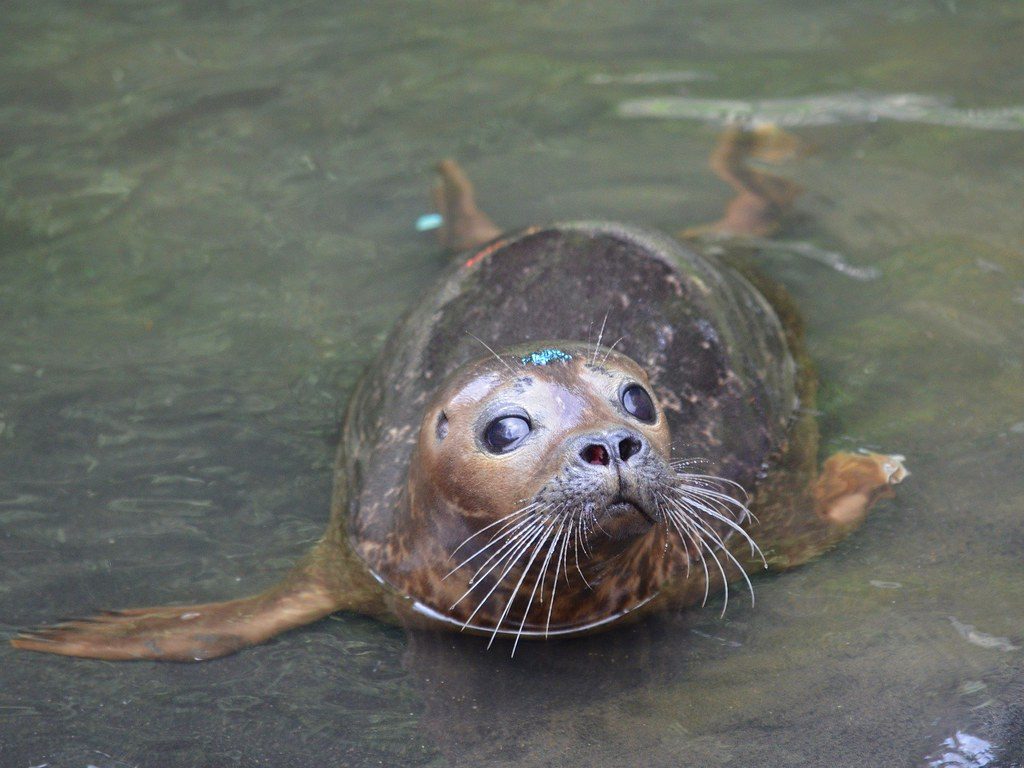
A routine patrol along Namibia’s coastline became another race against time when rescuers discovered a young Cape fur seal trapped by two separate pieces of plastic wrapped tightly around its neck. One was a yellow plastic line, while the other was an old, frayed rope that had become dangerously entangled as the pup grew.
Without human intervention, the materials would have continued cutting deeper into the seal’s skin. Fortunately, experienced rescuers reached the animal in time, removed both hazards, and sent the pup back to the ocean with one final reassuring back rub.
Two dangerous traps around one small seal
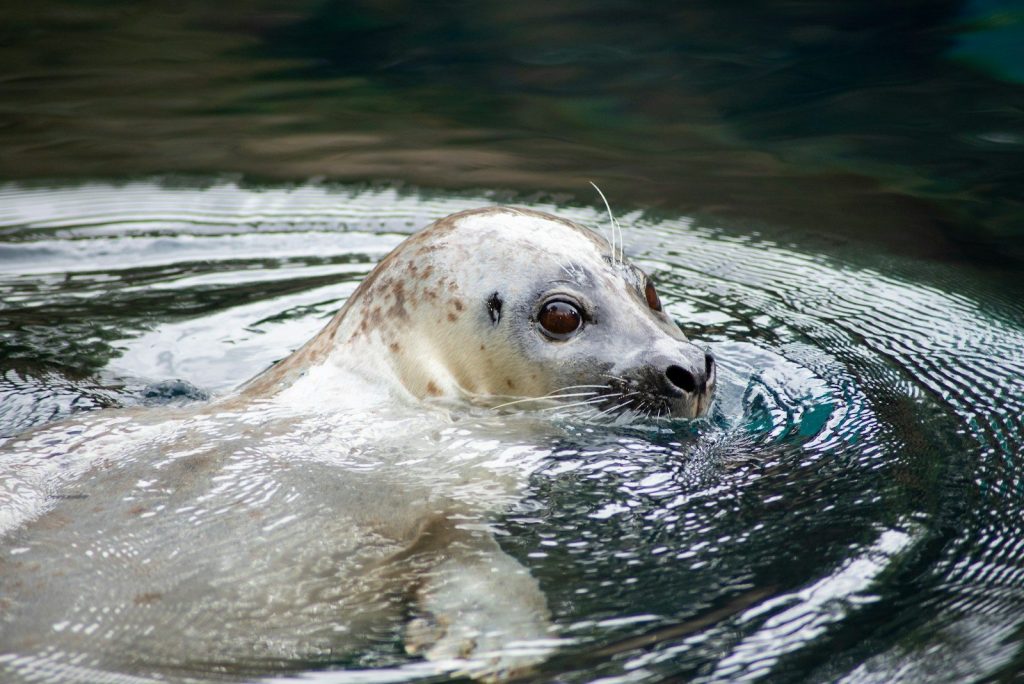
Unlike many rescues involving a single piece of debris, this seal pup had become entangled in both a plastic line and an old rope. As young seals grow rapidly, materials caught around their necks tighten over time, causing painful wounds that can eventually restrict movement, feeding, and breathing.
Without rescue, these injuries often become fatal.
Why seal pups are especially vulnerable
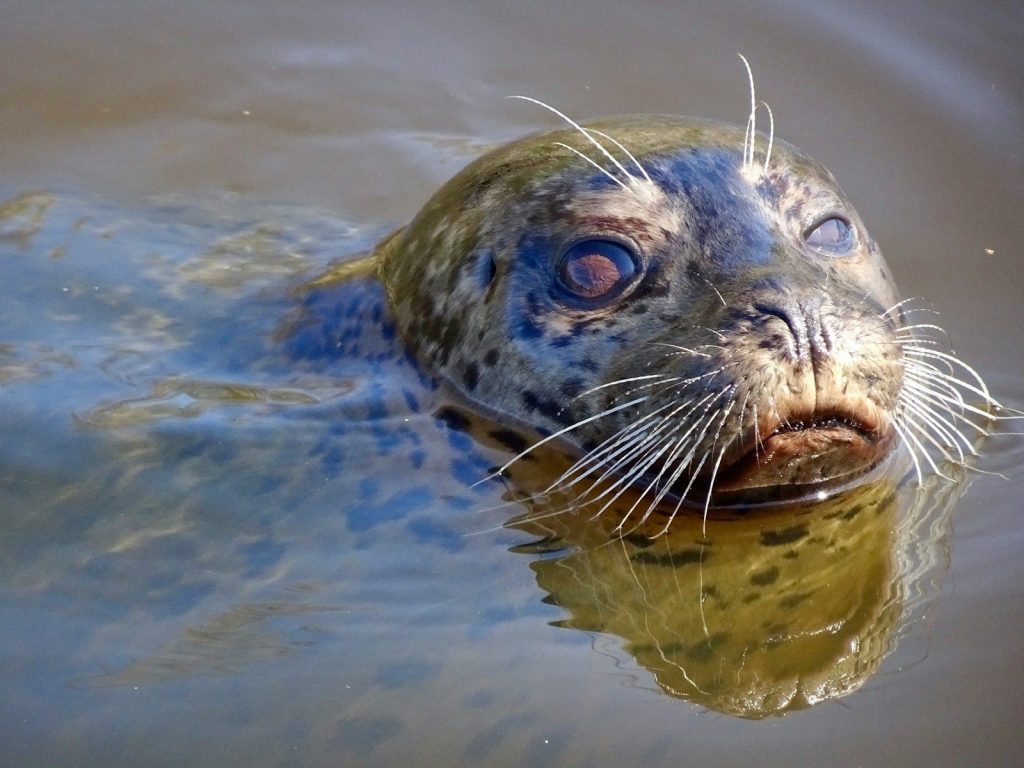
Young Cape fur seals are naturally playful and curious. Floating ropes, fishing line, and plastic straps often resemble toys, leading pups to investigate or play with them before they become trapped.
Because they continue growing quickly, even a loose piece of plastic can become increasingly dangerous within weeks.
A careful rescue under pressure
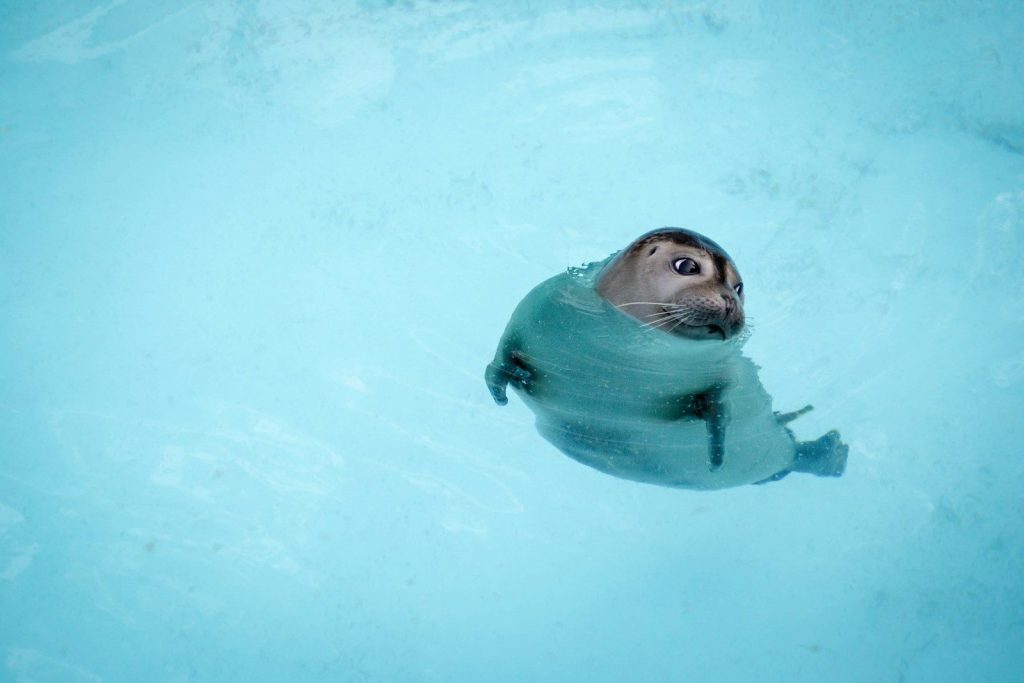
Ocean Conservation Namibia’s rescue teams use specially designed nets to safely restrain entangled seals for only a short time. Once secured, rescuers carefully cut away every piece of plastic while checking for deeper injuries beneath the debris.
The goal is always to minimize stress and return the animal to the wild as quickly as possible.
A happy ending with one final gesture
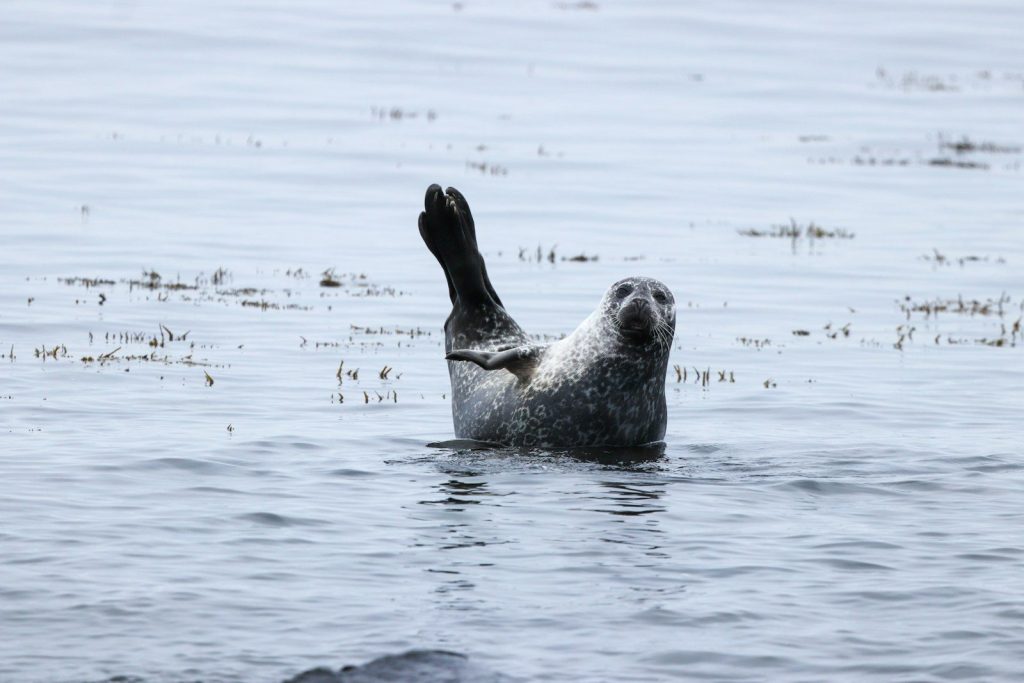
After both pieces of plastic had been removed, the exhausted seal pup was ready to return to the ocean. Before opening the rescue net, one rescuer gently rubbed the youngster’s back, creating a touching moment that has resonated with viewers around the world.
Seconds later, the seal hurried back toward the safety of its colony.
Plastic pollution remains a growing threat
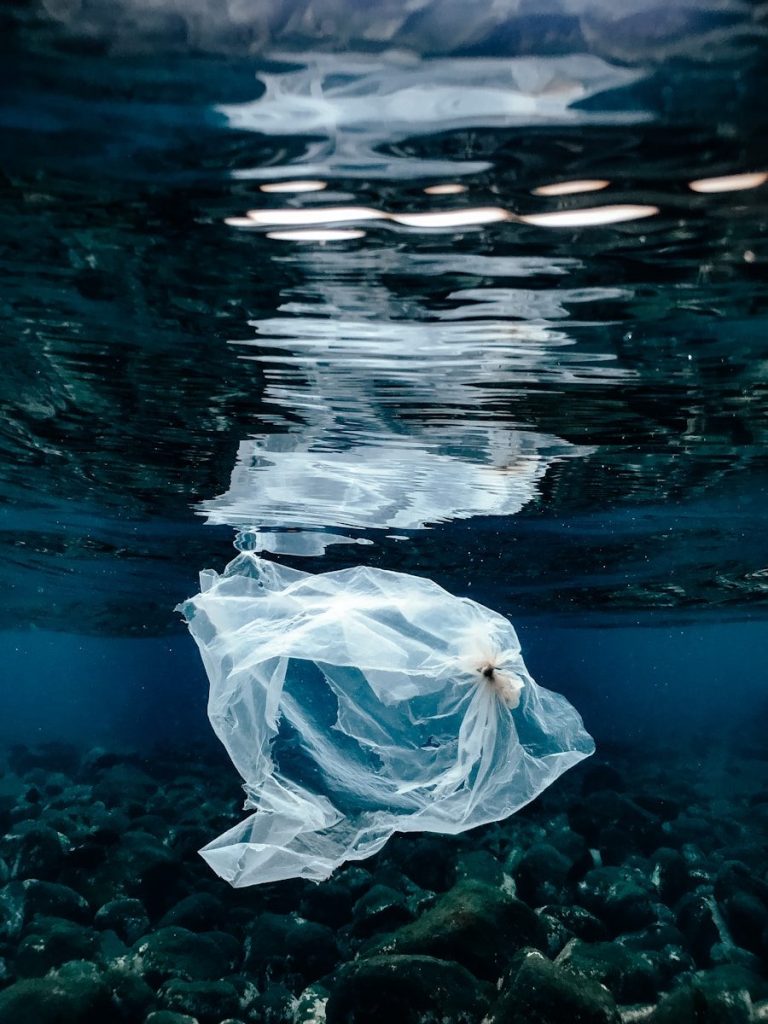
Discarded fishing gear, packaging straps, rope, and other marine debris continue to injure thousands of ocean animals every year. Seals, sea turtles, whales, dolphins, and seabirds are all vulnerable to entanglement, even when the plastic has been floating for years.
Many of these injuries are entirely preventable through responsible waste disposal and better management of fishing equipment.
Every rescue helps protect the next generation
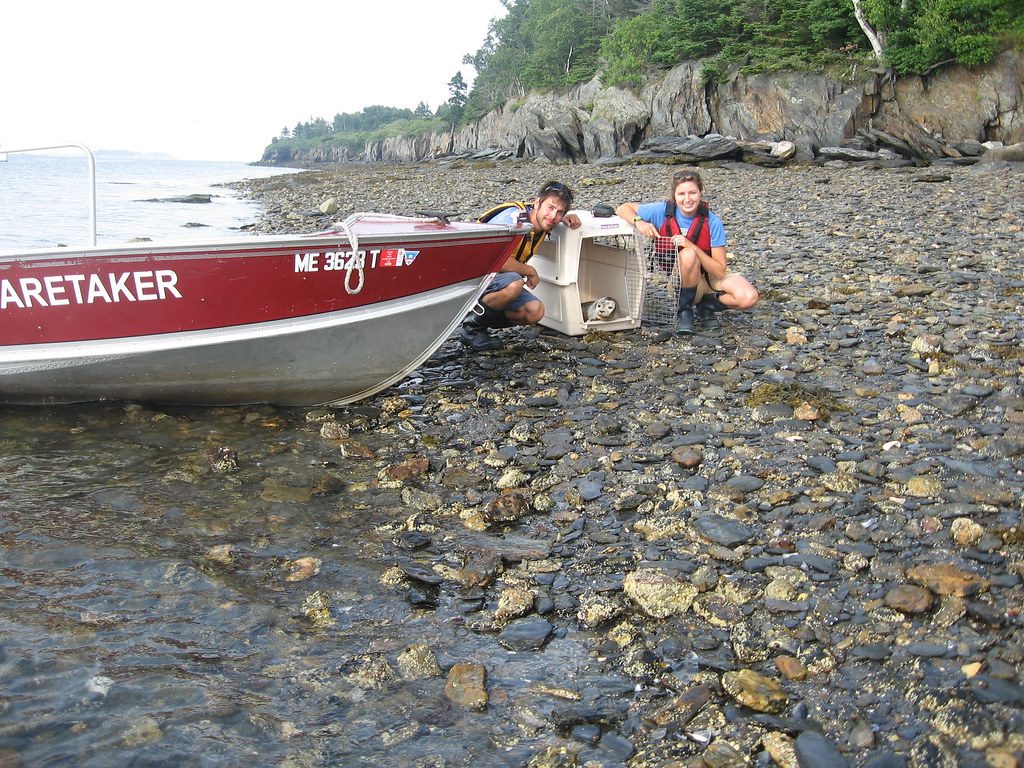
Each rescued seal represents more than a single life saved. By documenting rescues and sharing them publicly, conservation groups raise awareness about marine pollution and encourage people to reduce plastic waste before it reaches the ocean.
Simple actions such as properly disposing of fishing line, recycling plastic, and supporting coastal cleanups can help prevent future entanglements and create a safer environment for marine wildlife.
Featured Image: “Seal Rescue Ireland” by chripell is licensed under CC BY-SA 2.0
Leave a Reply