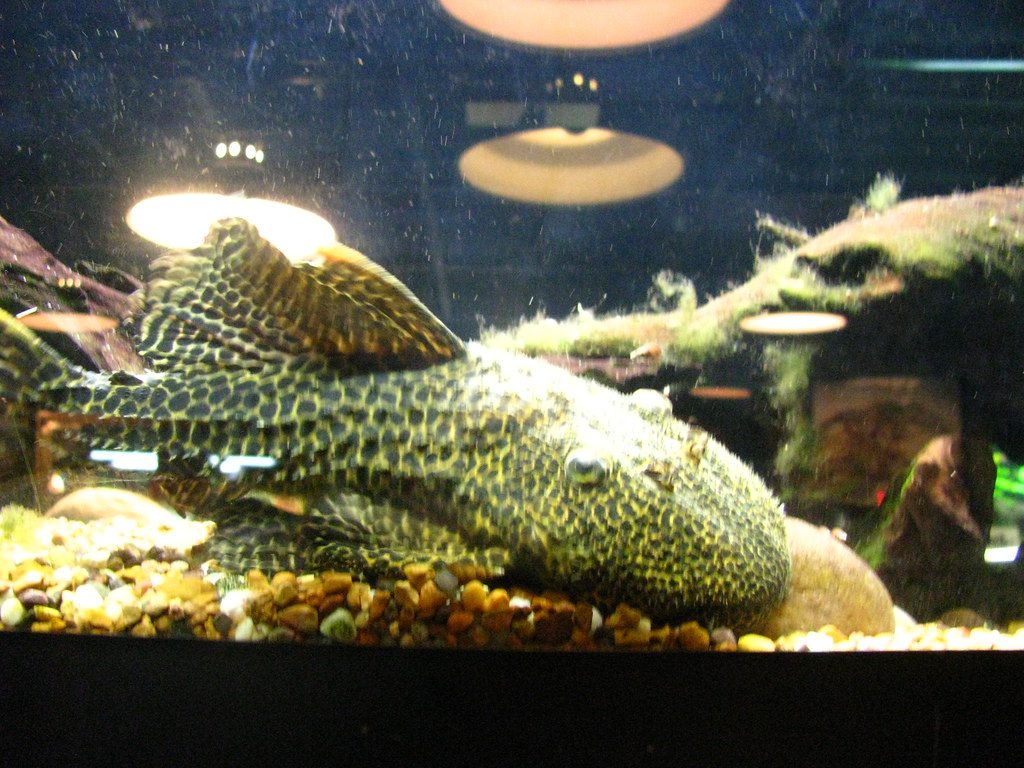
An invasive fish originally imported through the aquarium trade is spreading rapidly across Florida’s lakes, rivers, and canals. Known as the armored catfish or pleco, this tough bottom-dwelling species is causing environmental problems by damaging shorelines, competing with native wildlife, and even attaching itself to endangered Florida manatees.
As populations continue to grow, wildlife officials and conservation groups are urging residents to help slow the spread of the fish.
How the fish arrived in Florida
Armored catfish are native to the Amazon Basin in South America. They became popular aquarium fish because they feed on algae and help clean fish tanks. Over time, however, some were intentionally released or escaped into Florida waterways, where the warm climate allowed them to establish breeding populations.
Today, they are found in rivers, lakes, canals, and neighborhood ponds throughout much of the state.
Why these catfish are a problem
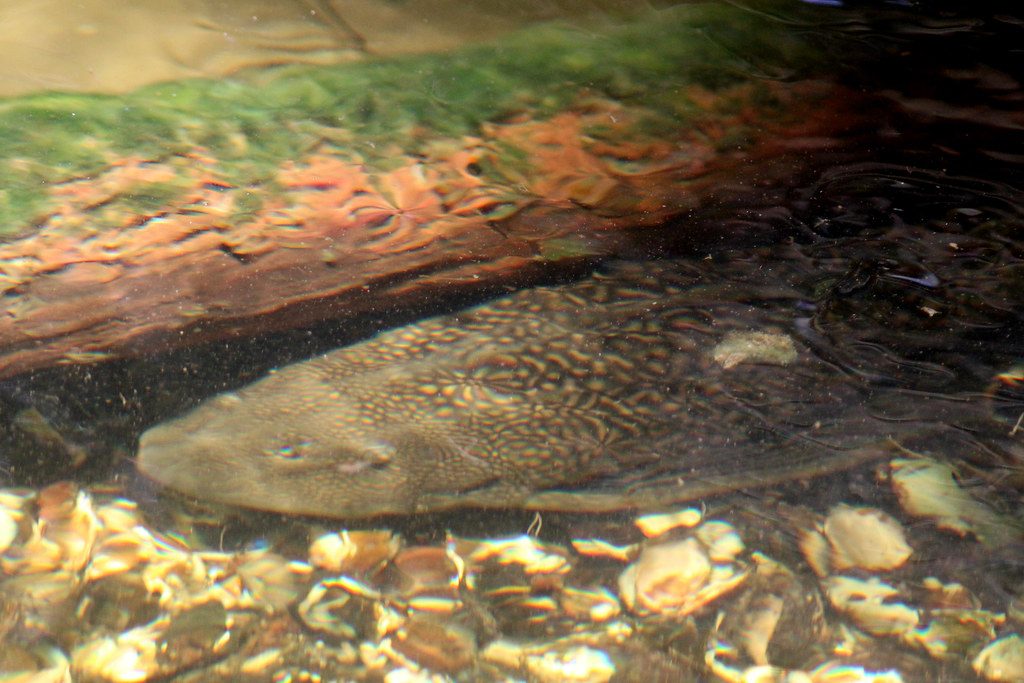
Unlike many native fish, armored catfish dig burrows into riverbanks and shorelines to create nesting sites. These tunnels weaken banks, increase erosion, and can damage habitats used by other aquatic animals.
Their large populations also compete with native species for space and food, making it more difficult for local ecosystems to remain balanced.
The unusual threat to manatees
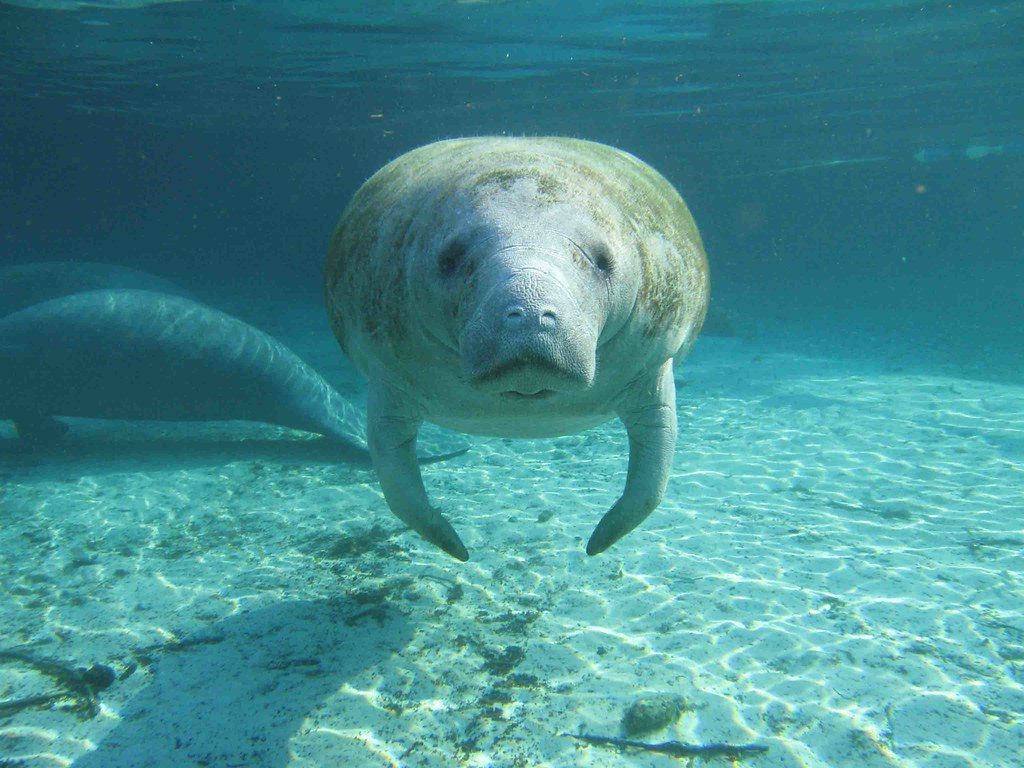
One of the most surprising impacts involves Florida’s endangered manatees. Armored catfish often attach themselves to the animals using their suction-cup mouths while feeding on algae growing on the manatees’ skin.
Although the catfish are not trying to eat the manatees, the constant attachment disturbs resting animals and forces them to expend extra energy trying to shake the fish off. Researchers worry that this repeated harassment may affect already vulnerable manatee populations.
What Florida is doing
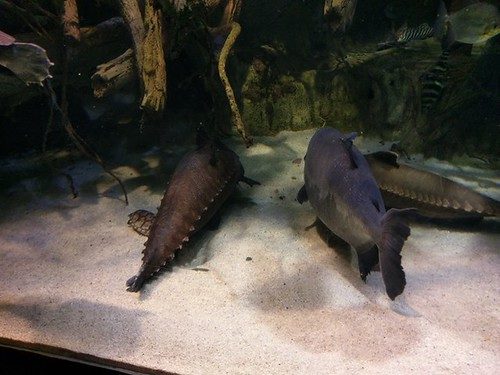
The Florida Fish and Wildlife Conservation Commission encourages people to remove invasive armored catfish whenever it is legal and safe to do so. In most Florida waters, there is no size or harvest limit for these invasive fish.
Some homeowners’ associations and local communities are also organizing trapping efforts in neighborhood ponds and retention lakes where populations have become especially dense.
How residents can help
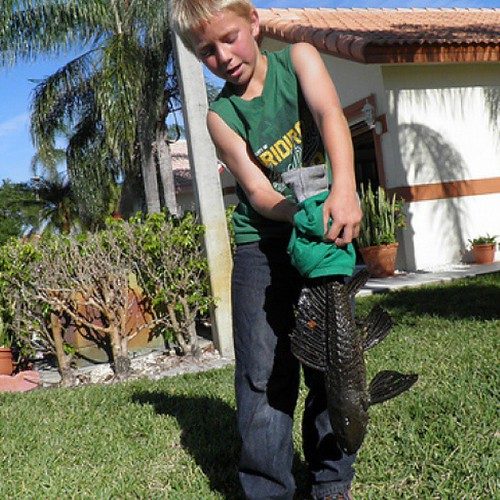
Preventing the spread of invasive species starts with responsible pet ownership. Aquarium fish should never be released into natural waterways, even if owners can no longer care for them.
Residents can also report invasive species sightings, support local conservation projects, and learn how to identify non-native fish that threaten Florida’s ecosystems.
Why protecting native wildlife matters
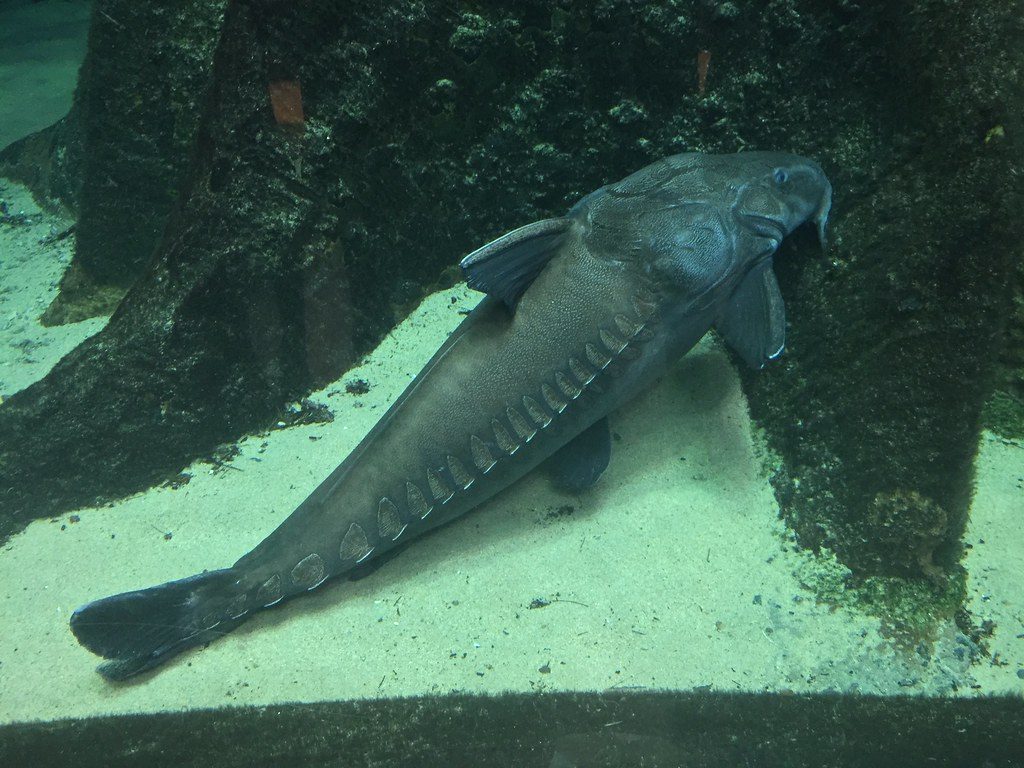
Florida is home to one of the world’s richest collections of freshwater plants and animals. Controlling invasive species helps protect endangered wildlife, preserves healthy waterways, and reduces long-term environmental damage.
Although armored catfish are remarkably adaptable, scientists say preventing new introductions and managing existing populations remain the best ways to protect Florida’s unique aquatic ecosystems.
Featured Image: “armored catfish” by marichica88 is licensed under CC BY-NC-SA 2.0
Leave a Reply