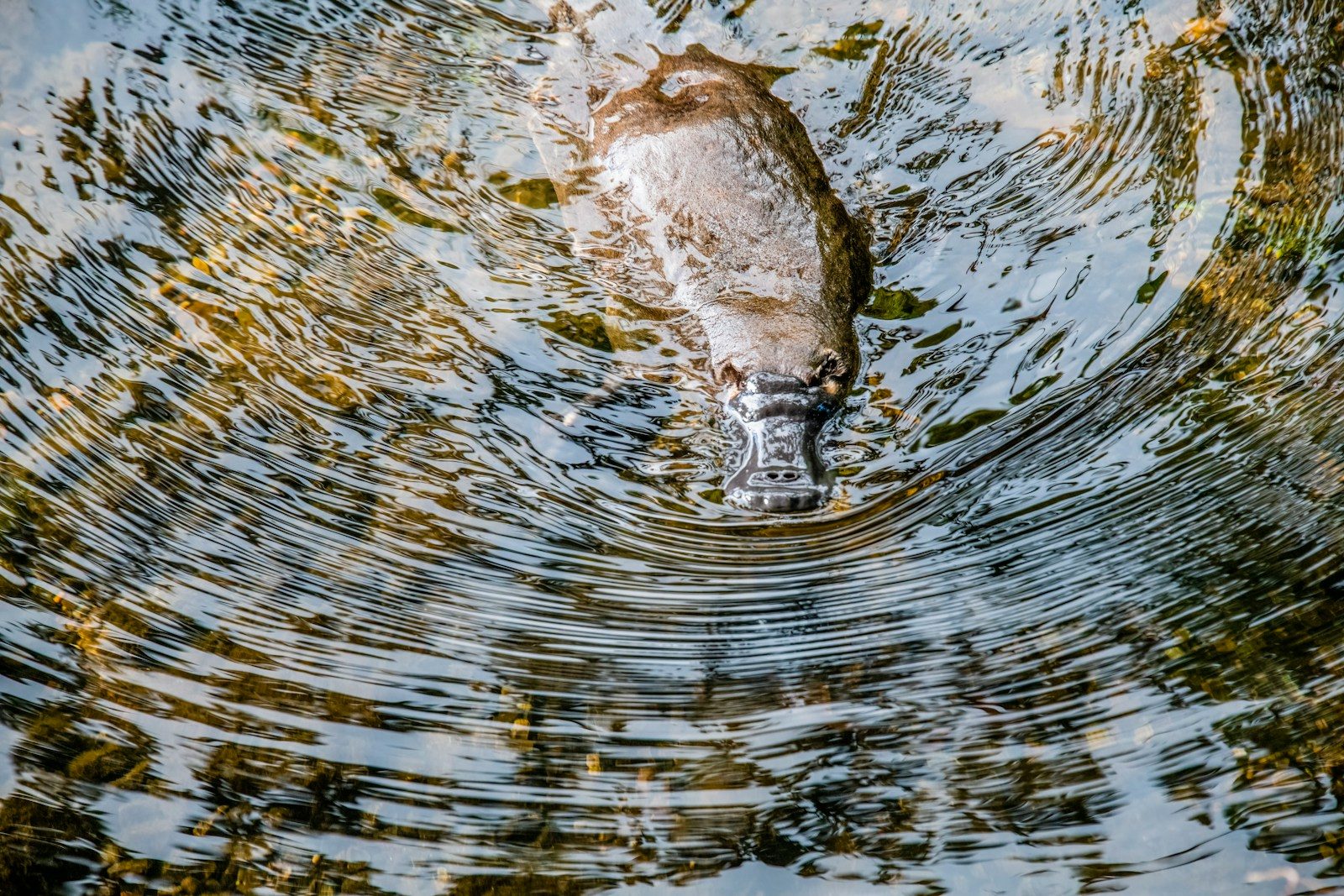
When rescuers discovered a young platypus alone in poor condition, the tiny animal was dangerously weak, dehydrated, and covered in dozens of blood-feeding ticks. Every parasite was draining precious energy from a body already struggling to survive.
Wildlife specialists rushed the youngster into emergency care, where hydration, parasite removal, and around-the-clock treatment gave the rare Australian mammal a chance to recover. What followed became an inspiring example of how timely wildlife rescue can save even the most fragile animals.
A rescue just in time
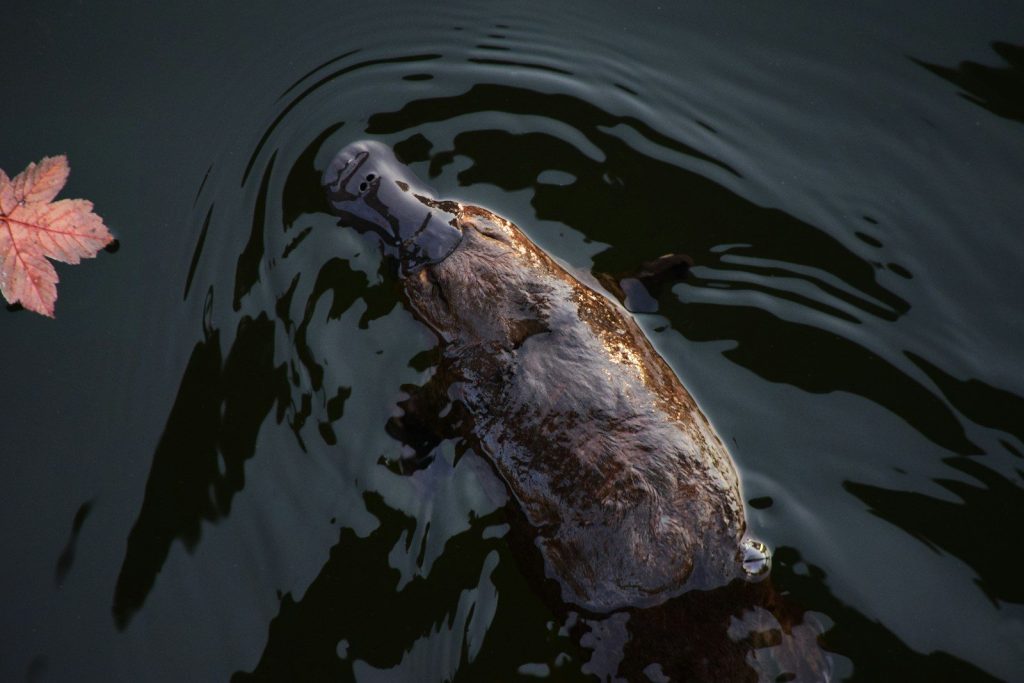
The juvenile platypus was found far from safety after becoming severely weakened. Rescuers recognized that the animal’s condition was critical and immediately transported it to a specialist wildlife hospital for emergency treatment.
Veterinarians determined that dehydration, malnutrition, and a heavy tick infestation had pushed the young platypus close to collapse.
Why ticks can become deadly
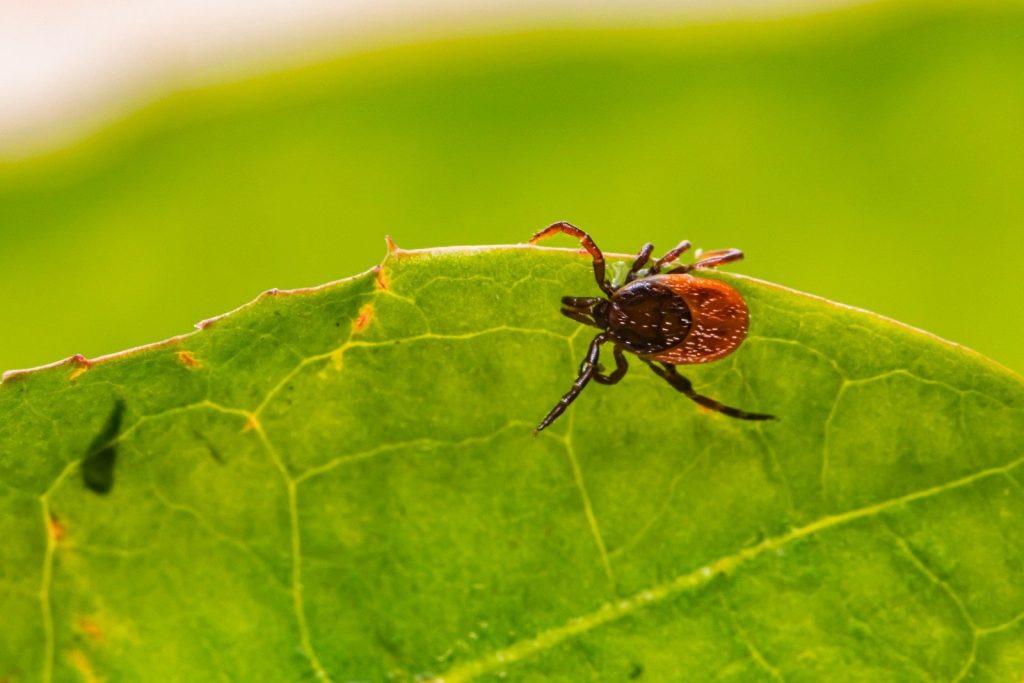
Ticks feed on blood, and heavy infestations can leave young animals dangerously weak. In platypuses, severe tick burdens may contribute to anemia, reduced body condition, and loss of the waterproof fur that is essential for survival in cold water.
Without treatment, these combined effects can become life-threatening.
Intensive care begins
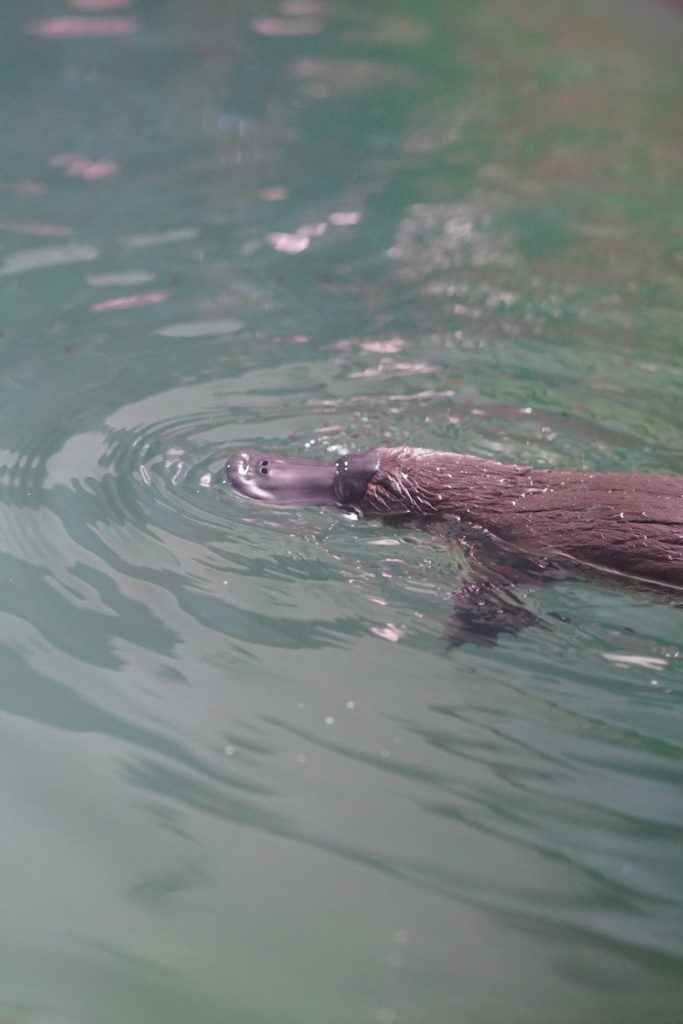
Wildlife veterinarians carefully removed the parasites, provided fluids to reverse dehydration, and monitored the platypus around the clock. Frequent feeding and supportive care gradually helped the youngster regain strength.
Because platypuses are highly specialized mammals, rehabilitation requires experienced keepers and carefully controlled conditions.
A slow but remarkable recovery
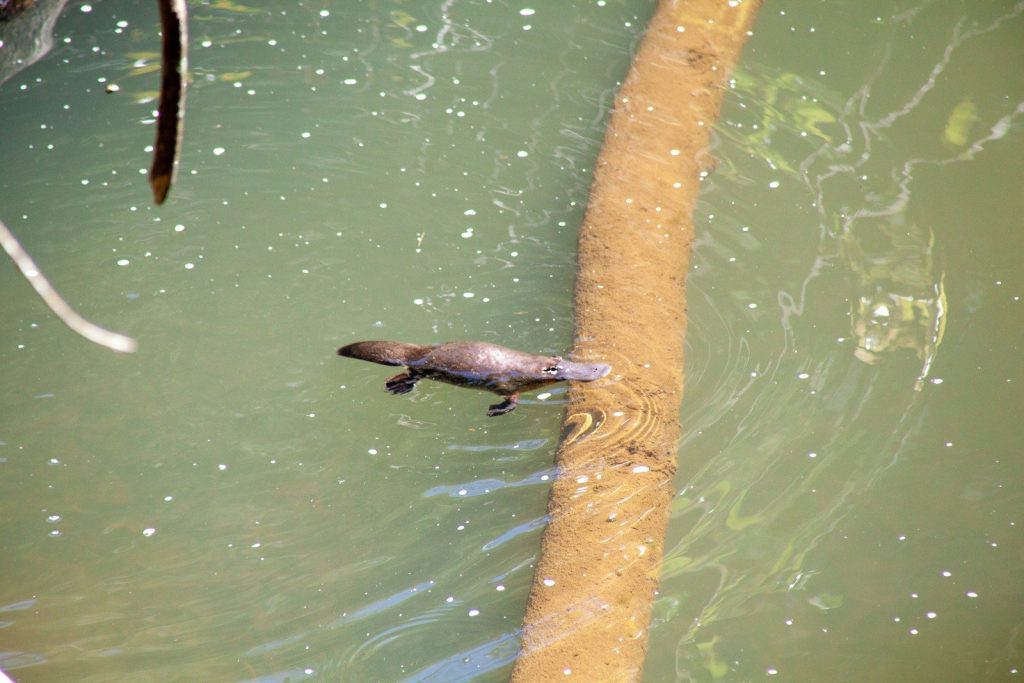
Over the following weeks and months, the young platypus steadily gained weight, became more active, and began feeding independently. As its health improved, its waterproof coat recovered, allowing it to swim and forage normally again.
The steady progress showed that even critically ill platypuses can recover with expert care.
Why platypuses need protection
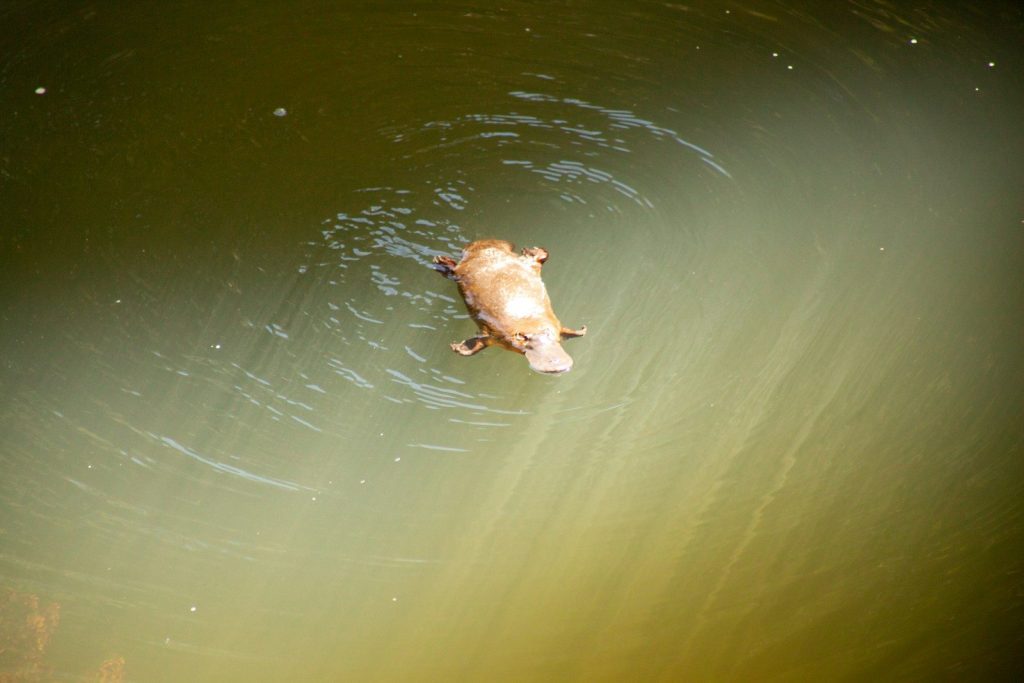
Platypuses face growing challenges across Australia, including habitat loss, drought, pollution, entanglement, and disease. Young animals are particularly vulnerable when rivers shrink or food becomes scarce.
Conservation groups continue monitoring wild populations while rescuing injured or orphaned animals whenever possible.
Every rescue offers hope
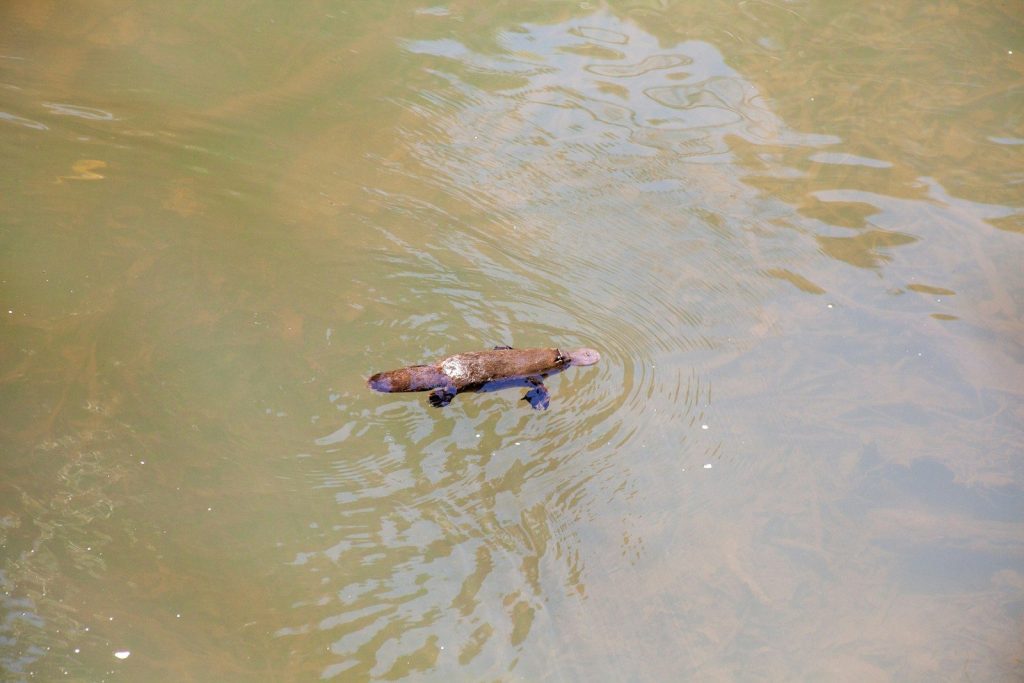
Each rescued platypus provides valuable knowledge that helps improve future conservation efforts. Successful rehabilitation not only saves individual animals but also contributes to protecting one of Australia’s most unique native mammals.
Stories like this remind us how rapid intervention, skilled veterinary care, and dedicated conservation teams can give vulnerable wildlife a second chance.
Leave a Reply