
Planning a California beach trip this year? Great white sharks heading north are increasing sightings along the state’s coastline, raising questions about what is happening in the ocean. Scientists say warmer water linked to El Niño is changing where juvenile great white sharks spend their time.
This article explains why sightings are increasing, where sharks are being seen, what researchers have learned, and why experts say the actual risk to swimmers remains very low.
Why are more sharks being spotted?

Scientists say warmer coastal waters are encouraging juvenile great white sharks to move farther north from Mexico into California. In 2026, some sharks arrived as early as February, weeks earlier than they normally would.
Researchers also expect the warmer conditions to keep young sharks in California’s nearshore waters longer than usual. These seasonal changes are closely linked to El Niño and unusually warm ocean temperatures.
Where the sharks are gathering

Most of the increased sightings involve juvenile great white sharks in Southern California. They are commonly found in shallow coastal waters where they feed on stingrays and small fish.
Researchers have also observed sharks near popular beaches in Santa Barbara, San Diego, Huntington Beach, Hermosa Beach, and other parts of Southern California. These areas provide warm water and abundant food for young sharks.
What scientists have learned

Researchers at California State University Long Beach’s Shark Lab have used drones and electronic tags to study shark behavior for many years. Their work shows that juvenile great whites often swim surprisingly close to surfers and swimmers without interacting with them.
Drone studies found that people and sharks shared the same water most of the time, yet negative encounters remained extremely uncommon. Scientists believe young sharks usually recognize that humans are not their natural prey.
Why sightings do not mean greater danger
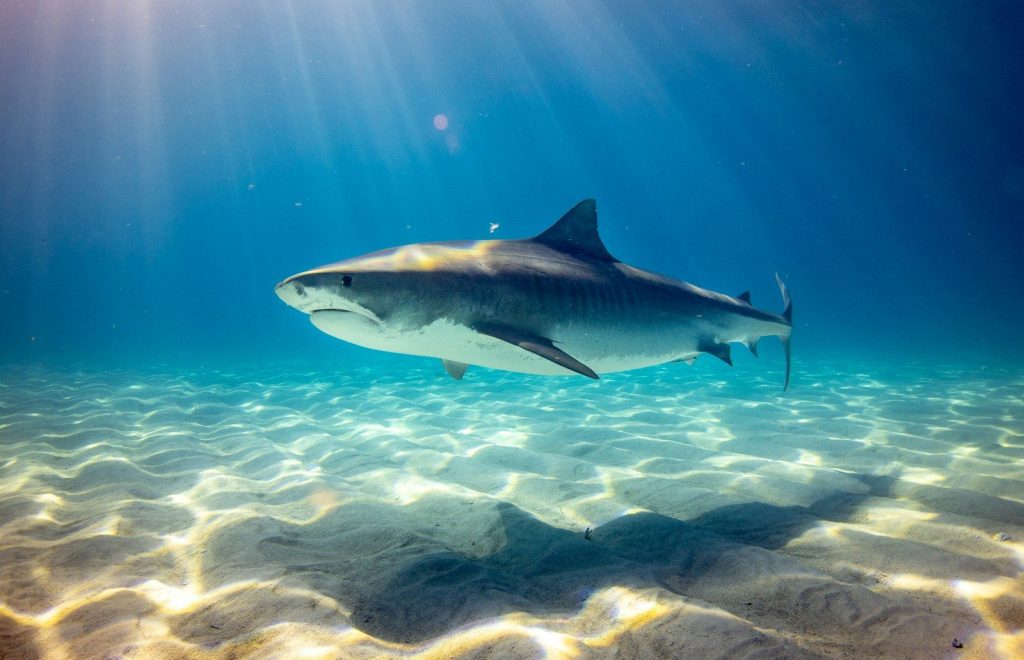
Although sightings have increased, experts say shark incidents have not risen at the same rate. California wildlife officials continue to describe shark interactions with people as very rare.
Most shark incidents are believed to involve exploratory bites or mistaken identity rather than deliberate attacks. Scientists encourage using the word “incident” because available evidence does not suggest sharks are intentionally hunting humans.
How California is responding

The California Fish and Game Commission recently approved emergency fishing regulations designed to protect white sharks and reduce the chance of dangerous interactions involving hooked sharks near beaches.
The new rules limit certain fishing gear used near Southern California beaches because hooked white sharks can create risks for nearby swimmers and surfers. White sharks have been protected in California since 1994 and must be released immediately if accidentally caught.
What should beach visitors know?

Experts recommend paying attention to lifeguard warnings and avoiding areas where sharks are actively feeding or have recently been spotted. Swimming with others and staying near lifeguard towers are also sensible safety measures.
Scientists stress that seeing more sharks is not necessarily bad news. Great white sharks are important apex predators, and their growing numbers may reflect healthier marine ecosystems supported by decades of conservation efforts.
Featured Image: “Great White Shark” by Elias Levy is licensed under CC BY 2.0
Leave a Reply