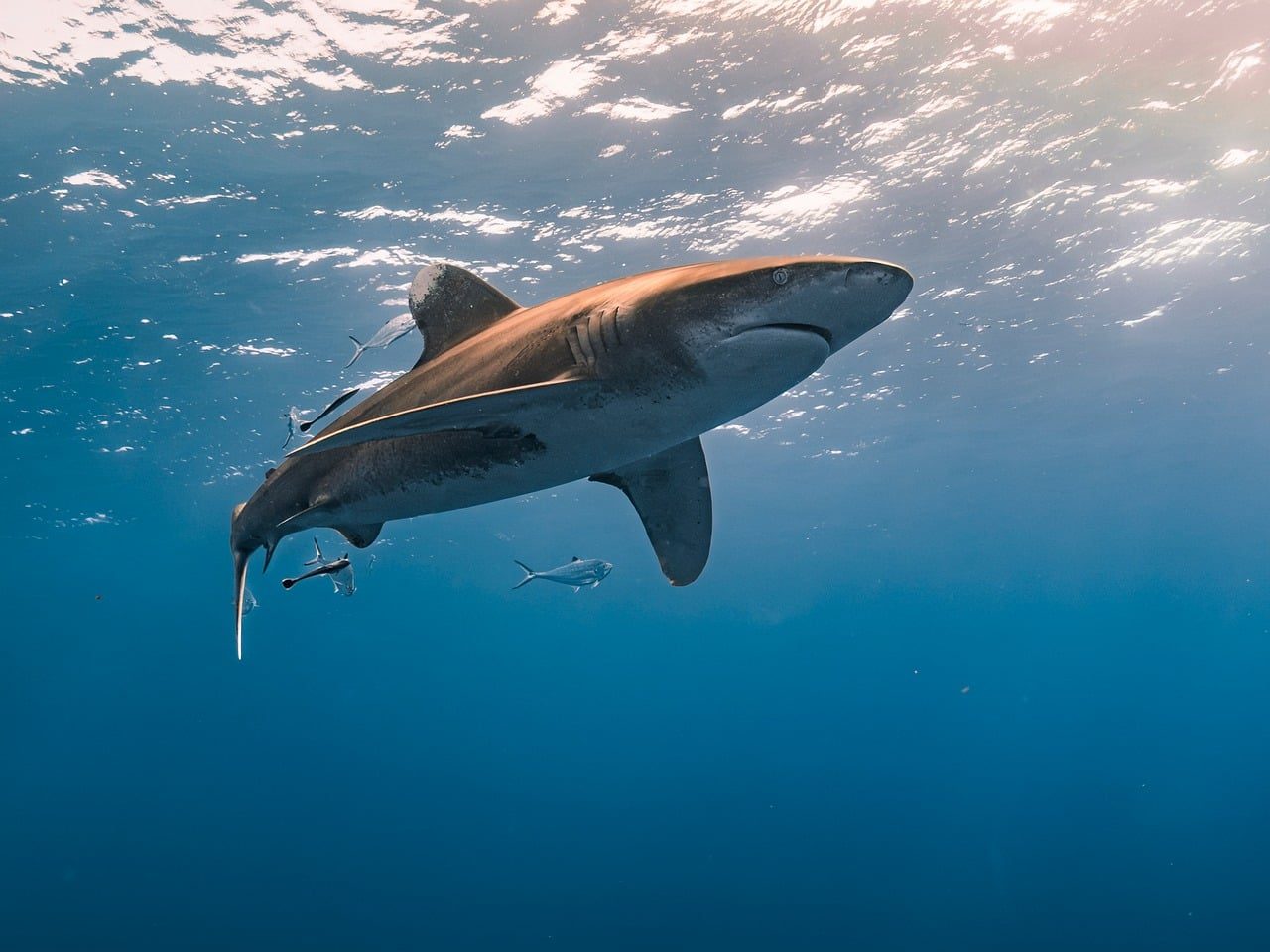
A quiet pond is usually the last place people expect to see a shark. But a shocking shark encounter unfolded in what looked like a peaceful pond when a great white shark became trapped in a shallow saltwater pond off the Massachusetts coast. The unusual event drew scientists, local residents, and curious visitors who watched as experts worked to help the animal return to the ocean.
This article explains how the shark became trapped, what rescuers did, and what the remarkable incident taught researchers about great white sharks.
How the shark entered the pond
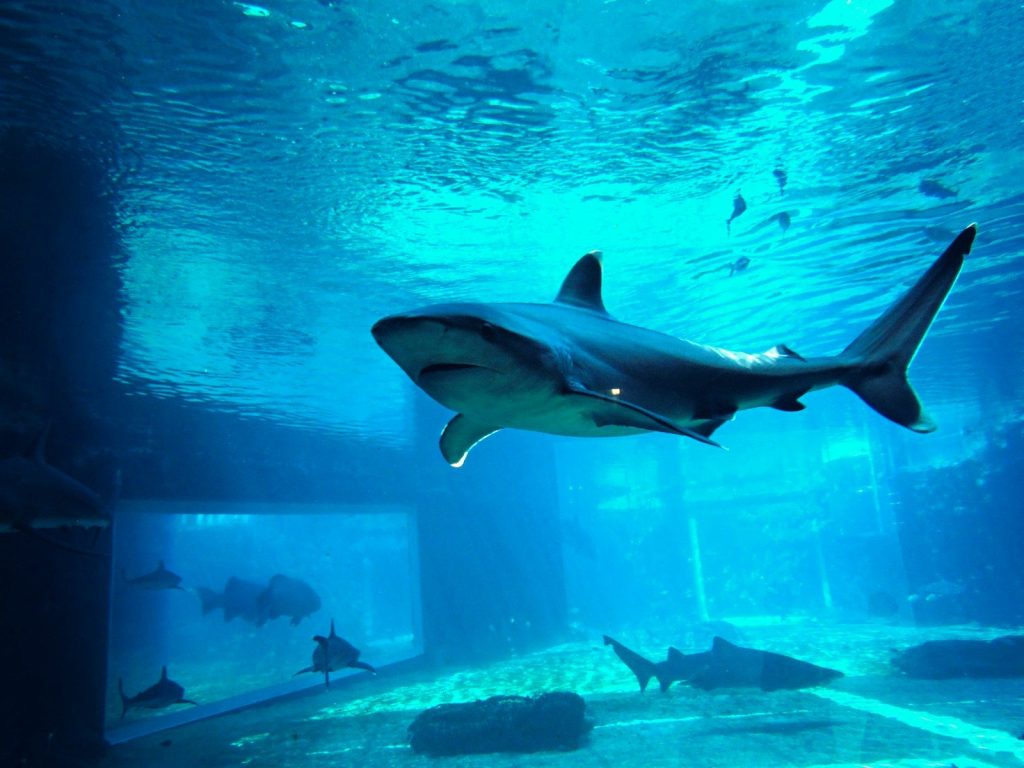
The incident happened in 2004 near Naushon Island, Massachusetts, when a female great white shark swam into a shallow saltwater pond connected to the ocean. The shark, later named Gretel, measured about 13 feet long.
Although the area looked like a quiet pond, it was actually linked to the sea through narrow channels. Once inside, the shark struggled to find its way back into deeper water and remained trapped for days.
Why scientists became interested

Marine biologist Greg Skomal and other shark researchers recognized the event as a rare scientific opportunity. At that time, live great white sharks were rarely studied in New England waters.
The team attached a satellite tag to Gretel, making her the first great white shark in the Atlantic Ocean to receive such a tracking device. Researchers hoped the tag would reveal where she traveled after leaving the pond.
The rescue efforts
At first, scientists tried gentle methods to encourage the shark to swim back to the ocean. They experimented with food, underwater sounds, electrical signals, and other techniques, but none successfully guided her out.
After many days, the rescue team worked with local fishermen to set up nets that slowly directed the shark toward the pond’s exit. The plan eventually helped move Gretel back into open coastal waters.
Why the rescue mattered
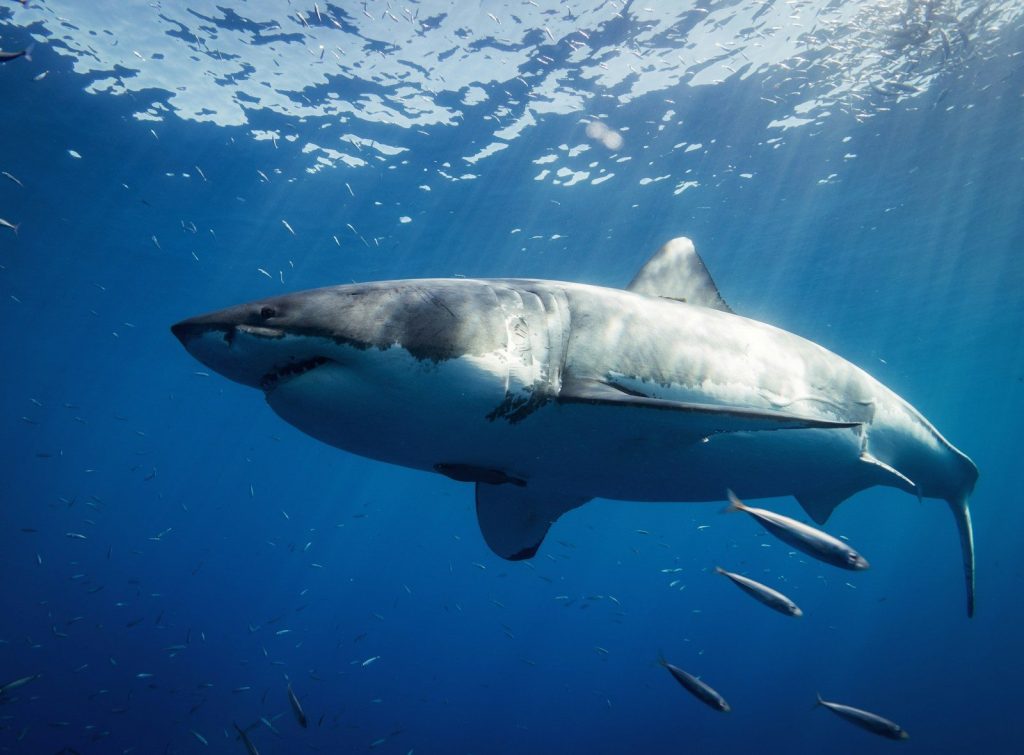
The rescue showed that great white sharks can sometimes become trapped in unusual coastal environments. Even powerful ocean predators can face challenges when tides, channels, and geography limit their movement.
The event also allowed researchers to gather valuable information without seriously harming the shark. Data collected from Gretel’s satellite tag improved scientists’ understanding of great white movements along the Atlantic coast.
Are sharks common in ponds?
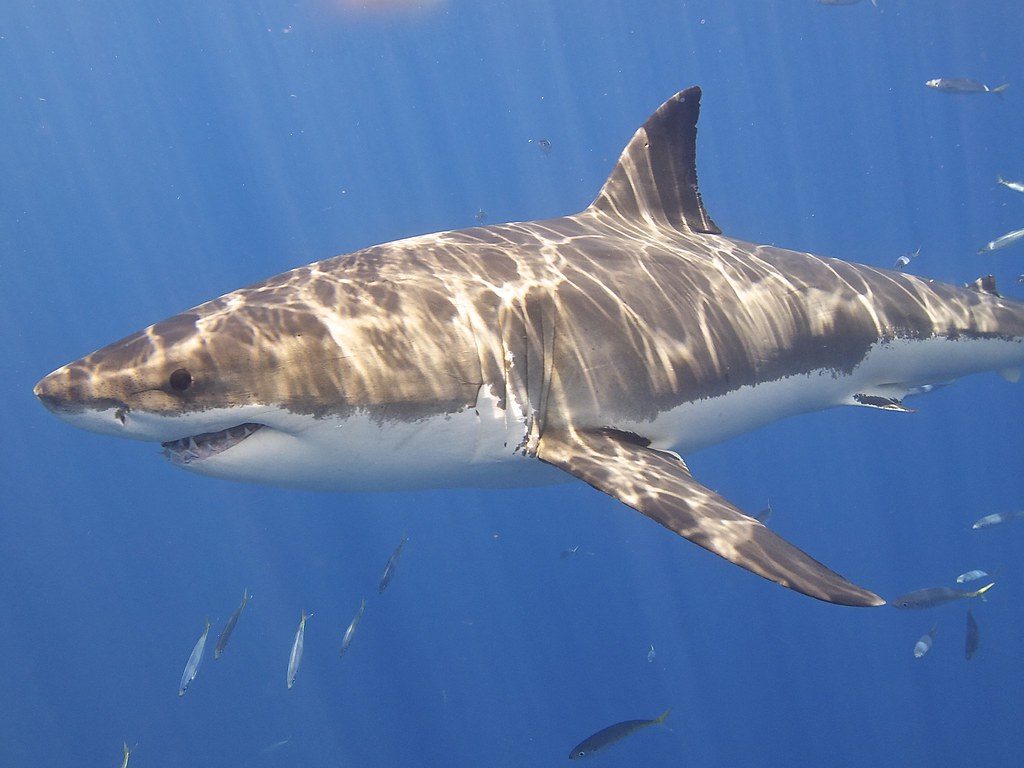
Although stories about sharks in ponds sound surprising, they are extremely uncommon. In Gretel’s case, the pond was not a freshwater lake but a saltwater lagoon connected to the ocean.
Some shark species, such as bull sharks, can tolerate freshwater for periods of time. Great white sharks, however, normally remain in coastal and offshore saltwater environments rather than inland ponds or lakes.
What the encounter teaches us

The famous rescue reminds people that sharks are wild animals that sometimes end up in unexpected places. It also highlights the importance of trained wildlife experts in unusual situations.
Instead of harming the trapped shark, scientists focused on returning it safely to its natural habitat. The successful rescue advanced shark research while helping protect an important apex predator.
Featured Image: Photo by Franziska_Stier on Pixabay
Leave a Reply