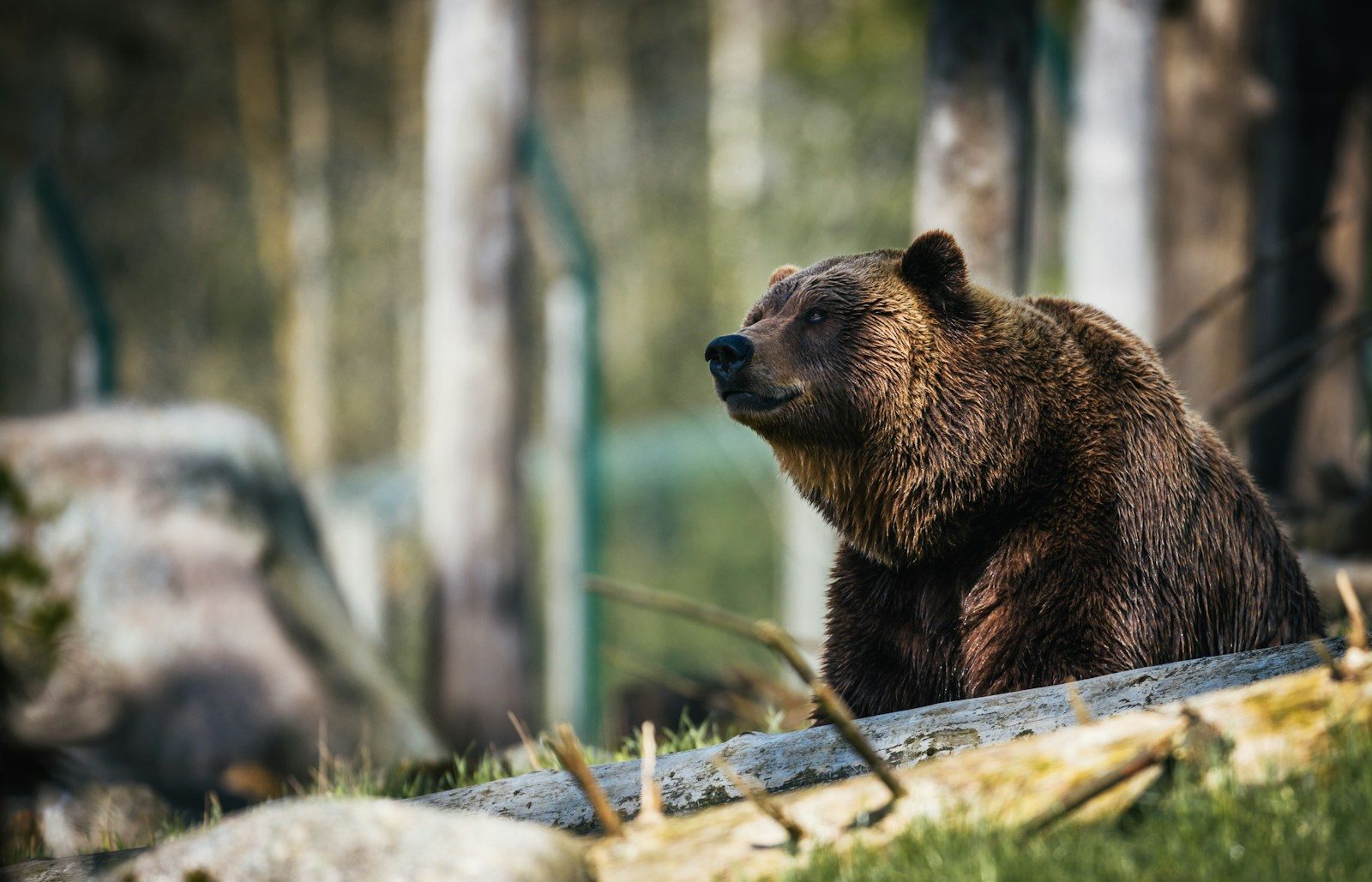
Bears are among the world’s most powerful wild animals, yet serious attacks on humans remain uncommon. Most bears avoid people whenever possible, and when conflicts occur, they are usually defensive rather than predatory.
However, history contains a handful of extraordinary cases in which an individual repeatedly attacked people, leaving a lasting mark on wildlife management and public safety. These rare incidents continue to be studied to better understand what causes such unusual behavior.
Why are bear attacks usually rare?
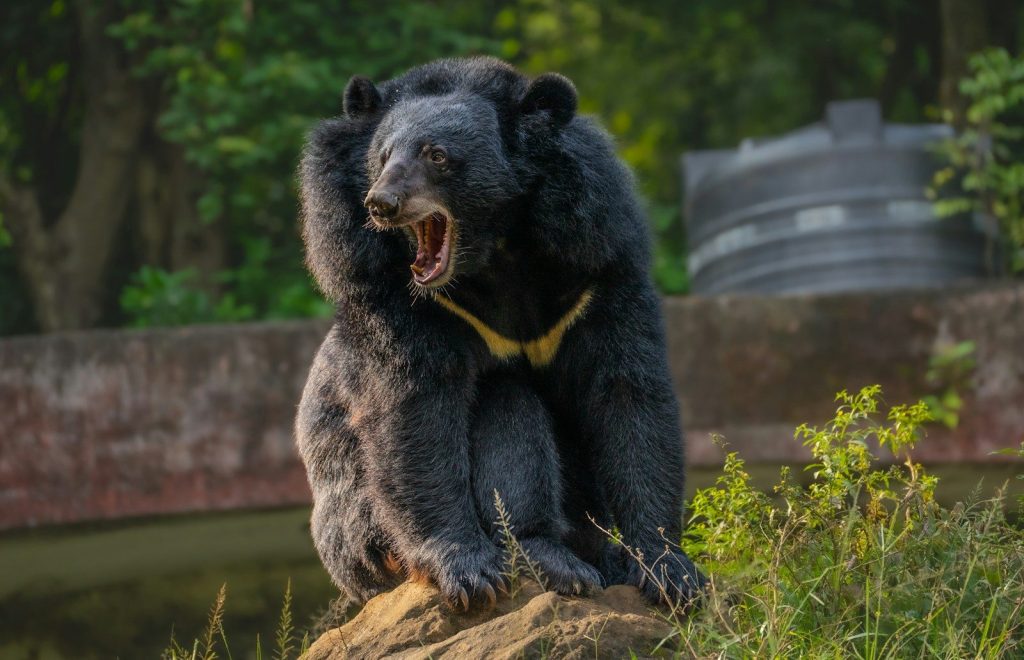
Brown bears, black bears, and polar bears generally avoid human contact. Most attacks happen when a bear is surprised at close range, protecting cubs, defending food, or reacting after being wounded.
Long-term studies show that aggressive, repeated attacks by the same individual are exceptional rather than typical behavior.
The Sankebetsu brown bear incident
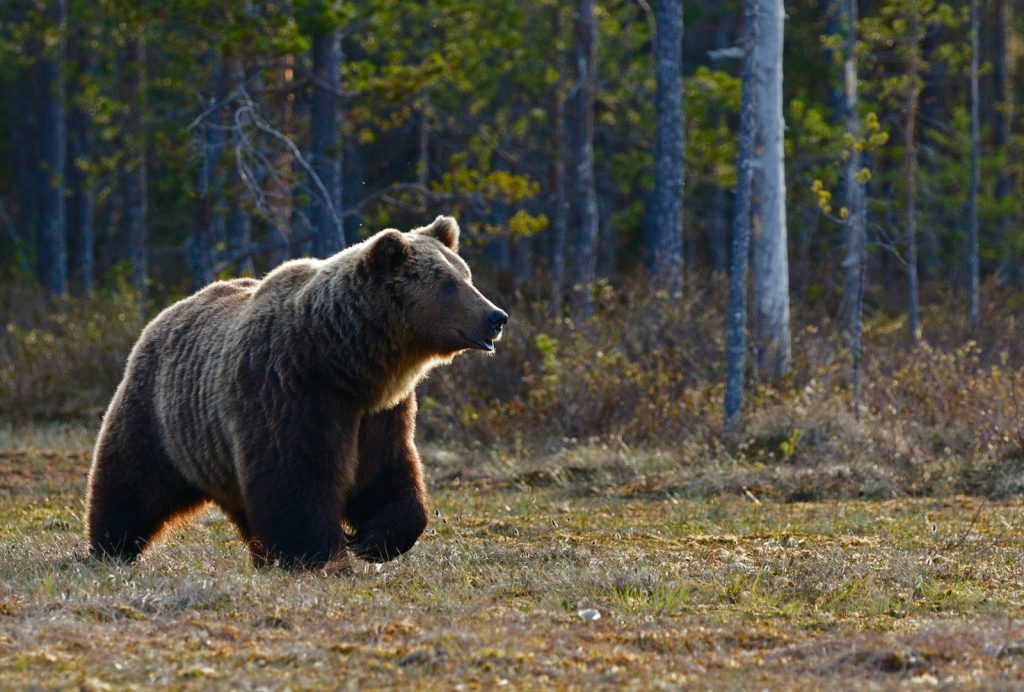
One of the best-known historical cases occurred in 1915 in Sankebetsu, Hokkaido, Japan. A large brown bear repeatedly entered a rural settlement over several days, attacking multiple homes before it was eventually tracked and killed.
The tragedy remains one of Japan’s deadliest documented wildlife attacks and influenced future bear management practices in the country.
The Night of the Grizzlies
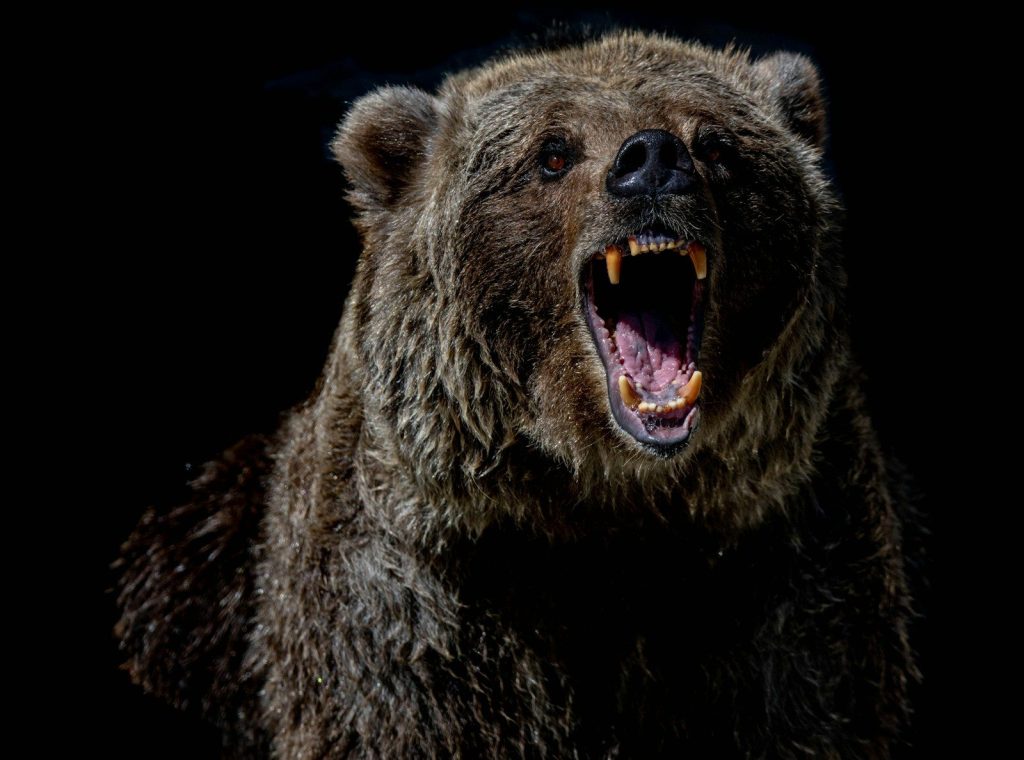
In August 1967, Glacier National Park in Montana experienced two fatal grizzly bear attacks on the same night. Later investigations found that years of improper garbage disposal and frequent opportunities to feed had caused some bears to lose their natural fear of humans.
The incident led to major changes in campground sanitation, food storage rules, and wildlife management across U.S. national parks.
What can make a bear unusually dangerous?
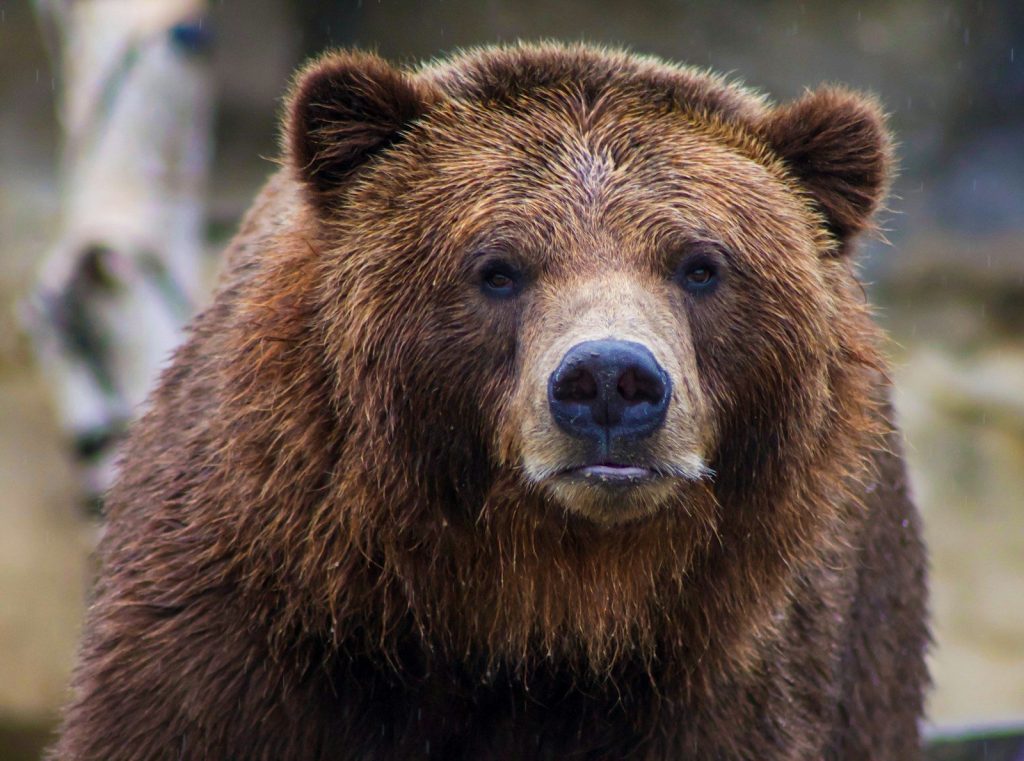
Wildlife researchers have identified several factors that can increase the risk of aggressive encounters. These include food shortages, injury, habituation to humans, protection of cubs, and, in very rare cases, predatory behavior.
Scientists emphasize that these conditions do not make all bears dangerous but can influence the behavior of certain individuals.
How wildlife management has changed
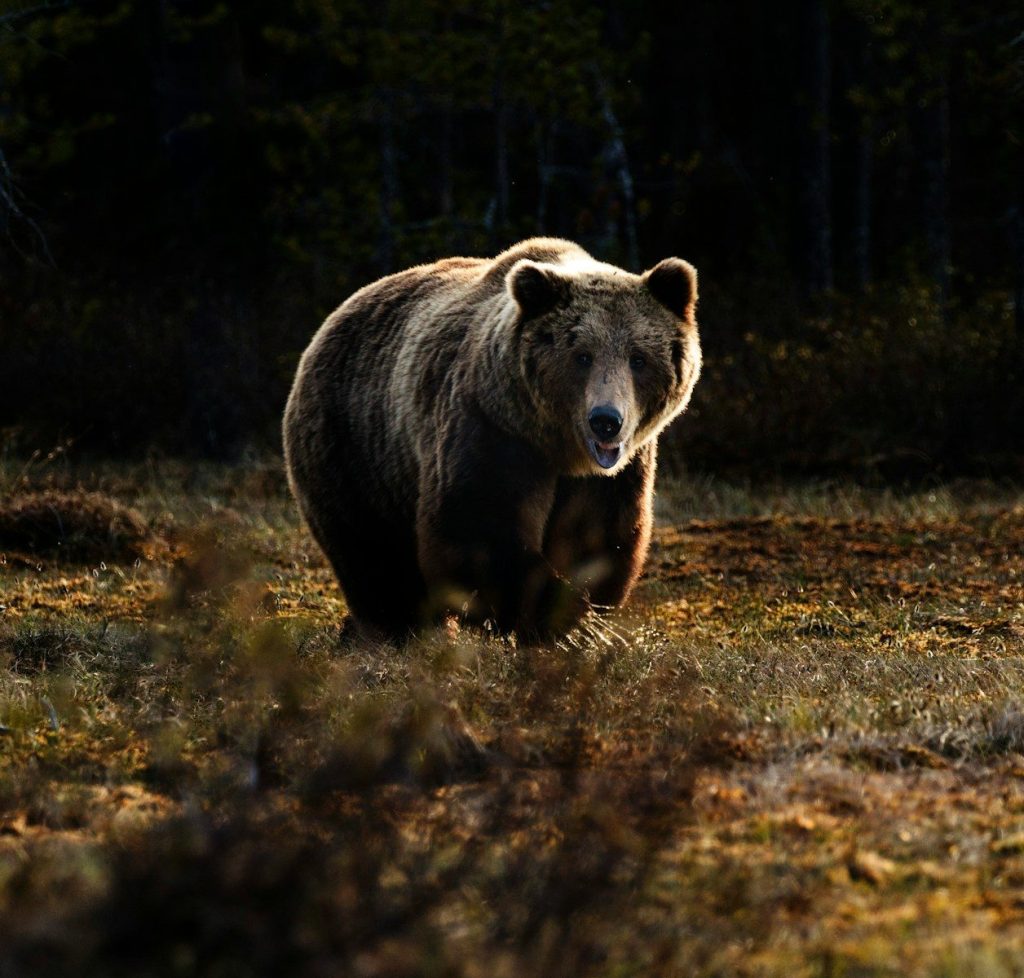
Modern wildlife agencies focus on preventing bears from associating humans with food. Secure garbage containers, bear-resistant food storage, public education, and rapid reporting of problem animals have significantly reduced conflicts in many protected areas.
These measures help protect both people and bear populations by preventing situations from escalating.
Respecting wildlife while reducing conflict
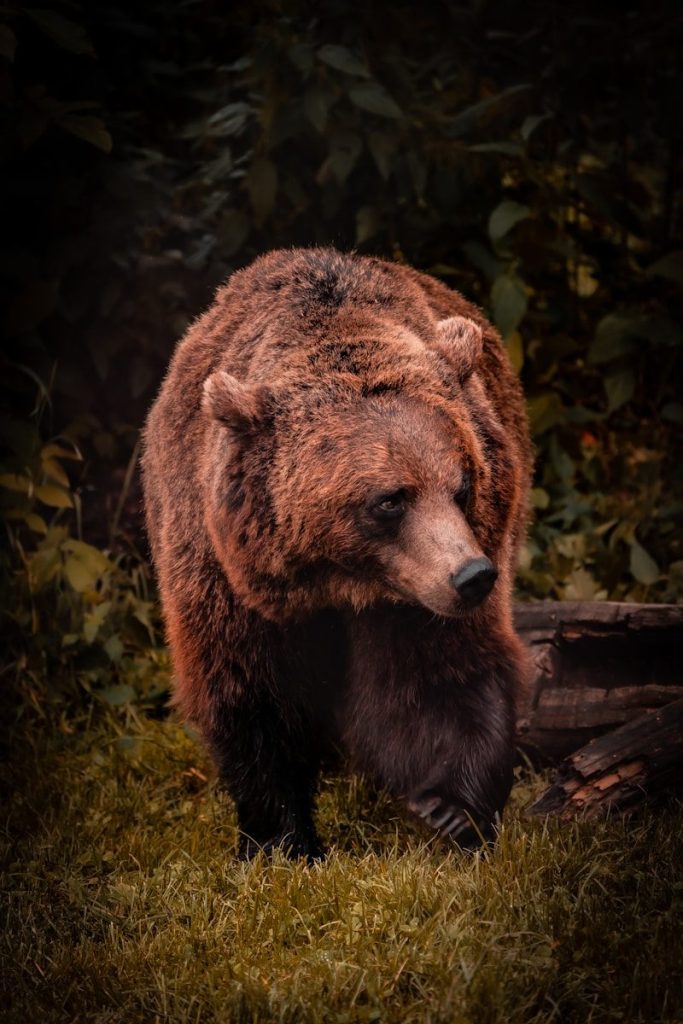
Historical attacks are important to study because they reveal how environmental conditions and human behavior can sometimes combine to create dangerous situations. At the same time, they should not overshadow the fact that millions of people safely visit bear habitats every year without incident.
Understanding bear behavior, supporting responsible wildlife management, and respecting natural habitats remain the most effective ways to reduce conflicts while conserving these remarkable animals.
Featured Image: Photo by 🇸🇮 Janko Ferlič on Unsplash
Leave a Reply