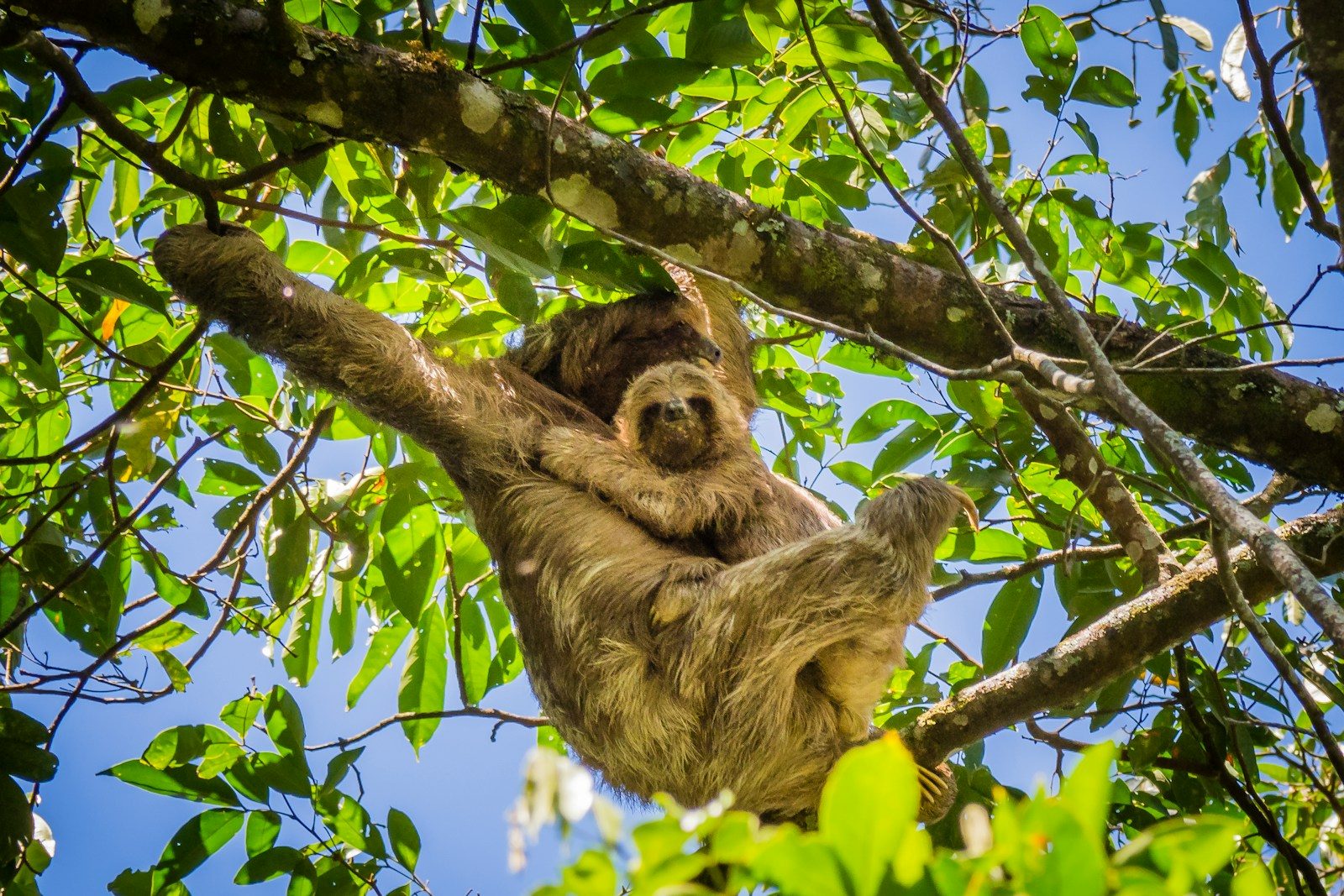
Sloths have earned a reputation as the world’s slowest mammals, but their sluggish lifestyle is one of nature’s most successful survival strategies. Living high in the rainforests of Central and South America, these tree-dwelling mammals survive on a diet of low-energy leaves and conserve every bit of energy they can.
While videos sometimes show sloths falling from trees, their bodies are specially adapted for life in the canopy, helping them cope with occasional accidents better than many other animals.
Why do sloths move so slowly?
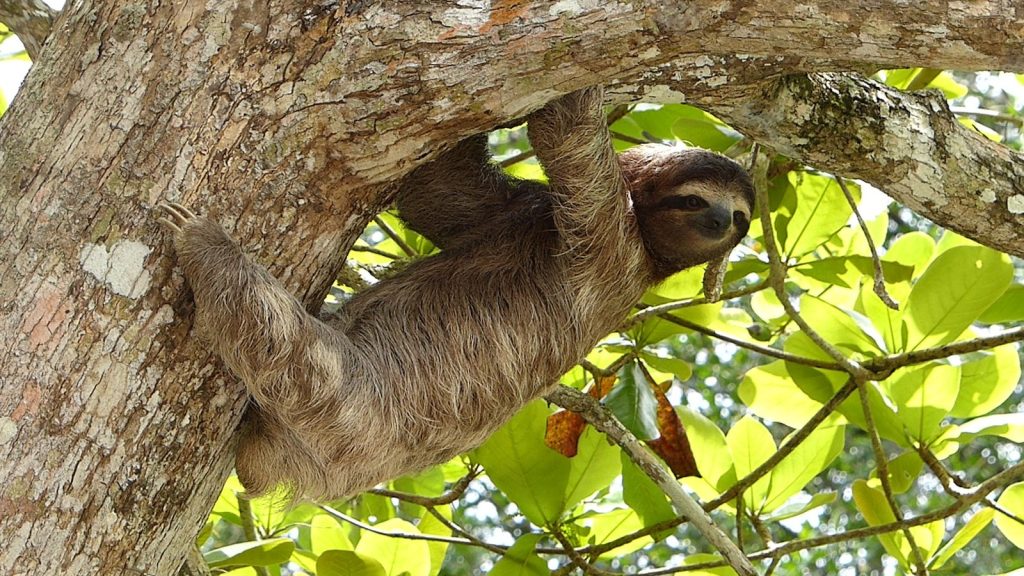
Sloths survive on leaves that provide very few calories, so they have evolved one of the slowest metabolic rates of any mammal. Because they generate so little energy from their food, moving slowly helps them conserve the calories they need to survive.
Instead of chasing food, sloths spend most of their lives resting, feeding, and climbing carefully through the forest canopy.
Built for life in the trees
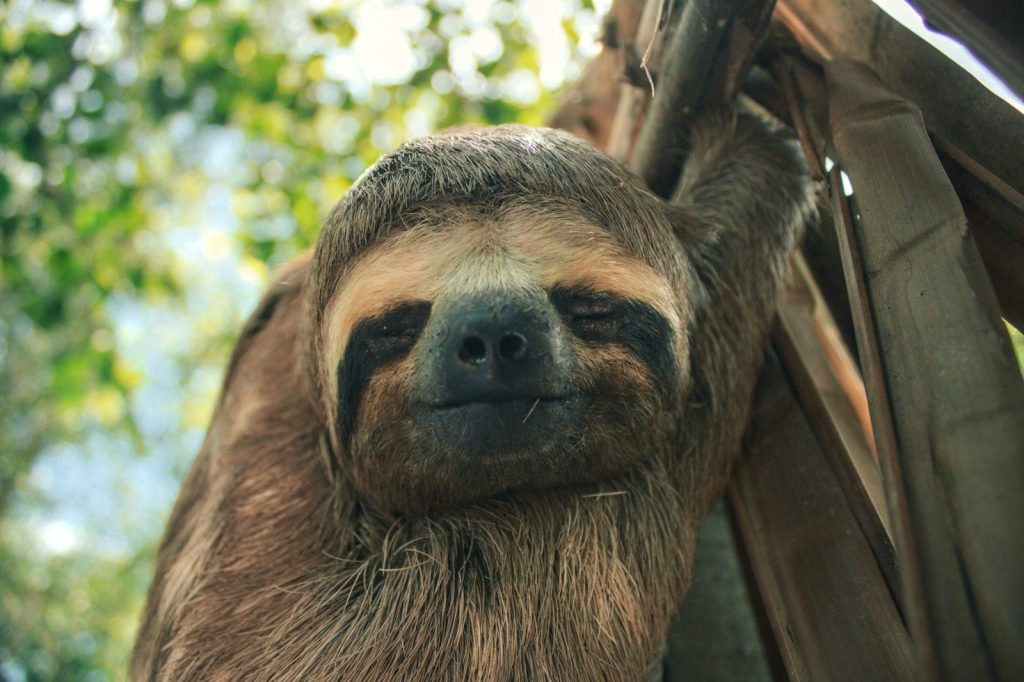
Long arms, powerful curved claws, and specialized tendons allow sloths to hang securely from branches for hours with very little effort. They can even sleep, eat, and give birth while suspended upside down.
These adaptations make them highly efficient tree climbers despite their slow movements.
What happens if a sloth falls?
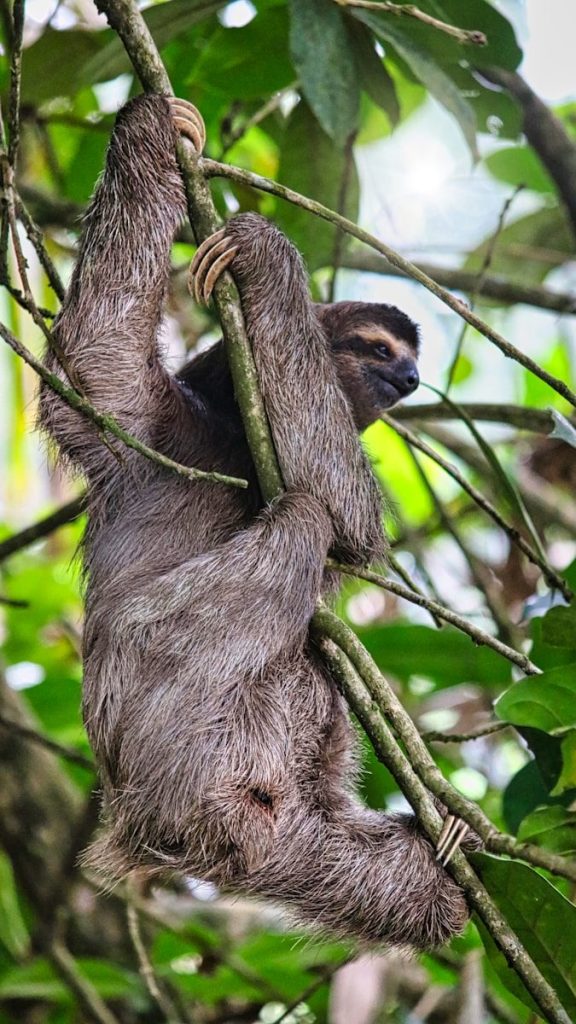
Although sloths are well adapted to climbing, falls can occur. Their relatively light bodies and flexible anatomy may reduce the impact compared with heavier mammals, but falls can still cause injuries depending on the height, landing surface, and circumstances.
Scientists caution that dramatic claims about sloths routinely surviving very high falls without harm are not supported by strong scientific evidence.
A surprisingly slow digestive system
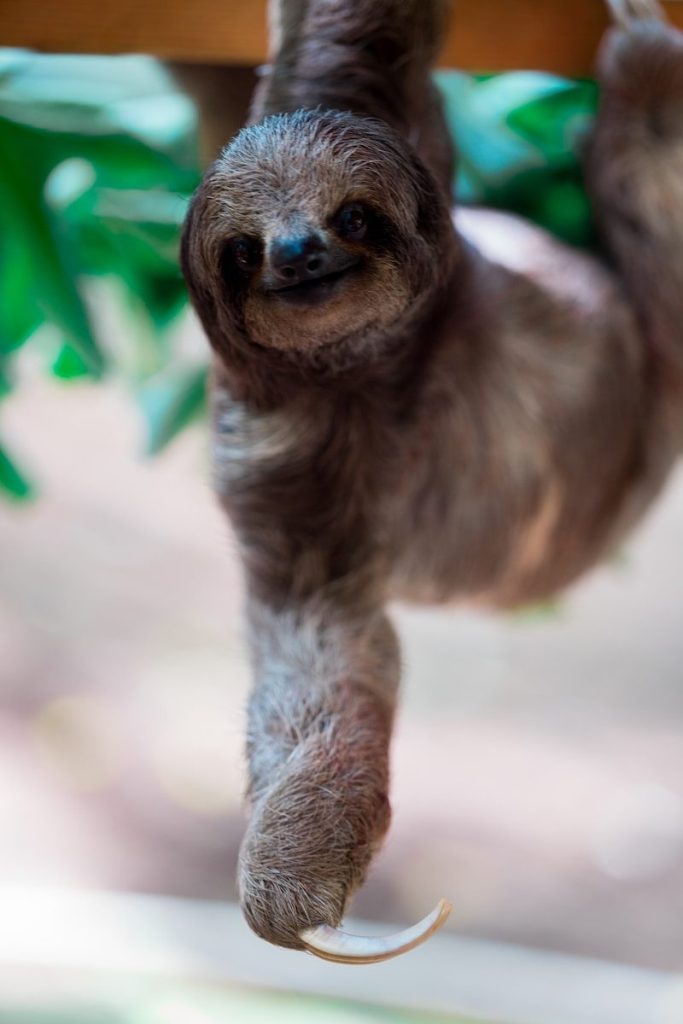
Everything about a sloth operates at a slow pace, including digestion. Processing a single meal of leaves can take several weeks, allowing the animal to extract as many nutrients as possible from its low-calorie diet.
This extremely slow digestion is closely linked to the sloth’s low metabolism and energy-efficient lifestyle.
Slow doesn’t mean helpless
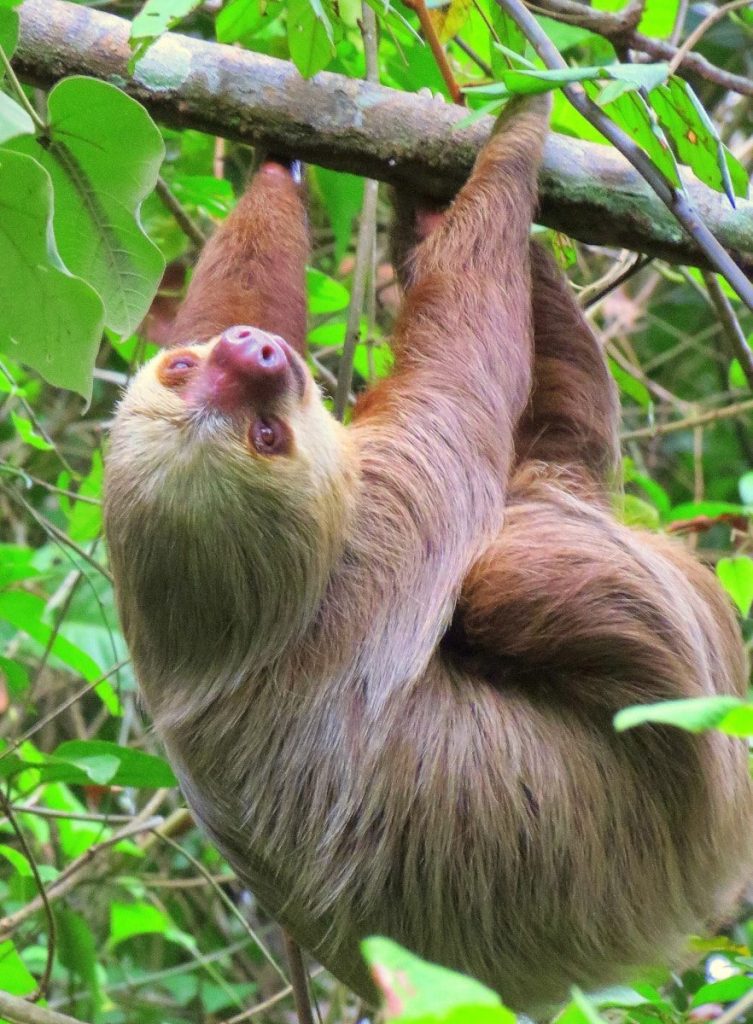
Despite their calm appearance, sloths possess sharp claws and considerable strength. Remaining almost motionless also helps them avoid predators because their slow movements blend into the surrounding vegetation.
Their strategy is based on camouflage and energy conservation rather than speed or aggression.
Why sloths still need protection
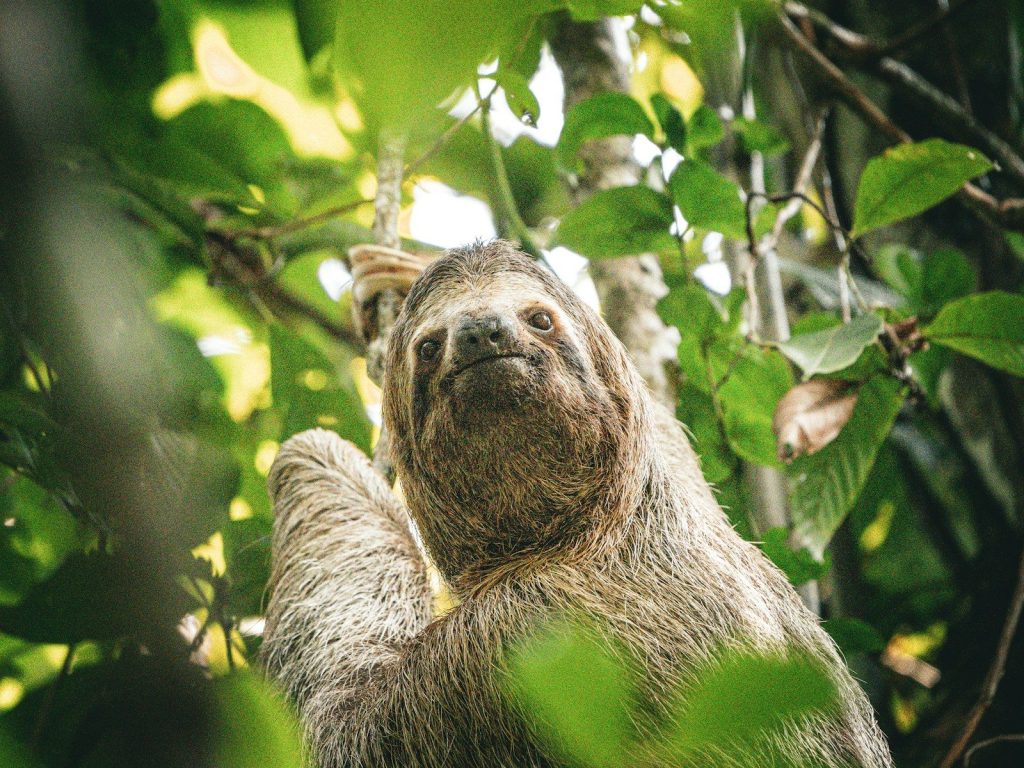
Several sloth species face growing threats from deforestation, habitat fragmentation, roads, and the illegal wildlife trade. Protecting tropical forests is essential for ensuring these unique mammals continue to thrive in the wild.
Conservation efforts across Central and South America focus on preserving rainforest habitats and reducing human impacts on sloth populations.
Featured Image: Photo by Alexander Schimmeck on Unsplash
Leave a Reply