
For animals born or kept in captivity, freedom often means something very different from life in the wild. Many rescued lions have spent years confined to small enclosures, performing in circuses, or living in private collections before finally reaching wildlife sanctuaries.
Although they cannot safely return to nature, moving to large protected habitats allows them to experience space, fresh air, natural surroundings, and proper care for the first time. For many rescued lionesses, that moment marks the beginning of a completely different life.
A life spent behind barriers
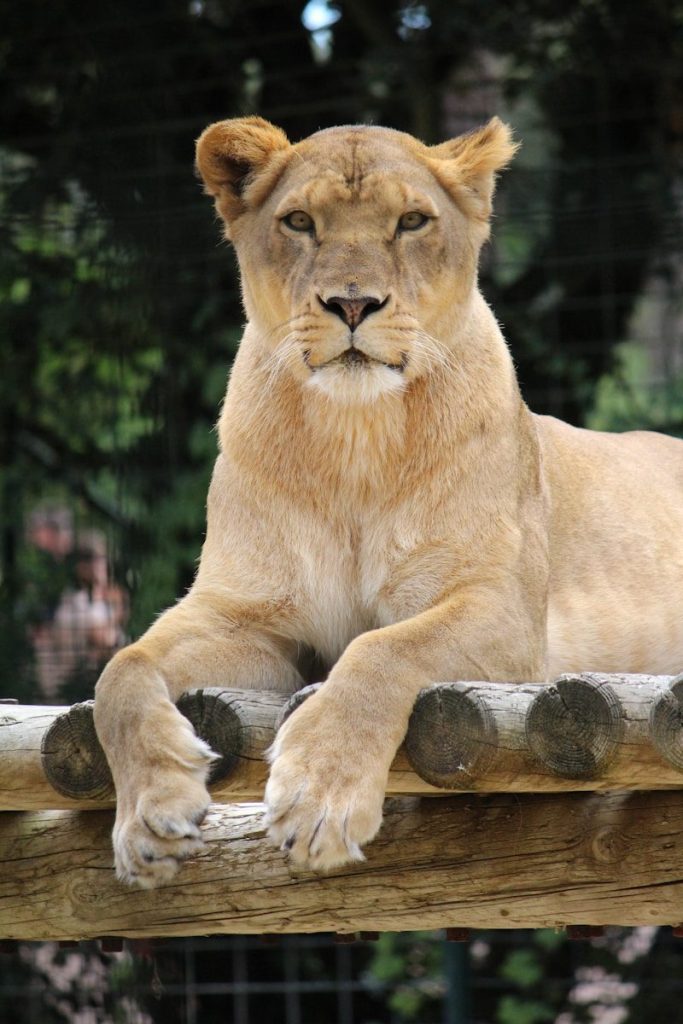
Captive lions frequently come from circuses, roadside attractions, or illegal wildlife collections. Many spend years in cramped enclosures with limited opportunities to express natural behaviors such as exploring, climbing, or interacting with other lions.
Some also suffer from health problems caused by poor nutrition, inadequate veterinary care, or years of confinement.
Rescue is only the beginning
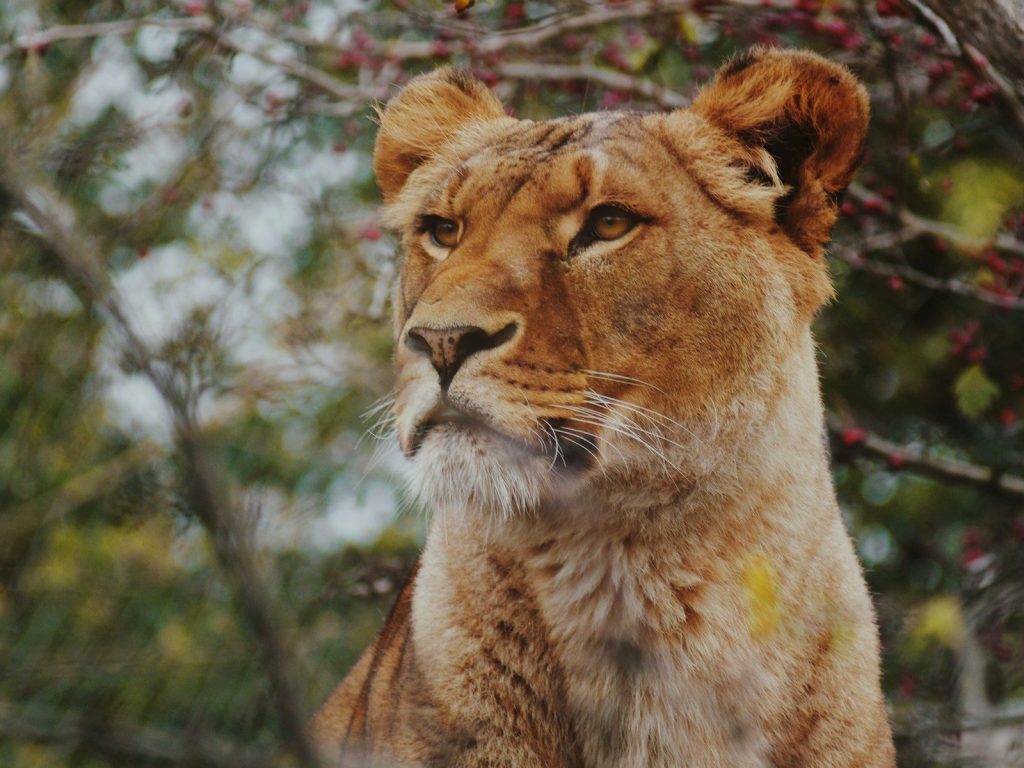
Removing a lion from captivity is only the first step. Wildlife veterinarians conduct health examinations, treat injuries, and carefully plan each animal’s transport to minimize stress.
Once the lion reaches a sanctuary, experienced caregivers gradually introduce it to its new surroundings while closely monitoring its health and behavior.
Discovering a new world
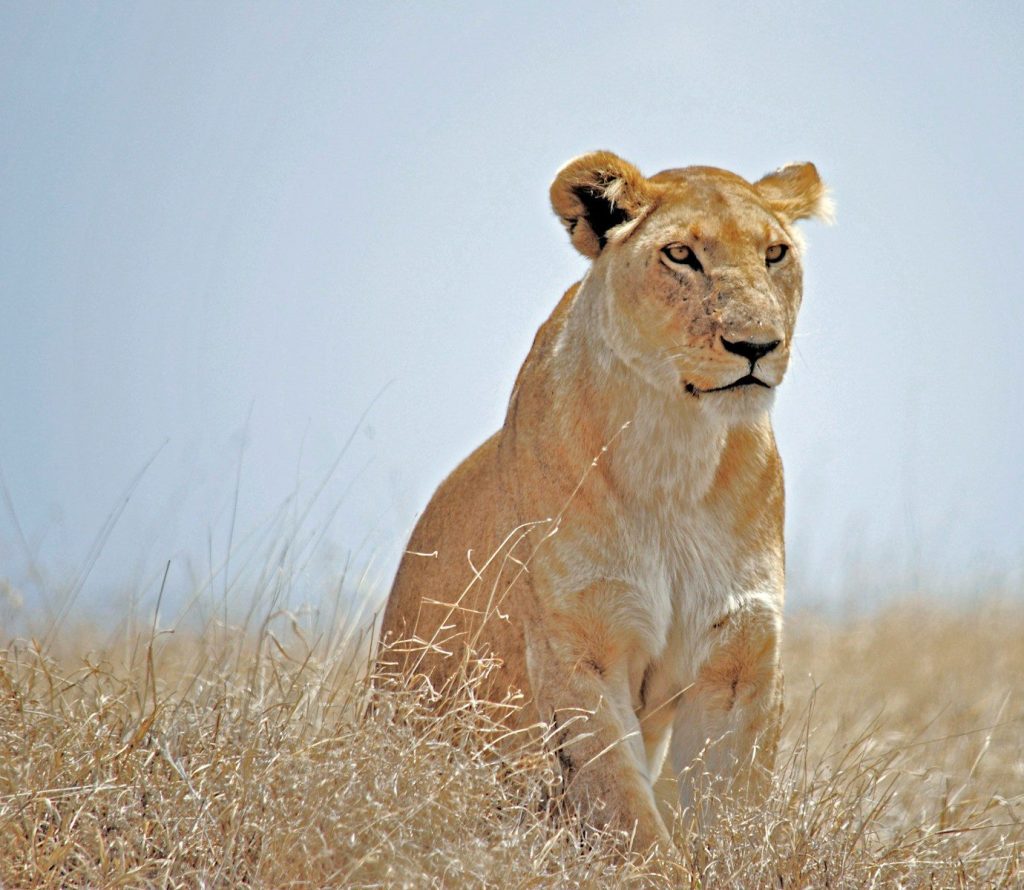
Many rescued lionesses encounter grass, trees, large open spaces, or natural enrichment for the first time. They often spend days cautiously exploring unfamiliar environments before becoming more confident.
Sanctuaries provide opportunities to rest, roam, and display natural behaviors that were impossible in confined conditions.
Why can’t they return to the wild?
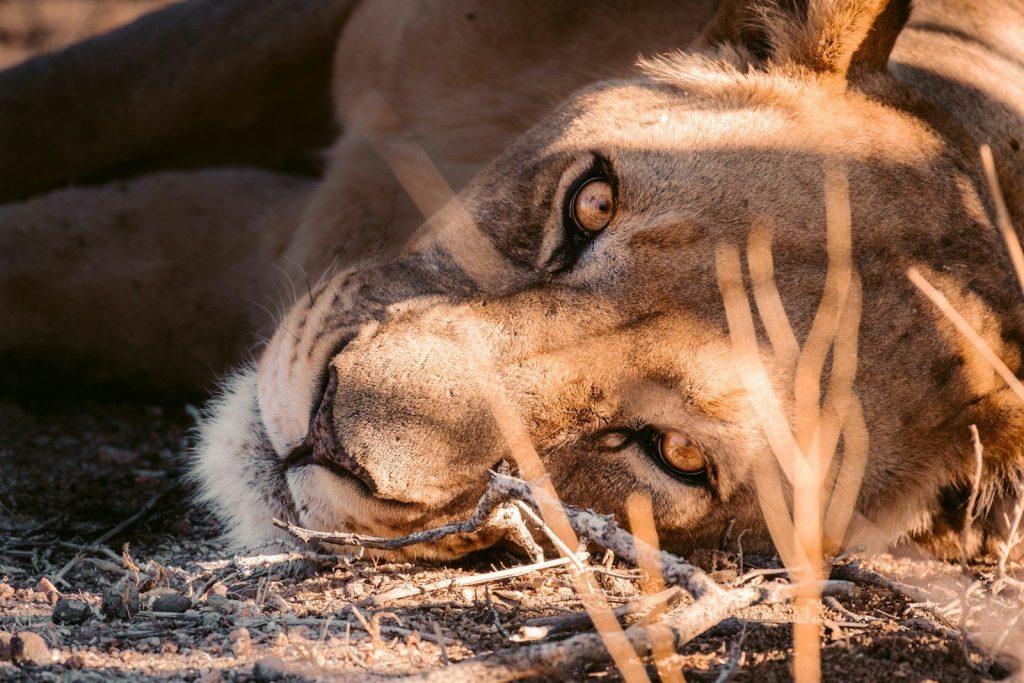
Although sanctuary life offers much greater freedom, most rescued captive lions cannot be released into natural ecosystems. Many have never learned to hunt, avoid danger, or survive independently, while some have had their claws or teeth damaged during captivity.
Keeping them in protected sanctuaries gives them the highest chance of living healthy lives without threatening wild lion populations.
The role of wildlife sanctuaries
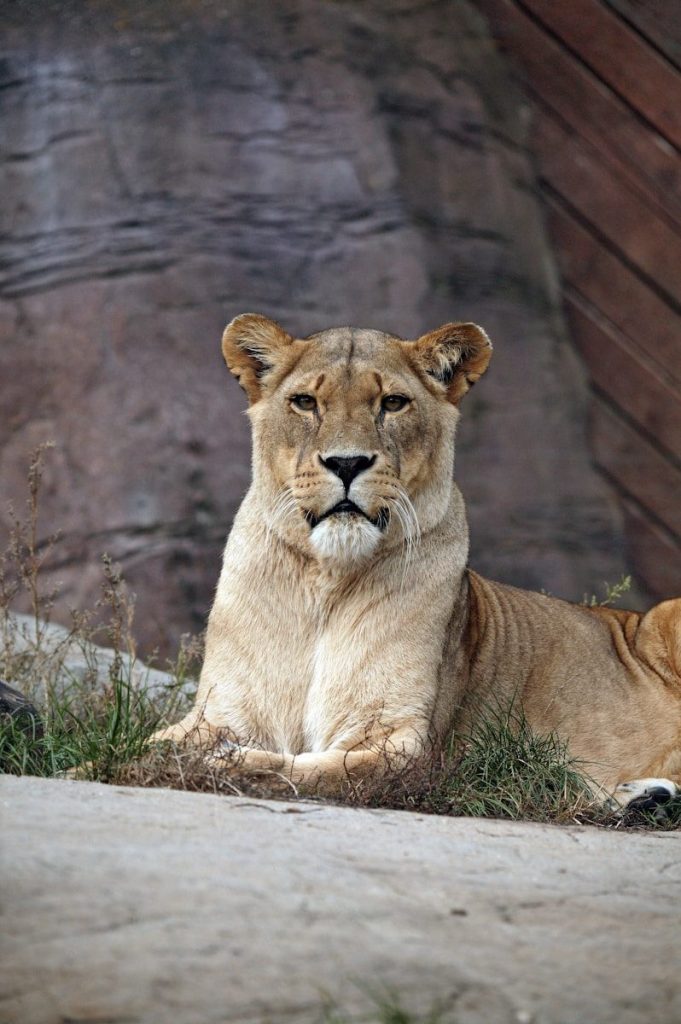
Accredited sanctuaries provide lifelong veterinary care, proper nutrition, behavioral enrichment, and spacious habitats designed to meet the needs of rescued big cats. Unlike entertainment facilities, these organizations focus on animal welfare rather than public performances.
International cooperation among conservation groups has helped rescue hundreds of lions from unsuitable conditions worldwide.
A second chance, not a return to the wild
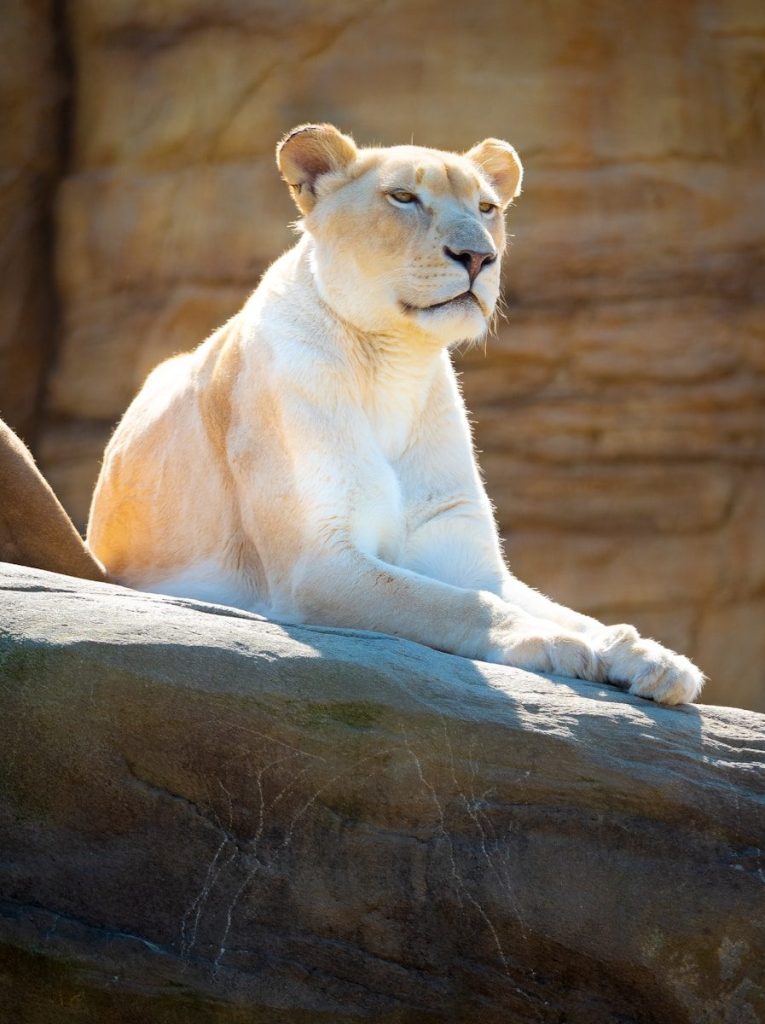
For lionesses rescued from captivity, freedom does not always mean being released into nature. Instead, it means living without constant confinement, receiving expert care, and spending the rest of their lives in environments that prioritize their welfare.
These rescues also highlight the importance of reducing the exploitation of wild animals and of supporting organizations dedicated to providing rescued lions the safest possible future.
Featured Image: Photo by Birger Strahl on Unsplash
Leave a Reply