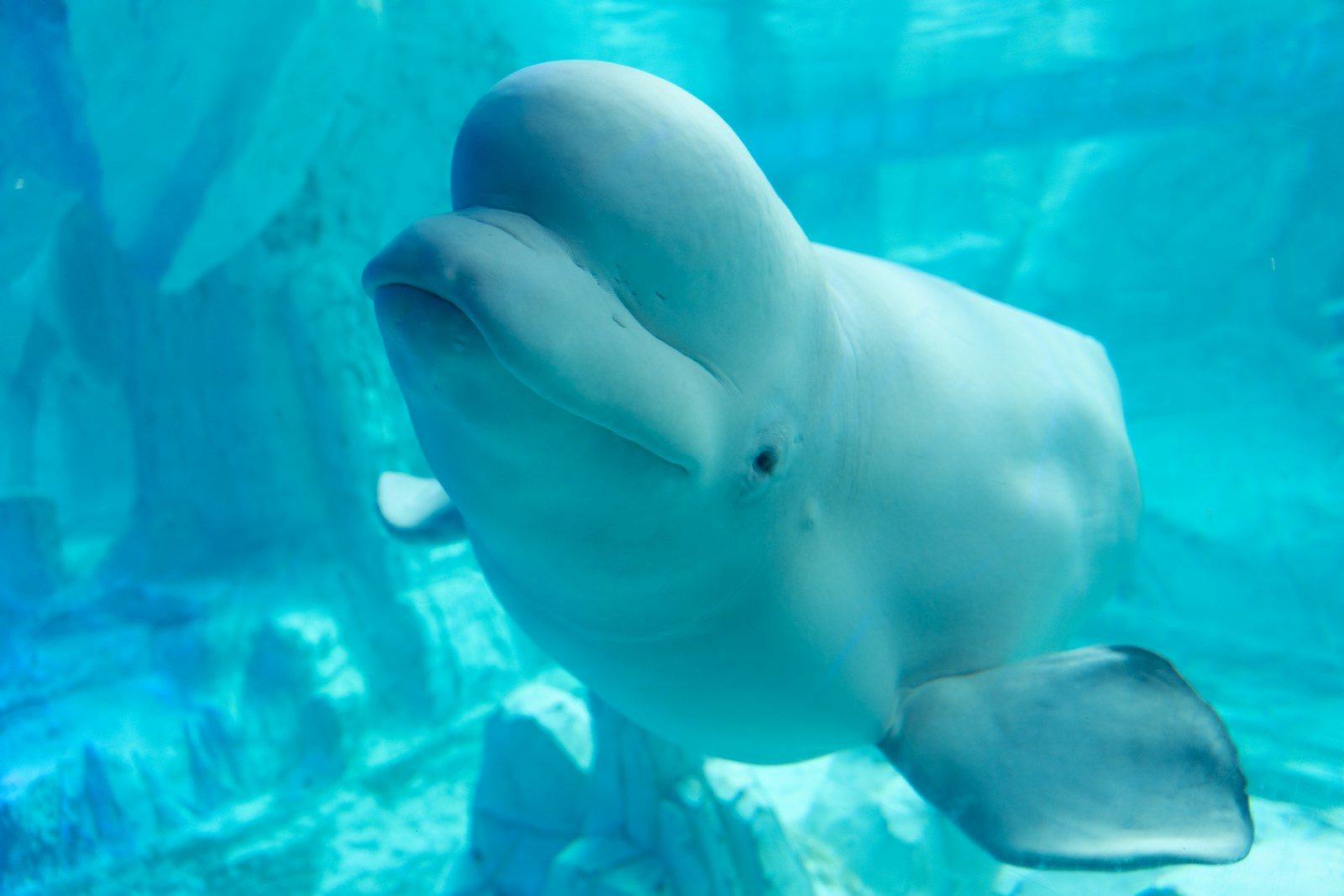
One of the largest coordinated marine mammal relocations in recent history is underway after an international coalition of accredited aquariums agreed to provide new homes for 30 beluga whales stranded at the closed Marineland park in Ontario, Canada.
The rescue follows years of uncertainty over the whales’ future and aims to move them to facilities with specialized veterinary care and long-term management programs. Before any transfer begins, every whale must pass detailed health examinations to ensure it can safely travel.
Why the whales need new homes
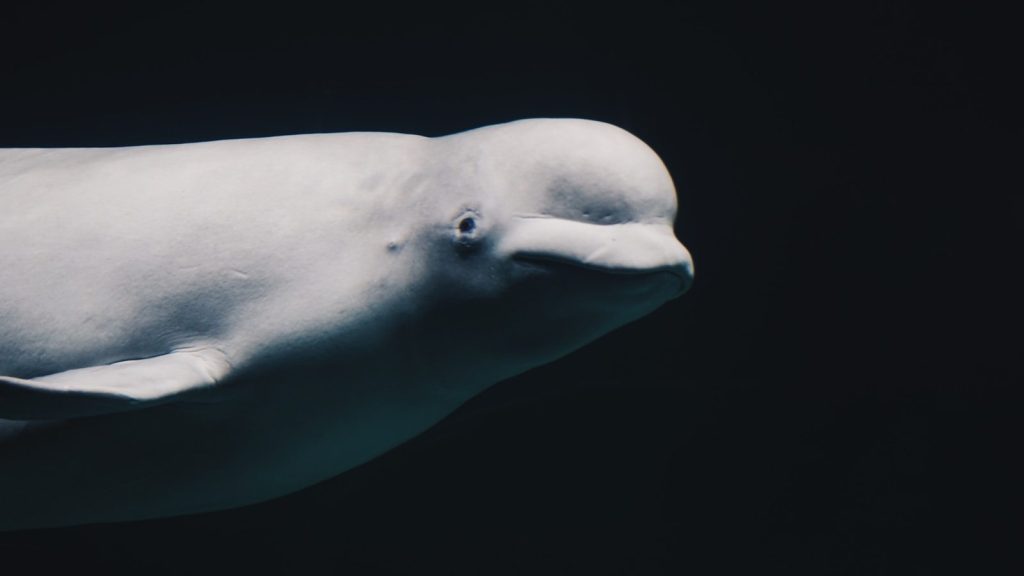
Marineland closed to the public in 2024 and later reported that it could no longer financially support the remaining beluga whales. Earlier proposals to move the animals elsewhere, including overseas, were blocked by Canadian authorities.
After months of discussions, Canada approved a new relocation plan involving accredited institutions in the United States and Spain.
An international rescue effort
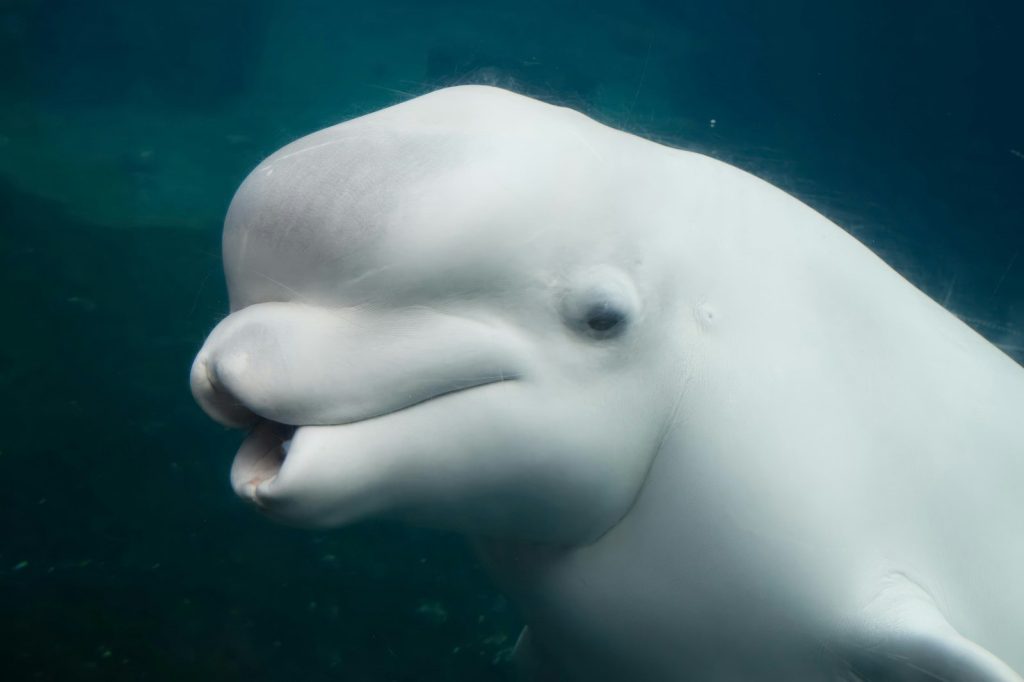
The relocation brings together experts from SeaWorld San Diego, SeaWorld San Antonio, Shedd Aquarium in Chicago, Georgia Aquarium, Oceanogràfic València in Spain, and several other organizations.
Veterinarians, animal care specialists, nutrition experts, and transport teams are working together to safely relocate the whales over the coming weeks.
Every whale must pass health checks
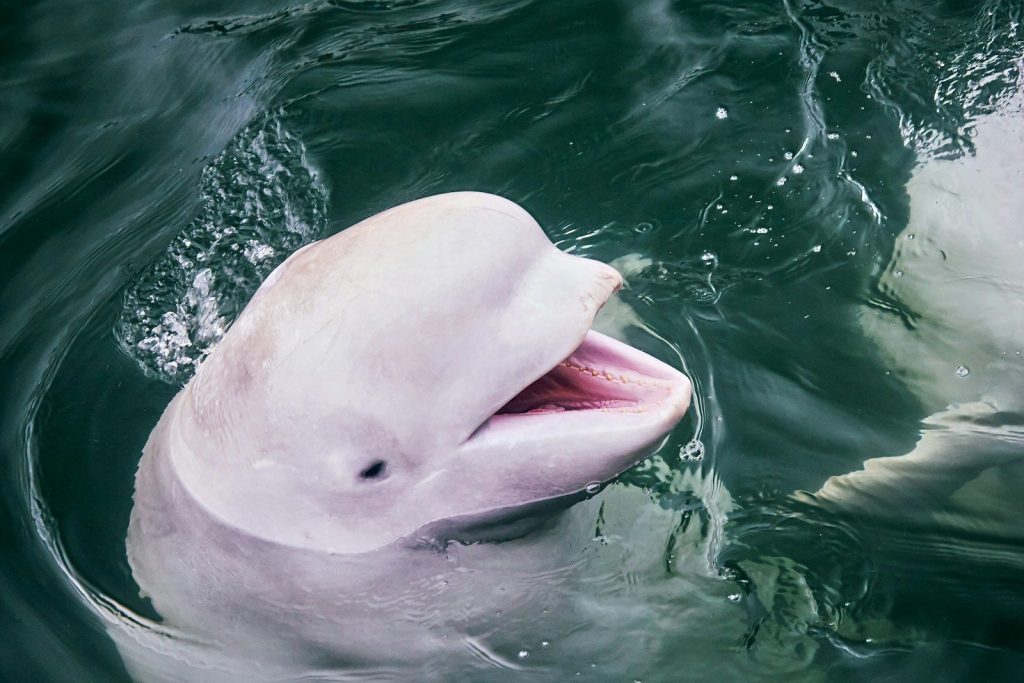
Moving large marine mammals requires careful planning. Before receiving travel permits, each beluga will undergo veterinary examinations to determine whether it is healthy enough for transport.
Only animals cleared by veterinarians will be moved, with welfare remaining the highest priority throughout the process.
Why beluga whales require specialized care

Beluga whales are Arctic marine mammals adapted to cold waters and highly social group living. In human care, they require advanced veterinary medicine, carefully managed habitats, specialized diets, and experienced animal care teams.
Facilities participating in the rescue already have established beluga care programs designed to meet these complex needs.
Mixed reactions from conservation groups
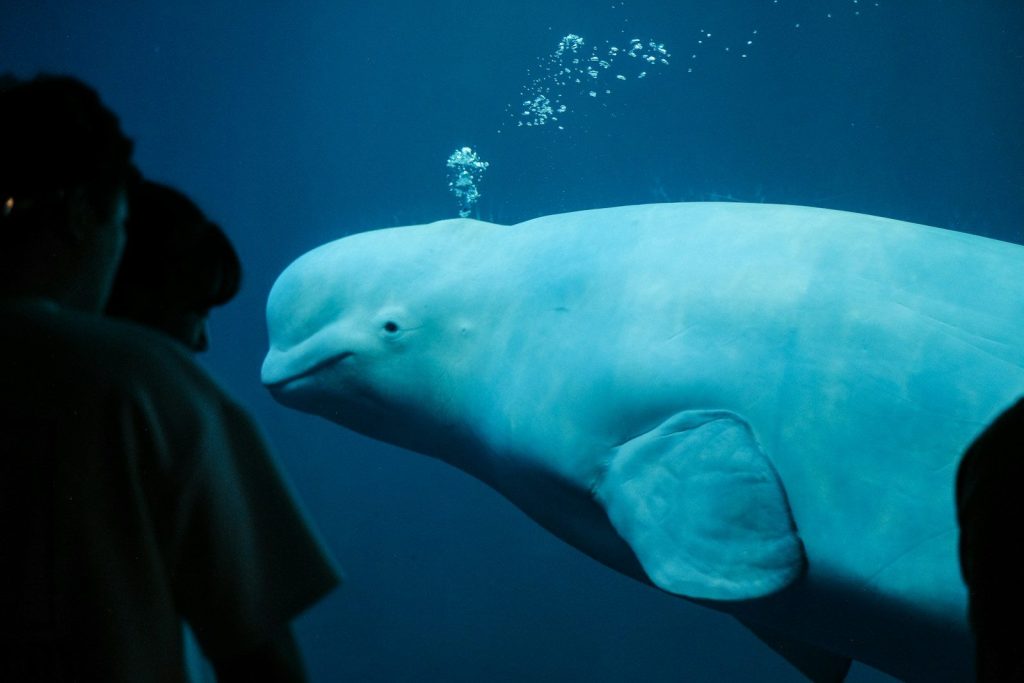
Many animal welfare organizations welcomed the relocation as the best available solution while acknowledging that long-term questions about keeping whales in captivity remain.
Several advocates described the transfer as preferable to leaving the whales in deteriorating conditions at the closed facility.
What happens next
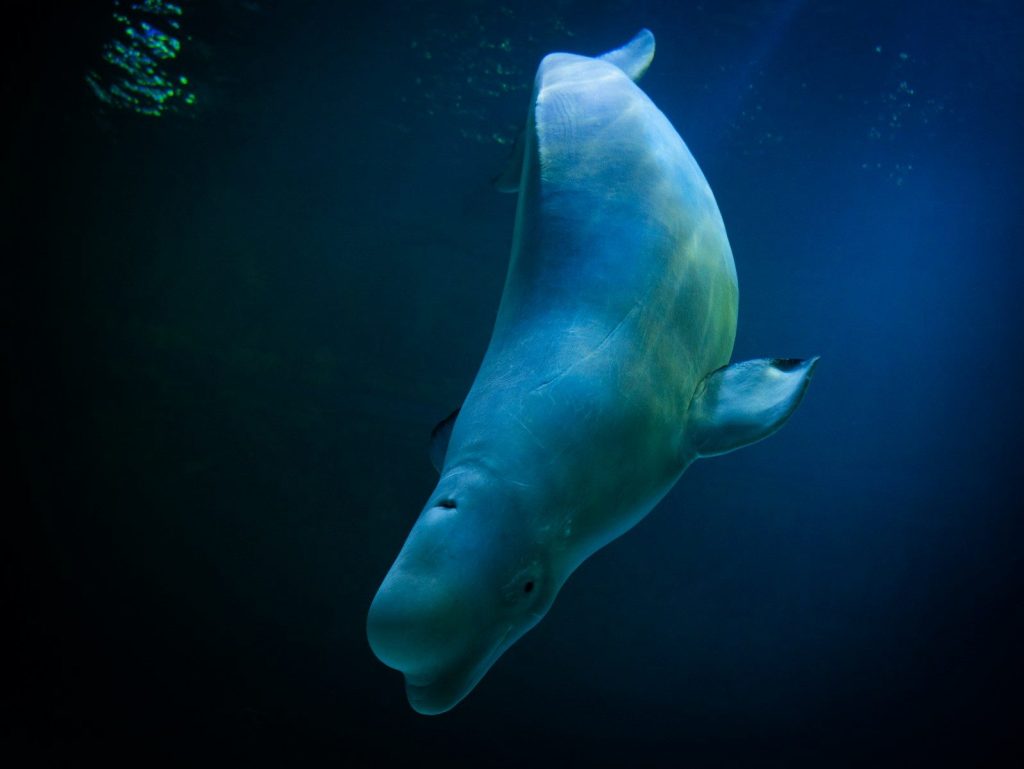
The relocation is expected to take place in stages as veterinary evaluations, transport planning, and government permits are completed. Once the whales arrive at their new homes, teams will continue monitoring their health and behavior as they adapt to new environments.
The operation represents one of the largest coordinated beluga whale relocations ever attempted and highlights the logistical challenges involved in caring for large marine mammals.
Featured Image: Photo by Raphael Nicolas on Unsplash
Leave a Reply