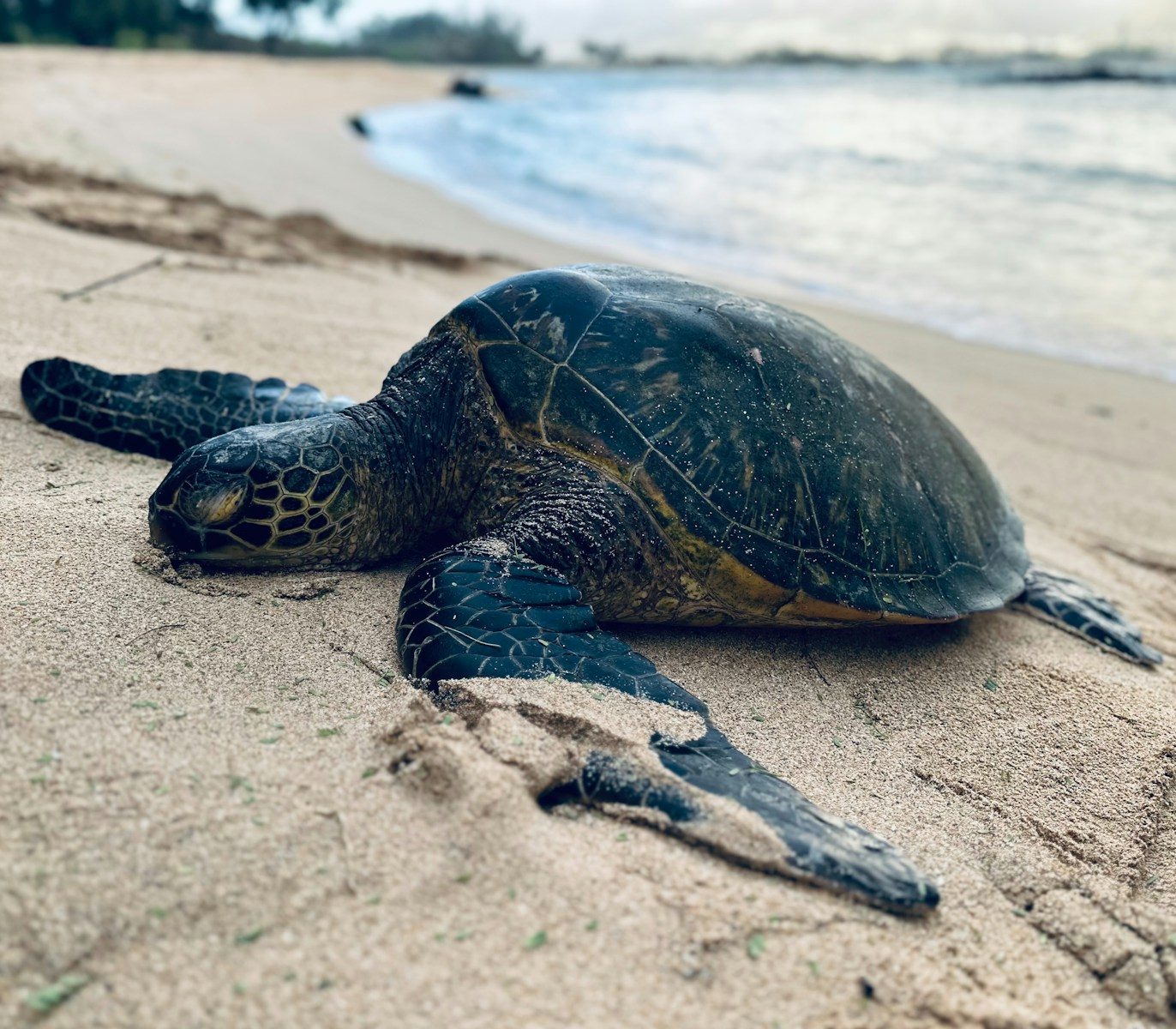
A rescue effort saves a trapped green sea turtle off Sicily’s coast, showing how fast action can protect marine wildlife. Sea turtles often become trapped in fishing gear, ropes, or other debris, putting their lives at risk. Thankfully, trained rescuers were able to free this turtle before it suffered more harm.
This article explains what happened during the rescue, why green sea turtles face these dangers, and how rescue teams help them recover. You’ll also learn why protecting these animals is important and how simple actions can make the ocean safer for sea turtles.
How the rescue happened
The green sea turtle was found trapped in the waters off Sicily, an island in southern Italy. Rescuers quickly reached the animal after it was spotted struggling and unable to swim freely.
The team carefully removed what was trapping the turtle while making sure it stayed as calm as possible. After checking its condition, they helped the turtle return safely to the sea once it was healthy enough to swim away.
Why do green sea turtles get trapped?
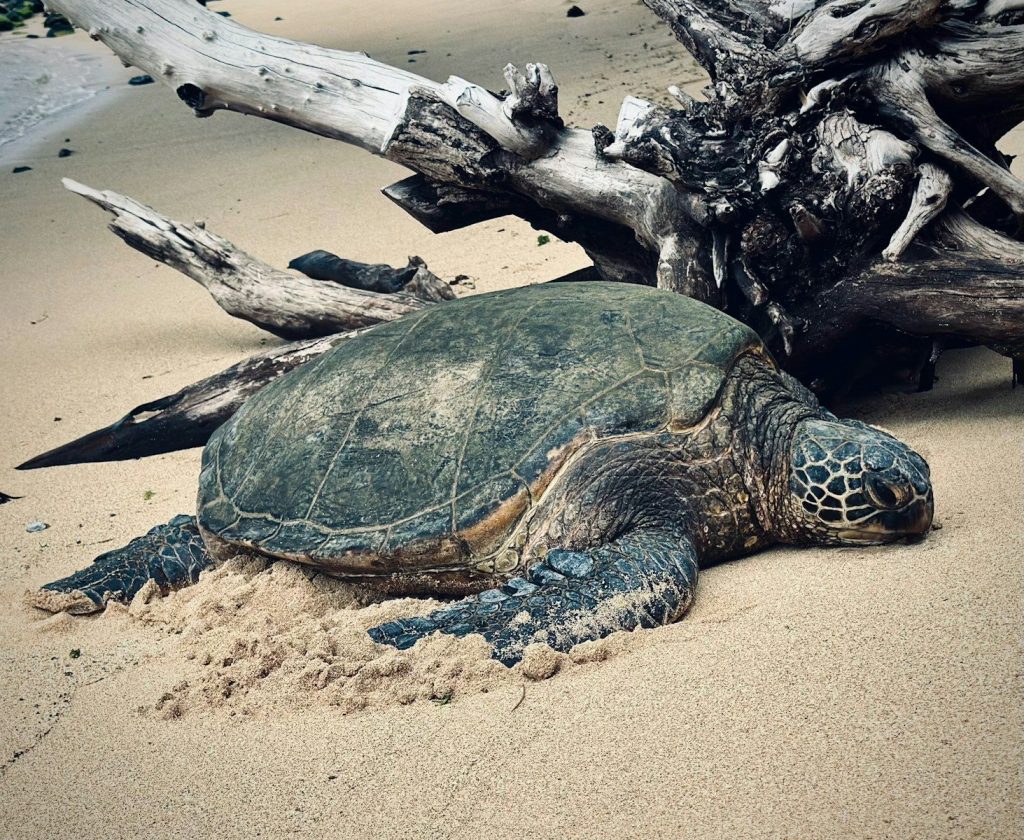
Green sea turtles can become trapped in fishing nets, ropes, discarded fishing lines, and other marine debris. Because they must reach the surface to breathe, being trapped for too long can become life-threatening.
Plastic pollution also creates serious problems for these turtles. Some mistake floating plastic bags for jellyfish or other food, while others become tangled in trash left behind in the ocean.
Why green sea turtles matter
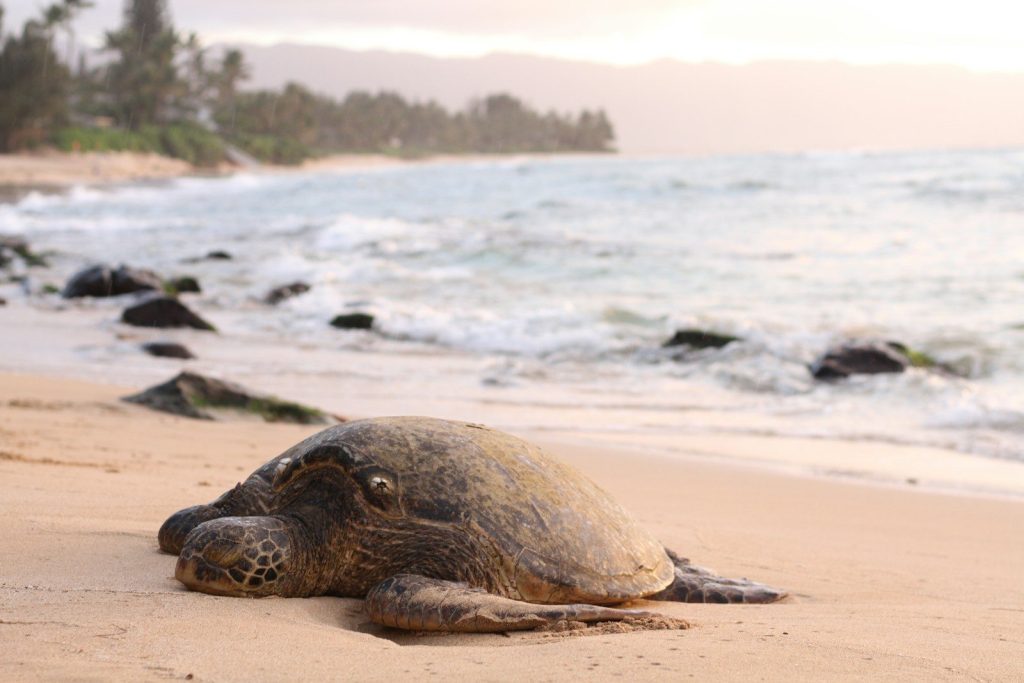
Green sea turtles help keep seagrass beds healthy by eating older plants. Healthy seagrass provides food and shelter for many fish and other sea animals.
These turtles also support healthy coastal ecosystems. Their role in nature helps maintain balance, making them an important part of ocean life around the world.
Rescue teams play an important role

Sea turtle rescue groups work with coast guards, veterinarians, and wildlife experts to save injured or trapped animals. They examine each turtle, treat any wounds, and monitor its health before release.
If a turtle needs more care, it may spend time at a rehabilitation center. Once it can swim, dive, and feed normally again, it is returned to its natural habitat.
Threats facing sea turtles today
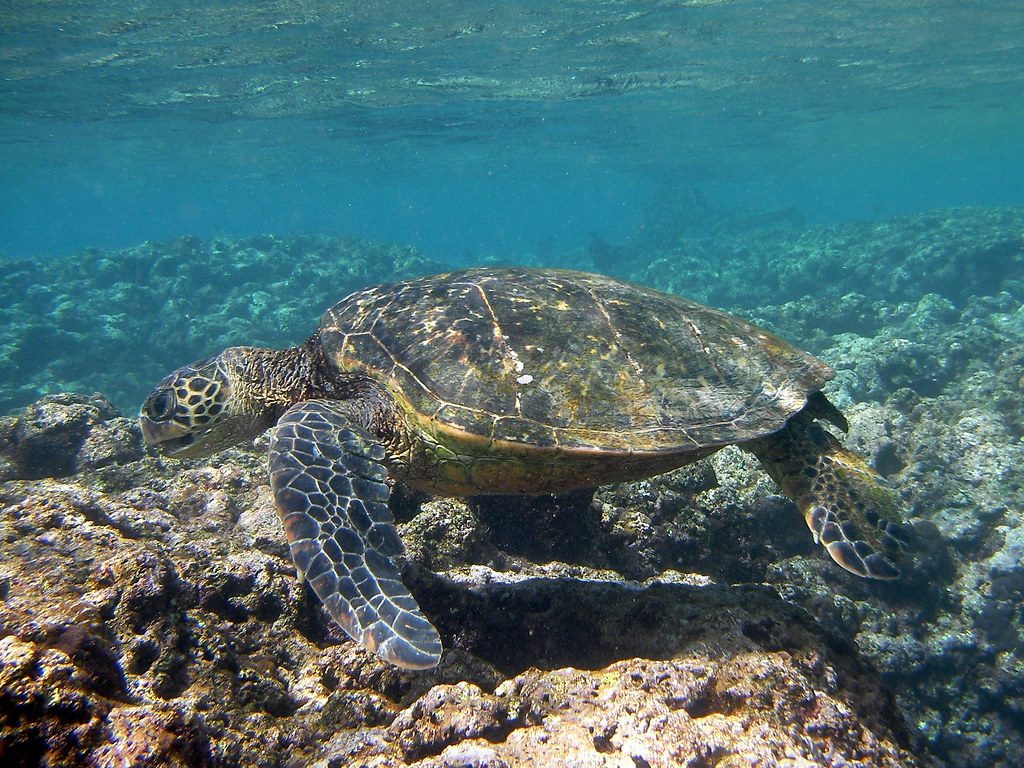
Fishing gear remains one of the biggest dangers to sea turtles worldwide. Boat strikes, pollution, habitat loss, and climate change also make survival more difficult.
Many nesting beaches are changing because of coastal development and rising sea levels. These changes reduce safe places where female turtles can lay their eggs.
What people can do to help

Everyone can help protect sea turtles by keeping beaches and waterways clean. Throwing away trash properly and reducing plastic use lowers the risk of turtles becoming trapped or eating harmful waste.
People should also report injured or trapped sea turtles to local wildlife authorities instead of trying to rescue them without training. Quick reporting often gives the animals the best chance of survival.
Featured Image: Photo by Derrick Taylor on Unsplash
Leave a Reply