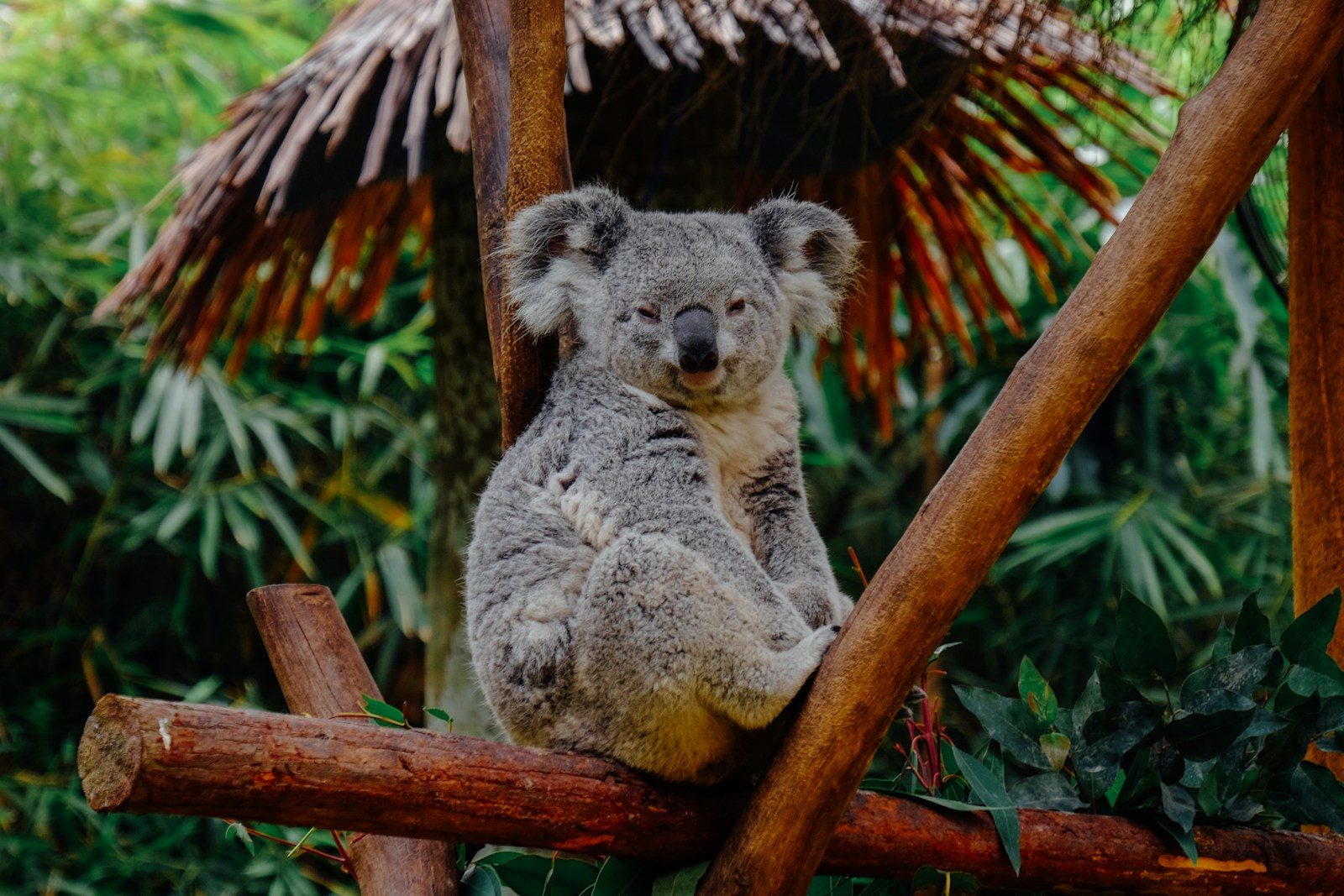
Many people believe Australia is filled with dangerous wildlife waiting around every corner. The truth is very different. The Australian animals you don’t need to fear are far more common than most people think, and many wild animals would rather avoid people than come close to them.
This article explains why Australia’s wildlife is often misunderstood. You’ll learn which animals are less dangerous than their reputation suggests, why they behave the way they do, and how simple safety rules help people enjoy Australia’s amazing wildlife with confidence.
Most wildlife avoids people
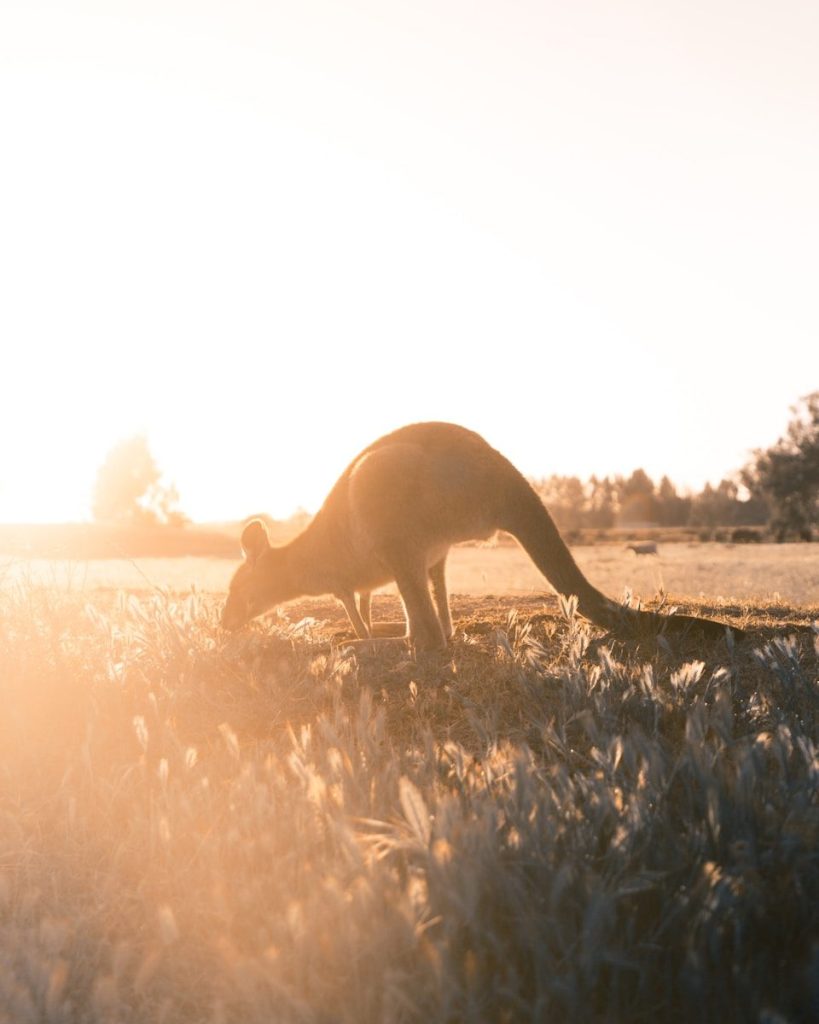
Many Australian animals are naturally shy. They usually move away when they hear people walking nearby or notice movement around them.
Wildlife experts say it is actually uncommon for visitors to encounter dangerous animals during normal travel. Most animals only defend themselves if they feel trapped, threatened, or disturbed.
Snakes are not hunting humans
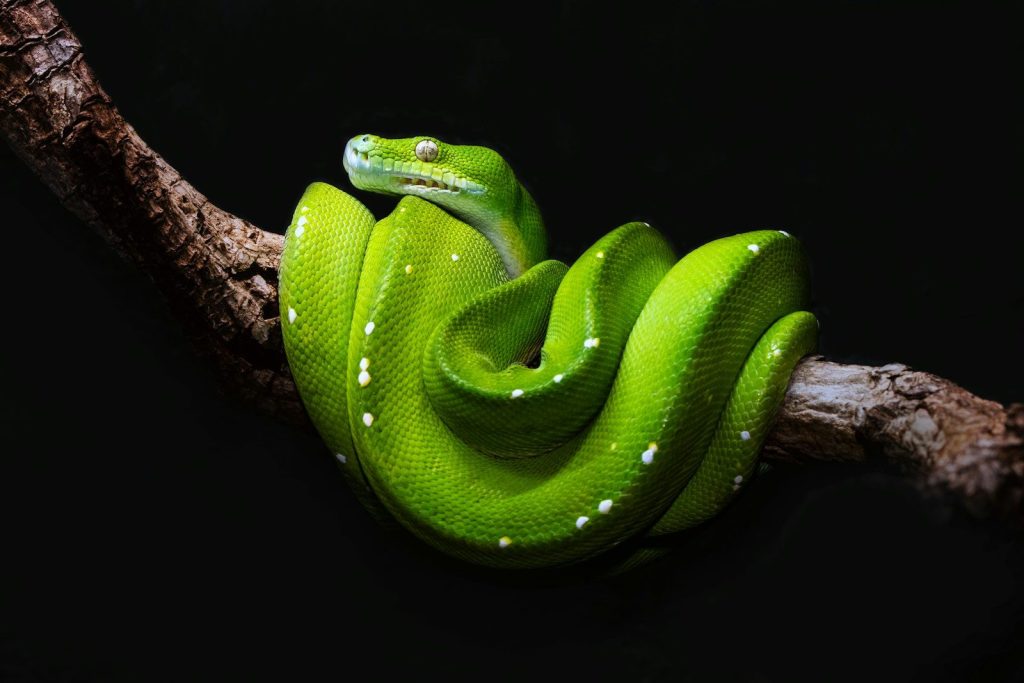
Australia has several venomous snake species, but they do not chase people. Most snakes hide in grass, rocks, forests, or remote areas and try to escape when they detect footsteps.
If you see a snake, the safest choice is to slowly back away and give it space. Wearing closed shoes while hiking and staying on marked trails greatly lowers the chance of an unwanted encounter.
Sharks are rarely a danger
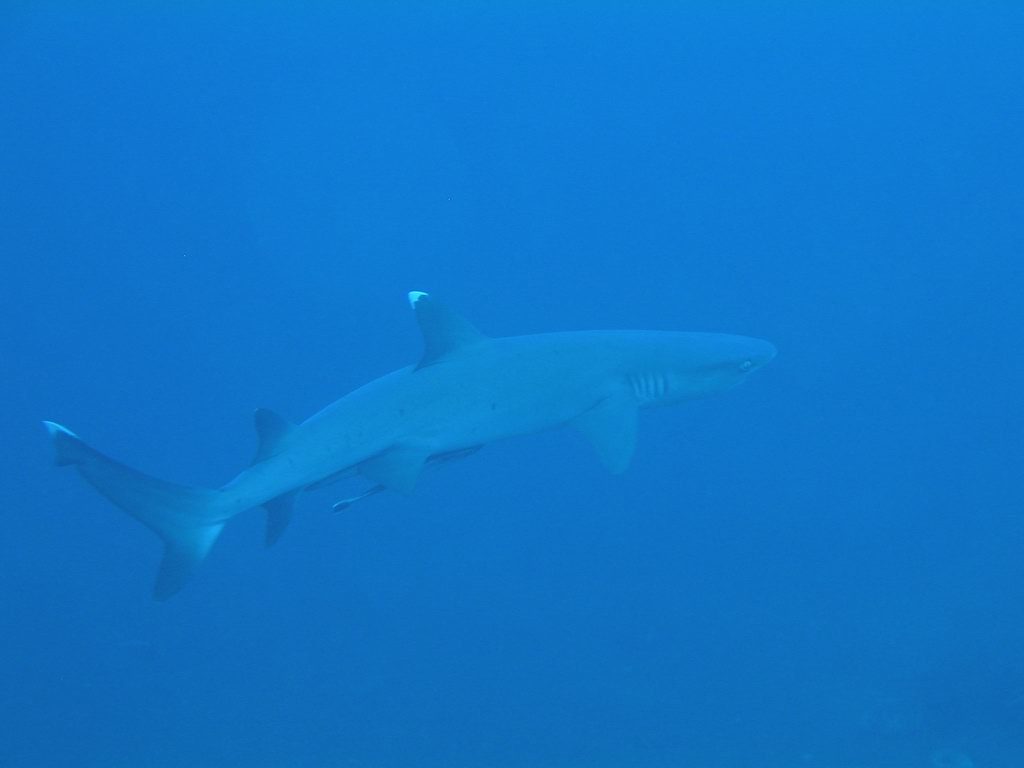
Australia has many shark species, but attacks on people are rare. Sharks do not spend their time looking for humans as prey.
Millions of people safely enjoy Australian beaches every year. Swimming at patrolled beaches, following local warnings, and staying between the safety flags help reduce risks even further.
Crocodiles live in limited areas
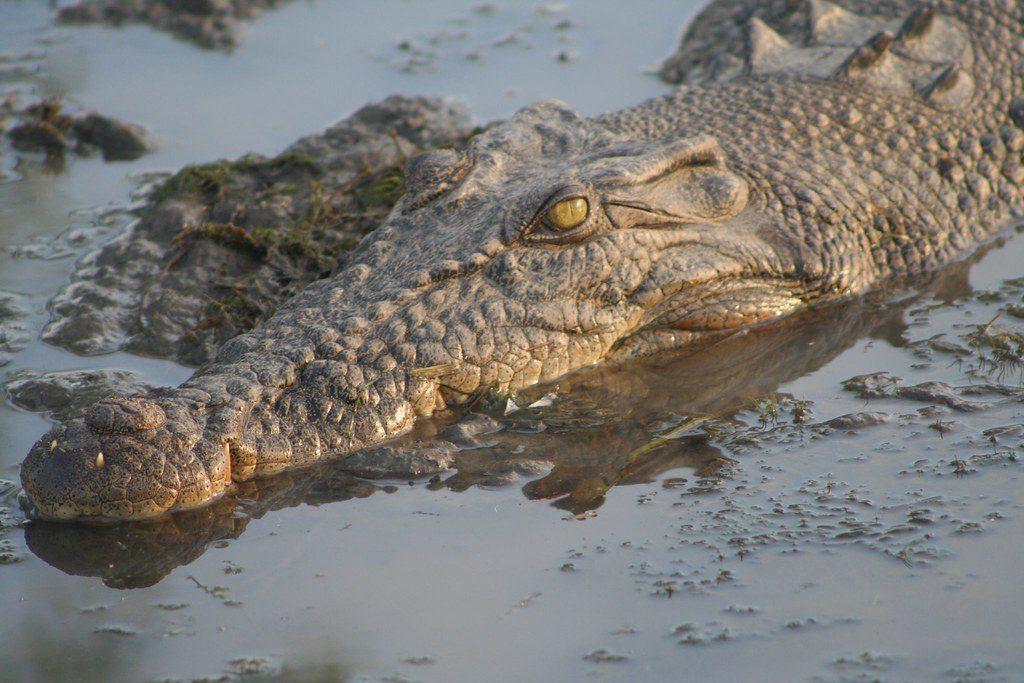
Saltwater crocodiles are found mainly in Australia’s tropical north, not across the entire country. They do not roam through Australian cities or popular urban neighborhoods.
Visitors should simply follow warning signs near rivers, estuaries, and beaches where crocodiles may live. Local authorities closely monitor these areas and provide clear safety advice.
Cute animals still deserve space
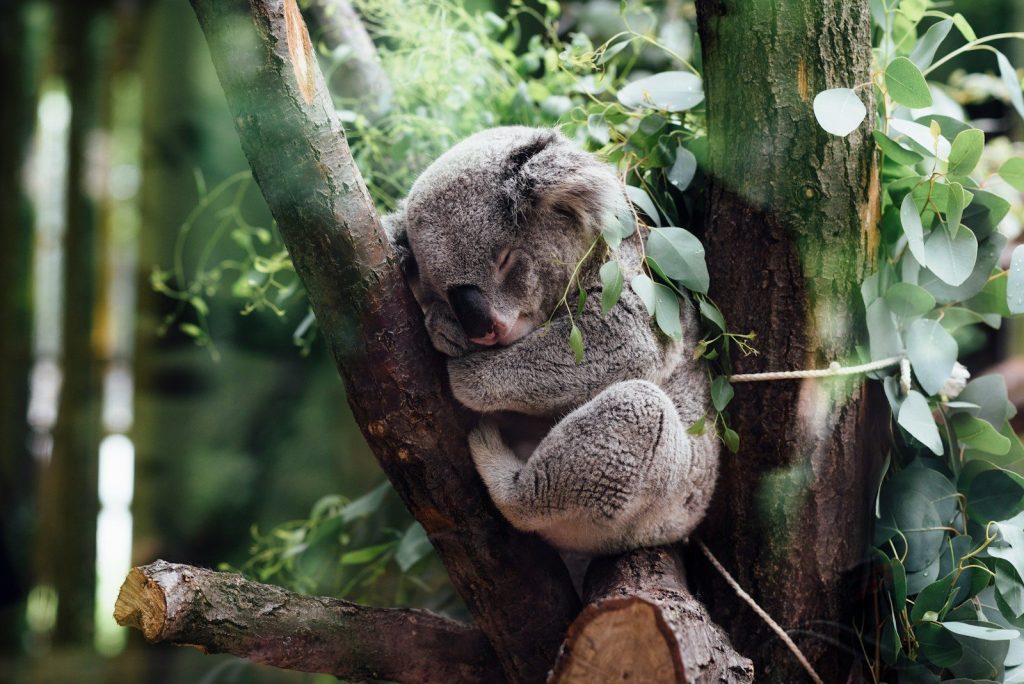
Animals like quokkas, kangaroos, wombats, and koalas may look friendly, but they are still wild. They should never be fed or touched because doing so can stress the animals and change their natural behavior.
Watching wildlife from a respectful distance keeps both people and animals safe. This also allows visitors to enjoy natural behavior without disturbing the animals.
Respect is the best safety rule
Australia’s wildlife becomes much less frightening when people understand animal behavior. Most problems happen when someone gets too close, feeds wildlife, or ignores warning signs.
Simple habits like staying on trails, following park rules, and keeping a safe distance allow people to enjoy Australia’s unique animals safely. Respect for wildlife is the best way to create a safe and memorable experience.
Leave a Reply