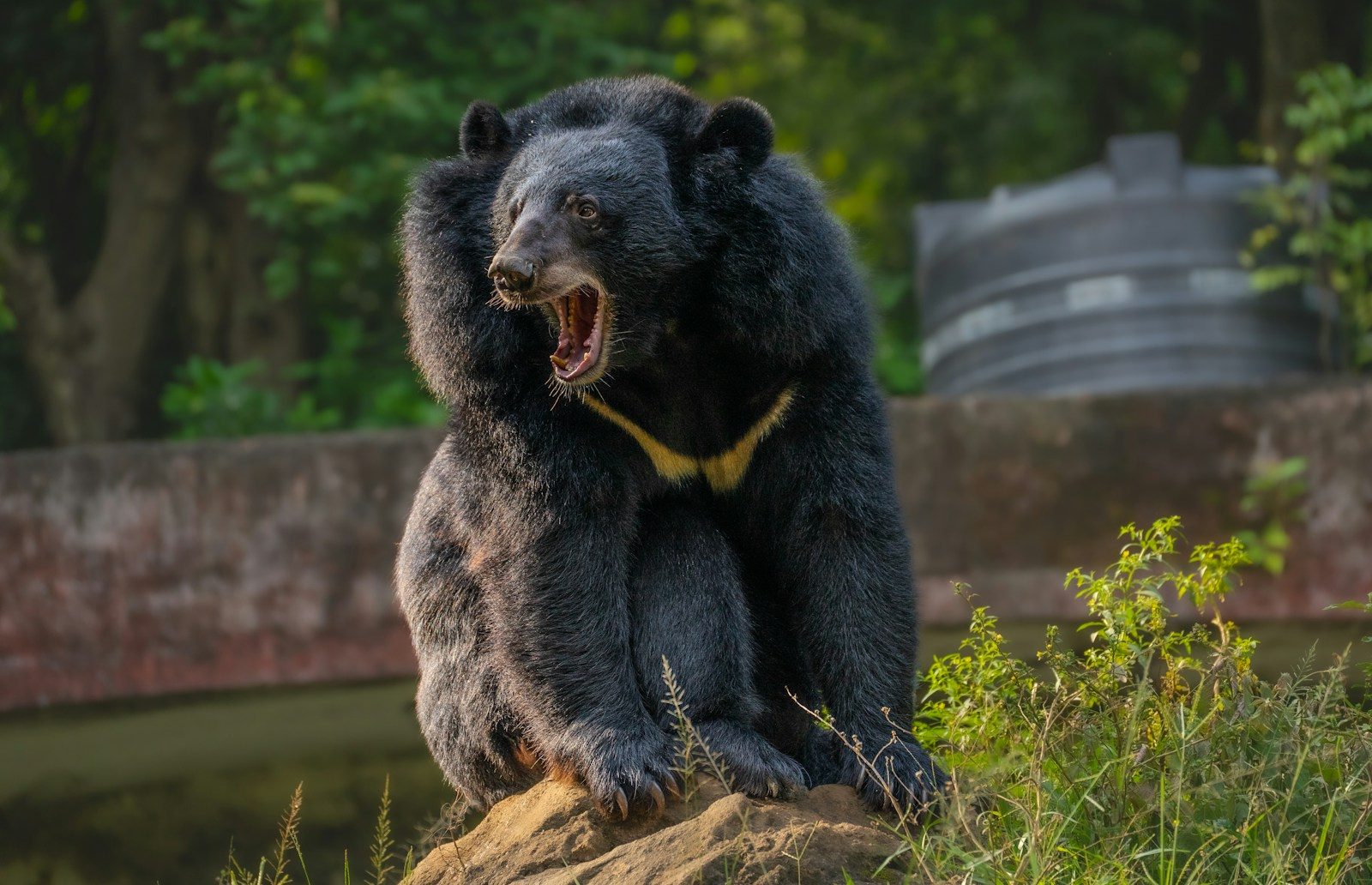
A dog and bear meet in dramatic encounter outside Colorado home is the kind of wildlife moment that can turn dangerous in seconds. Home security cameras in Colorado recently captured a black bear and a dog coming face-to-face near a home, showing just how quickly these encounters can happen. While the meeting looked dramatic, it also served as an important reminder that bears are wild animals and should never be approached.
This article explains what happened, why bears are showing up in Colorado neighborhoods, how the dog and bear reacted, and what wildlife experts recommend. By understanding these events, homeowners can better protect their families, pets, and local wildlife.
The encounter happened in a residential area
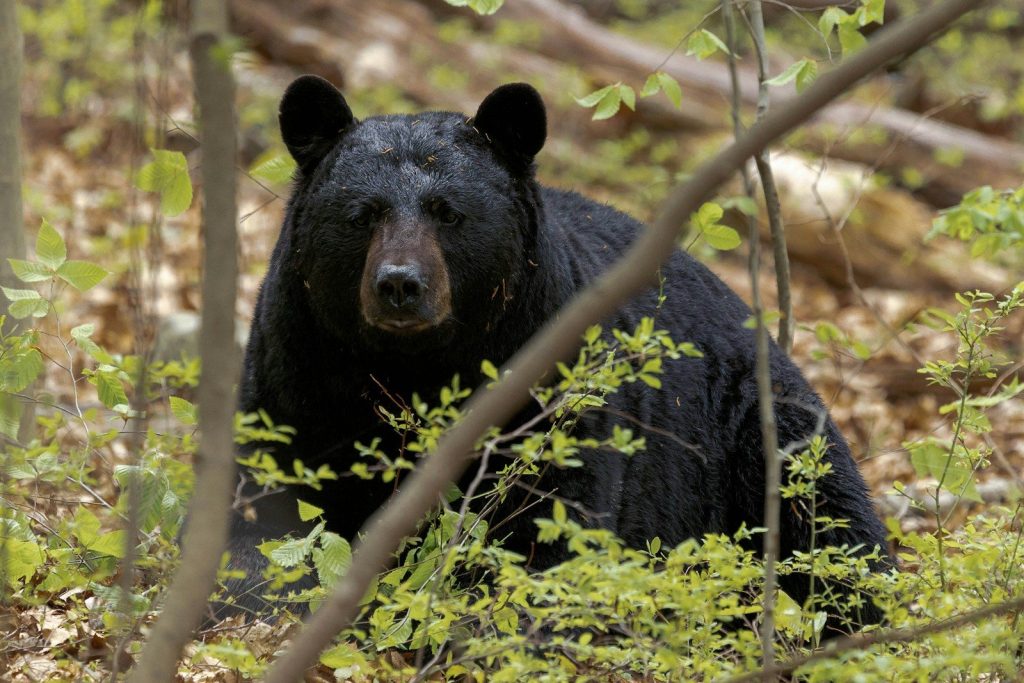
The incident took place outside a Colorado home where a black bear wandered onto the property during the early morning hours. Home security video showed the bear moving through the area before the dog noticed it and rushed toward the animal.
The bear quickly turned to face the dog, creating a tense moment. After a brief confrontation, the dog backed away and avoided injury. The encounter ended without either animal being seriously hurt, but it showed how fast a peaceful morning can become a risky situation.
Why black bears enter neighborhoods
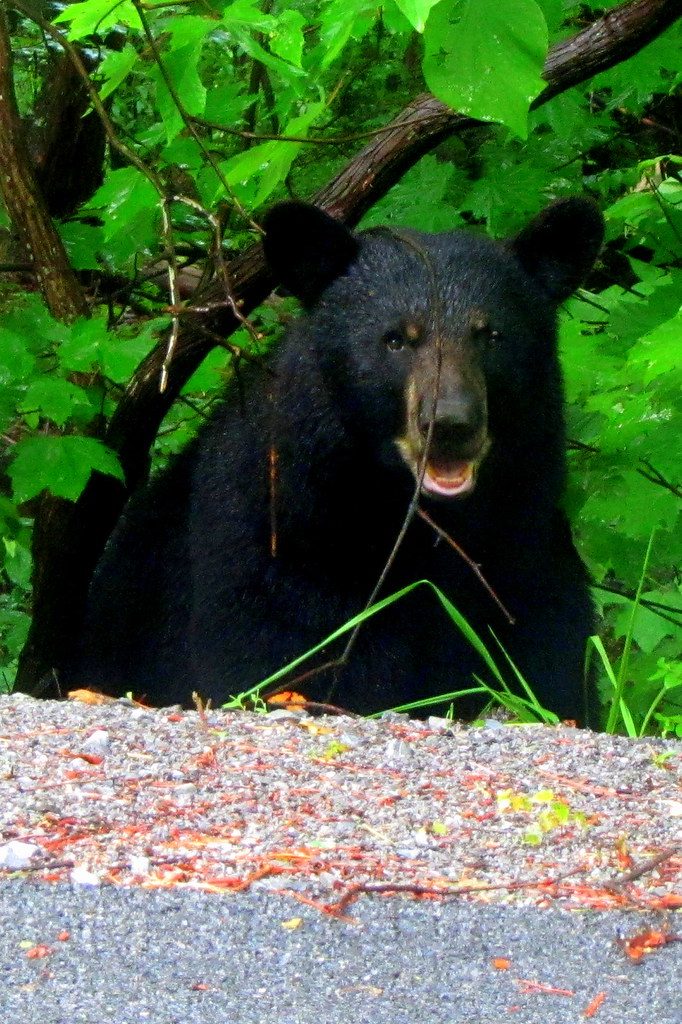
Black bears naturally live in forests and mountain areas, but they often enter neighborhoods while searching for easy food. Garbage cans, pet food, bird feeders, fruit trees, and outdoor grills can all attract hungry bears.
Colorado wildlife officials say bear sightings become more common when natural food is harder to find. Dry weather or poor food crops can push bears closer to homes, especially during the warmer months when they need to build up energy.
How the dog and bear reacted

The dog’s quick movement surprised the bear. Instead of running away immediately, the bear turned toward the dog, a normal defensive reaction for a wild animal that suddenly feels threatened.
The dog eventually retreated, giving the bear space to leave. Wildlife experts explain that even though many black bears avoid fights, they can defend themselves if they feel trapped, cornered, or challenged by people or pets.
What homeowners should know
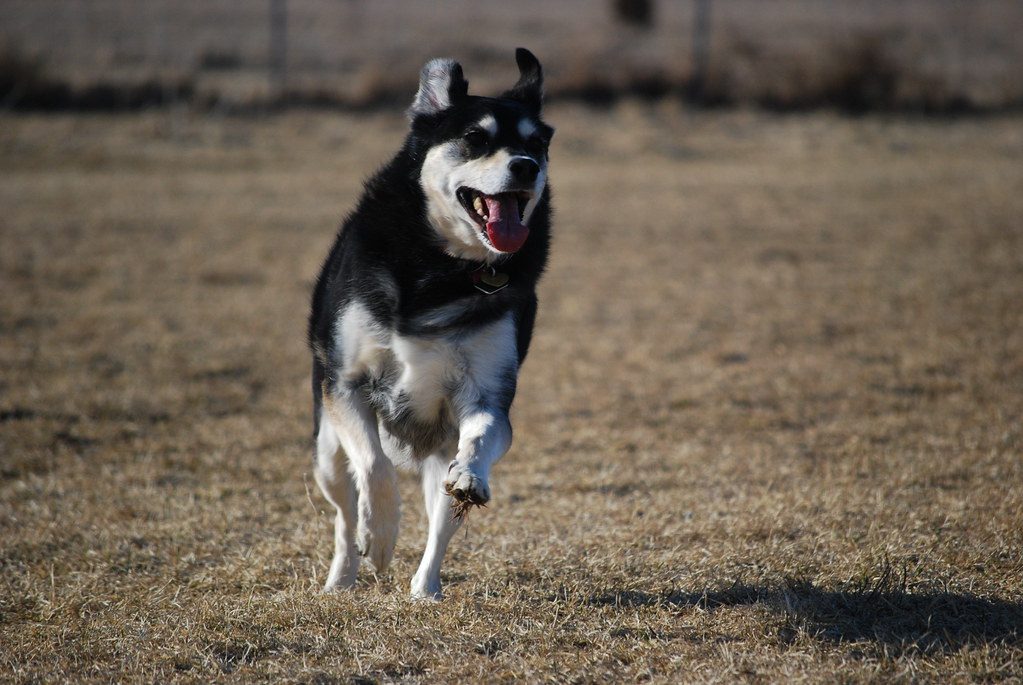
Experts recommend keeping dogs under control, especially in areas where bears are known to live. Dogs that chase bears may lead the animal back toward people, increasing the chance of someone getting hurt.
Homeowners should also remove anything that attracts bears. Keeping trash locked away, bringing pet food indoors, cleaning barbecue grills, and taking down bird feeders when bears are active can greatly reduce unwanted visits.
How to stay safe during a bear encounter

If you see a black bear near your home, stay calm and give it plenty of space. Do not run toward the bear or try to scare it away at close range. Instead, watch from a safe location and keep children and pets inside.
If a bear refuses to leave, wildlife agencies recommend making loud noises from a safe distance or contacting local wildlife officials if the animal behaves aggressively or keeps returning to the area.
Why these encounters matter
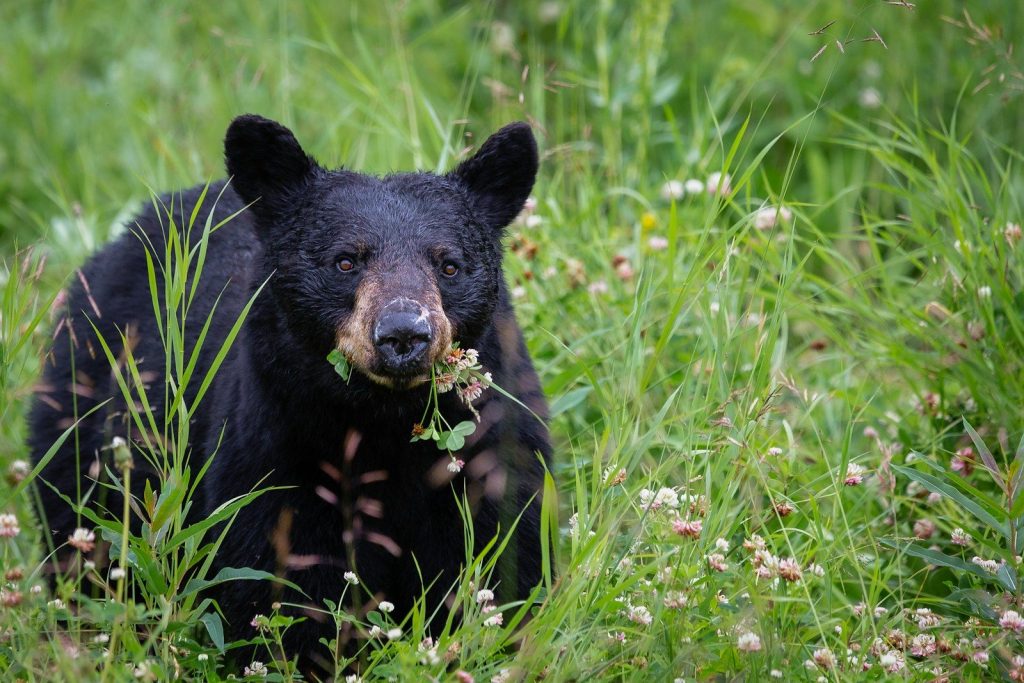
Incidents like this remind people that sharing space with wildlife requires caution and respect. Most black bears want to avoid humans, but easy access to food can bring them into neighborhoods more often.
The video also highlights the value of home security cameras, which help document wildlife behavior and remind residents to stay alert. Preventing bears from finding food near homes protects both people and the bears themselves.
Leave a Reply