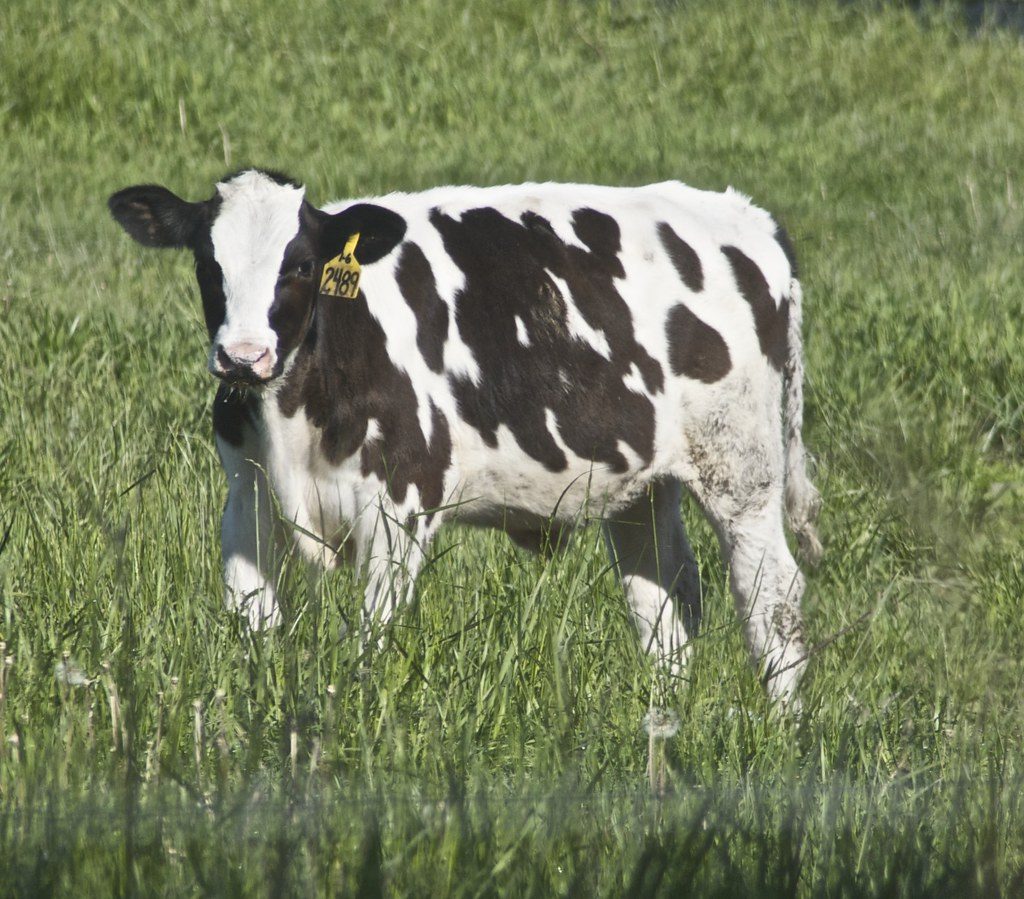
Have you ever wondered what happens when a rescued cow spends years without other cows? That question was answered when Theo, a rescued Holstein steer, finally rejoined a herd after years of living without bovine companions.
His emotional reunion showed just how important friendship is for social animals. This article explains Theo’s rescue journey, why cows need to live in herds, how the careful introduction worked, and what his story teaches about animal welfare and rescue.
Theo’s difficult journey before rescue
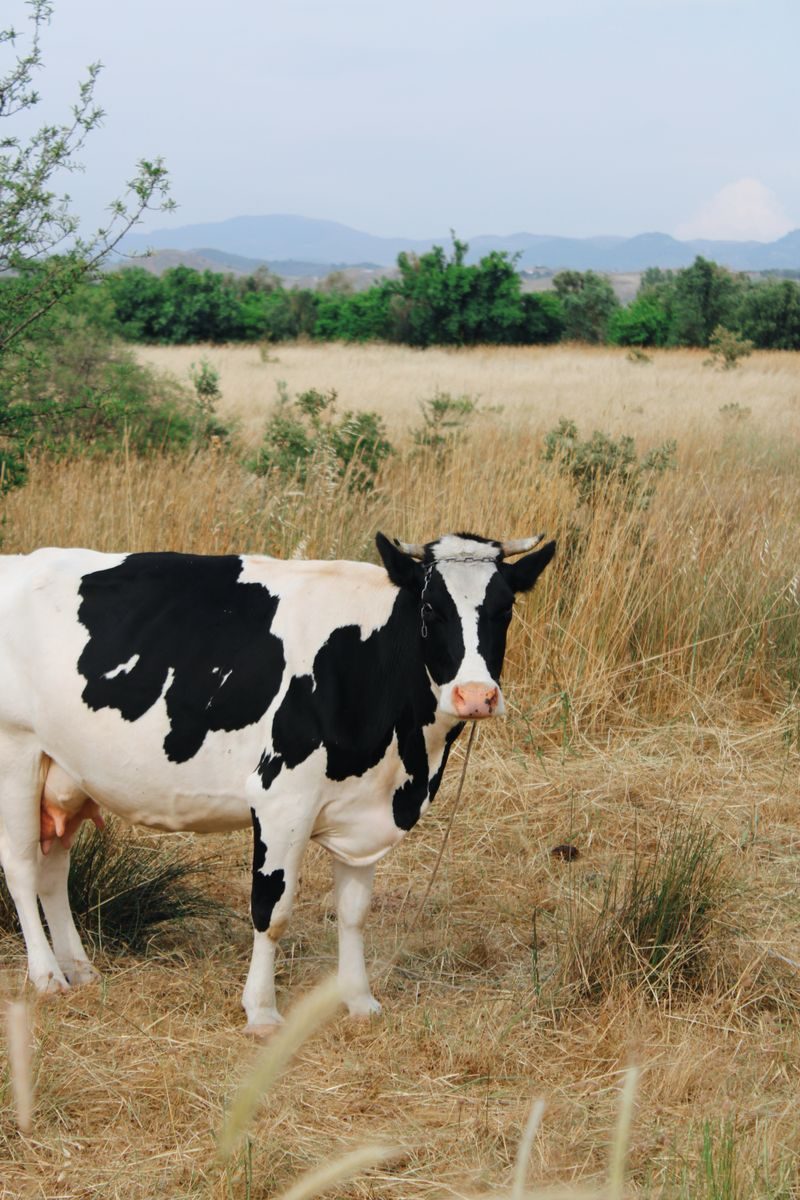
Theo, a Holstein steer about four years old, had a hard start to life. He was first sold through a feed store in South Florida after likely being born on a dairy farm. Because male Holsteins cannot produce milk, they are often sold for other purposes. At one point, Theo was underfed, malnourished, and lost the female cow that had been living with him.
A family later helped him recover physically, but he struggled to fit in because other bulls picked on him. A horse rescuer then gave him a safe place to live for about two years. Although he was protected, Theo had no other cows around him during that time, leaving him without the companionship that cattle naturally need.
Why cows need to live in herds
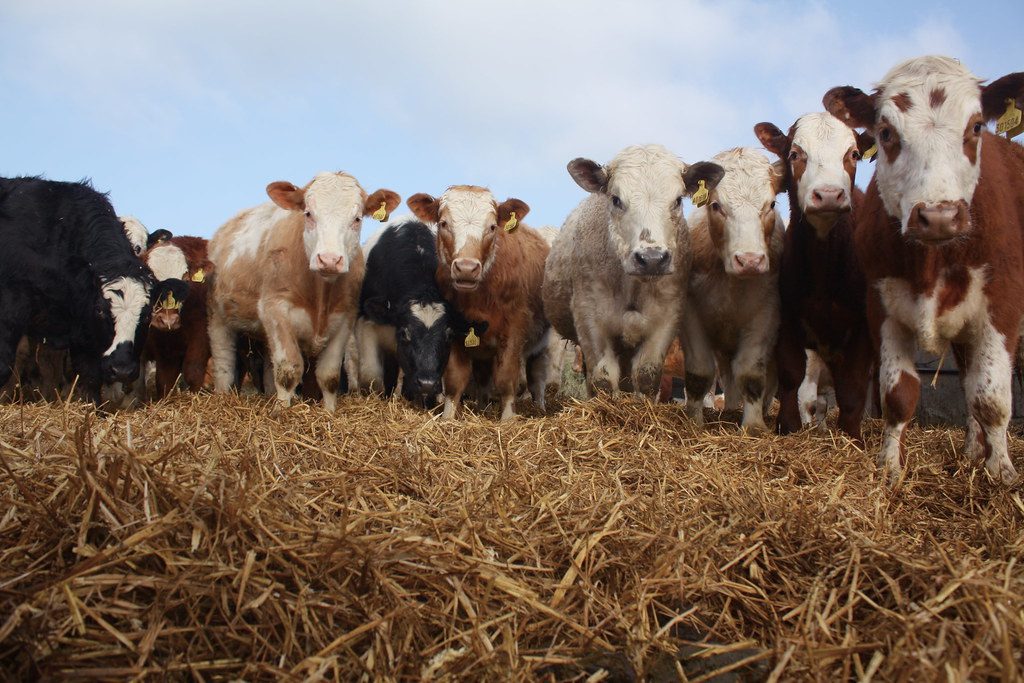
Cows are naturally social animals. In the wild and on farms, they live in groups where they build friendships, protect one another, and communicate using sounds, body language, and touch. Living with other cows helps lower stress and supports normal behavior.
Animal welfare experts have found that cattle often form long-term social bonds. When they are separated from companions for long periods, they may become lonely or anxious. Giving rescued cattle a chance to join a herd improves both their emotional well-being and their overall quality of life.
A careful return to cow companionship
Theo eventually arrived at Critter Creek Farm Sanctuary in Florida, where caregivers prepared him for life with other cattle again. Before joining the herd, he received needed veterinary care, including being castrated, to help make future herd interactions safer and calmer.
The sanctuary introduced Theo slowly instead of rushing the process. This careful approach allowed him to become familiar with his new surroundings while reducing stress for both Theo and the existing herd. Slow introductions are commonly used because they give animals time to adjust safely.
Theo’s joyful first meeting
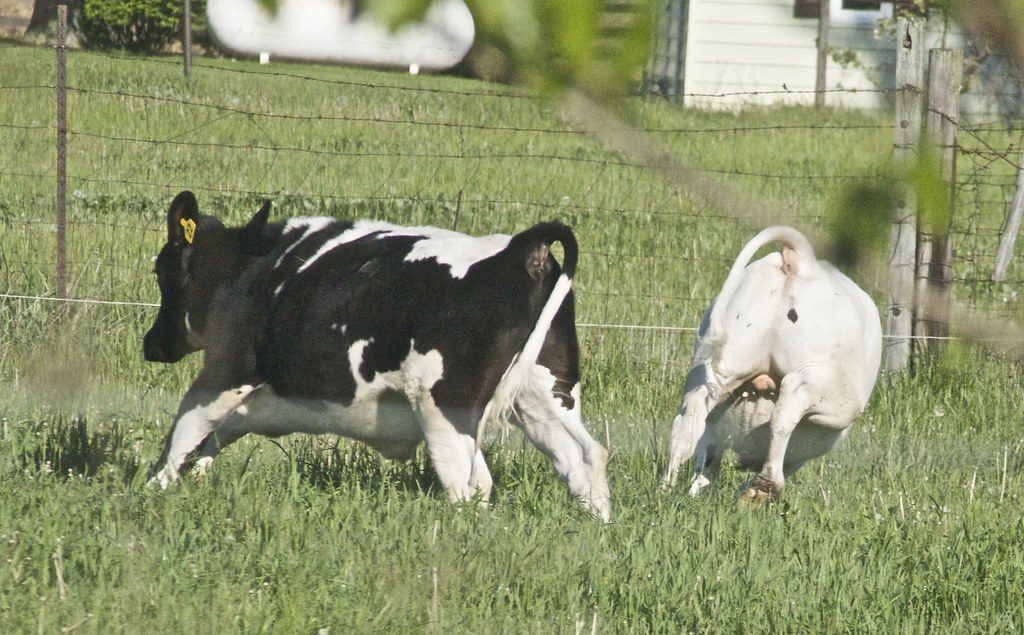
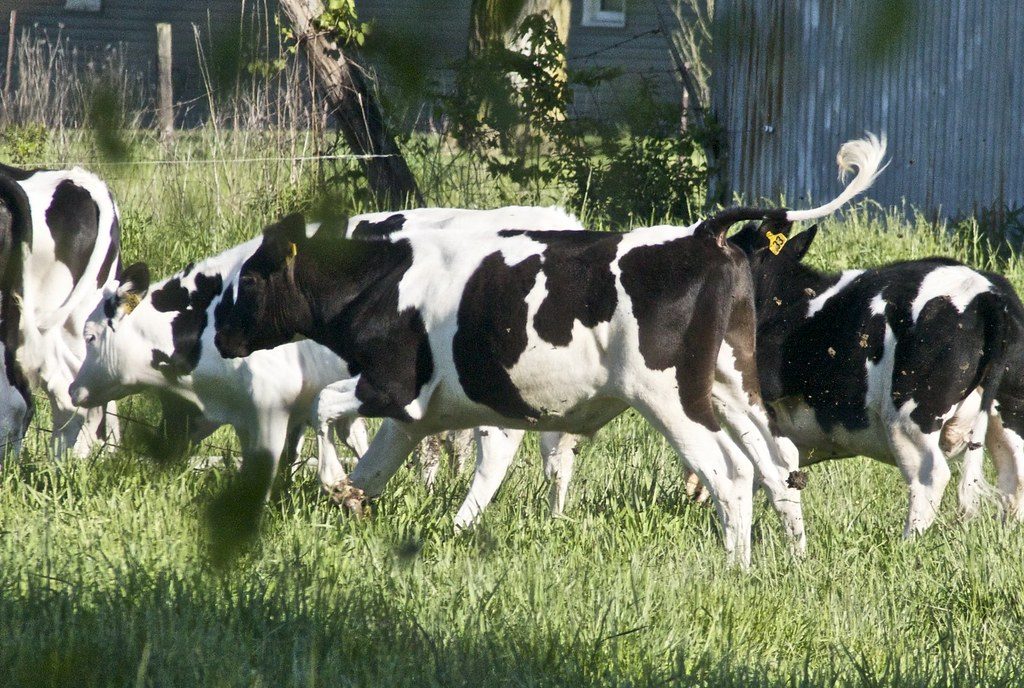
When the gate finally opened, Theo showed clear excitement. Caregivers watched him run, jump, and kick up his legs as he approached the other cows. His playful movements reflected the energy and comfort many cattle display when they feel safe and happy.
The herd accepted Theo, giving him something he had missed for years. He now has open pastures, fresh grass, ponds, and the company of other cows. Sanctuary workers described the reunion as emotional because Theo could finally live the life that suits his natural behavior.
What animal sanctuaries make possible
Animal sanctuaries give rescued farm animals permanent homes where they no longer face slaughter, neglect, or exploitation. Their goal is to provide proper food, medical care, shelter, and the chance for animals to express normal behaviors.
Theo’s story also highlights the teamwork behind successful rescues. Different caregivers helped him at different stages of his life before Critter Creek Farm Sanctuary gave him the opportunity to become part of a herd again. Each step played an important role in his recovery.
Why Theo’s story matters
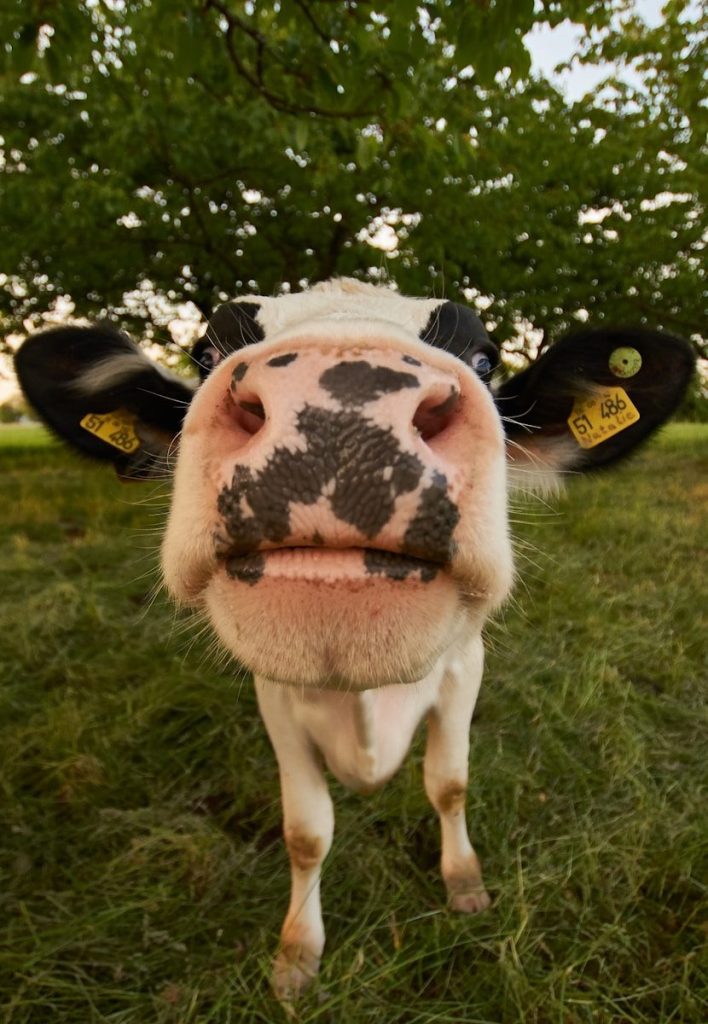
Theo’s reunion reminds people that emotional well-being matters for animals as much as physical health. Rescue is not only about saving an animal from danger but also about giving it the chance to enjoy a full and natural life.
His experience has inspired many people because it shows that even after years of isolation, animals can adapt, build new friendships, and thrive when given the right care. Stories like Theo’s also encourage greater support for animal rescue organizations and responsible farm animal welfare.
Featured image by: “Holstein Steer” by Just chaos is licensed under CC BY 2.0
Leave a Reply