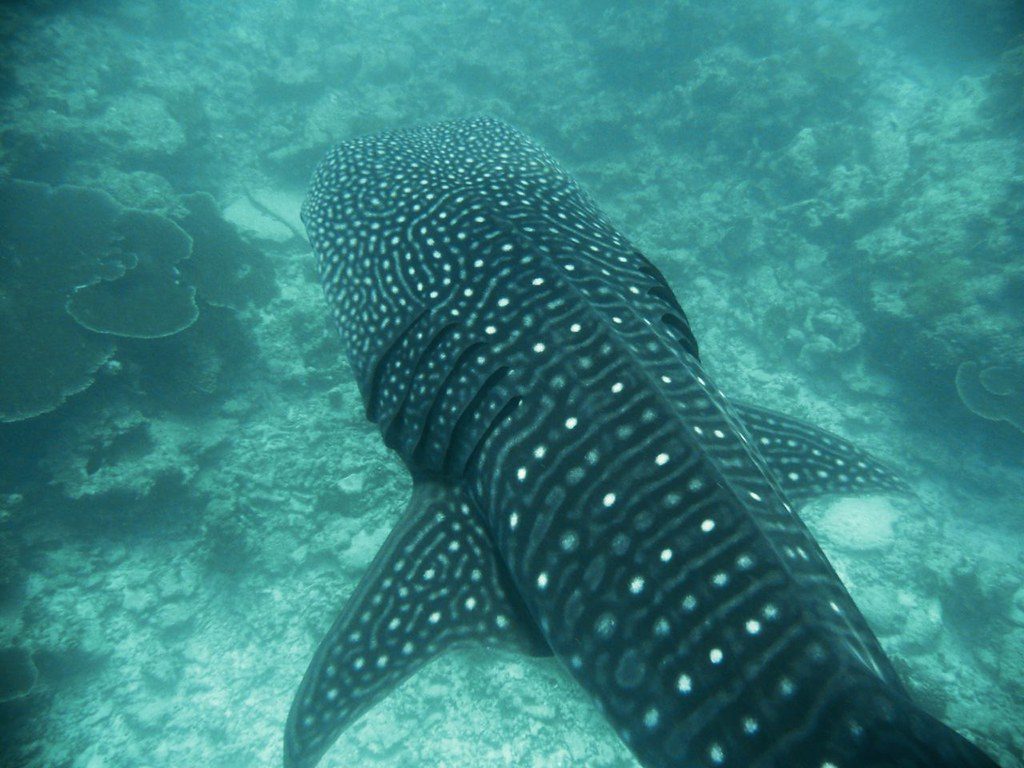
A rare whale shark sighting in Florida waters has excited scientists, boaters, and wildlife lovers. Seeing the world’s largest fish near Florida does not happen often, so every sighting helps researchers learn more about these gentle ocean giants. The recent encounter also reminds people that Florida’s waters are home to many amazing marine animals that are still not fully understood.
In this article, you will learn where the whale shark was spotted, why the sighting matters, how these giant fish live, and what scientists hope to discover next. You will also find out how people can safely enjoy these incredible animals while helping protect them for the future.
Where the whale shark was spotted

The recent whale shark was recorded in the Dry Tortugas Northern Ecological Reserve, about eight miles west of Loggerhead Key. Researchers from the Florida Fish and Wildlife Conservation Commission captured the animal on an underwater camera during a reef fish survey instead of a shark study.
The video surprised scientists because whale sharks are not commonly seen in Florida waters. The sighting suggests these giant fish may visit the area more often than people realize, but many pass through without being noticed because they spend much of their time in the open ocean.
Why this sighting is important

Every whale shark sighting gives scientists valuable information about where these animals travel, feed, and spend their time. Since the species moves across large areas of the ocean, each observation helps researchers better understand its migration patterns.
The sighting also supports growing research showing that parts of Florida’s Gulf waters may be important feeding areas. Scientists continue to study these locations to learn when whale sharks arrive, what attracts them, and how changing ocean conditions affect their movements.
Understanding the world’s largest fish
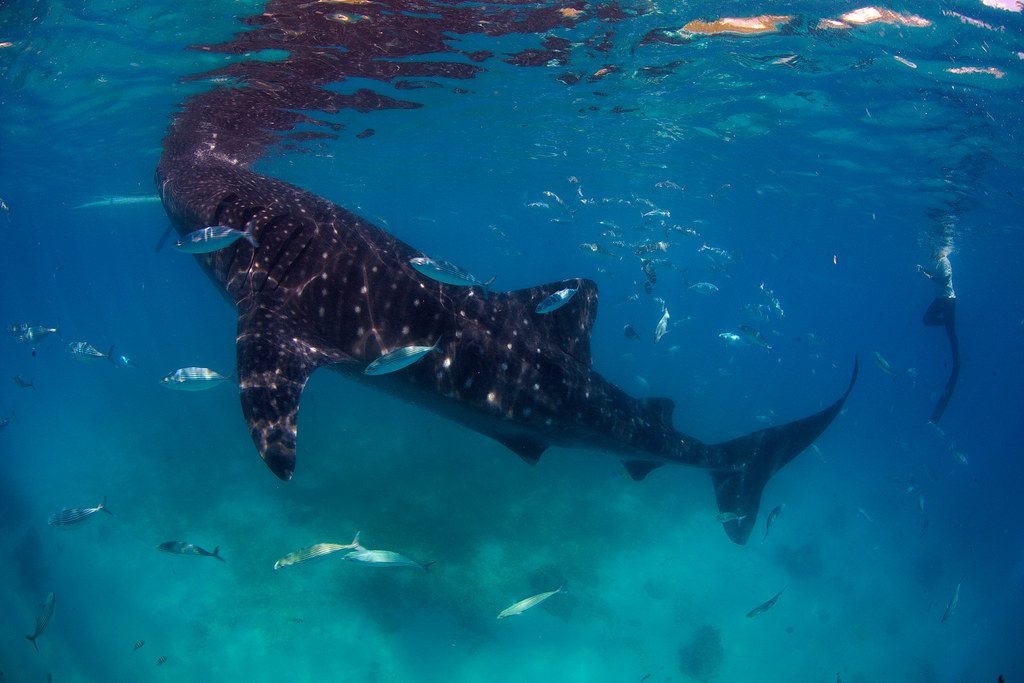
Whale sharks are the largest fish on Earth. Adults can grow longer than 40 feet, although many are smaller. Even with their huge size, they are gentle filter feeders that eat plankton, fish eggs, and other tiny sea life instead of hunting large animals.
Each whale shark has a unique pattern of white spots and stripes, much like a human fingerprint. Researchers use these natural markings to identify individual sharks and track them over many years without causing harm.
Why whale sharks visit Florida
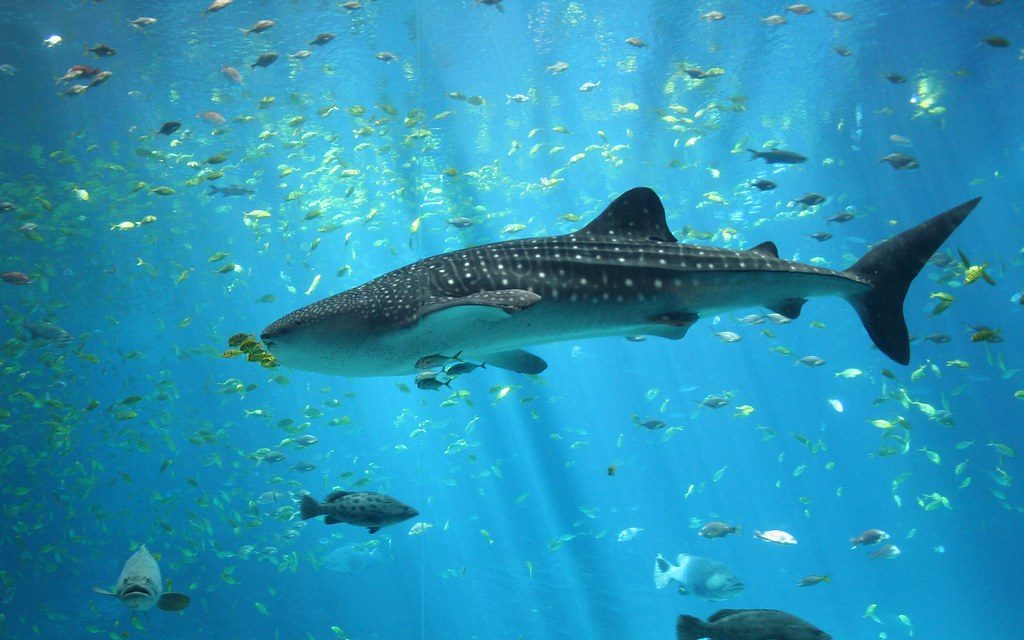
Florida’s warm waters can provide good feeding opportunities for whale sharks, especially when large amounts of plankton or fish eggs are available. These food sources sometimes gather during seasonal ocean events, attracting many different marine animals.
Scientists have recently documented groups of whale sharks feeding offshore in the Gulf, showing that Florida may be more important to the species than previously believed. Continued research will help explain how often these giants return and whether certain areas are key feeding habitats.
Threats facing whale sharks

Although whale sharks are peaceful animals, they face many dangers. Boat strikes, accidental capture in fishing gear, marine pollution, and habitat loss all threaten their survival. These risks have contributed to the species being listed as endangered.
Because whale sharks often swim close to the surface while feeding, they can be difficult for boat operators to spot. Scientists encourage safe boating practices and responsible wildlife viewing to reduce unnecessary harm to these slow-moving fish.
What people should do if they see one

Anyone lucky enough to spot a whale shark should enjoy the moment from a safe distance. Chasing, touching, or blocking the animal’s path can cause stress and interfere with its natural behavior.
Researchers also encourage people to report whale shark sightings. Photos, videos, and location details can help scientists monitor the species, improve conservation efforts, and better understand how these remarkable fish use Florida’s coastal waters.
Featured image by: “Whale Shark – Maldives” by daveog is licensed under CC BY-NC-ND 2.0
Leave a Reply