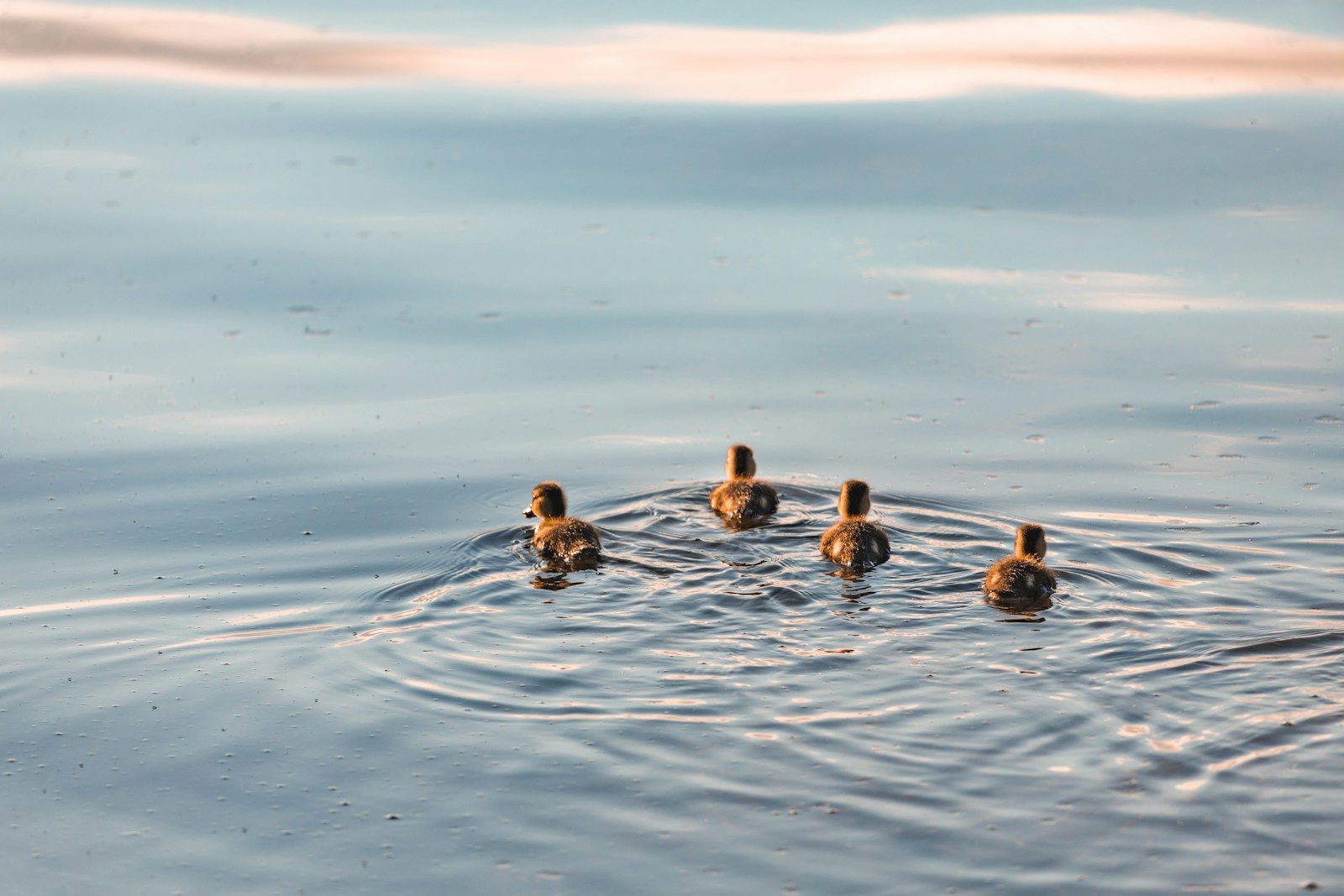
A simple swim turned into a special wildlife moment when ducklings gathered around a swimmer during a lake outing. The scene, shared by the Daily Mail, showed a group of tiny ducklings paddling closely around a man as he calmly swam through the water. The sweet encounter quickly caught people’s attention because it looked like the baby birds had chosen him as part of their group.
While the video is heartwarming, it also offers a chance to learn about duck behavior. This article explains why the ducklings may have approached the swimmer, how young ducks behave in the wild, and why people should always respect wildlife during these unexpected encounters.
A peaceful swim became a viral moment
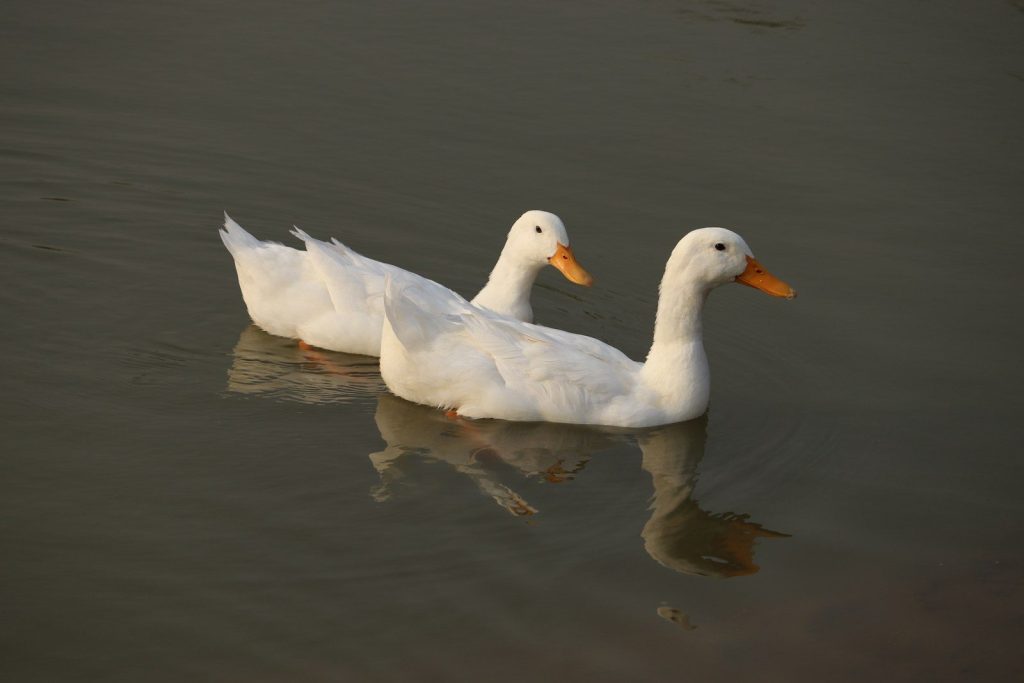
The video showed a man swimming in a lake while several tiny ducklings paddled around him. Instead of swimming away, the young birds stayed close as he moved through the water. The calm scene quickly spread online because it looked both unusual and adorable.
Although the encounter seemed friendly, wildlife experts say young ducks can be curious about new objects in their environment. A swimmer moving slowly through calm water may attract their attention for a short time without changing their natural behavior.
Ducklings are naturally curious

Ducklings begin exploring the world almost as soon as they hatch. They investigate floating plants, insects, rocks, and other objects they find in the water. A quiet swimmer can become just another object that catches their interest.
Their curiosity does not mean they are looking for people to care for them. In the wild, ducklings depend on their mother for protection, warmth, and guidance until they are old enough to survive on their own.
The mother duck was likely nearby
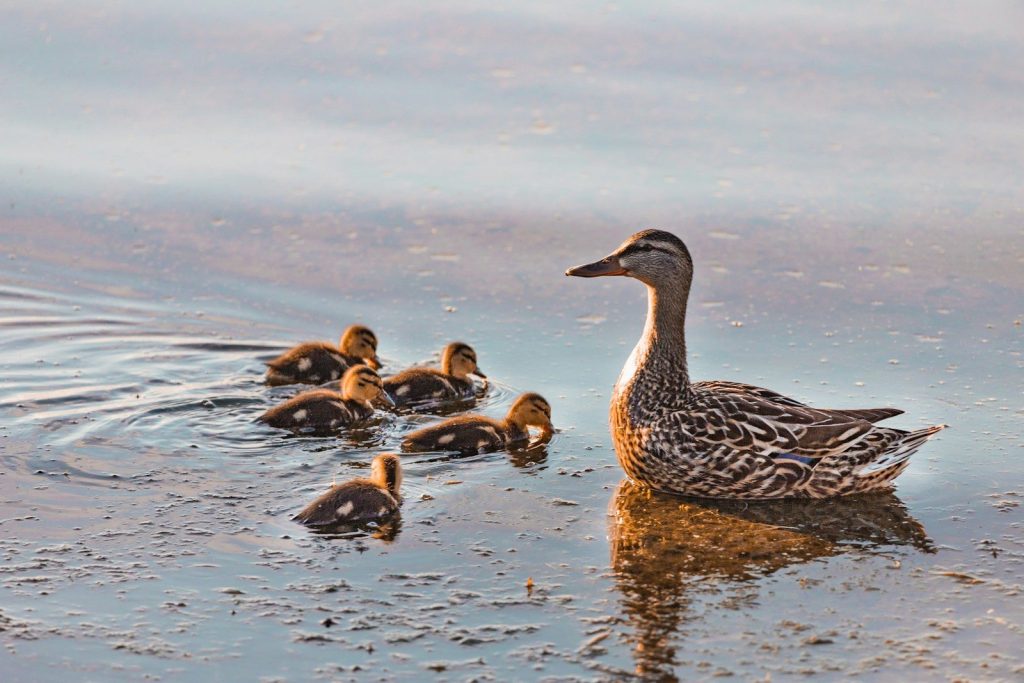
Even if the mother duck was not clearly visible in the video, she was likely watching from a short distance. Female ducks stay alert because young ducklings face dangers from fish, turtles, birds of prey, and other predators.
Mother ducks communicate with their young using different calls. They lead the ducklings to food, warn them about danger, and help keep the family together while moving through lakes, ponds, and wetlands.
Why ducklings sometimes follow moving objects
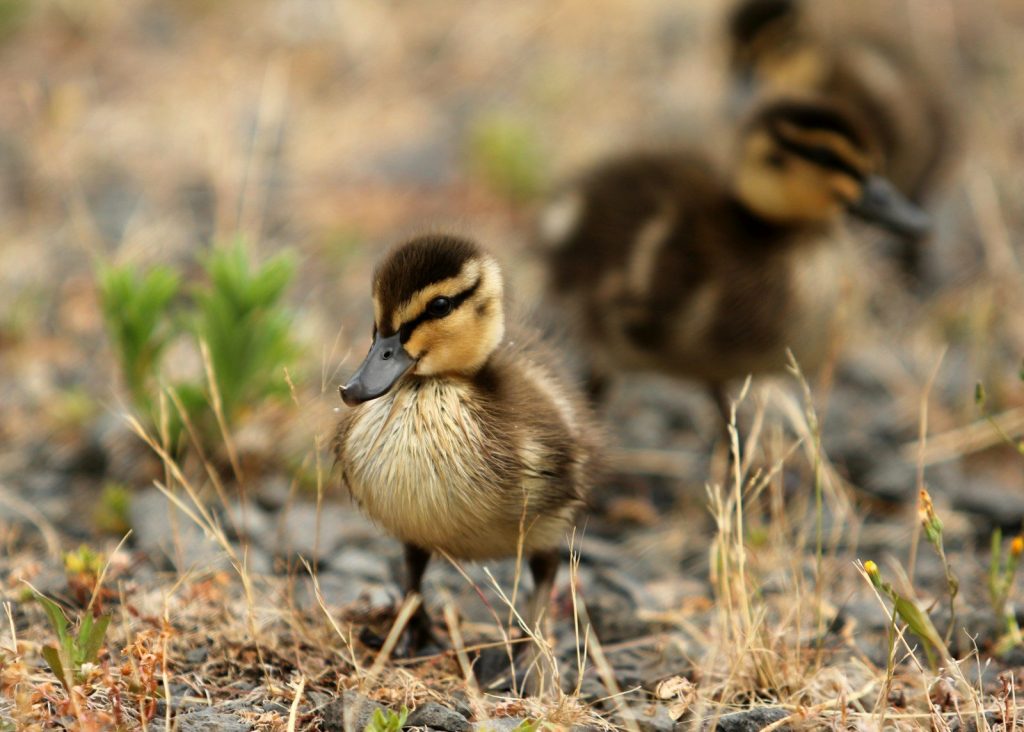
Newly hatched ducklings are known for following movement. During their earliest days, they naturally stay close to the first safe caregiver they recognize, which helps them avoid getting separated from their family. Older ducklings may also briefly investigate slow-moving animals or people.
In this lake encounter, the ducklings were most likely reacting to the swimmer’s gentle movement rather than trying to find a new parent. After satisfying their curiosity, wild ducklings normally return to following their mother.
The right way to respond
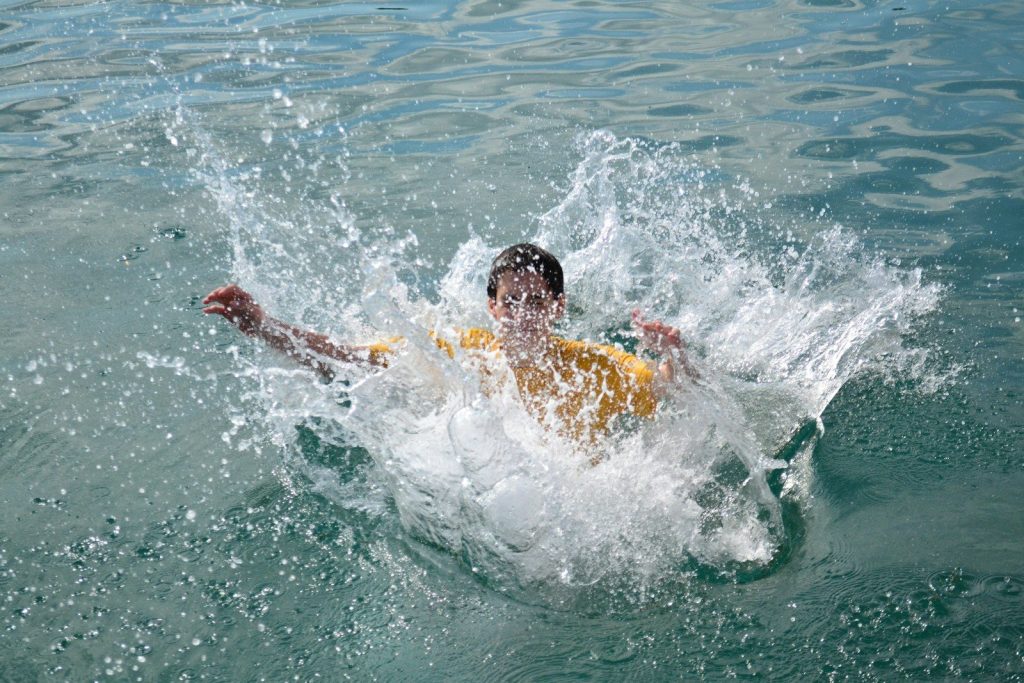
If ducklings swim toward you, the safest response is to stay calm and avoid touching or feeding them. Sudden movements can frighten the birds and may separate them from their mother, creating unnecessary stress.
Watching quietly allows the family to continue its normal behavior. Wildlife agencies also advise against feeding ducks because foods like bread do not provide the nutrition they need and can encourage unhealthy dependence on people.
A reminder to respect wildlife

Moments like this remind us how surprising nature can be. A simple swim became memorable because curious ducklings briefly shared the water with a calm swimmer, creating a scene that many people enjoyed watching.
The best wildlife encounters happen when people let animals remain wild. Giving duck families plenty of space helps keep them safe and allows them to continue behaving naturally in their own habitat.
Featured image by: Photo by Julia Edbrooke on Unsplash
Leave a Reply