A giant wild trout spotted near Scottish salmon farms has sparked a debate among scientists, conservation groups, and the fish farming industry. Reports of unusually large brown trout living around salmon cages have raised questions about why these fish are growing so much bigger than normal.
Some experts believe leftover salmon feed is changing their natural behavior, while fish farm operators say their sites follow strict environmental rules. This article explains what is known about the giant wild trout, why they are attracting attention, what experts disagree on, and what the findings could mean for Scotland’s freshwater ecosystems.
Why the giant trout are making headlines
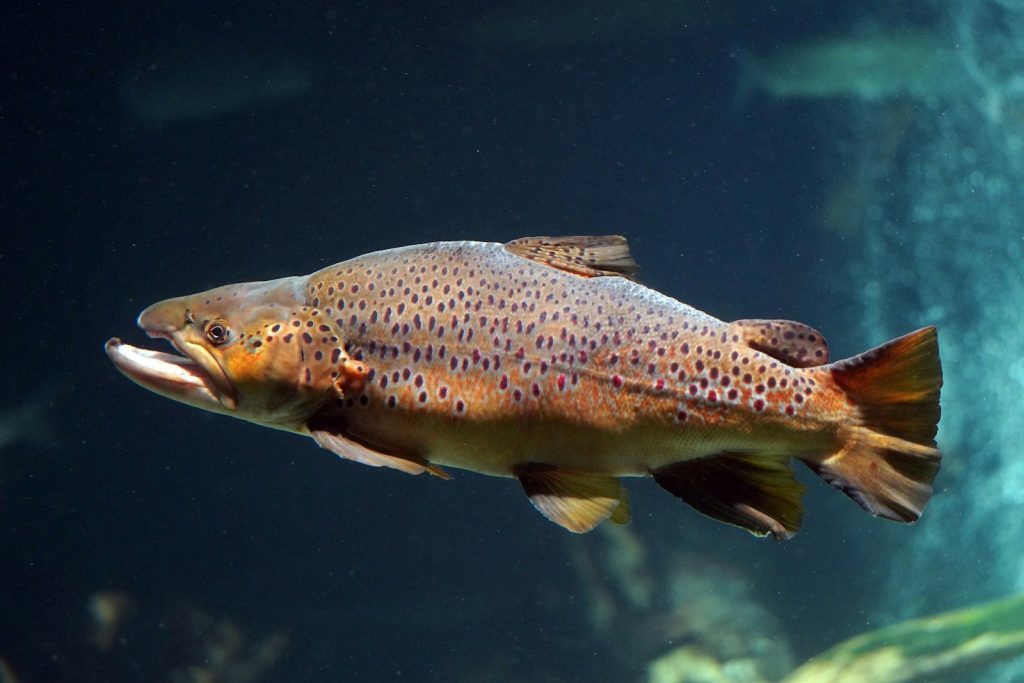
Wild brown trout in Scotland’s lochs usually weigh well under 1 pound, although some healthy adults can grow larger. However, conservation groups have reported seeing trout weighing up to about 20 pounds near some salmon farming sites, making these fish far larger than what is normally expected in the wild.
The reports have drawn attention because such rapid growth could change how these trout behave and interact with other wildlife. Their unusual size has led to questions about whether nearby salmon farms are providing an extra food source that is helping the fish grow much faster than normal.
How salmon farms may influence trout growth
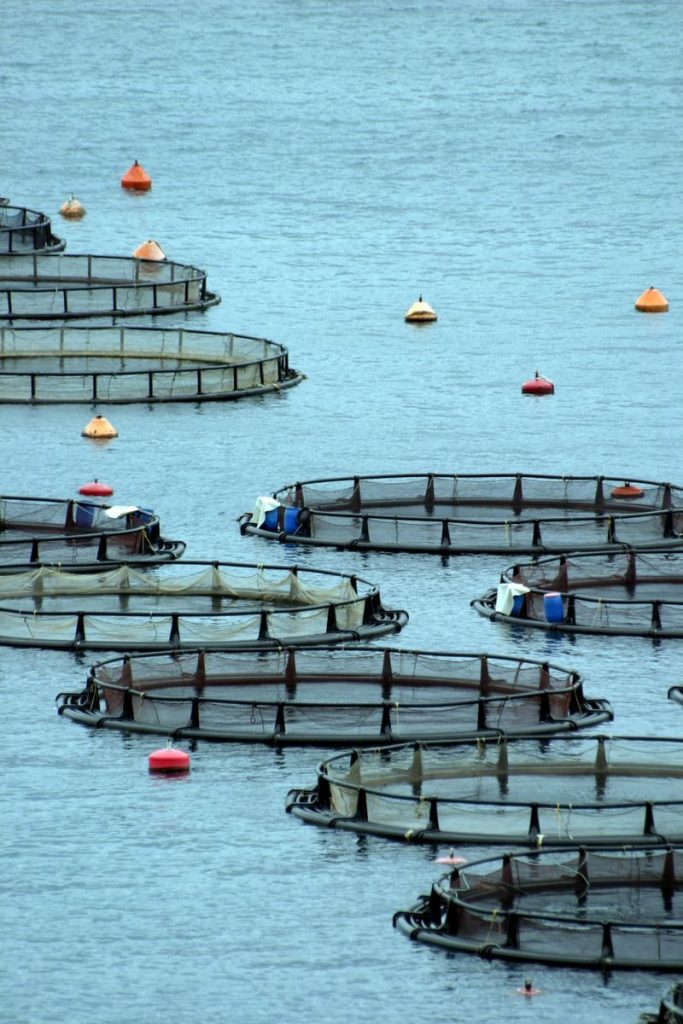
Many experts point to a behavior called cage-grazing. Wild trout gather beneath salmon cages and eat uneaten fish pellets that sink through the nets. These pellets are made to help farmed salmon grow quickly and contain high levels of protein and energy.
When wild trout regularly feed on these pellets, they may gain weight much faster than they would by eating insects, small fish, and other natural foods. Scientists have long known that cage-grazing happens, but the recent reports of exceptionally large trout have renewed interest in studying its long-term effects.
Why conservation groups are concerned

Conservation organizations say oversized trout could upset the natural balance of freshwater lochs. Larger trout may eat more small fish and compete differently with other wildlife, changing predator-prey relationships that have developed naturally over many years.
Some environmental groups also argue that the giant trout are another sign that salmon farming can affect nearby ecosystems. They believe more research and monitoring are needed to understand how leftover feed and other farming activities influence wild fish populations.
What the salmon farming industry says

Salmon farming companies reject claims that their operations are causing widespread environmental harm. They say their farms are closely monitored and must meet strict environmental standards set by Scottish regulators.
One company connected to the discussion has said its sites operate under regular oversight and that claims about major environmental damage are not supported by available evidence. Company representatives also note that modern fish farms work to reduce feed waste and improve efficiency.
What Scottish officials say
Scottish government officials acknowledge that some wild trout eat uneaten salmon pellets around fish farms and that this extra food can allow certain fish to grow larger than usual. However, officials say there is currently no evidence showing that this local food source threatens the overall health or survival of brown trout populations.
Officials continue to monitor aquaculture through environmental regulations and scientific reviews. Researchers also study interactions between fish farms and wild species to better understand any long-term ecological impacts.
What happens next

The giant wild trout have become part of a larger discussion about balancing food production with protecting nature. Scotland’s salmon industry is an important part of the country’s economy, but healthy freshwater ecosystems are also valuable for wildlife and recreation.
Scientists are expected to continue studying these unusually large trout to learn whether they represent isolated cases or a broader environmental pattern. Better research could help guide future management decisions while supporting both sustainable aquaculture and healthy wild fish populations.
Leave a Reply