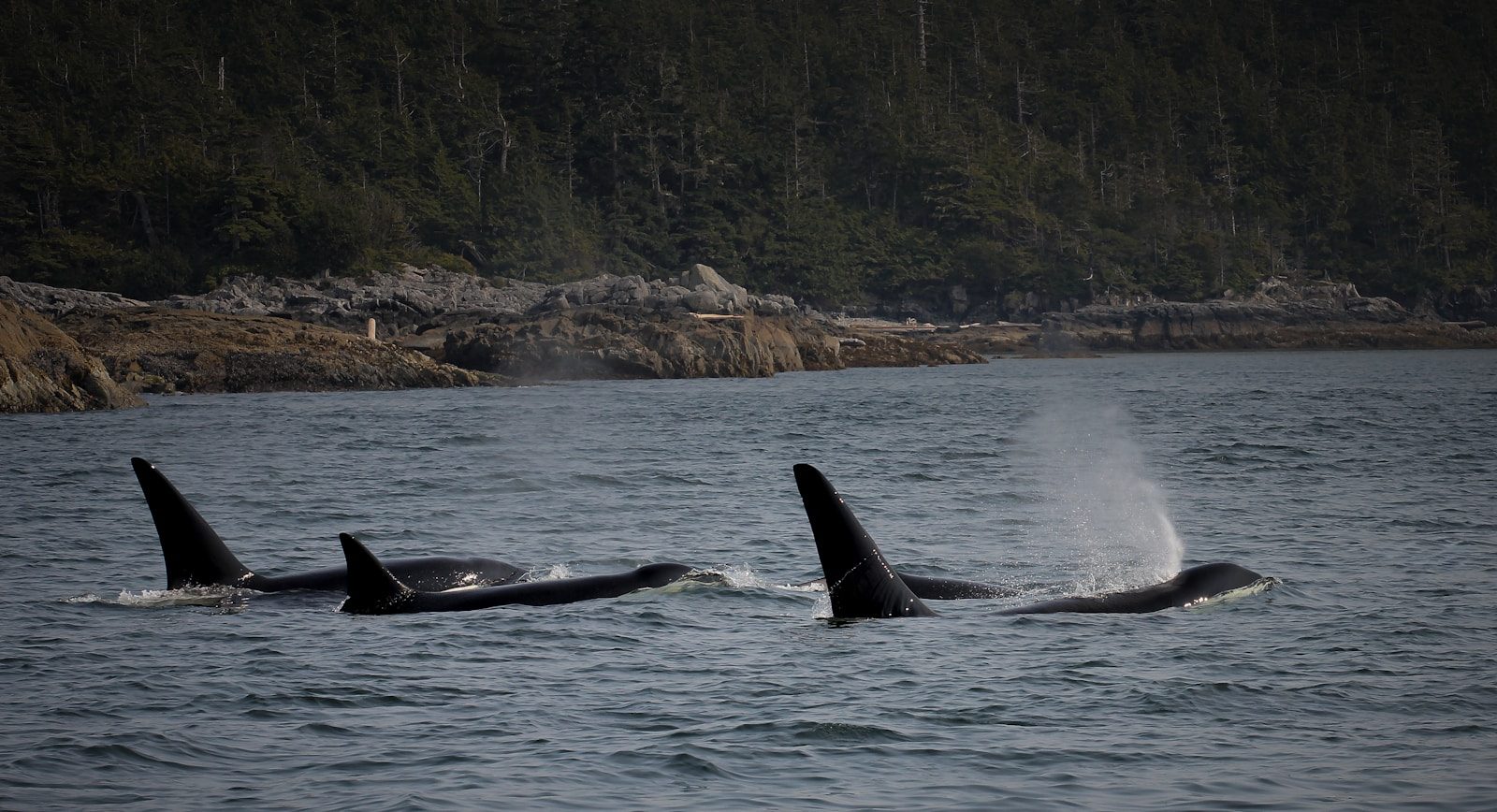
For Southern Resident killer whales in the Pacific Northwest, survival depends on more than strength or speed. It depends on experience. The oldest females, often called grandmother orcas, lead their families through changing ocean conditions, guide them to productive salmon feeding areas, and share food with younger relatives.
Decades of research now show these matriarchs are essential to the survival of their pods, especially when food becomes scarce.
A family led by experience
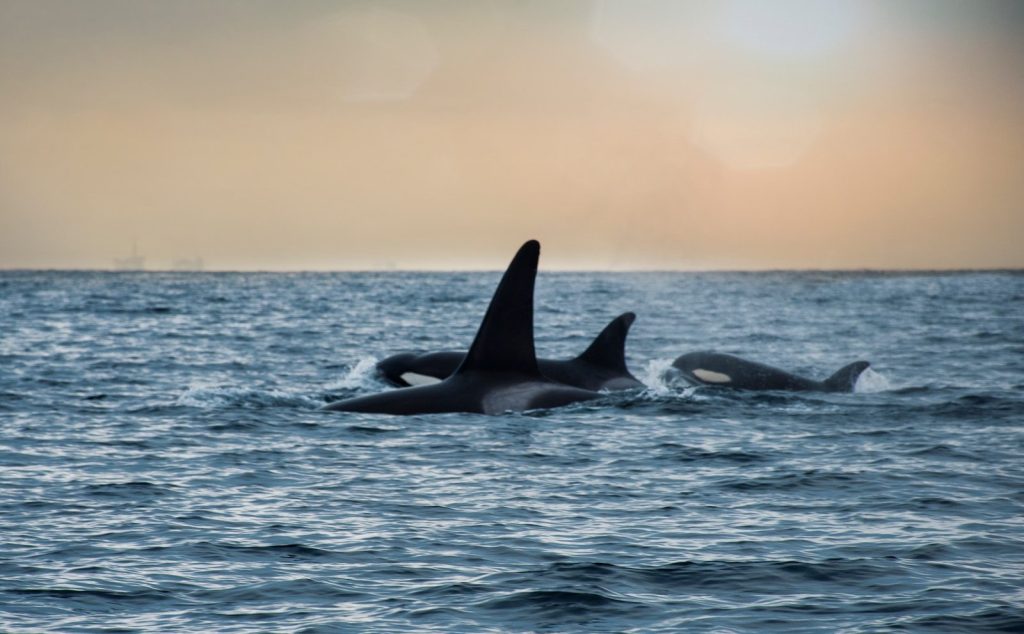
Southern Resident killer whales live in close-knit matriarchal groups. Sons and daughters typically remain with their mothers throughout their lives, creating family units centered around older females.
These matriarchs accumulate decades of knowledge about migration routes, feeding grounds, and seasonal changes that younger whales have yet to learn.
Why do older females stop reproducing
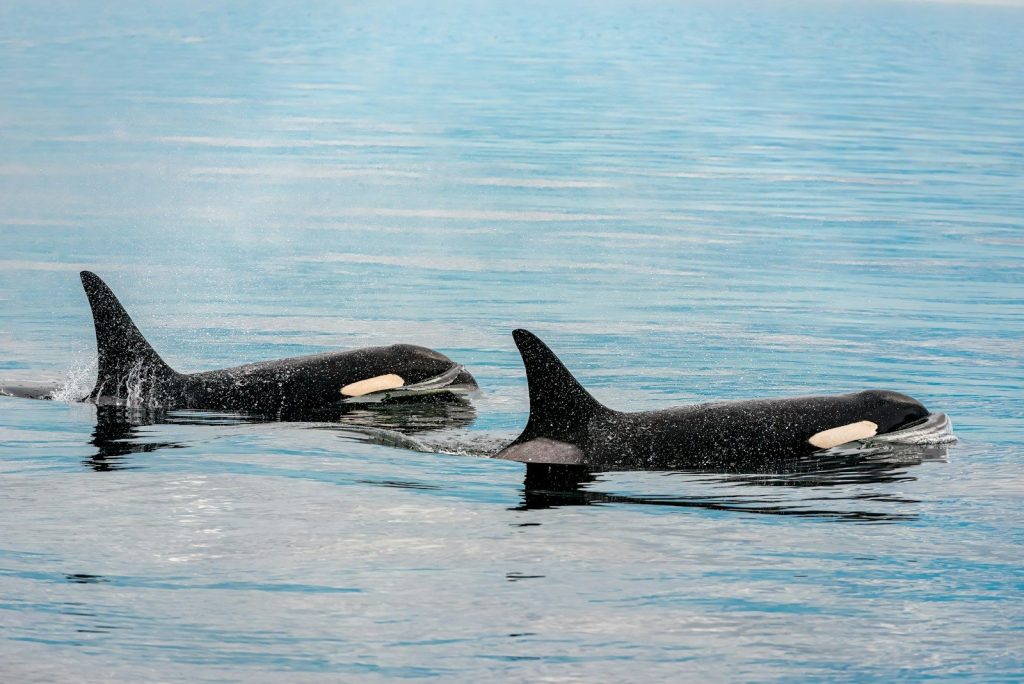
Unlike most mammals, female orcas experience menopause and may live for decades afterward. Scientists believe this unusual life history evolved because older females provide greater benefits by helping existing family members than by producing additional calves.
This is known as the “grandmother effect,” a phenomenon also observed in humans.
Guiding the pod to food
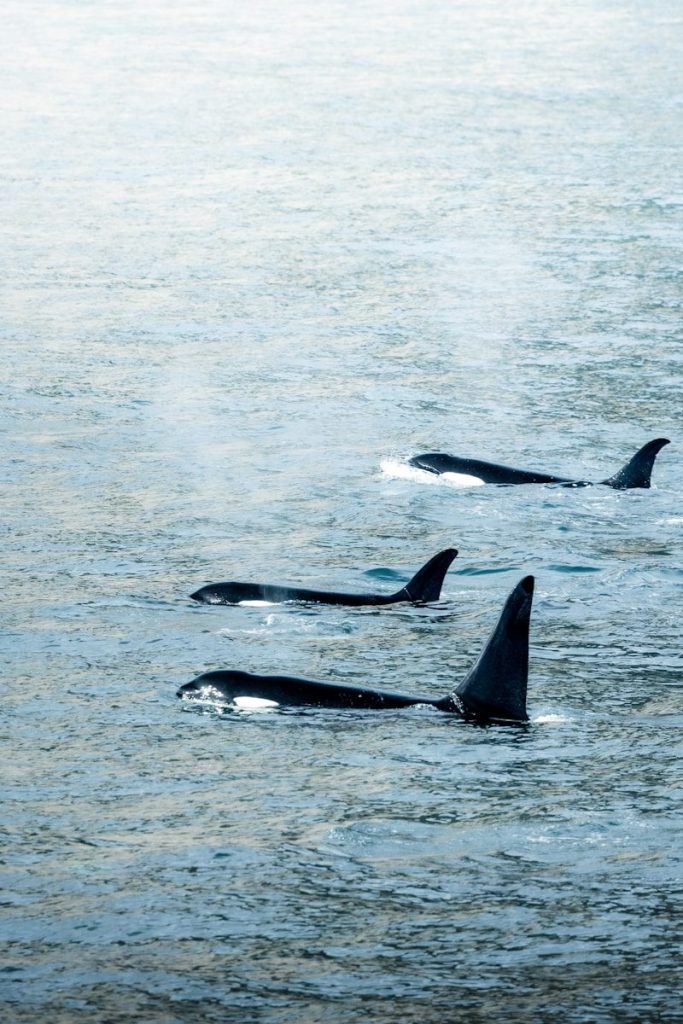
Grandmother orcas play a critical role during periods of food shortage. Studies suggest they lead their families to productive Chinook salmon feeding grounds and frequently share their catches with younger relatives.
Their experience becomes especially valuable when salmon numbers decline and locating food is more difficult.
Evidence from decades of research
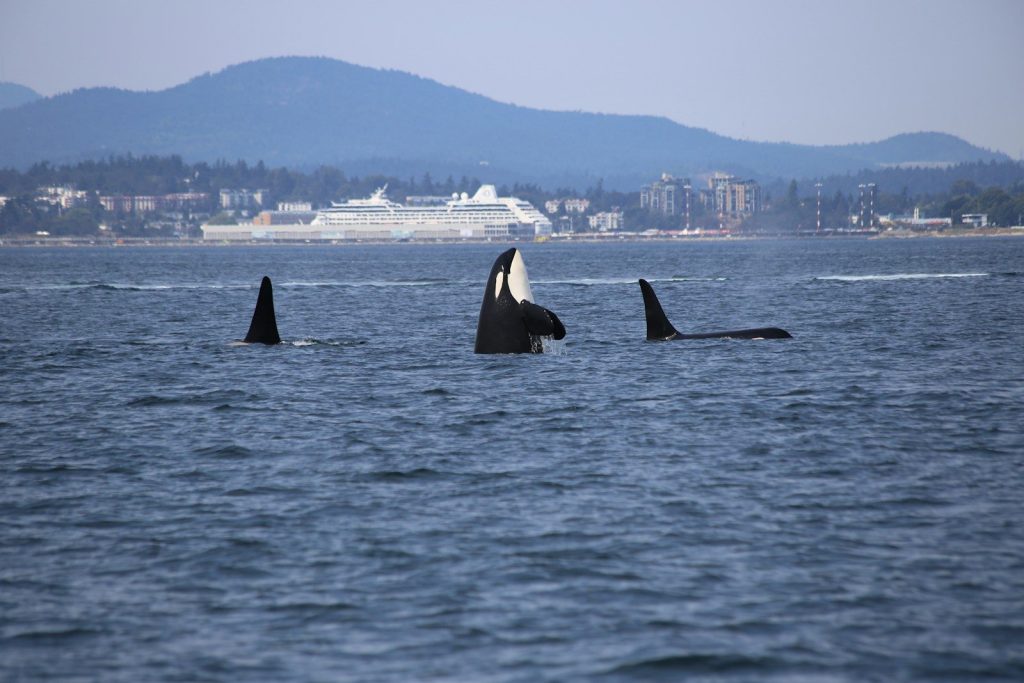
Researchers studying resident killer whales over several decades found that calves and young whales are more likely to survive when a grandmother is present. The risk of death increases noticeably after the loss of an older matriarch, particularly during years of limited salmon availability.
These findings provide some of the strongest evidence for the grandmother effect outside humans.
Why Southern Resident orcas remain at risk
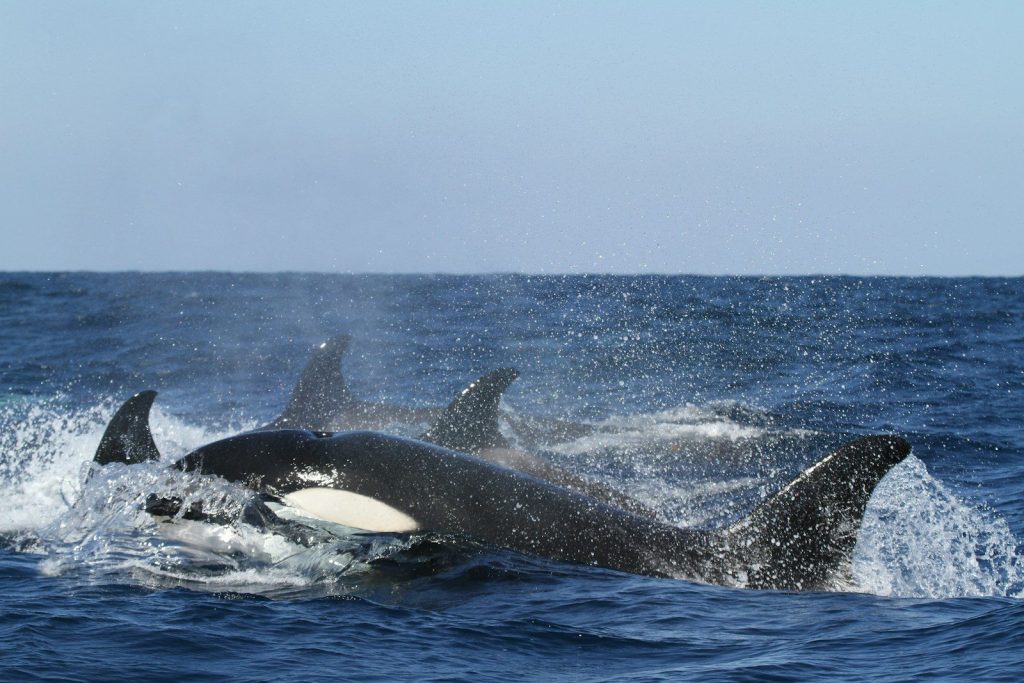
Despite the benefits provided by older females, Southern Resident killer whales face serious challenges. Declining Chinook salmon populations, vessel disturbance, underwater noise, pollution, and other human-related pressures continue to threaten their recovery.
Scientists warn that protecting both the whales and their primary food source is essential for the population’s future.
Protecting the wisdom of the pod
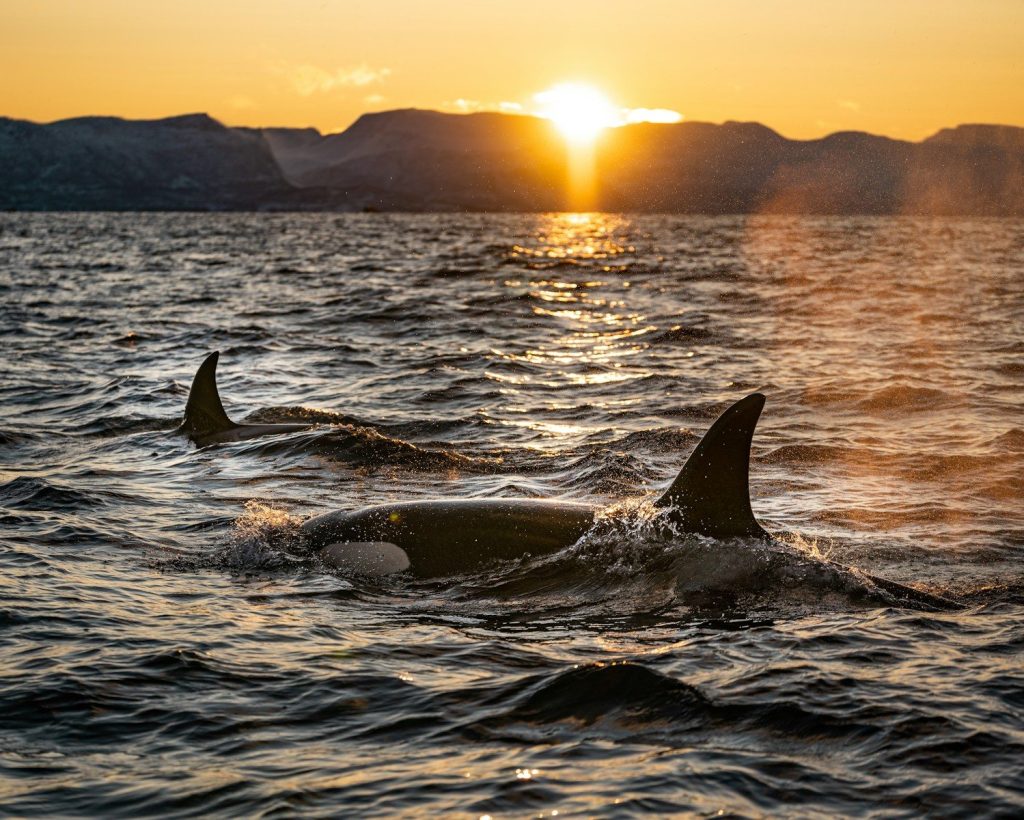
Conservation efforts increasingly recognize that preserving older individuals is just as important as protecting calves. Every experienced matriarch carries knowledge that cannot be replaced quickly, making their survival critical for the stability of future generations.
For these remarkable whales, experience truly can mean the difference between survival and decline.
Featured Image: Photo by Greg Sellentin on Unsplash
Leave a Reply